When to Go to Spain and What Each Month Actually Delivers
Spain has no single best month. Andalusia bakes in August while the north is mild, and the shoulder seasons deliver the sweet spot for most regions.
When to Go to Spain and What Each Month Actually Delivers
At 10pm on a Tuesday in July, Madrid's Plaza Mayor is full of families, not tourists. The kitchens on every side street are switching on for dinner. This is the hour Spain lives by, and your trip will work or fail depending on whether you build your day around it. The best time to visit by season has no single answer. The country's climate splits so sharply that a July trip to San Sebastian feels like a different country from a July trip to Seville.
Spain Monthly Weather Guide: What Each Region Delivers by Month
Northern Coast And Atlantic Conditions
Northern coastal Spain including Galicia, Asturias, Cantabria and the Basque Country stays mild year round. Rainfall is possible in any month, with the wettest period from October through April. The driest months are July and August, when the Atlantic coast offers the most reliable summer weather in the country, with sea temperatures between 18 and 22°C.
Mediterranean Shore And Central Plateau
Mediterranean coastal Spain covering Catalonia, Valencia, Murcia and eastern Andalusia has hot dry summers and mild winters. Rain concentrates in autumn and spring. The summer sea temperature ranges from 24 to 27°C, warm enough for swimming through October.
The central plateau of Castilla y Leon, Castilla La Mancha and Madrid has a continental climate: very hot summers, cold winters with frost and occasional snow, and a wide day-night temperature range. Madrid sits at 667 metres elevation. Winter nights drop below freezing. Summer afternoons routinely exceed 35°C.
Southern Inland And The Archipelagos
Southern inland Spain in Extremadura and inland Andalusia has extremely hot summers, mild winters and low annual rainfall. Córdoba and Seville regularly hit 40°C in July and August.
The Balearic Islands have a Mediterranean climate with hot dry summers and mild winters. Sea breezes keep coastal temperatures bearable in peak summer. The Canary Islands are subtropical with year-round spring temperatures and minimal seasonal variation. Occasional calima events brought by Saharan dust are most common in winter, turning the air hazy and raising temperatures briefly.


Spain Peak Season Crowds and Where They Actually Gather
Spring And Autumn Shoulder Months
Spain's peak season runs April through May and September through October for comfortable temperatures and clear skies across most regions. These months draw the largest number of travellers because the weather works everywhere: the north is not yet drenched, the south has not yet baked, the coasts are warm without being shoulder to shoulder.
Coastal Summer Crush
July and August are peak coastal and festival season, driven by European school holidays. The Mediterranean coast and the Balearic Islands reach maximum occupancy. Book accommodation months ahead. The Atlantic coast also peaks, but the sea stays cooler and the beaches spread wider.
Inland cities like Madrid, Seville and Córdoba face a different reality in July and August: daytime highs routinely exceed 35°C. Many local businesses close for afternoon hours. Some close entirely for the month of August. This is not a rumour. In Madrid and Barcelona, independent shops and restaurants shut for August, leaving the tourist-strip options thinner and the character of the city muted.
Winter Escape To The Canaries
Winter brings a different peak to the Canary Islands, where northern European visitors drive the highest accommodation occupancy of the year. The sea temperature of 18 to 23°C and air temperatures around 20°C make January feel like a good May day in northern Europe.
Spain August Closures: What Shuts and What Does Not
Inland City Shutdowns
August closures in Madrid and Barcelona catch travellers by surprise every year. Many independent shops, family-run restaurants, bakeries, butcher shops and speciality food stores lock their doors for the entire month. The owners take holiday. This is not a siesta. It is a full shutdown. Chain stores and tourist-oriented restaurants stay open, but your ability to eat like a local vanishes in August.
Coastal Reality In High Summer
Coastal towns in August are the opposite: packed with Spanish and European families, beaches full, restaurants running at full capacity. The price is high density. If you want a quiet beach holiday, August is the wrong month anywhere on the Mediterranean or the Balearic Islands. The Atlantic coast has fewer crowds but also cooler water.
The single biggest trip-up in August is arriving in Madrid expecting a normal city and finding a quarter of the businesses closed. Arrive in Barcelona and the same reality applies. Book a coastal itinerary for July and August, or shift your trip to the shoulder months of late September and October, when inland temperatures moderate from summer extremes and the summer crowds have dissipated.
| Month | Madrid & Interior | Andalusia | Cantabrian Coast | Mediterranean Coast | Balearic Islands | Canary Islands |
|---|---|---|---|---|---|---|
| January | Cold, frost nights, snow possible | Cool, mild days | Cold, rain, rough seas | Mild, rain possible | Cool, 14°C days | Warm, 20°C, peak occupancy |
| April | Mild, increasing sun | Warm days, Semana Santa crowds | Cool, rain possible | Warm, rising sea temp | Mild, quiet | Spring, 22°C |
| July | 35°C+, afternoon closures | 40°C, avoid | Mild, 22°C, low rain | Hot, 27°C sea, peak crowds | Hot, 28°C sea, full occupancy | Warm, 25°C, moderate |
| August | 35°C+, many closures | 40°C+, avoid unless coast | Mild, 22°C, busy coast | Hot, packed, book ahead | Packed, high prices | Warm, 26°C, moderate |
| October | Mild days, cool nights | Warm, pleasant | Rain increasing | Warm sea, crowds gone | Warm sea, quiet | Warm, 24°C |
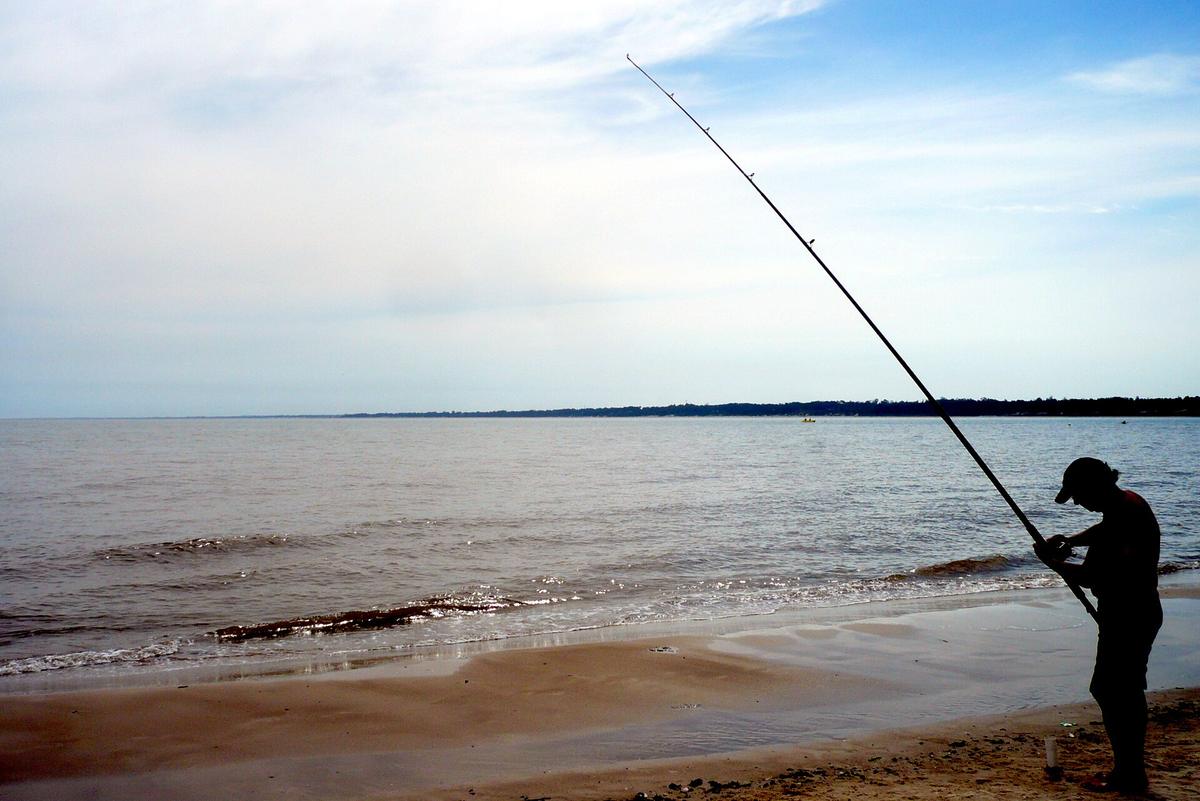

Semana Santa Travel Spain: What it Costs and Where it Hits
Holy Week Crowds And Closures
Semana Santa, Holy Week, shifts dates annually in March or April. It drives a nationwide spike in domestic travel. The processions in most cities attract crowds, but Seville and Málaga are the centre of gravity. Accommodation prices triple. Movement is restricted by processional routes and barriers. If you are not attending the processions specifically, avoid Seville and Málaga during Semana Santa. The experience of being trapped in a crowd unable to cross a street for 45 minutes while a float passes is not worth the inflated hotel rate.
April To May Trade-Offs
The shoulder period of April to May has lower visitor density than summer, warm days in the south and on the Mediterranean, and cool wet conditions possible in the north. Coastal services may not yet be running at full summer schedule, meaning fewer ferry departures and some beachside kiosks still closed. You trade the heat and crowds of summer for occasional rain and limited infrastructure. It is a good trade if you want to walk through the Alhambra without fighting for space.
Who Spain Travel Works for and Who Should Think Twice
The Right Traveller For Spain
Spain suits culture and architecture obsessives, late-night social travellers who are happy eating dinner at 10pm, second-city explorers who prefer Seville or Bilbao over the capital, road trippers wanting dramatic landscape shifts in a single day, and food-focused travellers willing to build a day around tapas bar crawls. The minimum sensible trip is ten days. That gives you enough time to make sense of two contrasting regions without spending half your time on trains.
Who Will Struggle
Spain does not suit travellers who want crisp predictable schedules and early dinners. Dinner service rarely begins before 8:30pm and is in full swing at 10pm. Showing up at 7pm means a closed kitchen and a bar of standing diners. The afternoon siesta closure, roughly 2pm to 5pm, still shuts many shops, pharmacies and museums outside major city centres and malls. You cannot walk into any restaurant at 6pm and eat. If you hate planning around meal times, Spain will frustrate you every day.
Spain also does not suit travellers seeking a quiet low-stimulus beach holiday in peak summer. July and August on the Mediterranean coast and Balearic Islands mean high visitor density, maximum accommodation occupancy and noise. The Canary Islands offer a quieter alternative year round. Anyone who finds smoking on terraces and dense urban crowds overwhelming should stick to rural areas, the Cantabrian coast in shoulder season, or the Canary Islands.
The One-Week Trap
The single thing that most often goes wrong: travellers pack Madrid, Barcelona, Seville and San Sebastian into one week. The distances between these cities are significant. The high-speed AVE train network handles them efficiently, Madrid to Barcelona in about 2.5 hours and Madrid to Seville in about 2.5 hours, but each transit consumes half a day. Trying to cover four regions in seven days means spending more time on trains and in stations than in the places themselves. Pick two regions. Spend five days in each. You will see more than someone who tries to land in four cities in six nights.
Common Questions
What is the absolute worst month to visit inland Spain?
August. Inland cities like Madrid, Seville and Córdoba hit daytime highs above 40°C. Many independent shops and restaurants close for the entire month. If you must visit inland Spain in August, plan for air-conditioned hotel rooms, lunch as the main meal between 1pm and 3pm, and dinner after 9pm when the heat drops.
Can I swim in the sea in October in Spain?
Yes on the Mediterranean coast, the Balearic Islands and the Canary Islands. The Mediterranean sea temperature remains warm through October, 22 to 24°C. The Atlantic coast sea temperature drops below 18°C by October. The Canary Islands sea stays between 20 and 23°C year round.
When are the crowds worst in the Canary Islands?
Winter, from December through February. Northern European visitors drive peak occupancy. The Canary Islands have year-round spring temperatures, so winter is their high season. Summer is quieter and still warm at 25 to 28°C.
Is it worth visiting Seville during Semana Santa?
Only if you are specifically attending the processions. Accommodation prices triple, movement is restricted by processional barriers, and the city is full of domestic travellers. Skip it if your interest is architecture, food or general sightseeing.
How do Madrid and Barcelona change in August?
Many independent shops, bakeries, butchers and family restaurants close for the entire month. Chain stores and tourist restaurants stay open. The city feels different: quieter in residential neighbourhoods, busier around major monuments. Coastal destinations become the focus of summer life.
Read next
-
 Staying Connected in Spain With eSIM, a Local SIM, or Just WiFi
Weighing an eSIM against a Spanish shop-bought SIM against free WiFi, with the passport-registration rule that makes airport SIM queues a grind.
Staying Connected in Spain With eSIM, a Local SIM, or Just WiFi
Weighing an eSIM against a Spanish shop-bought SIM against free WiFi, with the passport-registration rule that makes airport SIM queues a grind.
-
 Getting Around Spain Without Believing the Distance Map
Spain's high-speed trains shrink the map, but the gaps between lines and Renfe's payment quirks can derail a tight itinerary.
Getting Around Spain Without Believing the Distance Map
Spain's high-speed trains shrink the map, but the gaps between lines and Renfe's payment quirks can derail a tight itinerary.
-
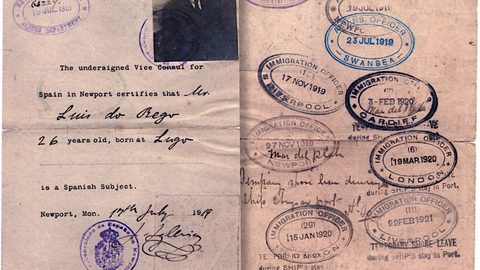 Spain Visa Requirements and the Schengen Short-Stay Rules
Whether you need a visa for Spain depends on your passport and how long you plan to stay. The Schengen 90-day clock trips up even experienced travellers.
Spain Visa Requirements and the Schengen Short-Stay Rules
Whether you need a visa for Spain depends on your passport and how long you plan to stay. The Schengen 90-day clock trips up even experienced travellers.
-
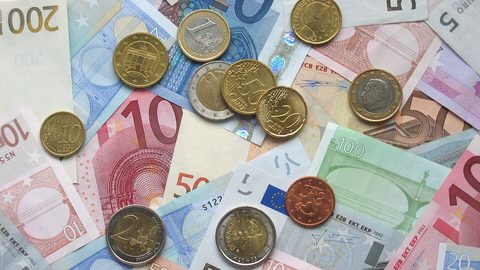 Cash or Card in Spain and Where the Euro Still Demands Coins
Spain takes contactless almost everywhere, until it does not. Small bars, market stalls, and rural buses still run on coins. Here is what to carry and when.
Cash or Card in Spain and Where the Euro Still Demands Coins
Spain takes contactless almost everywhere, until it does not. Small bars, market stalls, and rural buses still run on coins. Here is what to carry and when.
-
 Spain Safety Advice Without the Overblown Warnings
Spain is safe by any measure of violent crime, but pickpocketing in Barcelona's metro and Madrid's tourist hubs is a professional operation. What to watch for.
Spain Safety Advice Without the Overblown Warnings
Spain is safe by any measure of violent crime, but pickpocketing in Barcelona's metro and Madrid's tourist hubs is a professional operation. What to watch for.
-
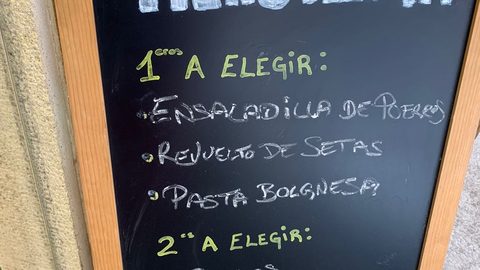 What Spain Costs in Practice Without Quoting a Single Euro Figure
How money flows through a Spanish trip, from cheap morning cafés and set lunch menus to the accumulating cost of pintxos crawls and peak-season coastal beds.
What Spain Costs in Practice Without Quoting a Single Euro Figure
How money flows through a Spanish trip, from cheap morning cafés and set lunch menus to the accumulating cost of pintxos crawls and peak-season coastal beds.
-
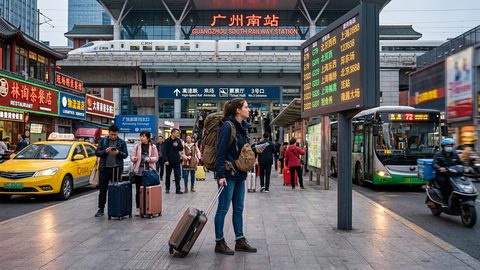 A Ground-Level Logistics Guide to Independent Travel in China
First-time independent travel in China: what you need to know about visas, rail booking, eSIMs, mobile payments, and power adapters.
A Ground-Level Logistics Guide to Independent Travel in China
First-time independent travel in China: what you need to know about visas, rail booking, eSIMs, mobile payments, and power adapters.
-
 How Solo Travelers Stay Ahead of Flight Delays and Cancellations
How solo travelers can track inbound aircraft, claim rebooking rights, and adjust ground transport when flights go wrong — step by step.
How Solo Travelers Stay Ahead of Flight Delays and Cancellations
How solo travelers can track inbound aircraft, claim rebooking rights, and adjust ground transport when flights go wrong — step by step.
-
 Why Your eSIM Might Not Work Abroad and How to Check Before You Go
Buying an eSIM doesn't guarantee signal abroad. Learn why coverage fails by location and how to verify reach before you commit to a plan.
Why Your eSIM Might Not Work Abroad and How to Check Before You Go
Buying an eSIM doesn't guarantee signal abroad. Learn why coverage fails by location and how to verify reach before you commit to a plan.