Do You Need a Visa to Enter Spain
Whether you need a visa for Spain depends on your passport and how long you plan to stay. The Schengen 90-day clock trips up even experienced travellers.
Do You Need a Visa to Enter Spain
Who Travels Visa Free
Visitors from the United States, Canada, Australia, New Zealand, Japan, South Korea, Brazil, Argentina, Mexico, the UAE, and the United Kingdom do not need a visa for short stays. The hard limit is 90 days within any rolling 180 day period across the entire Schengen area. That single rule trips up more visitors than any other.
What you need depends on your citizenship and the length of your trip. EU, EEA, and Swiss citizens enter with a national ID card or passport and face no time limit on short visits. Everyone else falls into one of two camps: visa free or Schengen visa required.
If You Need a Visa
Spain does not offer visa on arrival or a standalone e visa scheme. If your country is not on the visa free list, you must apply for a Schengen visa through a Spanish consulate or an authorised visa application centre before you travel. The application window opens up to six months before your trip. Processing takes up to 15 calendar days, though it can stretch to 45 days in individual cases. Fingerprints and a photograph are required for applicants aged 12 and over. The standard Schengen visa fee is set by EU regulation and revised periodically.
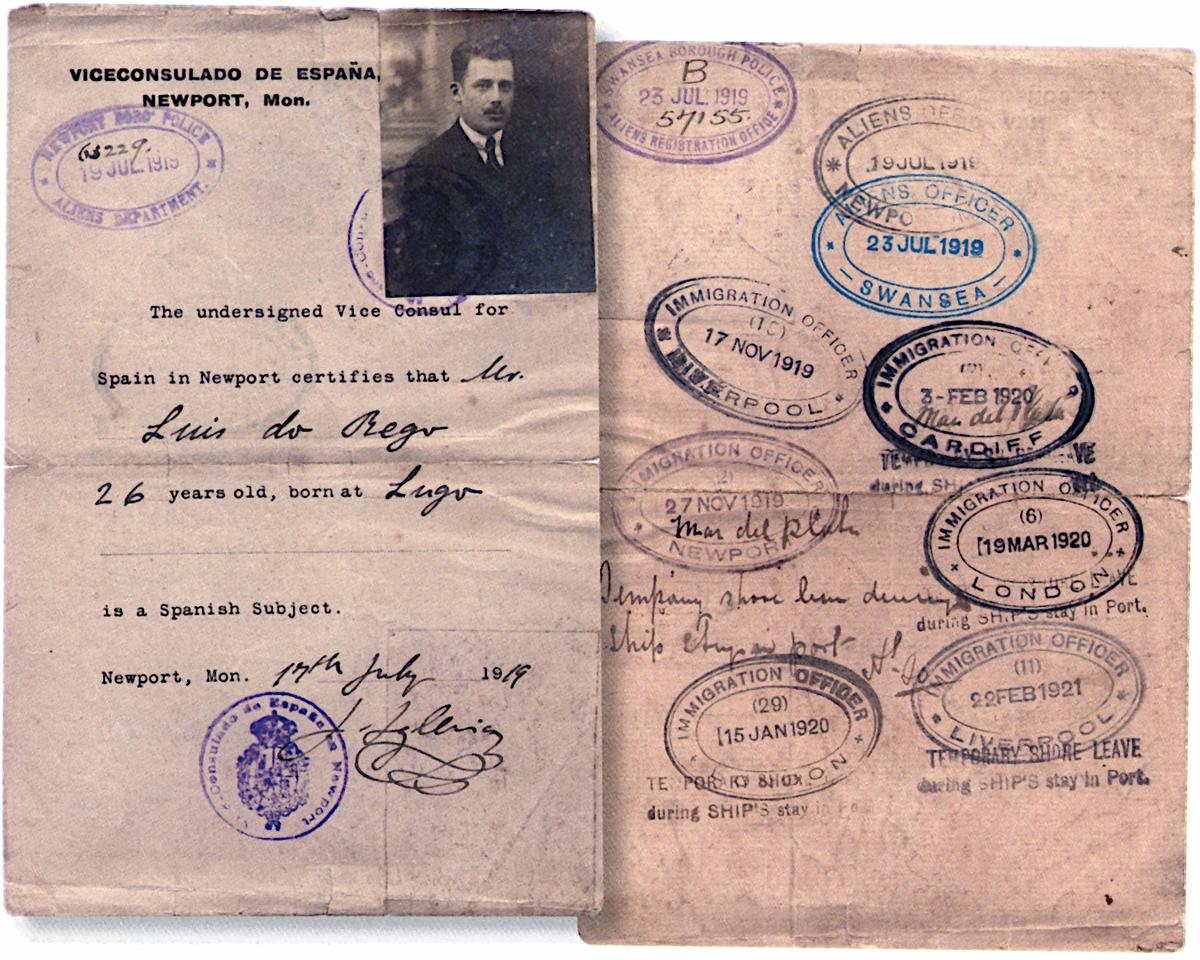

| Nationality | Visa Required | Max Stay |
|---|---|---|
| EU / EEA / Swiss | No | Unlimited (with ID card or passport) |
| USA | No | 90 days per 180 day rolling period |
| Canada | No | 90 days per 180 day rolling period |
| Australia | No | 90 days per 180 day rolling period |
| New Zealand | No | 90 days per 180 day rolling period |
| Japan | No | 90 days per 180 day rolling period |
| South Korea | No | 90 days per 180 day rolling period |
| Brazil | No | 90 days per 180 day rolling period |
| Argentina | No | 90 days per 180 day rolling period |
| Mexico | No | 90 days per 180 day rolling period |
| United Kingdom | No | 90 days per 180 day rolling period |
| UAE | No | 90 days per 180 day rolling period |
| India | Yes | Schengen visa required before travel |
| China | Yes | Schengen visa required before travel |
| South Africa | Yes | Schengen visa required before travel |
| Türkiye | Yes | Schengen visa required before travel |
| Philippines | Yes | Schengen visa required before travel |
Schengen Visa Spain: How the 90/180 Day Clock Works
The Rolling Window
Spain is a full Schengen area member. That means the 90 day limit is not Spain specific. It is the total across all 27 Schengen states. The clock is rolling and looks backwards. On any given day, you cannot have spent more than 90 days inside the Schengen area during the previous 180 days. A day spent in France, Germany, or Italy counts against the same allowance as a day in Spain.
The most common mistake is counting forward from the first entry. That does not work. A traveller who enters Spain on June 1, stays 30 days, leaves, returns on August 1 for 30 more days, and then returns on October 1 for 30 more days has likely overstayed. The October trip falls inside the same 180 day window as the August trip. Use the European Commission's Schengen calculator to check your dates before you travel. Border police can and do refuse entry to travellers who miscalculate, and overstays trigger fines, removal, and possible entry bans.
Passport Rules and Border Checks
Visa free travellers must also meet passport validity rules. Your passport must have been issued within the previous 10 years and be valid for at least 3 months beyond your intended departure date from the Schengen area. Border officers may request proof of onward travel, accommodation, and sufficient funds. The Spanish Ministry of Foreign Affairs publishes the current minimum daily funds figure. Expect to show a return or onward ticket and a hotel booking if asked.
Spain Entry Rules: What Happens at the Border
The Stamp System
At your first Schengen entry point, third country citizens receive an entry stamp. At your final exit from the Schengen area, you get an exit stamp. These stamps are how the authorities track your 90 day count. If your passport has no stamps because the officer did not bother, keep your boarding passes and accommodation receipts as proof of your dates.
EU, EEA, and Swiss citizens face a simple identity and travel document check. Third country citizens get a passport check, the Schengen entry stamp, and possible scrutiny of onward travel, accommodation, funds, and purpose of visit. Border officers have discretion to refuse entry even if your papers are in order. This is rare for genuine tourists carrying the right documents.
British Visitors After Brexit
British citizens, since 1 January 2021, are treated as third country citizens for Schengen entry purposes. UK passports are stamped on entry and exit. The same 90/180 rule applies. The separate border crossing at Gibraltar involves standard Schengen entry checks for UK citizens and other third country citizens.
Spain Tourist Visa Application: What You Need to Know
How to Apply
If you are from India, China, South Africa, Türkiye, the Philippines, or any other country not on the visa free list, you need a Schengen visa type C for tourism. Submit your application through a Spanish consulate or an authorised visa application centre such as BLS International. You cannot apply at the border. The application requires a completed form, a passport with at least two blank pages valid for at least three months beyond your planned departure, biometrics if you are 12 or over, travel medical insurance meeting EU minimum coverage, proof of accommodation, flight itinerary, and proof of sufficient funds.
Apply at the Spanish consulate in your country of residence. If you plan to visit multiple Schengen states, apply at the consulate of the place where you will spend the longest period. If the time is equal, apply at the country of first entry. Processing takes up to 15 calendar days, but allow more time during peak travel months. If your visa is refused, Spanish administrative law allows an appeal. Multiple entry visas are issued at the consulate's discretion based on your travel history.
For stays over 90 days, you need a national long stay visa, type D, not a tourist visa. Apply well in advance. Processing is more involved.


ETIAS Spain: What is Changing and When
ETIAS is a planned travel authorisation for visa exempt third country citizens entering the Schengen area. It is not a visa. It is an online pre screening system. Implementation is pending as of 2026. The official European Union ETIAS website publishes updates. Once operational, visa free travellers from the US, Canada, UK, Australia, New Zealand, Japan, South Korea, and others will need to complete an online application before travel. The authorisation is expected to be valid for three years or until your passport expires, whichever comes first. The fee is set by EU regulation.
Do not plan around ETIAS yet. The current rules are what matter. If your travel is in 2026, check the EU ETIAS website for the latest implementation date. Until ETIAS is live, the existing visa free arrangements and the 90/180 rule are unchanged. Border procedures remain as described above.
Practical Reminders for Your Spain Trip
Getting Around
Logistics require advance planning. The high speed AVE train network connects Madrid with Barcelona, Valencia, Seville, Malaga, and Alicante. Book through the Renfe website or app. The single biggest friction: Renfe's online payment system frequently blocks non Spanish credit cards. Use PayPal or a card with strong 3D Secure authentication to resolve it. Coastal train coverage has gaps, forcing bus transfers between Mediterranean cities.
Timing and Culture
Accommodation in Seville and Malaga during Semana Santa triples in price and movement is restricted. August sees coastal towns packed and inland cities above 40 degrees Celsius, with many independent shops and restaurants in Madrid and Barcelona closed for the month. Shops, pharmacies, and museums outside major city centres still close roughly 2pm to 5pm. Dinner service rarely starts before 8:30pm and is in full swing at 10pm. Arriving at 7pm means a closed kitchen. Tap water is safe to drink in most of mainland Spain.
Pickpocketing is a professionalised risk on the Barcelona metro, Madrid's Puerta del Sol, and crowded festival streets. The emergency number across Spain is 112.
Who Spain Suits
Spain suits culture and architecture obsessives, late night social travellers, second city explorers who prefer Seville or Bilbao over the capital, road trippers who want dramatic landscape shifts in a single day, and food focused travellers willing to build a day around tapas bar crawls. Spain is not for travellers who want crisp predictable schedules and early dinners, those seeking a quiet low stimulus beach holiday in peak summer, or anyone who finds smoking on terraces and dense urban crowds overwhelming. The thing that most often goes wrong: trying to cover Madrid, Barcelona, Seville, and San Sebastian in a single week, spending more time on trains and in stations than in the places themselves.
Common Questions
How do I count the 90 days in the Schengen area?
Look backwards from each day of your trip. If the total number of days you spent in any Schengen state during the previous 180 days is 90 or less, you are fine. Use the European Commission's online Schengen calculator. Do not count from your first entry date only.
Can I extend my 90 day stay in Spain?
No. The Schengen short stay maximum is firm for tourism. For stays over 90 days, you need a national long stay visa or residence permit applied for before travel. Overstaying risks fines, removal, and a re entry ban.
Do I need travel insurance for Spain?
If you need a Schengen visa, travel medical insurance with EU minimum coverage is mandatory. If you are visa free, it is not required for entry, but get it anyway. UK travellers cannot use the UK Global Health Insurance Card in Spain and need private travel insurance.
What documents should I carry at the Spanish border?
Visa free travellers should carry a passport valid for at least three months beyond departure, proof of onward or return travel, accommodation confirmation, and evidence of sufficient funds. EU citizens need a valid national ID card or passport. Border officers may ask to see any of these.
What is the minimum passport validity for Spain?
For visa free third country citizens, the passport must be valid for at least three months beyond your intended exit from the Schengen area and must have been issued within the previous 10 years. Schengen visa applicants need two blank pages as well.
Can I enter Spain with a Schengen visa issued by another country?
Yes, if that visa is valid and you enter the Schengen area through the issuing country first or spend the most time there. Border officers may ask for your itinerary. A single entry Schengen visa allows one entry only.
Is there a tourist tax in Spain?
Catalonia and the Balearic Islands apply tourist taxes per night in accommodation. Rates vary by accommodation type, location, and season. Most other regions, including Madrid and Andalusia, do not charge a tourist tax.
Read next
-
 Staying Connected in Spain With eSIM, a Local SIM, or Just WiFi
Weighing an eSIM against a Spanish shop-bought SIM against free WiFi, with the passport-registration rule that makes airport SIM queues a grind.
Staying Connected in Spain With eSIM, a Local SIM, or Just WiFi
Weighing an eSIM against a Spanish shop-bought SIM against free WiFi, with the passport-registration rule that makes airport SIM queues a grind.
-
 Best Time to Visit Spain by Region and Season Reality
Spain has no single best month. Andalusia bakes in August while the north is mild, and the shoulder seasons deliver the sweet spot for most regions.
Best Time to Visit Spain by Region and Season Reality
Spain has no single best month. Andalusia bakes in August while the north is mild, and the shoulder seasons deliver the sweet spot for most regions.
-
 Getting Around Spain Without Believing the Distance Map
Spain's high-speed trains shrink the map, but the gaps between lines and Renfe's payment quirks can derail a tight itinerary.
Getting Around Spain Without Believing the Distance Map
Spain's high-speed trains shrink the map, but the gaps between lines and Renfe's payment quirks can derail a tight itinerary.
-
 Cash or Card in Spain and Where the Euro Still Demands Coins
Spain takes contactless almost everywhere, until it does not. Small bars, market stalls, and rural buses still run on coins. Here is what to carry and when.
Cash or Card in Spain and Where the Euro Still Demands Coins
Spain takes contactless almost everywhere, until it does not. Small bars, market stalls, and rural buses still run on coins. Here is what to carry and when.
-
 Spain Safety Advice Without the Overblown Warnings
Spain is safe by any measure of violent crime, but pickpocketing in Barcelona's metro and Madrid's tourist hubs is a professional operation. What to watch for.
Spain Safety Advice Without the Overblown Warnings
Spain is safe by any measure of violent crime, but pickpocketing in Barcelona's metro and Madrid's tourist hubs is a professional operation. What to watch for.
-
 What Spain Costs in Practice Without Quoting a Single Euro Figure
How money flows through a Spanish trip, from cheap morning cafés and set lunch menus to the accumulating cost of pintxos crawls and peak-season coastal beds.
What Spain Costs in Practice Without Quoting a Single Euro Figure
How money flows through a Spanish trip, from cheap morning cafés and set lunch menus to the accumulating cost of pintxos crawls and peak-season coastal beds.
-
 A Ground-Level Logistics Guide to Independent Travel in China
First-time independent travel in China: what you need to know about visas, rail booking, eSIMs, mobile payments, and power adapters.
A Ground-Level Logistics Guide to Independent Travel in China
First-time independent travel in China: what you need to know about visas, rail booking, eSIMs, mobile payments, and power adapters.
-
 How Solo Travelers Stay Ahead of Flight Delays and Cancellations
How solo travelers can track inbound aircraft, claim rebooking rights, and adjust ground transport when flights go wrong — step by step.
How Solo Travelers Stay Ahead of Flight Delays and Cancellations
How solo travelers can track inbound aircraft, claim rebooking rights, and adjust ground transport when flights go wrong — step by step.
-
 Why Your eSIM Might Not Work Abroad and How to Check Before You Go
Buying an eSIM doesn't guarantee signal abroad. Learn why coverage fails by location and how to verify reach before you commit to a plan.
Why Your eSIM Might Not Work Abroad and How to Check Before You Go
Buying an eSIM doesn't guarantee signal abroad. Learn why coverage fails by location and how to verify reach before you commit to a plan.