When to Go to South Africa and What Each Season Does
When to go to South Africa, from Kruger's dry-season game viewing in July to Cape Town's summer crowds and the December school holiday price spike.
When to Go to South Africa and What Each Season Does
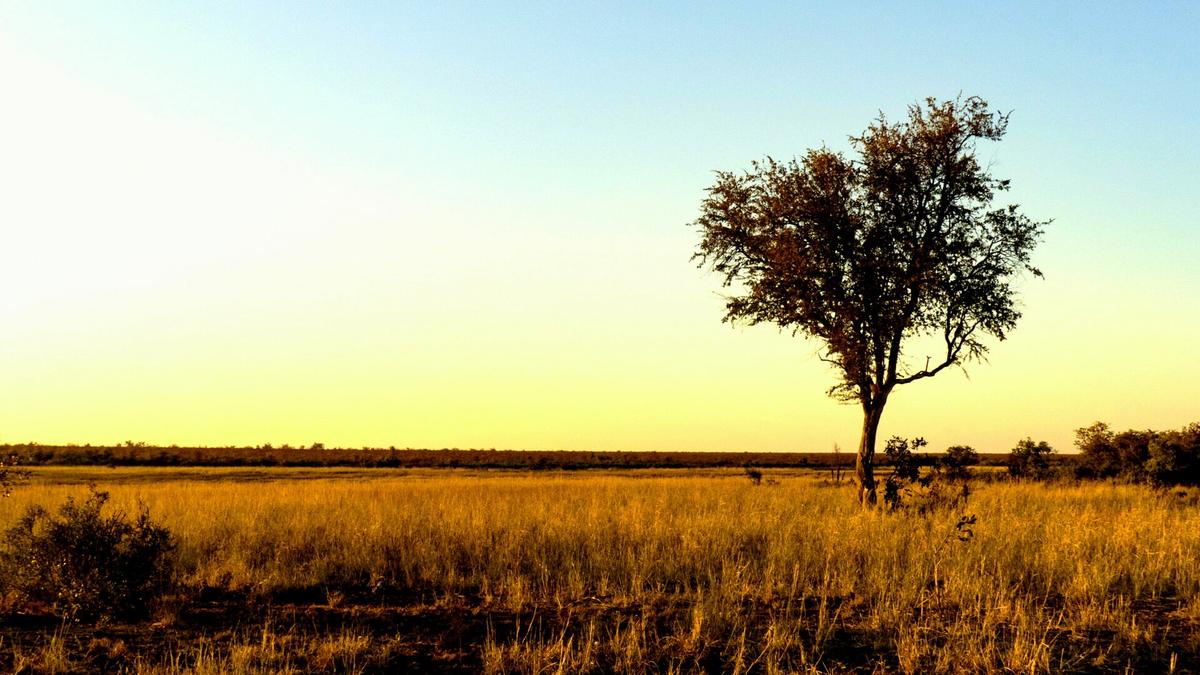
You land at OR Tambo International Airport in Johannesburg in mid July. The Highveld air is dry and the late afternoon light cuts hard across the grass, sharpening the angles of trees you cannot yet name. You left accommodation till last week and found nothing under R2 500 a night for the coastal stretch you wanted. That is the cost of not knowing that July, for South Africa, is two separate seasons that look like one from a map.
The honest answer to the best time to visit South Africa by season is that there is no single answer, only regional trade offs. July is peak safari in Kruger National Park with dry, cool weather and animals clustering at waterholes. December to February is peak summer for Cape Town and the Garden Route, but the December 15 to January 10 school holiday corridor doubles prices and fills every coastal room. The question is not what South Africa is like in March or September. The question is what you plan to do and where you are willing to spend your budget.
.jpeg)
South Africa Peak Season December January
The December to February window is the height of the long school holiday, with the most expensive and crowded two weeks running from December 15 to January 10. Coastal accommodation along the Garden Route and Cape Town books out weeks in advance. Rest camps inside Kruger National Park are full eleven months ahead. Prices in this period hit the annual maximum, with car hire rates and lodge fees roughly doubling from the low season.
What Summer Means By Region
The Western Cape during summer is warm to hot and dry, with a strong southeasterly wind that peaks between November and February. That wind, locals call it the Cape Doctor, is strongest in the afternoons and can make the top of Table Mountain feel like a wind tunnel. You still go, but book the 08:30 cableway slot before the gusts arrive.
In the rest of South Africa, summer is the rainy season. The Kruger Lowveld gets summer rainfall with thick vegetation and dispersed game. The grass is tall enough to hide a lion at twenty paces. This is the low safari season, and it is also the highest malaria risk season in the eastern lowveld. The Highveld interior, including Johannesburg and Pretoria, sees afternoon thunderstorms almost daily and dry, bright mornings.
Coastal KwaZulu-Natal is at its hottest and most humid in summer, receiving the highest rainfall of any region. Durban and the Elephant Coast are sticky, wet, and full of domestic visitors. If your plan is a beach holiday and you have school age children, you have no choice but this window. Budget for double everything and book nothing late.
Kruger Safari Best Month
The dry winter months, May through September, are the best time for a Kruger safari. The rainfall pattern in the rest of South Africa is summer rainfall and dry winter, which means Kruger's winter is clear, cool, and bone dry. Vegetation thins and animals concentrate at permanent water sources, making game viewing dramatically more productive than in the wet summer.
Why July Is The Peak Safari Month
July sits in the middle of the dry winter window and offers the most reliable conditions: cool mornings that warm into comfortable afternoons, almost zero rain, and sparse bush that makes even a leopard in a marula tree visible from the road. This is also the month South African domestic travellers take their winter school holiday, which runs from late June to mid July, so the rest camps fill with families.
Kruger National Park has twelve main rest camps and you need to book them up to eleven months ahead for July. If you cannot get space inside the park, the private reserves in the eastern lowveld, such as Sabi Sand, offer higher quality guiding and off road driving but at a higher price. The malaria risk in the Lowveld is lower in winter, though it never falls to zero: the risk is higher in September to May.
The Malaria Free Safari Alternative
If you want the winter game viewing without the malaria prophylaxis, several reserves sit outside the risk zone. Madikwe and the Waterberg in the North West province offer Big Five viewing on dry winter grass. Addo Elephant National Park in the Eastern Cape is malaria free and best viewed in the same dry winter months. The Kalahari, including Kgalagadi Transfrontier Park, offers warm winter days with freezing nights and exceptional predator viewing in the dry season. None of these require anti malarials.
Cape Town Whale Watching Season
Southern right whales arrive along the southern coast of South Africa from August and stay through October. The peak of the whale watching season falls in these three months, with the best viewing in Hermanus, a town roughly 90 minutes drive from Cape Town along the N2. The whales come close enough to the shore that you can watch them from the cliff path without a boat.
The Western Cape winter, from June through August, is cool, wet and cloudy. The Cape whale season overlaps the end of this wet period and the beginning of spring. You get cool but clearing weather in September, which is also the start of the Namaqualand wildflower bloom. The spring shoulder season, September to November, is a strong alternative for travellers who want lower visitor numbers but still want the whale spectacle.
Cape Agulhas, a 1.5 hour drive from Hermanus, marks the true southernmost tip of Africa and offers quieter whale viewing without the crowds. Book accommodation in Hermanus or nearby Stanford at least two months ahead for September weekends. If you visit outside the August to October window, southern right whales are not present and you should lower your expectations.
| Region | Peak Season | Shoulder Season | Off Season | Best Condition For |
|---|---|---|---|---|
| Kruger & Lowveld | July (winter safari) | March to May, September to November | December to February (wet, hot, dispersed game) | Game viewing May to September |
| Cape Town & Winelands | December to February (summer) | September to November (spring), March to May (autumn) | June to August (winter rain) | Whale watching August to October, hiking March to May |
| Garden Route | December to January (school holidays) | February to April, September to November | June to August (higher rain) | Road tripping March to May |
| KwaZulu-Natal Coast | December to February (summer humidity) | March to May, September to November | June to August (mild, dry) | Beach or turtle watching November to February |
| Northern Cape & Kalahari | July (dry, mild days) | March to May, August to October | November to February (extreme heat) | Namaqualand flowers August to September, game viewing dry season |
,_Central_Methodist_Church_--_2024_--_3516.jpg)
South Africa School Holiday Dates
South Africa has four school holiday periods per year: mid December to mid January, late June to mid July, early April, and early October. The major corridor to avoid is December 15 to January 10, when domestic travel peaks, coastal accommodation is scarce, roads on the N2 and N3 congest, and prices hit the annual maximum. The Easter weekend also sees a severe spike in domestic travel.
If you have school age children and cannot travel during term time, the late June to mid July holiday is the lesser evil for the coast but the worst for Kruger because it coincides with the peak safari season that domestic families also target. The April and October breaks are shorter and less destructive to budgets, though the Easter dates change each year and long weekends bring full holiday traffic to reserves like Pilanesberg National Park, a 2.5 hour drive from Johannesburg.
Your strategy: book rest camps in Kruger and coastal accommodation eleven months ahead for July or December. For the April and October school breaks, you can book four months ahead and still find space, but you should still avoid making reservations in the final weeks before departure.
Shoulder Seasons: Autumn and Spring
The autumn shoulder from March to May offers lower visitor numbers, dry conditions in safari regions and cooling temperatures. This is the best window for the Garden Route and the Drakensberg because the weather is stable and the summer crowds have gone. The Drakensberg hiking is best in autumn and spring, when afternoon thunderstorms are not yet a daily hazard and winter ice has not arrived. Summer in the Drakensberg brings afternoon thunderstorms with lightning risk; winter brings snow, ice and sub zero nights that close the high passes.
The spring shoulder from September to November brings warming temperatures, greening vegetation, and variable rain. Whale season starts in August, the Namaqualand wildflower bloom hits in August and September, and visitor numbers are still lower than peak summer. Spring is the only time you can combine the west coast flowers with the start of the whale season in a single trip to the Western Cape.
Both shoulder periods are the best time for travellers who want to avoid the December price spike and the July safari crowds while still getting good weather. The trade off is that you miss the peak game viewing at Kruger, which is best in the dry winter months of June and July, and you miss the peak summer beach weather at Cape Town.
Regional Realities That Change Your Timing
The Tropic of Capricorn crosses Limpopo Province, and South Africa covers latitudes from 22°S to 35°S. That means the climate varies more than first time visitors expect. The Highveld plateau sits above roughly 1 500 metres, with altitudes from 1 400 to 1 800 metres, which makes Johannesburg and Pretoria cool even in summer. The Lowveld below 800 metres is subtropical. The Drakensberg peaks rise above 3 000 metres and host snow in winter.
The Western Cape is the only region with a winter rainfall pattern and dry summer. The rest of South Africa gets summer rainfall and dry winter. If you plan a cross country trip that covers both Cape Town and Kruger in one journey, you need to accept that you cannot get perfect conditions in both places at the same time. July gives you peak safari in Kruger but cold and wet weather in Cape Town. December gives you summer heat in Cape Town but rainy, thick bush in Kruger.
The minimum trip length to justify the long haul flight is 14 days. Anything less forces you to choose between Cape Town, the Garden Route and one safari zone, turning the trip into a blur of one night stops and highway fatigue. The N2 runs from Cape Town to Ermelo. The N1 runs from Cape Town to the Beitbridge border with Zimbabwe. Driving between Cape Town and Kruger takes at least two full days. Plan your season around the region you will spend the most time in.
Common Questions
What is the absolute best month to visit South Africa?
There is no absolute best month. July is best for Kruger safaris. December to February is best for Cape Town beaches but bad for prices. September offers whale watching and flowers with lower crowds. The answer depends entirely on what you plan to do and where.
When is the cheapest time to visit South Africa?
The cheapest time is the low season for each region. For Kruger, that is December to February, when the wet summer reduces game viewing. For Cape Town, June to August is winter and low season. The shoulder months of March to May and September to November offer the best balance of price and weather.
Is it safe to visit Kruger National Park in the rainy season?
Yes, it is safe, but game viewing is harder. The summer rainfall months from October to March bring thick vegetation, tall grass, and dispersed animals. The malaria risk is also higher in the eastern lowveld during these months. Consult a travel health provider about prophylaxis before you go.
When can I see the Namaqualand wildflowers?
The Namaqualand wildflower bloom runs from August to September, triggered by winter rain followed by spring warmth. The bloom is variable each year and depends on rain levels. August is usually the peak, but check online forums and park reports in the weeks before you travel.
Do I need to book accommodation months ahead for South Africa?
Yes, for peak periods. Rest camps inside Kruger National Park book up 11 months ahead for July and the December school holidays. Coastal accommodation along the Garden Route fills weeks in advance for December to January. For shoulder season, 2 to 3 months ahead is sufficient for most properties.
Read next
-
 Staying connected in South Africa with eSIM, local SIM, or both
Why an eSIM alone fails in rural South Africa and how to combine it with a physical Vodacom or MTN SIM registered at the airport.
Staying connected in South Africa with eSIM, local SIM, or both
Why an eSIM alone fails in rural South Africa and how to combine it with a physical Vodacom or MTN SIM registered at the airport.
-
 Getting Around South Africa, Self-Drive, Flights, and the Baz Bus
Self-driving a rental car is how most travellers see South Africa. What connects where, when to fly, and what the map oversells about public transport.
Getting Around South Africa, Self-Drive, Flights, and the Baz Bus
Self-driving a rental car is how most travellers see South Africa. What connects where, when to fly, and what the map oversells about public transport.
-
 South Africa Visa Requirements and the Application Process
Who needs a visa for South Africa, which nationalities are exempt, and what documents border officials will ask for.
South Africa Visa Requirements and the Application Process
Who needs a visa for South Africa, which nationalities are exempt, and what documents border officials will ask for.
-
 Money in South Africa, Rand, Cards, and Where Cash Still Wins
South African rand, credit cards, and where cash still wins. Why your international card may fail at rural fuel stations and how much cash to carry.
Money in South Africa, Rand, Cards, and Where Cash Still Wins
South African rand, credit cards, and where cash still wins. Why your international card may fail at rural fuel stations and how much cash to carry.
-
 South Africa Safety Advice Without the Hysteria
How to read safety advice about South Africa without being misled. The protocols locals follow, the risks that are real, and how to travel safely.
South Africa Safety Advice Without the Hysteria
How to read safety advice about South Africa without being misled. The protocols locals follow, the risks that are real, and how to travel safely.
-
 What a trip to South Africa costs and where the money actually goes
Understand how a South Africa trip budget actually works: the fixed costs, the daily variables, and why the flight makes a short trip poor value.
What a trip to South Africa costs and where the money actually goes
Understand how a South Africa trip budget actually works: the fixed costs, the daily variables, and why the flight makes a short trip poor value.
-
 A Ground-Level Logistics Guide to Independent Travel in China
First-time independent travel in China: what you need to know about visas, rail booking, eSIMs, mobile payments, and power adapters.
A Ground-Level Logistics Guide to Independent Travel in China
First-time independent travel in China: what you need to know about visas, rail booking, eSIMs, mobile payments, and power adapters.
-
 How Solo Travelers Stay Ahead of Flight Delays and Cancellations
How solo travelers can track inbound aircraft, claim rebooking rights, and adjust ground transport when flights go wrong — step by step.
How Solo Travelers Stay Ahead of Flight Delays and Cancellations
How solo travelers can track inbound aircraft, claim rebooking rights, and adjust ground transport when flights go wrong — step by step.
-
 Why Your eSIM Might Not Work Abroad and How to Check Before You Go
Buying an eSIM doesn't guarantee signal abroad. Learn why coverage fails by location and how to verify reach before you commit to a plan.
Why Your eSIM Might Not Work Abroad and How to Check Before You Go
Buying an eSIM doesn't guarantee signal abroad. Learn why coverage fails by location and how to verify reach before you commit to a plan.