Understanding Your South Africa Trip Cost Breakdown Line by Line
Understand how a South Africa trip budget actually works: the fixed costs, the daily variables, and why the flight makes a short trip poor value.
Most travellers plan a South Africa trip cost breakdown around a single number they found online. That number is almost always wrong for their specific trip. It ignores the structural split in how money actually distributes between transport, accommodation, food, and activities. The long haul flight is the sunk cost that makes a shorter trip disproportionately expensive per day. Fly 11 hours from London or 16 from New York just for a week, and your daily cost doubles before you have paid for anything on the ground. The real question is not how much total, but which category will consume most of your rand and what you can do to move that weight.
How Much to Budget for South Africa: the Structure, Not the Total
A realistic daily budget for South Africa depends entirely on your split between the four major cost categories. Accommodation spans a budget-to-mid-range price ratio where a private room in a guesthouse costs 3 to 5 times a dormitory bed. A SanParks rest camp self catering unit can be 8 to 15 times cheaper per person per night than a private lodge in Sabi Sand. Food is the cheapest major category. Self catering from supermarkets and eating at local cafes is structurally inexpensive relative to most Western countries, but the savings disappear if you eat three restaurant meals a day. Long distance transport, either self driving or intercity bus, dominates the budget tier. Mid range travellers find that accommodation swallows the largest share.

South Africa Self-Drive Safari Costs: the Real Trade-Offs
Self-Drive in SanParks Reserves
The safari cost structure budget tier is self driving in SanParks reserves. You pay a per vehicle entry fee plus a per person conservation fee at the international visitor rate, which is multiple times the South African resident rate. Staying in a SanParks rest camp self catering unit and driving yourself through Kruger National Park keeps your per person daily cost dramatically lower than a private lodge. You trade the off road access and night drives that private reserves like Sabi Sand, Timbavati, and Klaserie include as standard.
What a Private Lodge Buys
The safari budget to mid range price ratio is stark. A mid range private lodge per person per night rate runs 8 to 15 times the per person cost of a rest camp self catering unit plus self drive entry. That difference buys guided game drives, full board meals, and the ability to follow a leopard off road at dawn, which a self driver cannot do.
Fuel, Tolls, and the E-Toll System
Fuel cost is regulated and reset monthly by the Department of Mineral Resources and Energy. Inland prices run lower than coastal prices due to a transport levy. Toll roads around Johannesburg, Pretoria, and Durban add a small fixed cost per route. The Gauteng Freeway Improvement Project's e toll system uses number plate recognition. You pay via a registered account or at a kiosk within a grace period.
South Africa Accommodation Price Ranges: from Rondavel to Private Lodge
The accommodation budget tier includes backpacker hostels, dormitory beds, camping in national parks and municipal campsites, and self catering rondavels in SanParks rest camps. The mid range tier covers private en suite rooms in guesthouses and B&Bs, mid range hotel chains, self catering cottages and apartments, and safari tented camps outside private reserves. SanParks rest camp accommodation spans both tiers depending on the unit type. A basic hut with shared bathroom sits at the budget end. A self catering cottage with a kitchen and private veranda moves into mid range pricing. The budget to mid range price ratio means that upgrading from a dormitory bed to a private room in a guesthouse multiplies your nightly cost by 3 to 5 times, but still keeps you well below the private lodge tier.
Rand Budget Planning South Africa: Three Unexpected Items That Shift the Total
Internal Flights and Data Bundles
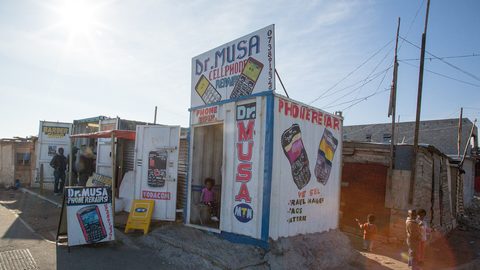
Internal flights on low cost carriers like FlySafair, Airlink, and CemAir are unexpectedly expensive when booked at short notice. Pricing spikes sharply within 7 days of departure. Lowest fares are available 4 to 8 weeks before travel. The Johannesburg Cape Town route is the most competitively priced because it is the highest frequency route in the country. Data bundles on mobile networks are another unexpected cost. Per gigabyte pricing is high relative to many other tourist destinations, and free public WiFi is scarce outside airports and some cafes. Buy a prepaid SIM at the airport on arrival from Vodacom or MTN. RICA registration requires your passport and takes about 10 minutes. Do not leave without it. Rural coverage is patchy and an eSIM alone will not guarantee a signal in remote areas.
Park Fees and the Wild Card
Park entry and conservation fees at SanParks and Ezemvelo KZN Wildlife reserves are the third unexpected cost for non residents. The international visitor rate is a multiple of the South African resident rate. A Wild Card annual pass offers unlimited entry to SanParks and partner reserves for a flat fee with different rates for individuals, couples, and families.
Unexpected Bargains
Wine in restaurants and direct from cellar doors in the Cape Winelands is unexpectedly inexpensive. Long distance luxury buses like Intercape and Greyhound cost a fraction of the equivalent European fare for reclining seats and onboard facilities. Guided township tours and community based walking tours are structurally cheap.
Where the Money Goes: Long-Haul Flight as Sunk Cost
The minimum suggested stay is 14 days. That is not arbitrary. Anything less forces you to choose between Cape Town, the Garden Route, and one safari zone, making the long haul flight hard to justify. A 10 day trip that tries to cover Johannesburg, Kruger, the Garden Route, and Cape Town turns into a blur of one night stops and highway fatigue. That is the most common mistake travellers make. The flight cost is identical whether you stay 7 days or 21, so your per day outlay drops as your trip lengthens. If you cannot stay the full 14 days, drop one region entirely rather than compressing all of them.
Self-Drive vs Flying Between Hubs
Self driving a rental car is the dominant way to actually see the country. The transport budget to mid range price ratio means a rental car base rate plus fuel costs 3 to 6 times the equivalent intercity bus ticket for the same route. Internal flights cost 5 to 10 times the bus fare when booked in advance, and that ratio widens at short notice. The Baz Bus hop on hop off service runs from Johannesburg or Pretoria to Cape Town via the Drakensberg, Durban, and the Garden Route with door to door hostel pickup and drop off. It operates on a pass system that lets you skip the driving without flying. Minibus shared taxis are the cheapest per kilometre transport, but routes are unmarked and require local knowledge to navigate. Long distance coaches on Intercape, Greyhound, and Eagle Liner serve major city pairs with overnight and daytime services at a fraction of the cost of a rental car.

Food: the Category Where You Control the Spend
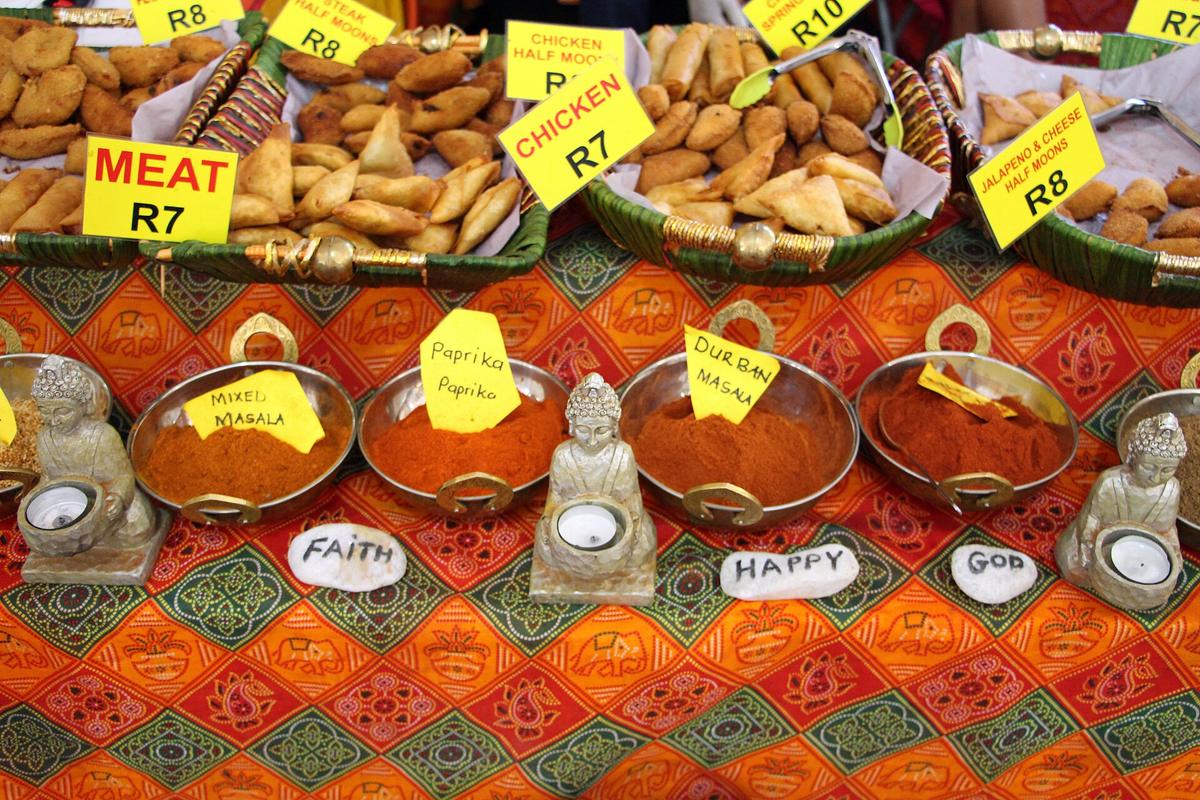
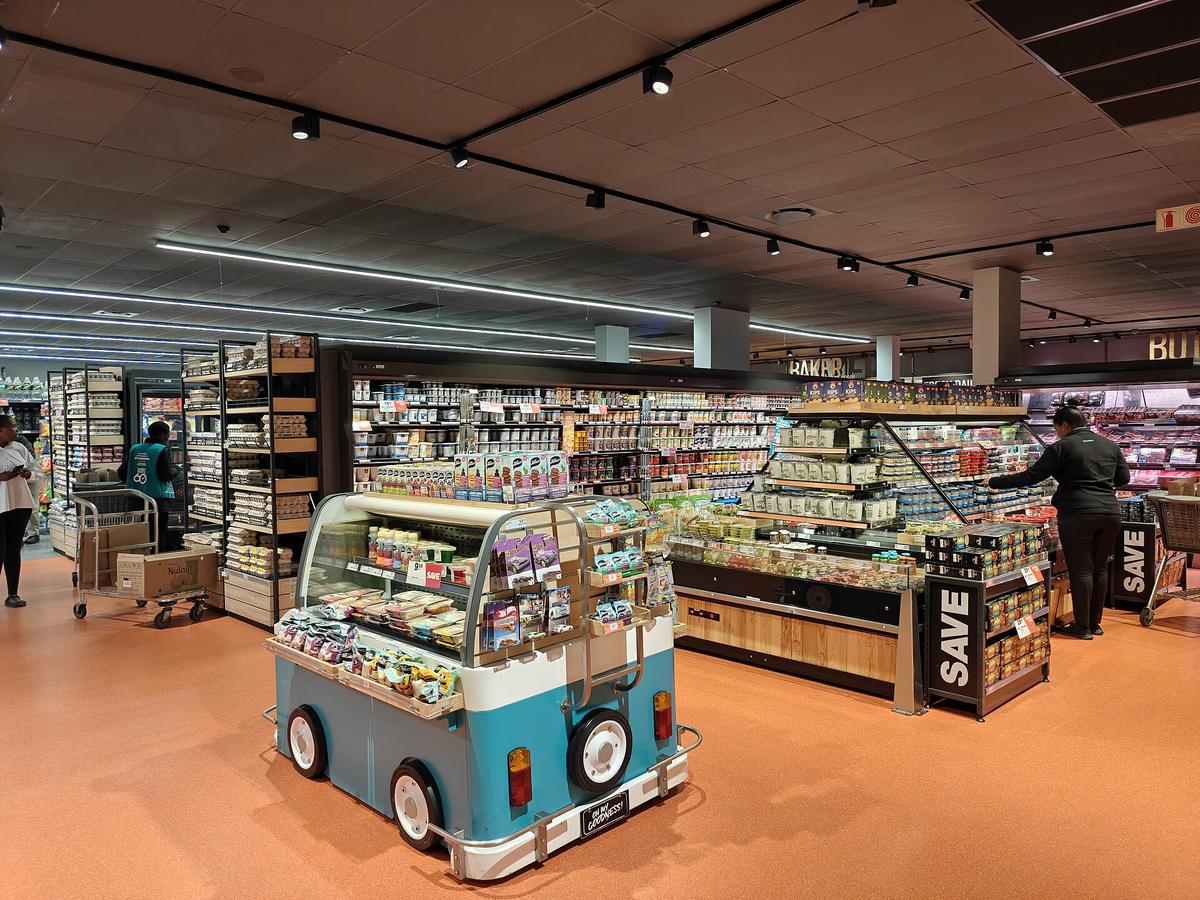
Food is the cheapest major cost category. Self catering from supermarkets keeps daily spending low, especially in Kruger rest camps where each unit has a kitchen or kitchenette. Eating at local cafes and markets is structurally inexpensive relative to most Western countries. A braai at a township shisa nyama like Mzoli's in Gugulethu works on a buy meat, they grill it model. Cape Malay curry in Bo Kaap, a foot long Gatsby stuffed with chips and steak, and a bunny chow hollowed bread filled with Durban curry are all cheap eats. Biltong and droëwors from farm stalls along any highway make for zero preparation meals during long drives. The cost spike comes when you eat three restaurant meals a day in tourist zones or private lodges where full board is built into the room rate.
Peak Season, Shoulder Season, and the December Corridor
When to Avoid
The peak tourist season runs December to February and July. The December to January school holidays see coastal towns fully booked and prices double. July is peak safari season in Kruger and the northern reserves with dry, cool weather and prime game viewing. The window to avoid is December 15 to January 10, when coastal accommodation is scarce, roads are congested, and prices are at their annual maximum. Also avoid Easter weekend, when domestic travel spikes hard.
Best Times for Game and Coast
The best compromise for game viewing is May through September, the dry winter months when vegetation thins and animals concentrate at water sources. For Cape Town weather, late summer February to April offers warmth, low wind, and fewer crowds than December and January. Whale watching season along the southern coast runs June through November, peaking August to October. The wildflower bloom in Namaqualand and the West Coast runs August to September, but duration and intensity vary with winter rainfall.
Local Friction That Reshapes Your Budget
Load shedding hits daily, affecting traffic lights, restaurants, and accommodation. Download the EskomSePush app to track your area schedule. Cash is rarely used in cities, but rural fuel stations and informal vendors often reject international cards, so you must carry rand. Petrol stations are full service only. Tipping the attendant 5 to 10 rand is expected. State your fuel type and amount clearly. Google Maps will sometimes route you through informal settlements or unsafe areas on the shortest path. Stick to major routes and ask locals. Tap water is safe in cities but not in many rural areas and game reserves, so carry purification tablets or buy sealed water. The risk of violent crime is concentrated in specific urban areas and townships. Opportunistic theft like smash and grab from vehicles and pickpocketing occurs in urban centres and at traffic intersections. Risk runs structurally higher after dark in central business districts of Johannesburg, Durban, and Pretoria.
The One Decision That Makes or Breaks Your Budget
Book a private lodge in a reserve adjoining Kruger for three nights, and that stay alone can cost more than the entire two week budget of a traveller who self drives and stays in SanParks rest camps. Neither is wrong. You must decide which category you want to spend on before you arrive. Last minute upgrades from self drive to private lodge are expensive. Last minute downgrades from private lodge to rest camp may not be possible if the camp is full. Kruger rest camps can be booked up to 11 months ahead and sell out during peak season. The visitor who arrives without accommodation bookings for the December corridor and tries to find a rest camp unit or a private lodge room on arrival will pay the highest rates for whatever is left. Often that is nothing. Book accommodation before the flight. That is the single most practical thing you should do next.
Common Questions
What is the cheapest way to see wildlife in South Africa?
Self driving in SanParks reserves like Kruger National Park and staying in rest camp self catering units. You pay a per vehicle entry fee plus a per person conservation fee at the international visitor rate, which is still multiple times lower than the per person per night rate of a private lodge.
How much should I budget for car rental and fuel in South Africa?
A rental car base rate plus fuel costs 3 to 6 times the equivalent intercity bus ticket for the same route. Fuel prices are regulated and reset monthly by the Department of Mineral Resources and Energy, with inland prices lower than coastal prices because of a transport levy.
Is it cheaper to fly or drive between South African cities?
Internal flights cost 5 to 10 times the bus fare when booked 4 to 8 weeks in advance, but that ratio widens sharply within 7 days of travel. For the Johannesburg Cape Town route, flying is the most competitively priced because it is the highest frequency route, but driving is still cheaper for two or more people.
What is the most expensive time to visit South Africa?
The December 15 to January 10 school holiday corridor, when coastal accommodation is scarce, roads are congested, and prices are at their annual maximum. July is also peak season for safari, with dry weather and prime game viewing, but the December corridor is significantly more expensive for coast and city stays.
How do I pay for things in rural South Africa?
Cash in South African rand is required at rural fuel stations and informal vendors because they often reject international cards. In cities, credit cards with chip and PIN are standard. Carry enough rand to cover fuel, tolls, and market purchases for the entire rural stretch of your route.
Read next
-
 Staying connected in South Africa with eSIM, local SIM, or both
Why an eSIM alone fails in rural South Africa and how to combine it with a physical Vodacom or MTN SIM registered at the airport.
Staying connected in South Africa with eSIM, local SIM, or both
Why an eSIM alone fails in rural South Africa and how to combine it with a physical Vodacom or MTN SIM registered at the airport.
-
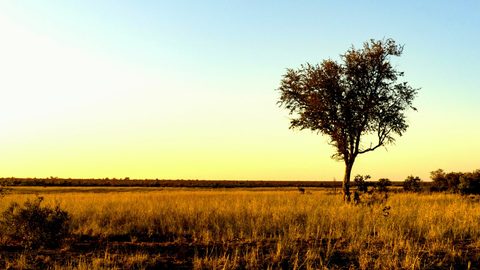 Best Time to Visit South Africa by Season and Region
When to go to South Africa, from Kruger's dry-season game viewing in July to Cape Town's summer crowds and the December school holiday price spike.
Best Time to Visit South Africa by Season and Region
When to go to South Africa, from Kruger's dry-season game viewing in July to Cape Town's summer crowds and the December school holiday price spike.
-
 Getting Around South Africa, Self-Drive, Flights, and the Baz Bus
Self-driving a rental car is how most travellers see South Africa. What connects where, when to fly, and what the map oversells about public transport.
Getting Around South Africa, Self-Drive, Flights, and the Baz Bus
Self-driving a rental car is how most travellers see South Africa. What connects where, when to fly, and what the map oversells about public transport.
-
 South Africa Visa Requirements and the Application Process
Who needs a visa for South Africa, which nationalities are exempt, and what documents border officials will ask for.
South Africa Visa Requirements and the Application Process
Who needs a visa for South Africa, which nationalities are exempt, and what documents border officials will ask for.
-
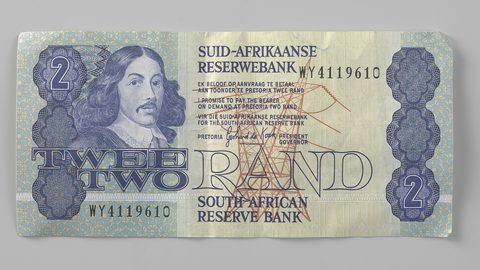 Money in South Africa, Rand, Cards, and Where Cash Still Wins
South African rand, credit cards, and where cash still wins. Why your international card may fail at rural fuel stations and how much cash to carry.
Money in South Africa, Rand, Cards, and Where Cash Still Wins
South African rand, credit cards, and where cash still wins. Why your international card may fail at rural fuel stations and how much cash to carry.
-
 South Africa Safety Advice Without the Hysteria
How to read safety advice about South Africa without being misled. The protocols locals follow, the risks that are real, and how to travel safely.
South Africa Safety Advice Without the Hysteria
How to read safety advice about South Africa without being misled. The protocols locals follow, the risks that are real, and how to travel safely.
-
 A Ground-Level Logistics Guide to Independent Travel in China
First-time independent travel in China: what you need to know about visas, rail booking, eSIMs, mobile payments, and power adapters.
A Ground-Level Logistics Guide to Independent Travel in China
First-time independent travel in China: what you need to know about visas, rail booking, eSIMs, mobile payments, and power adapters.
-
 How Solo Travelers Stay Ahead of Flight Delays and Cancellations
How solo travelers can track inbound aircraft, claim rebooking rights, and adjust ground transport when flights go wrong — step by step.
How Solo Travelers Stay Ahead of Flight Delays and Cancellations
How solo travelers can track inbound aircraft, claim rebooking rights, and adjust ground transport when flights go wrong — step by step.
-
 Why Your eSIM Might Not Work Abroad and How to Check Before You Go
Buying an eSIM doesn't guarantee signal abroad. Learn why coverage fails by location and how to verify reach before you commit to a plan.
Why Your eSIM Might Not Work Abroad and How to Check Before You Go
Buying an eSIM doesn't guarantee signal abroad. Learn why coverage fails by location and how to verify reach before you commit to a plan.