South Africa Safety Advice for Travellers in Context
How to read safety advice about South Africa without being misled. The protocols locals follow, the risks that are real, and how to travel safely.
Reading Safety Advice About South Africa Honestly
You lock your rental car doors the second you get in. You keep your phone in your pocket, not your hand, at a traffic light. You ask your guesthouse host which streets to avoid after dark. That constant low level vigilance about personal safety is the reality of travelling here, and pretending otherwise does no one any favours. South Africa safety advice for travellers is what a local would give a visiting friend. It names the risks, explains the protocols, and leaves out the hysteria. Millions of visitors complete their trips each year without incident by following exactly what follows.
Is South Africa Safe for Tourists?
South Africa is safe for tourists who treat their own safety as an active responsibility, not a passive hope. The country has high rates of violent crime, but nearly all of it is concentrated in areas tourists have no reason to visit and at times when a well informed traveller is not there. The risk you actually face is opportunistic theft: a bag lifted from an unlocked car, a phone grabbed on a quiet street, a smash and grab at an intersection where you left your window down. These are crimes of convenience, not targeted violence. The defence is straightforward and consistent: keep valuables out of sight, keep doors locked while driving, and never walk alone at night in any urban area. Follow those three rules and you reduce the majority of what can go wrong.
,_Wale_Street_--_2024_--_3536.jpg)
South Africa Self Drive Safety Tips
Route Planning And Road Discipline
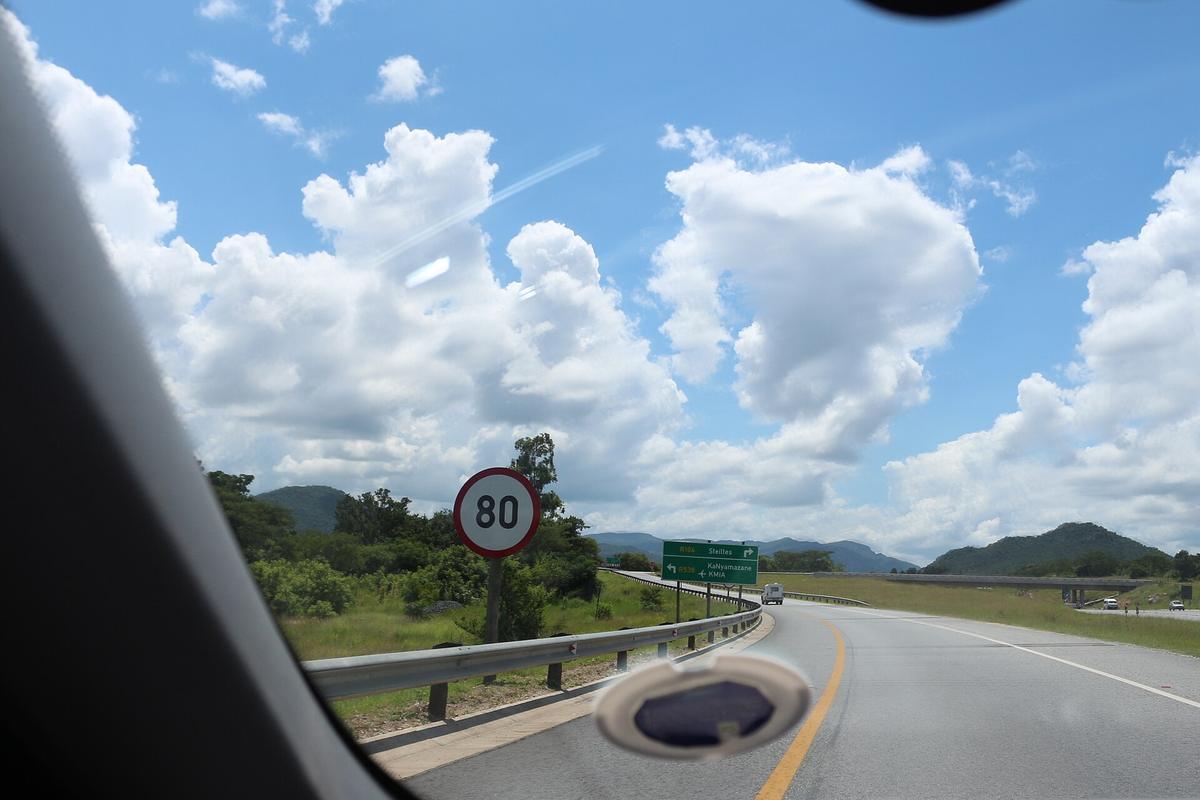
Self driving is the best way to see the country, but it introduces specific risks that flying does not. Stick to major routes. Google Maps will sometimes route you through informal settlements or unsafe areas on the shortest path. Ignore that suggestion and use the main road even if it adds 15 minutes. Never stop for anyone who flags you down on a highway. Drive past and call 10111 from a safe distance.
Fuel, Breakdowns And Timing
Fill your tank during daylight hours in towns, not at isolated rural stations after dark. If you break down, stay in the locked car with windows up and call your rental company or roadside assistance. Do not accept help from passersby. The failure case is a solo breakdown at dusk on a quiet road. Avoid that by leaving major towns no later than 15:00 so you arrive before dark.
| Situation | What You Do |
|---|---|
| Satnav routes through an unknown area | Stick to national roads, not shortcuts |
| Traffic light turns red at night | Slow down well before and look for other cars before stopping fully |
| Fuel station attendant approaches | State your fuel type and amount clearly, tip R5 to R10 |
| Attendant says international card is rejected | Pay cash in South African rand, rural stations often reject foreign cards |
| Your licence is in English with a photo | You do not need an IDP; take it home for up to 12 months |
Johannesburg Safety Precautions
Getting Around The City
Johannesburg is where the safety advice gets most specific, because the city is where the inequality is most visible and the layout is built for cars, not pedestrians. Do not walk anywhere in the city after dark. That includes the streets around restaurants in Melville and the bars in Braamfontein. Take an Uber or a Bolt for any trip after 18:00. Lock your car doors the moment you get in and keep windows closed at intersections. Keep bags, phones, and cameras out of sight on the passenger seat.
Key Sites And Airport Transfers
The Apartheid Museum and Constitution Hill are worth the trip, but drive directly there and drive directly back. Ask your hotel which routes to use. The Gautrain between OR Tambo and Sandton is safe, cheap at about R200, and runs until 20:00. Use it for airport transfers instead of a rental car if you are staying in Sandton.
South Africa Smash and Grab Prevention
Smash and grab theft at intersections is the most common crime affecting travellers. A thief smashes your side window and takes anything visible on the seat, then disappears on foot or a motorcycle before you can react. Prevention is mechanical. Keep all bags, electronics, shopping, and even jackets in the boot before you start driving. Do not put anything on the passenger seat at a traffic light. Keep windows up and doors locked. At a red light, leave enough space between you and the car ahead to pull around if someone approaches aggressively. This is not paranoia. This is the same set of habits every resident of the city uses every day. Do it for the whole trip and it becomes automatic. In Cape Town, the same risk exists on the N2 near the airport and around the Cape Flats. Apply the same rule everywhere.

Practical Safety Protocols Locals Follow
On Arrival And On The Street
Ask your accommodation staff about area specific risks on the day you arrive. The situation changes by street and by season. They know which block to avoid and which intersection had incidents last week. Follow their advice without negotiation. Carry cash in small denominations for rural fuel stations that reject international cards. Nothing else goes in your pockets. Leave your passport in the hotel safe and carry a photocopy.
Daily Habits That Remove Risk
Do not wear expensive jewellery or watches. Do not use your phone on the street. Do not pull cash out at an ATM after dark. These are not restrictions specific to Cape Town or Johannesburg; they apply everywhere. The tone here is not dramatic. It is the same tone a host uses when a guest arrives. This sounds like a lot of rules, but after two days they become second nature.
What the Destinations Actually Mean for Safety
Do not try to cover Johannesburg, Kruger, the Garden Route, and Cape Town in 10 days. That turns the trip into a blur of one night stops and highway fatigue, and fatigue is what causes you to leave a bag on a seat or forget to lock a door. Budget 14 days minimum. That is the time needed to absorb the safety protocols along with the scenery.
Common Questions
Can I walk around Cape Town city centre during the day?
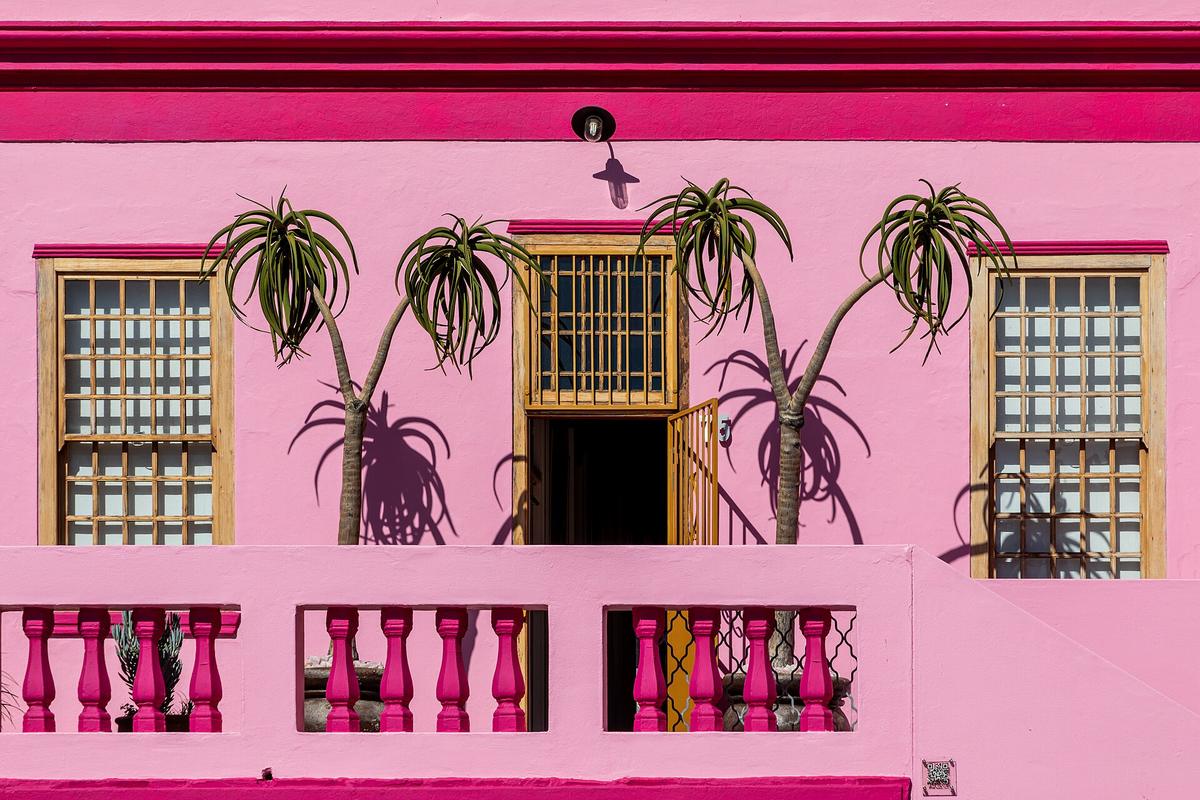
Yes, in daylight and on main streets like Long Street, Bree Street, and the V&A Waterfront. Keep your phone in your pocket and carry only what you need. Do not walk alone after dark anywhere in the city. Take an Uber or a Bolt.
Is it safe to drive the Garden Route?
The Garden Route is one of the safest self drive corridors in the country. The N2 is well maintained and the towns are small. Lock your car at viewpoints and never leave bags visible on seats. Fill your tank in George or Knysna before heading into the smaller coastal stops.
Should I rent a car in Johannesburg?
A rental car gives you freedom, but use it only to drive between destinations and park in secure garages. For evening trips take Uber or Bolt. Street parking is not safe in the city. Some hotels have guarded parking for about R50 a night.
What is load shedding and how does it affect safety?
Load shedding is rolling blackouts that hit daily. Traffic lights go out, security gates at accommodation may not open, and street lights go dark. Download the EskomSePush app to track your schedule. Carry a torch. Treat a dark intersection as a four way stop and proceed with caution.
Is tap water safe to drink in South Africa?
Tap water is safe in major cities like Cape Town, Johannesburg, and Durban. In rural areas and game reserves the water may be untreated borehole water. Carry purification tablets or buy sealed water. Most safari lodges provide bottled water.
Do I need a visa or a yellow fever vaccination?
Citizens of about 100 countries are exempt for stays up to 90 days. Check the current exemption list because it changes annually and the Department of Home Affairs publishes the one in force. A yellow fever vaccination certificate is required if you arrive from or transit through a yellow fever risk country.
What do I do if I am stopped by police?
Keep your doors locked and lower the window only a few centimetres. Hand over your licence and rental documents through the gap. Ask for the officer's name and badge number if you are unsure. Do not leave the car. Unofficial checkpoints exist; if you feel unsafe, keep driving to the nearest police station.
Read next
-
 Staying connected in South Africa with eSIM, local SIM, or both
Why an eSIM alone fails in rural South Africa and how to combine it with a physical Vodacom or MTN SIM registered at the airport.
Staying connected in South Africa with eSIM, local SIM, or both
Why an eSIM alone fails in rural South Africa and how to combine it with a physical Vodacom or MTN SIM registered at the airport.
-
 Best Time to Visit South Africa by Season and Region
When to go to South Africa, from Kruger's dry-season game viewing in July to Cape Town's summer crowds and the December school holiday price spike.
Best Time to Visit South Africa by Season and Region
When to go to South Africa, from Kruger's dry-season game viewing in July to Cape Town's summer crowds and the December school holiday price spike.
-
 Getting Around South Africa, Self-Drive, Flights, and the Baz Bus
Self-driving a rental car is how most travellers see South Africa. What connects where, when to fly, and what the map oversells about public transport.
Getting Around South Africa, Self-Drive, Flights, and the Baz Bus
Self-driving a rental car is how most travellers see South Africa. What connects where, when to fly, and what the map oversells about public transport.
-
 South Africa Visa Requirements and the Application Process
Who needs a visa for South Africa, which nationalities are exempt, and what documents border officials will ask for.
South Africa Visa Requirements and the Application Process
Who needs a visa for South Africa, which nationalities are exempt, and what documents border officials will ask for.
-
 Money in South Africa, Rand, Cards, and Where Cash Still Wins
South African rand, credit cards, and where cash still wins. Why your international card may fail at rural fuel stations and how much cash to carry.
Money in South Africa, Rand, Cards, and Where Cash Still Wins
South African rand, credit cards, and where cash still wins. Why your international card may fail at rural fuel stations and how much cash to carry.
-
 What a trip to South Africa costs and where the money actually goes
Understand how a South Africa trip budget actually works: the fixed costs, the daily variables, and why the flight makes a short trip poor value.
What a trip to South Africa costs and where the money actually goes
Understand how a South Africa trip budget actually works: the fixed costs, the daily variables, and why the flight makes a short trip poor value.
-
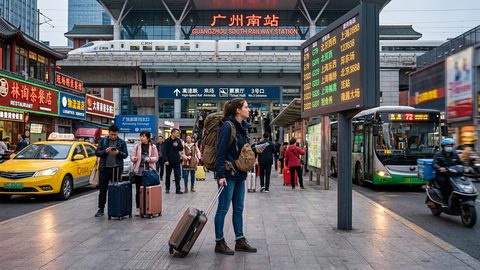 A Ground-Level Logistics Guide to Independent Travel in China
First-time independent travel in China: what you need to know about visas, rail booking, eSIMs, mobile payments, and power adapters.
A Ground-Level Logistics Guide to Independent Travel in China
First-time independent travel in China: what you need to know about visas, rail booking, eSIMs, mobile payments, and power adapters.
-
 How Solo Travelers Stay Ahead of Flight Delays and Cancellations
How solo travelers can track inbound aircraft, claim rebooking rights, and adjust ground transport when flights go wrong — step by step.
How Solo Travelers Stay Ahead of Flight Delays and Cancellations
How solo travelers can track inbound aircraft, claim rebooking rights, and adjust ground transport when flights go wrong — step by step.
-
 Why Your eSIM Might Not Work Abroad and How to Check Before You Go
Buying an eSIM doesn't guarantee signal abroad. Learn why coverage fails by location and how to verify reach before you commit to a plan.
Why Your eSIM Might Not Work Abroad and How to Check Before You Go
Buying an eSIM doesn't guarantee signal abroad. Learn why coverage fails by location and how to verify reach before you commit to a plan.