Essential South Africa Currency and Payment Tips
South African rand, credit cards, and where cash still wins. Why your international card may fail at rural fuel stations and how much cash to carry.
Paying for Things Across South Africa
Most first-time visitors assume South Africa runs on plastic everywhere. In Cape Town's V&A Waterfront or Sandton's malls, that is true. But the payment reality splits hard between urban and rural, and the rural side is where travellers on the classic Johannesburg-to-Kruger-and-the-Garden-Route loop spend half their trip. You need rand currency in your pocket before you leave the city.
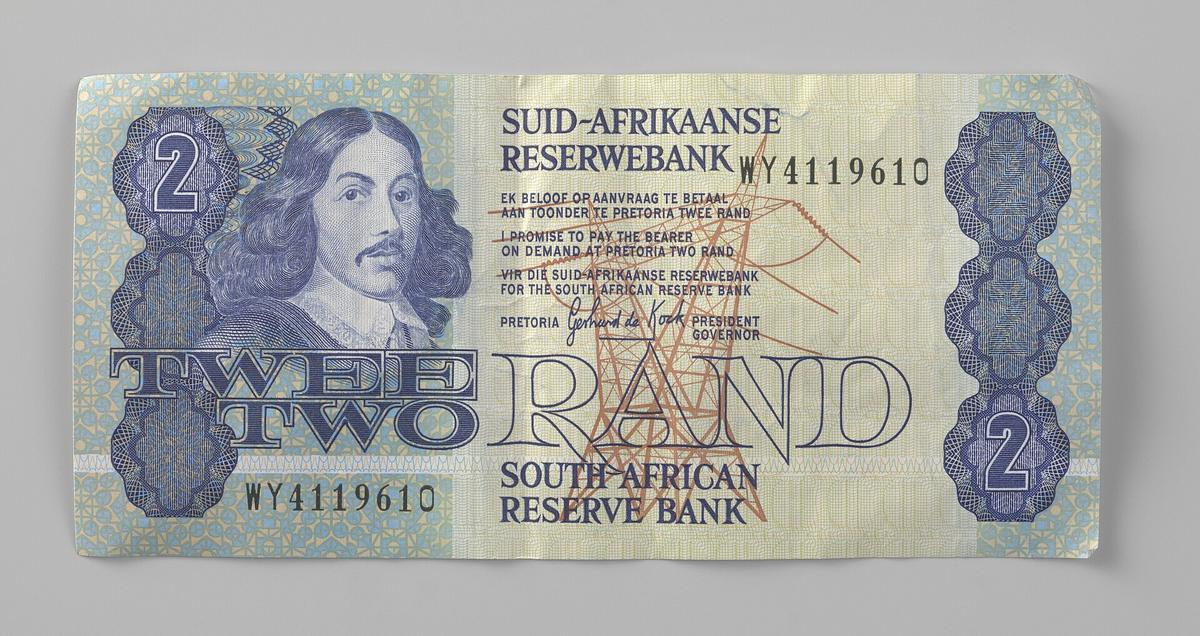
The South African rand (ZAR, symbol R) is the only currency that matters. Banknotes come in R10, R20, R50, R100 and R200. Coins are 10c, 20c, 50c, R1, R2 and R5. Exchange rates fluctuate, but a rough rule: divide the rand amount by 18 to get a sense in US dollars, by 21 for euros, or by 23 for pounds sterling. Check the live ZAR per USD, ZAR per EUR, or ZAR per GBP quote from your bank or XE before you leave.

Using Credit Cards in South Africa
Visa and Mastercard work at nearly every terminal that accepts cards. American Express and Diners Club are limited to high-end hotels, certain restaurants, and tourist-chain retailers. In city restaurants, supermarkets, and mall shops, contactless tap-to-pay works with Apple Pay, Google Pay, Samsung Pay, SnapScan or Zapper. There is no legal minimum for card transactions, but some small merchants impose a R10 to R50 floor.
The catch is the chip-and-PIN requirement. All point-of-sale terminals expect a chip card and a four-digit PIN. If your card is the old swipe-and-sign kind, or if your issuer does not send a PIN for purchases, the terminal will decline. Notify your bank before departure that you are travelling. Confirm that your card has a chip and that you have a working PIN for it. Contactless payments on a phone or watch bypass the PIN only for small amounts; larger purchases still prompt for it.
Decline Dynamic Currency Conversion
Dynamic currency conversion (DCC) appears on some terminals and ATMs. The screen offers to charge you in your home currency at a "guaranteed exchange rate." Decline it every time. The markup is 3 to 8 percent over the network rate, and the actual conversion handled by your bank will be cheaper. When the terminal asks, select ZAR (or rand) as the transaction currency.
South African Rand Cash Needs
How Much Cash To Carry
For a self-drive trip, carry a few thousand rand in small notes per person for the legs outside major cities. That covers fuel stops where cards fail, farm stalls, informal vendors, and tips for petrol attendants, car guards, and guides. In cities you can use cards for almost everything, but once you leave the metropoles the situation flips.
ATMs and Where To Use Them
ATMs are widespread in cities, towns, shopping malls, and at major petrol stations. In deep rural areas they are sparse, limited to larger villages. Withdrawal limits depend on your issuing bank and the local machine's per-transaction cap, which commonly runs R2,000 to R5,000. The ATM screen asks for your language, then account type (choose cheque or current, not savings for most foreign cards), then the amount. Use ATMs inside banks, malls, or well-lit forecourts. Avoid isolated street-side machines after dark. Card skimming exists; chip cards reduce the risk but do not eliminate it.
Cash-Only Zones
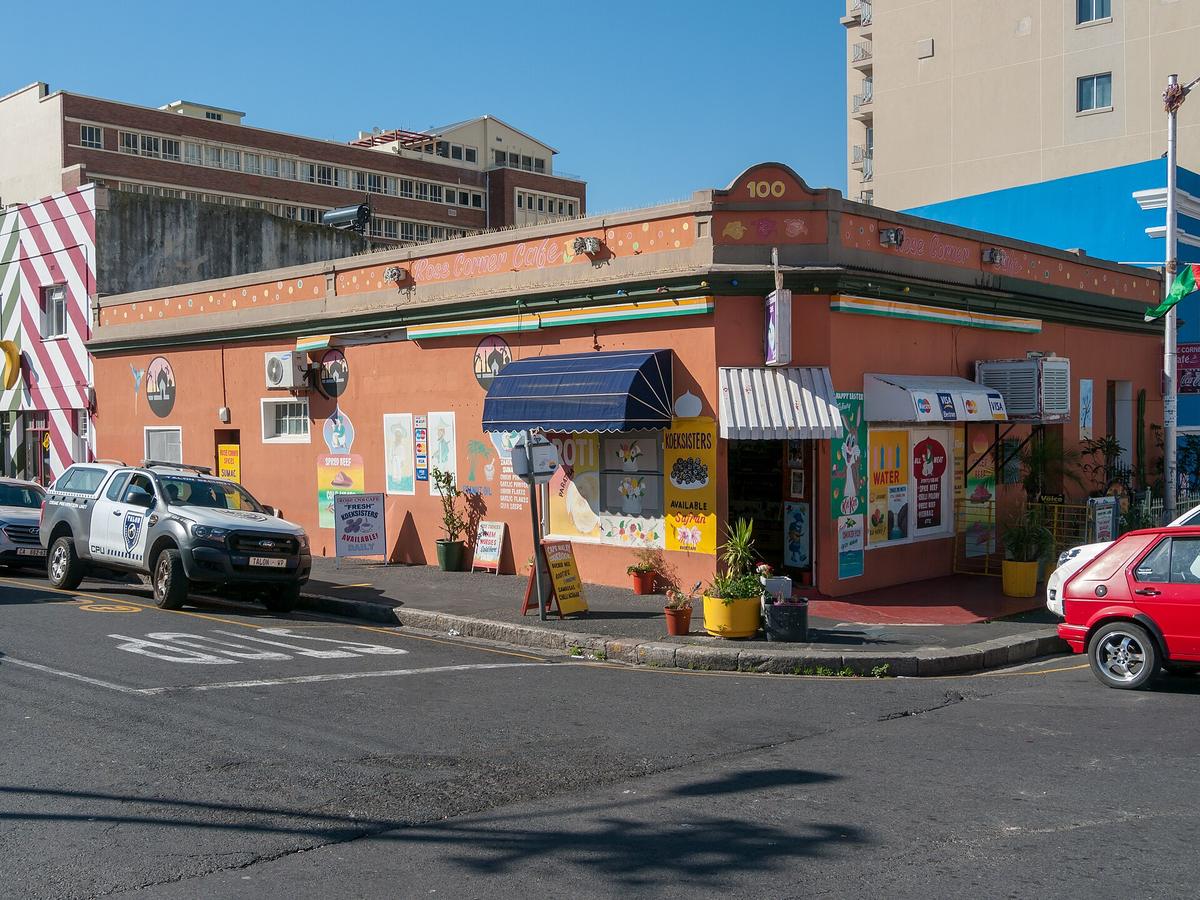
Informal markets, township eateries, farm stalls along highways, and many rural fuel stations accept only rand cash. The Gatsby takeaway in Cape Town's southern suburbs might take a card; the biltong and droëwors stall near the N2 outside Knysna will not. Budget for these stops in small denominations. R20 and R50 notes are the most useful. Coins matter for tipping car guards and rounding up small purchases.
Tipping in South Africa
Tipping norms are more extensive than most visitors expect. The economy depends on them, and the amounts are small enough that skipping them reads as rude. Budget in rand cash unless noted.
Restaurants and Bars
Tip 10 to 15 percent of the bill total. You can add it on the card terminal before entering your PIN, or leave cash. For groups of eight or more guests, a service charge of 10 to 15 percent is often added automatically; check the bill before tipping on top. In bars, round up or leave R10 to R20 per round rather than calculating a percentage.
Petrol Station Attendants
Every fuel station is full-service. You stay in the car. The attendant fills the tank, checks the oil, and cleans the windscreen. Tip R5 to R20 for a fill-up. R10 is the standard for a straight fuel stop. If they clean windows and check tyre pressure, go to R15 or R20. State your fuel type and the amount clearly when you hand over the cash or card.
Car Guards
Car guards are informal parking attendants who watch your vehicle in public lots and on streets. Tip R5 to R20 on return, depending on the location and how long you parked. In busy city centres or after dark, R10 to R20 is appropriate. In quieter suburbs, R5 is fine. They do not work for the property owner; they rely entirely on tips.
Hotel Porters and Guides
Porters: R20 to R50 per bag or service event. Safari guides and trackers: R100 to R300 per guest per day for the guide, R50 to R150 per guest per day for the tracker, given in cash at the end of the stay. Day-trip tour guides: R50 to R100 per person per half-day, R100 to R200 per person per full day. Foreign currency tips are accepted in major tourist areas but are less practical; hand over rand.
.jpg)
International Card Problems at Fuel Stations
This is the single most common payment failure, and the one that strands travellers. Many fuel stations in rural areas, including the ones on the road to Kruger, along the Garden Route east of Mossel Bay, and on the N4 toward the Botswana border, do not accept international cards at the pump. The terminal rejects the card, or the attendant tries three times and gives up. You have no fuel and the next station is 80 km away.
The fix is simple: carry enough rand cash to cover a full tank plus a margin. A full tank for a standard rental sedan costs a few hundred to over a thousand rand depending on the vehicle and fuel price. Budget for R1,500 per fill-up to be safe. In towns and along major national highways like the N1 and N2, the branded stations (Shell, Engen, TotalEnergies, Sasol) in larger towns nearly always take international cards. The problem stations are the independent ones in small settlements, the ones near reserve gates, and the ones on remote stretches where the card machine is off-line or the owner has disabled international transactions because of fraud chargebacks.
Fill up in a city or large town before you head into a long rural stretch. When you stop at a station that looks marginal, ask the attendant "Do you accept international Visa or Mastercard?" before he starts pumping. If the answer is no, you still have cash. If you are caught short with no cash and a declining card, ask the attendant or another customer if there is an ATM nearby. The nearest machine may be 20 km back.
One More Thing About Payment in South Africa
The VAT refund scheme for foreign visitors, run by the VAT Refund Administrator (VRA), requires original tax invoices for goods over R250 purchased from VAT-registered vendors. Present the goods, your passport, and your boarding pass at designated desks before check-in at OR Tambo, Cape Town International, or King Shaka International. Services, accommodation, and meals consumed on site are excluded. The refund is 15 percent of the purchase price minus an administration fee. Do not pack the items in checked luggage until after the inspection.
No payment system works 100 percent of the time. Load shedding can knock out card terminals. Rural ATMs run dry. A small farm stall may have no change for a R200 note. Carry a mix of small notes, a chip-and-PIN card, and a phone with a contactless wallet. The combination covers every situation except the one you did not plan for, and that one is almost always the rural petrol station on a Sunday afternoon with 80 km of road ahead.
Common Questions
Can I use my phone to pay everywhere in South Africa?
No. Apple Pay, Google Pay, and Samsung Pay work at contactless terminals in cities and towns. In rural areas and at informal vendors, the terminal either does not exist or does not support contactless. Carry your physical chip-and-PIN card and rand cash as backups.
Is it safe to carry that much rand cash?
Carry only what you need for the day or the next driving leg. Use the hotel safe for the rest. Avoid flashing cash in public. A few thousand rand in small notes in a front pocket or money belt is the standard for self-drive travellers and does not draw attention.
What do I do if my card is blocked or stolen?
Call your bank immediately using the number you saved before departure. South Africa has branches of all major international banks. Your hotel or safari lodge can help you reach the closest branch for a cash advance against your card if the block is temporary.
Do I need to tip in cash or can I add it to the card payment?
Restaurants and bars accept tips on the card terminal. For petrol attendants, car guards, porters, and guides, cash is expected. Safari guides and trackers receive tips in cash at the end of the stay; do not rely on a card.
Will my card work at Kruger National Park rest camps?
SANParks rest camps inside Kruger accept Visa and Mastercard at reception, restaurants, and shops. The fuel stations inside the park also take cards, but the machines sometimes go off-line. Carry cash for the fuel station to avoid being stuck.
Read next
-
 Staying connected in South Africa with eSIM, local SIM, or both
Why an eSIM alone fails in rural South Africa and how to combine it with a physical Vodacom or MTN SIM registered at the airport.
Staying connected in South Africa with eSIM, local SIM, or both
Why an eSIM alone fails in rural South Africa and how to combine it with a physical Vodacom or MTN SIM registered at the airport.
-
 Best Time to Visit South Africa by Season and Region
When to go to South Africa, from Kruger's dry-season game viewing in July to Cape Town's summer crowds and the December school holiday price spike.
Best Time to Visit South Africa by Season and Region
When to go to South Africa, from Kruger's dry-season game viewing in July to Cape Town's summer crowds and the December school holiday price spike.
-
 Getting Around South Africa, Self-Drive, Flights, and the Baz Bus
Self-driving a rental car is how most travellers see South Africa. What connects where, when to fly, and what the map oversells about public transport.
Getting Around South Africa, Self-Drive, Flights, and the Baz Bus
Self-driving a rental car is how most travellers see South Africa. What connects where, when to fly, and what the map oversells about public transport.
-
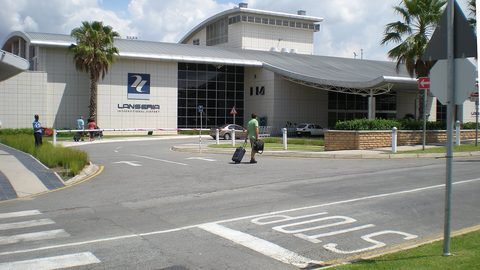 South Africa Visa Requirements and the Application Process
Who needs a visa for South Africa, which nationalities are exempt, and what documents border officials will ask for.
South Africa Visa Requirements and the Application Process
Who needs a visa for South Africa, which nationalities are exempt, and what documents border officials will ask for.
-
 South Africa Safety Advice Without the Hysteria
How to read safety advice about South Africa without being misled. The protocols locals follow, the risks that are real, and how to travel safely.
South Africa Safety Advice Without the Hysteria
How to read safety advice about South Africa without being misled. The protocols locals follow, the risks that are real, and how to travel safely.
-
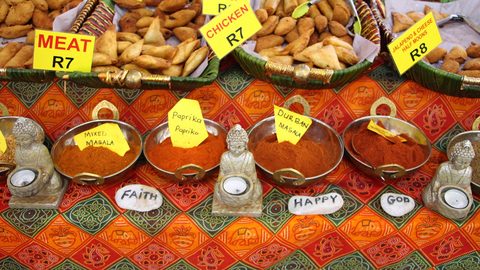 What a trip to South Africa costs and where the money actually goes
Understand how a South Africa trip budget actually works: the fixed costs, the daily variables, and why the flight makes a short trip poor value.
What a trip to South Africa costs and where the money actually goes
Understand how a South Africa trip budget actually works: the fixed costs, the daily variables, and why the flight makes a short trip poor value.
-
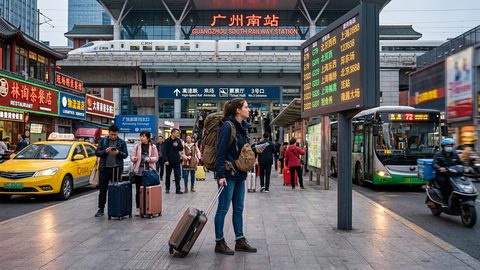 A Ground-Level Logistics Guide to Independent Travel in China
First-time independent travel in China: what you need to know about visas, rail booking, eSIMs, mobile payments, and power adapters.
A Ground-Level Logistics Guide to Independent Travel in China
First-time independent travel in China: what you need to know about visas, rail booking, eSIMs, mobile payments, and power adapters.
-
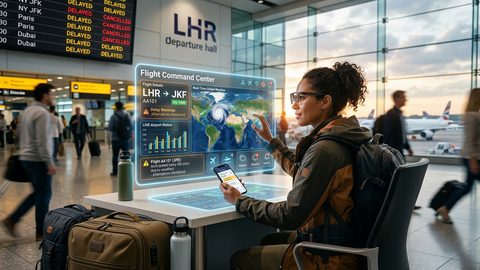 How Solo Travelers Stay Ahead of Flight Delays and Cancellations
How solo travelers can track inbound aircraft, claim rebooking rights, and adjust ground transport when flights go wrong — step by step.
How Solo Travelers Stay Ahead of Flight Delays and Cancellations
How solo travelers can track inbound aircraft, claim rebooking rights, and adjust ground transport when flights go wrong — step by step.
-
 Why Your eSIM Might Not Work Abroad and How to Check Before You Go
Buying an eSIM doesn't guarantee signal abroad. Learn why coverage fails by location and how to verify reach before you commit to a plan.
Why Your eSIM Might Not Work Abroad and How to Check Before You Go
Buying an eSIM doesn't guarantee signal abroad. Learn why coverage fails by location and how to verify reach before you commit to a plan.