Slovakia Currency and Cards, Where Contactless Wins and Cash Holds On
Slovakia uses the euro, but rural pensions, mountain huts and small bus desks still expect cash, especially outside Bratislava.
How to Pay for Things Across Slovakia
The assumption that the euro makes Slovakia a card-payment country is wrong. Slovakia currency and cards work together, but the balance shifts hard depending on where you are. In Old Town Bratislava you can tap your phone for a coffee; on a timbered ridge in the High Tatras the same purchase requires a crumpled note. The difference is not about technology. It is about terrain, season, and the kind of travel Slovakia rewards.
Slovakia adopted the euro on 1 January 2009. That single fact removes the exchange-rate friction that complicates trips to neighbours like Czechia, Poland or Hungary. You do not calculate spreads or carry a second currency. But the euro does not guarantee acceptance. The question is not what the currency is; it is where and when you can spend it electronically.
Where Cards Work and Where They Do Not
Card terminals are dense in Bratislava, Košice, Žilina and the spa towns of Piešťany and Trenčianske Teplice. They thin out in small villages in Šariš and the northeast, disappear at mountain huts above 1,500 metres, and are absent at many folk festivals and market stalls in rural districts. The practical challenge: knowing how much cash to carry for each region and when to assume the terminal will work.
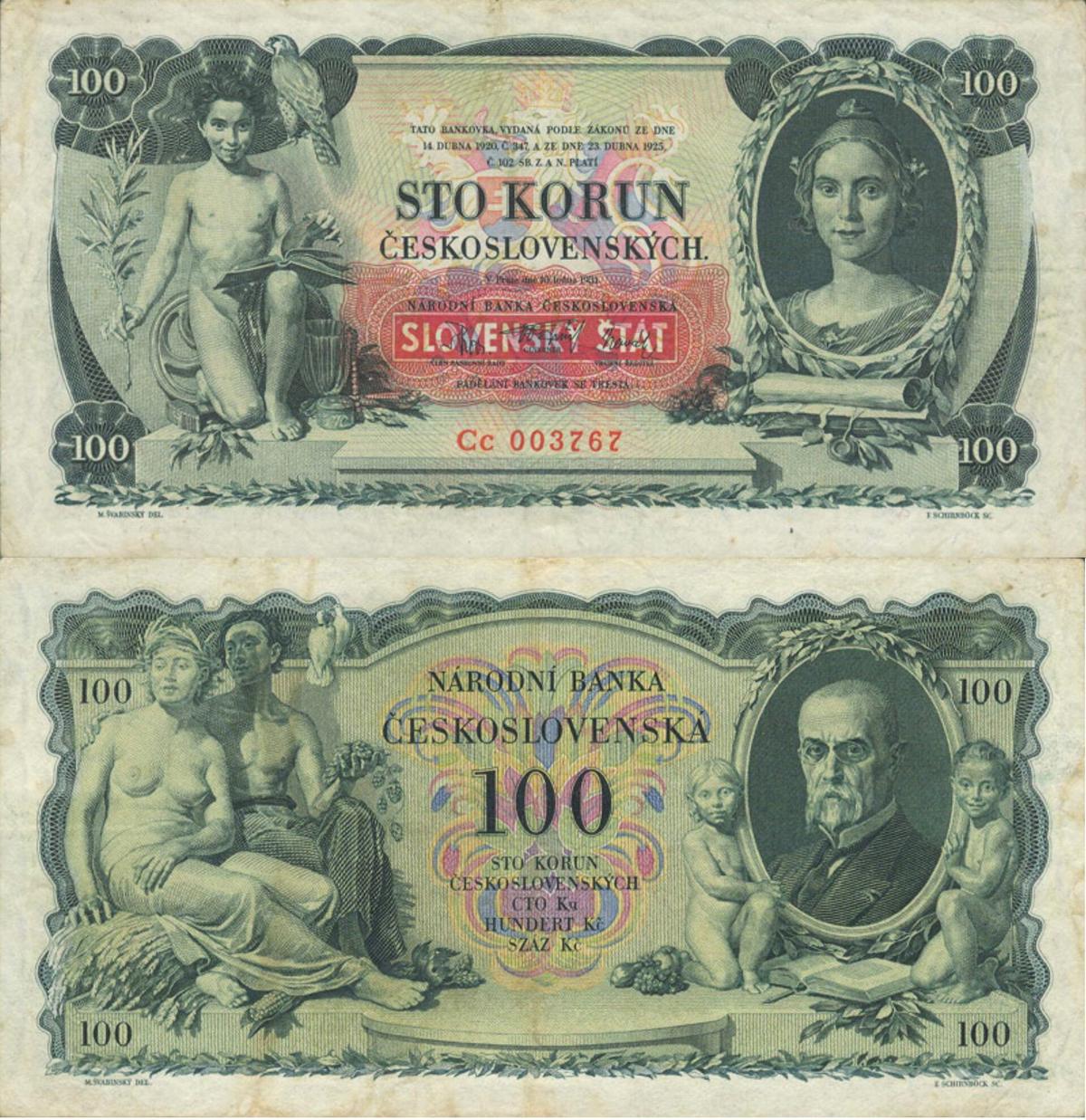

Cash Needed in Slovakia
The rule for cash is per-region, not per-country. In Bratislava Old Town you can survive a full day on one note for a tram ticket and a public toilet. In the High Tatras you need more per person per day if you plan to eat lunch at a mountain hut and buy a local bus ticket. In eastern villages near Bardejov or the wooden churches of the Carpathians you should carry enough for accommodation, meals and entry fees if you do not want to backtrack to an ATM.
Small Notes and Coins
Small bus ticket desks on rural routes often have no terminal at all. You pay the driver, and most drivers cannot change a large note. Keep small notes and a handful of coins. Coins are essential for public toilets in towns and for locker deposits at Bratislava main station and Košice station.
ATMs and Remote Areas
ATMs are available in every town with a population above about 5,000. In remote mountain villages such as Štrbské Pleso or Ždiar you will find one at the bus stop or near the main pension cluster. Inside the national parks, Tatra National Park, Slovak Paradise National Park, machines are sparse or absent. Withdraw before you leave the valley. The same applies to the Demänovská Cave of Liberty access point: the ticket office takes cash and runs a card terminal that fails in wet weather about one visit in four.
Slovakia Euro Card Acceptance
Visa and Mastercard are accepted at most hotels, restaurants, supermarkets and shops in cities. Contactless payment is standard. Apple Pay and Google Pay work wherever contactless cards are accepted. The failure point is not the network, it is the merchant. Independent grocery stores in villages such as Čičmany or Vlkolínec may display a sticker but the terminal battery is dead. Family-run pensions in the Liptov and Orava regions often prefer cash and will tell you only at check-out. Ask at booking, not on arrival.
Dynamic Currency Conversion
Dynamic currency conversion (DCC) is offered at some ATMs and card terminals. If the machine asks whether you want to be charged in your home currency or in euros, choose euros every time. Selecting "without conversion" or "charge in EUR" processes the transaction at the card network rate, which is almost always better than the rate set by the terminal operator. The difference on a withdrawal can be several euros.
Minimum Card Spends
Minimum card spends exist in some small shops and cafés. If you buy one lokše and a coffee at a village stall, pay cash.
Slovak Rural Pensions Cash
Rural pensions are the leading cause of a cash crisis in Slovakia. A pension in a village near Orava Castle, in the Spiš region around Levoča, or in the wooden-church villages of Šariš will often quote a room rate in euros and accept payment only in cash. Some take cards but add a surcharge that is not disclosed on Booking.com or their website. Phone ahead and ask: "Platba kartou možná?" If the answer is no, budget that cash on arrival.
Why Some Pensions Take Cash
Pension owners in areas such as Banská Štiavnica and the Low Tatras are more likely to have a terminal than their counterparts in the far northeast near the Ukrainian border. The difference is proximity to bank branches. A pension in Bardejovské Kúpele will have an ATM within 500 metres; a pension in a Rusyn village near the border may be 15 km from the nearest machine.
The safe threshold: assume any accommodation outside a town of 10,000 people requires cash for at least the first night. Withdraw in the nearest town before you travel.
Tatra Mountain Huts Payment
Mountain huts in the High Tatras and Low Tatras are the most cash-dependent places in Slovakia. The Tatra electric railway from Poprad to Štrbské Pleso takes a card at the station, but the Chata pod Soliskom or Chata pri Zelenom Plese at higher elevation will not. Cash is the only option for food, drinks and any bunk-bed accommodation. The huts accept euros, not credit slips or IOUs.
How Much Cash to Carry
Carry at least enough per person in small denominations for a day hike that includes a stop for bryndzové halušky and two drinks. If you plan an overnight stay in a hut on the trail between Lomnický štít and Skalnaté Pleso, bring more. Huts at lower altitudes, those accessible by cable car from Tatranská Lomnica, sometimes have a terminal, but the signal drops in the afternoon and the machine stops working. Always have the cash backup.
Cable Car Tickets
The cable car to Lomnický štít is weather-dependent and takes card for the ticket, but the queue book ahead requirement applies in summer. Buy the ticket online to avoid the card-terminal line, but still carry cash for the hut at the top.
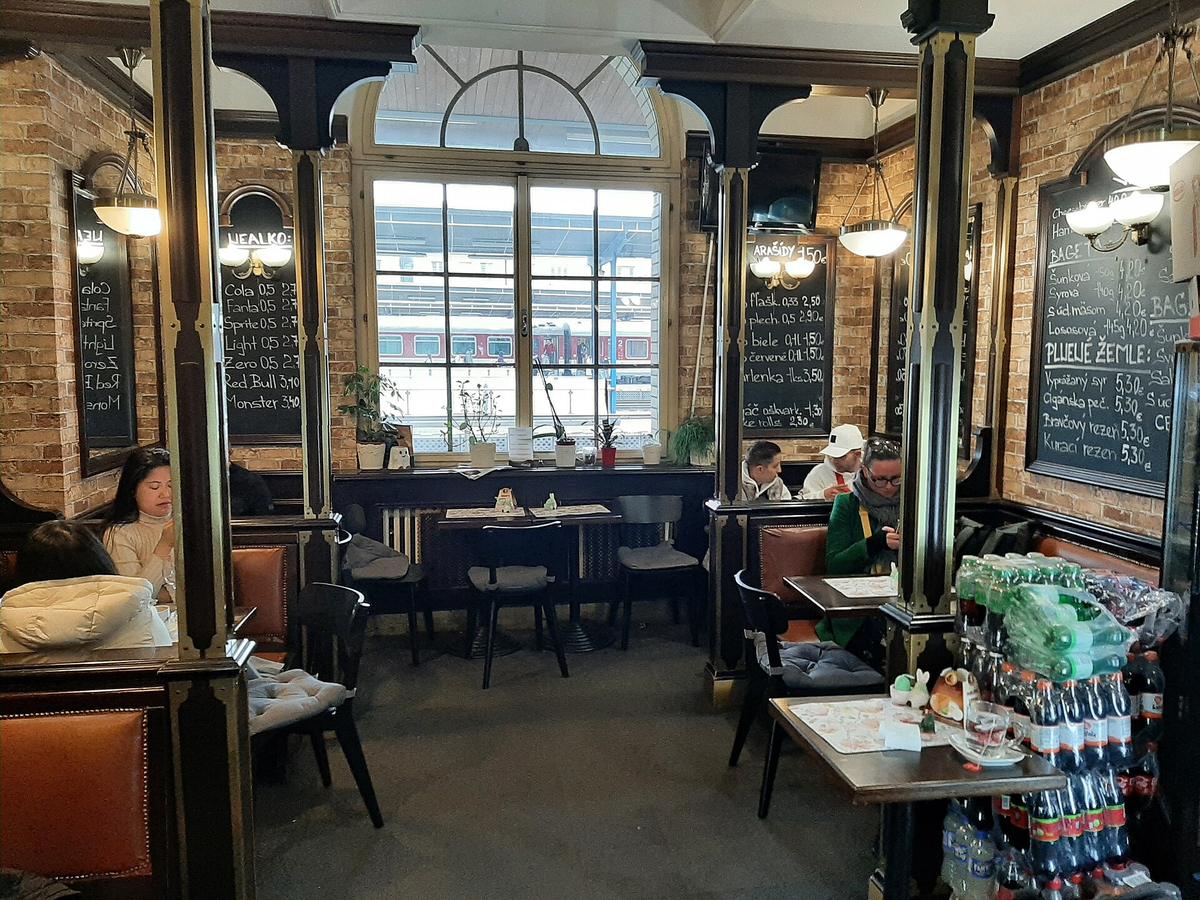

Practical Cash Thresholds by Region
Bratislava and Western Lowlands
You need a small amount of cash in Bratislava for a 24-hour visit covering a tram ticket, a public toilet, and a market snack at the stalls under Bratislava Castle. Card covers everything else. In Trnava and Záhorie the same figure works. In Devín Castle the entry fee is taken by card at the gate but the bus from Bratislava costs a small fare and requires coins or a contactless transit card.
High Tatras and Poprad
Carry enough per person per day in the High Tatras. This covers the Tatra electric railway ticket (card possible but not at every station), a lunch at a mountain hut, a bottle of water and a snack, plus entry to a show cave such as Demänovská Cave of Liberty. The cable car to Štrbské Pleso takes card but the ticket office queue is shorter if you pay cash. The safe play: withdraw in Poprad before you head up.
Eastern Villages and Šariš
In the eastern villages around Bardejov, the wooden churches of the Carpathians, and the Spiš region, carry a substantial amount in cash per person per day. Accommodation in a family-run pension, three meals, bus tickets, entry to Spiš Castle and a folk museum in Levoča, plus a coffee in a village shop: all cash. The ATM in Bardejov works, but the one in the small square at Stará Ľubovňa sometimes rejects foreign cards. Withdraw in Košice or Poprad before heading east.
ATMs, Dynamic Conversion and Fees
ATM withdrawal fees vary by card issuer and operator. Bank-affiliated ATMs, those attached to a Tatra banka, Slovenská sporiteľňa or VÚB branch, usually charge no local fee. Independent ATMs in tourist areas, especially those in the High Tatras resort villages, add a surcharge per withdrawal. Always choose the bank atm over the standalone machine.
Decline Dynamic Conversion
Dynamic currency conversion (DCC) is the most common trap for visitors. The terminal or ATM offers to convert the amount to your home currency at the point of sale. The rate is set by the terminal operator and is worse than the Visa or Mastercard network rate. Always decline the conversion. The machine will say "confirm conversion" or "charge in your home currency", say no. If the process is unclear, cancel the transaction and use a different machine.
Note Sizes
Large notes are refused by most small shops, bus drivers, and market stalls. Withdraw in smaller notes. If an ATM gives you a large note, break it at a supermarket or petrol station before you need to pay a bus driver who cannot change it.
Tipping, Receipts and Service Charges
Tipping in Slovakia follows local habits, not the North American or western European model. In Bratislava and Košice restaurants, rounding up the bill or leaving 5-10% is common. In rural areas, round to the nearest euro or leave small change. Service charge is not included in restaurant bills, check the itemised receipt. For a meal, leaving a rounded-up amount is standard. In bars and cafés, round up to the nearest euro. For taxis, round up the fare. For guides on a half-day tour, a small tip per person. For porters in higher-end hotels in Piešťany or Bratislava, a small tip per bag. None of these are expected but all are appreciated.
Receipts and Customs
Businesses must issue a registered electronic receipt. You will often get a paper slip that looks like a thermal-print supermarket receipt. Keep it for potential customs checks at the border, unusual, but possible near the Ukrainian crossing at Vyšné Nemecké.
Public Toilets
Public toilets in cities and at transport hubs cost a small coin fee. Carry coins. Shopping centres have free toilets. Train stations in Bratislava, Košice and Poprad have coin-operated turnstiles.
Common Questions
Do I need to declare cash entering Slovakia from another EU country?
No, not from another EU country. If you carry €10,000 or more entering or leaving the EU, you must declare it. For travel within the Schengen area from Austria, Czechia, Poland or Hungary no declaration is required.
Can I use my UK or US debit card in Slovak ATMs?
Yes, if the card has Visa or Mastercard branding. ATMs at Tatra banka, Slovenská sporiteľňa and VÚB branches accept foreign cards without local fees. The exchange rate is set by your card network. Decline dynamic currency conversion at the machine.
What happens if I arrive in a mountain hut without cash?
You cannot eat, drink or sleep there. Huts above 1,500 metres in the High Tatras and Low Tatras do not have card terminals. The nearest ATM is back in the valley, which is a two-hour descent. Carry cash before you start the hike.
Are contactless payments widely accepted on public transport?
In Bratislava city buses and trams, yes, tap your card or phone. On the Tatra electric railway and on regional buses, no. Most regional bus routes require payment to the driver in cash. Some city networks such as Košice accept contactless but always carry coins as backup.
Can I pay with Swiss francs or Czech koruna in Slovakia?
No. Slovakia uses the euro. Some border shops near the Austrian or Czech border may accept the other currency at a poor rate, but rural pensions, huts and bus drivers will not. Exchange to euros before you cross.
Read next
-
 Staying Connected in Slovakia Without Roaming Fees
A practical comparison of eSIM and local Slovak SIM cards for travellers, including coverage gaps in the High Tatras and rural areas.
Staying Connected in Slovakia Without Roaming Fees
A practical comparison of eSIM and local Slovak SIM cards for travellers, including coverage gaps in the High Tatras and rural areas.
-
 Best Time to Visit Slovakia by Season and Mountain Access
Slovakia's best months depend on whether you want open High Tatras trails, quiet spa towns, or Bratislava Christmas markets.
Best Time to Visit Slovakia by Season and Mountain Access
Slovakia's best months depend on whether you want open High Tatras trails, quiet spa towns, or Bratislava Christmas markets.
-
 Getting Around Slovakia by Train Bus and the Gaps Between
Slovak trains link major towns well, but regional buses fill the gaps and mountain routes take longer than the map suggests.
Getting Around Slovakia by Train Bus and the Gaps Between
Slovak trains link major towns well, but regional buses fill the gaps and mountain routes take longer than the map suggests.
-
 Slovakia Visa Requirements and the Schengen Entry Process
Slovakia is in Schengen, so entry rules follow the common visa system, but Vienna Airport is often the actual arrival point.
Slovakia Visa Requirements and the Schengen Entry Process
Slovakia is in Schengen, so entry rules follow the common visa system, but Vienna Airport is often the actual arrival point.
-
 Slovakia Safety Advice Read Without the Usual Overstatement
Slovakia is broadly safe, but mountain weather changes fast and trails above 1,500 metres demand more caution than city streets.
Slovakia Safety Advice Read Without the Usual Overstatement
Slovakia is broadly safe, but mountain weather changes fast and trails above 1,500 metres demand more caution than city streets.
-
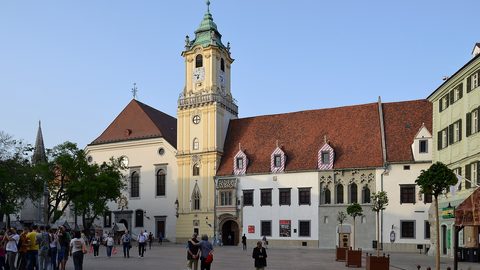 What Slovakia Costs for a Realistic Trip
How to plan a realistic Slovakia travel budget by region, season, and travel style, from Bratislava to the High Tatras.
What Slovakia Costs for a Realistic Trip
How to plan a realistic Slovakia travel budget by region, season, and travel style, from Bratislava to the High Tatras.
-
 A Ground-Level Logistics Guide to Independent Travel in China
First-time independent travel in China: what you need to know about visas, rail booking, eSIMs, mobile payments, and power adapters.
A Ground-Level Logistics Guide to Independent Travel in China
First-time independent travel in China: what you need to know about visas, rail booking, eSIMs, mobile payments, and power adapters.
-
 How Solo Travelers Stay Ahead of Flight Delays and Cancellations
How solo travelers can track inbound aircraft, claim rebooking rights, and adjust ground transport when flights go wrong — step by step.
How Solo Travelers Stay Ahead of Flight Delays and Cancellations
How solo travelers can track inbound aircraft, claim rebooking rights, and adjust ground transport when flights go wrong — step by step.
-
 Why Your eSIM Might Not Work Abroad and How to Check Before You Go
Buying an eSIM doesn't guarantee signal abroad. Learn why coverage fails by location and how to verify reach before you commit to a plan.
Why Your eSIM Might Not Work Abroad and How to Check Before You Go
Buying an eSIM doesn't guarantee signal abroad. Learn why coverage fails by location and how to verify reach before you commit to a plan.