How Safe Slovakia Is and What Actually Needs Attention
Slovakia is broadly safe, but mountain weather changes fast and trails above 1,500 metres demand more caution than city streets.
How Safe Slovakia is and What Actually Needs Attention
You are standing at Hrebienok in the High Tatras at 09:00 in July. The sky is clear. By 10:30 you are at 1,800 metres and the wind is forcing you to brace against it; by 11:00 sleet hits. That moment, not a pickpocket in the capital, is the real safety question in Slovakia. The honest answer to the question is Slovakia safe is yes, on nearly every violent crime metric. The risks that actually affect your trip are weather in the high ranges, trail conditions in shoulder months, and the occasional stolen phone in the Old Town.
Bratislava Petty Crime: the Risk You Can Manage in 30 Seconds
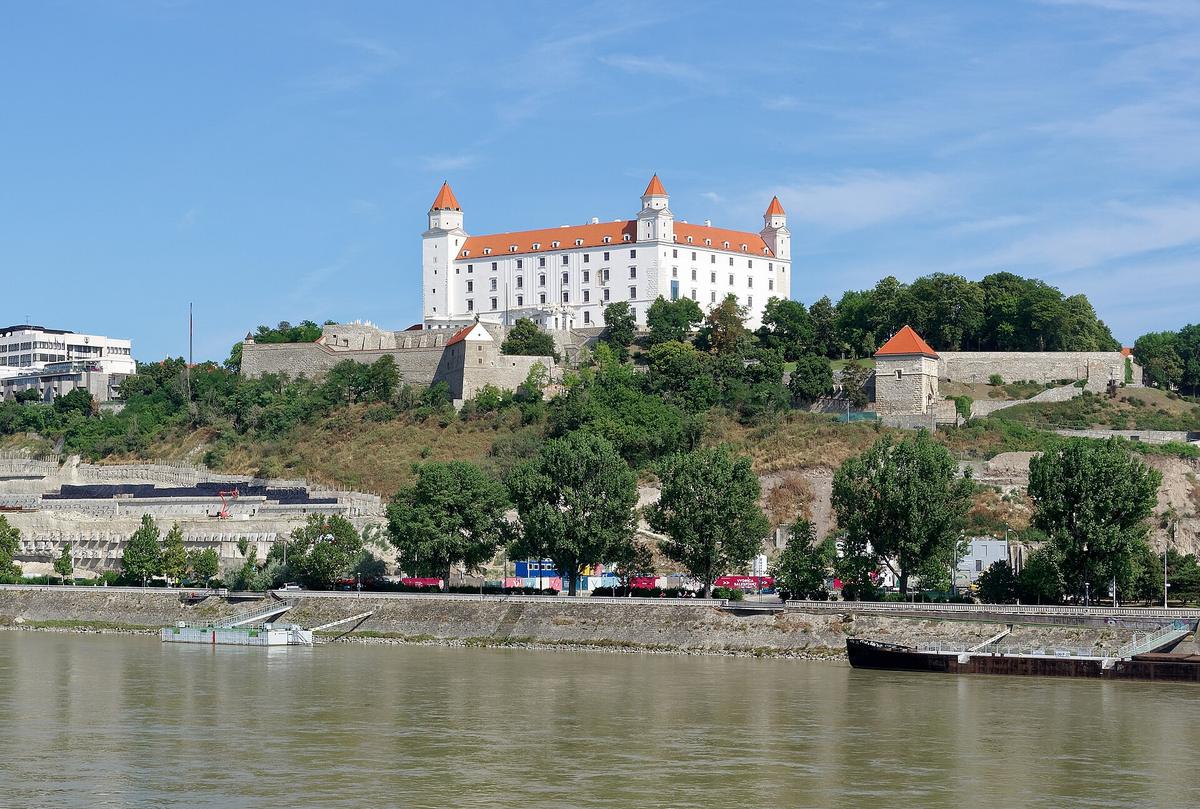
The Old Town is compact, polished, and busy. The petty crime rate there is real but low: pickpocketing on the main pedestrian routes between the castle and Hlavné námestie, and car break ins at unsupervised parking lots and trailhead car parks near the city fringe. The crowd around the Old Town Hall on summer weekends and the Christmas market in December are the tightest spaces. Leave your wallet in a front pocket or a zipped bag. Do not leave a laptop visible on a car seat. That is the full extent of the violent crime risk in the capital.
Outside the city, the pattern changes. Rural Slovakia is notably safe. You will see children walking alone, unlocked bikes against walls, and a general ease that feels unfamiliar if you are coming from a large Western European city. The police presence is visible near transport hubs and borders. Police ID checks happen, especially near the D2 and D1 corridors, so carry your passport or national ID at all times.
Slovakia Mountain Safety: the Risk That Matters
Slovakia mountain safety is the subject that deserves your attention, not crime. The High Tatras, Low Tatras, Malá Fatra, and Veľká Fatra all have marked trails covering over 15,000 km of routes. The marking system is good: colour coded painted marks on trees and rocks. The problem is the weather, not the trail. Above 1,500 metres, conditions change in minutes. The Slovenský hydrometeorologický ústav (SHMÚ) issues weather warnings at levels 1 to 3. Check them before every day hike. Hikers regularly start in sun and meet sleet, wind, or fog that reduces visibility to a few metres.
The mountain rescue service is Horská záchranná služba (HZS). Their phone is 18 300. The EU wide emergency number 112 also reaches them. Know both. The most common rescue call is from a hiker who left in good weather without a windproof layer, a map, or a head torch. Do not be that hiker.
When Trails Become Dangerous
November and March to early April are the months to avoid for hiking in the high ranges. Lifts and mountain huts close. Trails turn icy or muddy, and the kind of surface that is fine on a dry August afternoon becomes a slip hazard in wet spring conditions. Hypothermia risk exists year round at altitude. Even a July afternoon can produce a 15 degree drop in an hour. Carry a base layer and a shell, not just a t shirt.
Off piste skiing is at your own risk. Avalanche risk is managed by HZS, with warnings from level 1 (low) to level 5 (very high). Carry an avalanche transceiver and probe for ski touring outside marked slopes.
Slovakia Hiking Weather Risk: the Forecast Drill
Slovakia hiking weather risk is highest June through September, the peak season, because that is when most hikers are on the trails. July and August are the busiest months in the High Tatras, and the best weather window, but thunderstorms build fast over the peaks. Standard rule: start all mountain routes by 08:00. Be below the tree line by 14:00 in summer. Lightning above 1,800 metres is not a rumour; it is a statistical likelihood in July.
In the Low Tatras and Slovak Paradise National Park, the same sunrise rule applies. Slovak Paradise gorges and ladders become slippery when wet, making the metal rungs and narrow footbridges treacherous. The park management closes some ladder sections in wet weather or during maintenance. Check the current access status before you go, not the day you arrive.
Slovak Paradise Ladders Safety: the Specific Gorge Risk
Slovak Paradise ladders safety is a distinct issue because it mixes a technical route with limited escape options. The gorges of Suchá Belá, Kyseľ, and Piecky require you to climb ladders, walk narrow catwalks bolted into canyon walls, and wade through shallow stream sections. They are not dangerous in dry conditions with decent footwear. They become dangerous in rain. Metal rungs get slick. Rockfall risk rises on wet sandstone. Water levels can rise quickly after a storm, turning a knee deep stream into a waist deep current.
Go early. The parking lot at Podlesok fills by 09:00 in summer, and the gorges get congested by mid morning. A one way route means you cannot turn back easily once you are in the narrow sections. Wear hiking boots with good tread, not trainers. Take a dry bag for your phone and wallet. If conditions look doubtful at the trailhead, skip the gorge and take a ridge walk instead. There is no shame in that call; the rockfall risk and the rescue complexity make it the smart one.
Bears and Wildlife
Bear encounter risk exists in Slovak Paradise, as in all central and northern mountain ranges. Bear spray is legal to carry. Bear proof food storage is required in some national park huts. The State Nature Conservancy (ŠOP SR) issues bear guidance. Standard advice: make noise on the trail, do not surprise a bear, do not run. Attacks are extremely rare but the risk is highest in Malá Fatra, Veľká Fatra, the Low Tatras, and Poloniny.
| Service | Number |
|---|---|
| EU wide emergency | 112 |
| Police | 158 |
| Ambulance | 155 |
| Fire | 150 |
| Mountain rescue (HZS) | 18 300 |
| Air ambulance (ATE) | 18 155 |
| Roadside assistance (ÚAMK) | 18 124 |
| Emergency SMS (deaf or hard of hearing) | 112 via SMS |


Other Real Risks: Driving, Ticks, Water, and Theft from Cars
Driving is where most travellers encounter friction. Blood alcohol limit is 0.0 g/l. Zero tolerance. Daytime running lights are mandatory year round. Winter tyres are mandatory when the road has continuous snow or ice or when signposted. Snow chains are required where signposted in mountain passes. The D1 motorway between the capital and Trnava is a known black spot for accidents. Wildlife on roads, especially deer and wild boar, is highest at dawn and dusk. Bear crossings occur in forested areas. Your reaction should be to brake, not swerve.
Motorway vignettes are electronic, issued by Národná diaľničná spoločnosť (NDS). Validity periods are 10 day, 30 day, 365 day, or 1 year. You must buy one before entering a motorway or expressway. Radar detectors are prohibited. On the spot fines are payable in cash or by card; you get a receipt.
Ticks, Water, and Health
Tick borne encephalitis is present in forested areas below 1,000 metres. Lyme disease is present in lowland and foothill forests. Vaccination for tick borne encephalitis is available and recommended for extended rural or forest exposure. Check yourself after any hike through tall grass or undergrowth in the Low Tatras, Malá Fatra, or western lowlands.
Tap water is potable nationwide. Mountain springs and streams are not. Giardia risk exists in untreated surface water. Carry a filter or purification tablets if you plan to refill from streams above 1,500 metres.
Car break in risk is higher than pickpocketing in many parts of the country. Unattended parking lots and trailhead car parks are the main targets. Leave nothing visible in the car. Take valuables with you or leave them at your accommodation. Theft from accommodation is reported in mountain huts and hostels; use lockers where available.
The One Thing That Most Often Goes Wrong
Visitors try to see the capital, the High Tatras, Spiš, and Košice in four or five days by public transport. The result is a series of rushed connections, not a trip. The mountain and cross valley routes take twice as long as the map suggests. Trains between Žilina and the east run roughly hourly but the connections to trailheads are sparse outside July and August. Public transport outside the main corridor is slower and less intuitive than you expect. English coverage thins once you leave tourist hubs.
Budget for seven days minimum if you want to see the capital, one mountain region, and one eastern stop. Use the buses that local travellers use. Buy paper or app tickets before boarding where possible; on many regional buses you pay the driver, and small stations may have no working ticket machine. Carry cash for rural pensions, huts, and small bus ticket desks. A Slovak SIM from Orange, Telekom, or O2 costs a few euros and makes rural bus apps usable in valleys where roaming signal drops.
Book your first night in the High Tatras accommodation in advance during July and August. This is the single most practical step you can take. The rest of the country is forgiving, but the mountain resorts are not.
Common Questions
Can I drink the tap water in Slovakia?
Yes. Tap water is potable nationwide. Mountain springs and streams are not treated. Giardia risk is present in surface water, so filter or purify stream water above 1,500 metres.
Do I need a visa for Slovakia?
EU and EEA citizens do not need a visa. Many non EU nationalities can visit for up to 90 days under Schengen visa rules. The issuing authority is Slovak embassies and consulates. Non EU citizens should carry travel health insurance; direct payment is required for most medical services.
What is the bear encounter risk in the Tatras?
Bear population is present in central and northern mountain ranges. Risk is highest in Malá Fatra, Veľká Fatra, the Low Tatras, and Poloniny. Bear spray is legal to carry. Make noise on the trail, do not surprise a bear, and do not run. Attacks are extremely rare.
Do I need cash in Slovakia?
Cards are widely accepted in cities. Cash is still needed at some rural pensions, mountain huts, and small bus ticket desks. ATMs are widespread in towns but sparse in remote villages. Carry about 50 euros per day for rural areas.
Is off piste skiing safe in the High Tatras?
Off piste skiing is at your own risk. Avalanche risk is managed by HZS, with warnings from level 1 (low) to level 5 (very high). Carry an avalanche transceiver and probe for ski touring outside marked slopes. Ski patrol is present in major resorts.
What is the emergency number in Slovakia?
The EU wide number 112 works. Police is 158, ambulance is 155, fire is 150. Mountain rescue (HZS) is 18 300. Air ambulance (ATE) is 18 155. Emergency SMS is accepted on 112 for deaf or hard of hearing users.
When should I avoid the mountains in Slovakia?
Avoid November and March to early April. Lifts and mountain huts close, trails are icy or muddy, and conditions can be dangerous. Avoid 1-6 January and Easter Monday for reduced opening hours. July and August are the busiest and safest window for hiking.
Read next
-
 Staying Connected in Slovakia Without Roaming Fees
A practical comparison of eSIM and local Slovak SIM cards for travellers, including coverage gaps in the High Tatras and rural areas.
Staying Connected in Slovakia Without Roaming Fees
A practical comparison of eSIM and local Slovak SIM cards for travellers, including coverage gaps in the High Tatras and rural areas.
-
 Best Time to Visit Slovakia by Season and Mountain Access
Slovakia's best months depend on whether you want open High Tatras trails, quiet spa towns, or Bratislava Christmas markets.
Best Time to Visit Slovakia by Season and Mountain Access
Slovakia's best months depend on whether you want open High Tatras trails, quiet spa towns, or Bratislava Christmas markets.
-
 Getting Around Slovakia by Train Bus and the Gaps Between
Slovak trains link major towns well, but regional buses fill the gaps and mountain routes take longer than the map suggests.
Getting Around Slovakia by Train Bus and the Gaps Between
Slovak trains link major towns well, but regional buses fill the gaps and mountain routes take longer than the map suggests.
-
 Slovakia Visa Requirements and the Schengen Entry Process
Slovakia is in Schengen, so entry rules follow the common visa system, but Vienna Airport is often the actual arrival point.
Slovakia Visa Requirements and the Schengen Entry Process
Slovakia is in Schengen, so entry rules follow the common visa system, but Vienna Airport is often the actual arrival point.
-
 Using Euros and Cards in Slovakia Without Getting Caught Out
Slovakia uses the euro, but rural pensions, mountain huts and small bus desks still expect cash, especially outside Bratislava.
Using Euros and Cards in Slovakia Without Getting Caught Out
Slovakia uses the euro, but rural pensions, mountain huts and small bus desks still expect cash, especially outside Bratislava.
-
 What Slovakia Costs for a Realistic Trip
How to plan a realistic Slovakia travel budget by region, season, and travel style, from Bratislava to the High Tatras.
What Slovakia Costs for a Realistic Trip
How to plan a realistic Slovakia travel budget by region, season, and travel style, from Bratislava to the High Tatras.
-
 A Ground-Level Logistics Guide to Independent Travel in China
First-time independent travel in China: what you need to know about visas, rail booking, eSIMs, mobile payments, and power adapters.
A Ground-Level Logistics Guide to Independent Travel in China
First-time independent travel in China: what you need to know about visas, rail booking, eSIMs, mobile payments, and power adapters.
-
 How Solo Travelers Stay Ahead of Flight Delays and Cancellations
How solo travelers can track inbound aircraft, claim rebooking rights, and adjust ground transport when flights go wrong — step by step.
How Solo Travelers Stay Ahead of Flight Delays and Cancellations
How solo travelers can track inbound aircraft, claim rebooking rights, and adjust ground transport when flights go wrong — step by step.
-
 Why Your eSIM Might Not Work Abroad and How to Check Before You Go
Buying an eSIM doesn't guarantee signal abroad. Learn why coverage fails by location and how to verify reach before you commit to a plan.
Why Your eSIM Might Not Work Abroad and How to Check Before You Go
Buying an eSIM doesn't guarantee signal abroad. Learn why coverage fails by location and how to verify reach before you commit to a plan.