Planning Your Slovakia Travel Budget
How to plan a realistic Slovakia travel budget by region, season, and travel style, from Bratislava to the High Tatras.
A Practical Guide to Slovakia Travel Costs
The most common mistake travellers make about Slovakia is assuming it costs about the same as Prague or Budapest. It does not. The second mistake is treating the entire country as one price zone. It is not. The real shape of a Slovakia travel budget depends almost entirely on where you go, when you go, and whether you sit down to eat or buy groceries. Bratislava and the High Tatras resort villages are noticeably more expensive than the rest of the country. Rural Liptov, Spiš, and the eastern districts cost significantly less. Accommodation consumes 35 to 50 percent of a daily budget, food and drink 20 to 30 percent, local travel 5 to 15 percent, and entry fees 5 to 10 percent. The biggest single line item is accommodation, and the second biggest is long distance travel into and within the country. A seven day trip is the realistic minimum: enough for the capital plus one mountain region and one eastern stop without spending every other day on a bus.
What Slovakia Costs for a Realistic Trip
Budget Versus Mid Range: The Real Split
The price difference between a budget and a mid range trip in Slovakia is primarily about three things: where you sleep, what you eat, and how you move. Budget accommodation means a hostel dormitory, a pension outside the centre, or a mountain hut bunk room. Mid range means a three star hotel or a well rated apartment in a central location, with a private bathroom and breakfast included. That breakfast inclusion is the practical difference: it saves you €4 to €7 per day and means you start hiking earlier. Budget food means self catering from supermarkets or street food. Mid range food means sitting down for lunch and dinner. The daily menu tradition in Slovak restaurants means a fixed price lunch on weekdays costs roughly €5 to €8, half what the same meal costs at dinner. Use it.
Getting Around: Buses, Trains, And The Car Question
Getting around shows the same split. A budget traveller uses buses and regional trains, buys advance fares on main intercity routes, and avoids car hire entirely. A mid range traveller may rent a car, but the research names two unexpectedly expensive categories: car hire with full insurance, and hotel parking in central Bratislava and High Tatras resort towns. The motorway vignette for cars is required on motorways and expressways, issued by Národná diaľničná spoločnosť. The minimum age for car hire is commonly 21 to 25, and a young driver surcharge applies under 25. If you drive, budget for the vignette, the deposit hold on a credit card, and the reality that motorway coverage is strongest in western Slovakia and weaker in central and eastern regions, so the road journey from the capital to Košice takes roughly four to five hours despite the distance.
.jpg)
Slovakia Trip Cost: the Bratislava, High Tatras Corridor Vs. Rural Regions
Where Prices Peak And Where They Don't
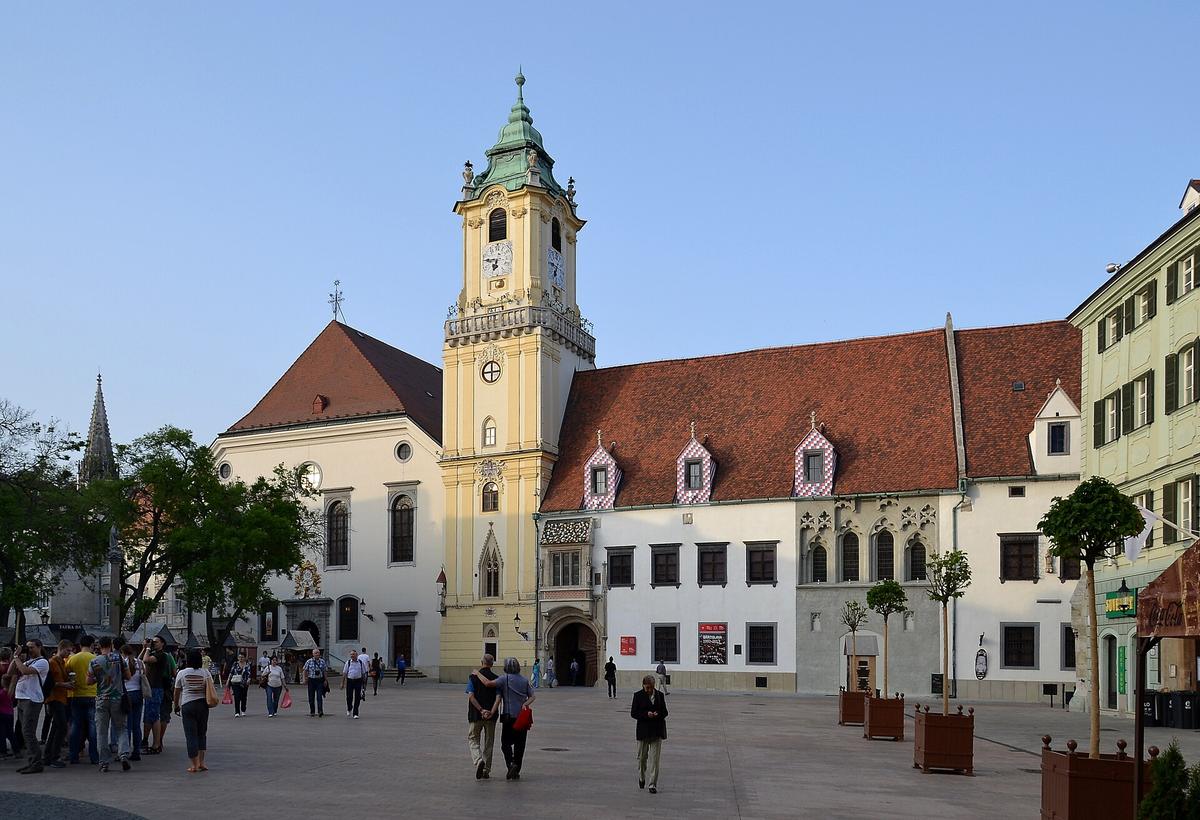
The single most useful thing you can do for your Slovakia trip cost is separate the high price corridor from everywhere else. Bratislava and the High Tatras resort towns are where prices peak. A double room in a mid range hotel in the Old Town or in Štrbské Pleso during July or August runs roughly €80 to €130 per night. A similar standard of accommodation in Liptovský Mikuláš, Levoča, or Bardejov costs €40 to €65. The same pattern holds for food: a dinner with a drink in a High Tatras mountain restaurant can cost 40 to 60 percent more than the same meal in a non resort town in Spiš. Eastern and southern districts are the cheapest regions in the country. The municipal tourist tax, levied per person per night, varies by municipality, so check the small print at check in, especially in spa towns like Piešťany and Trenčianske Teplice, where pricing is above the regional average.
Cheap Living In Rural Slovakia
Public transport costs barely register in rural areas. A bus ticket in a regional city uses a flat fare or a short time based ticket. Museum and castle entry fees outside the capital are unexpectedly cheap, typically €2 to €6. Draft beer and coffee in non resort towns are also unexpectedly cheap: a half litre of draft beer runs €1 to €1.50 in eastern Slovakia, compared to €2.50 to €3.50 in the Old Town. Hiking and national park access is free. No national park entry fee exists for hiking, though parking fees are charged at some trailheads and resorts. The budget traveller who stays in Liptov or Spiš, eats lunch menus, and drinks local beer will spend roughly half what they would in the corridor.
Bratislava Daily Budget
What A Day In The Capital Costs
A realistic Bratislava daily budget for a mid range traveller runs about €80 to €110 per person. That covers a central hotel or apartment with breakfast, two meals, two public transport tickets, one entry fee, and one drink. A budget traveller can reduce that to €45 to €60 by staying in a hostel or a pension outside the centre, using the zoned time based public transport tickets (30 minutes costs about €1.10), cooking some meals from supermarket chains, and skipping paid attractions. The Bratislava city card covers public transport and selected attractions; run the numbers on your planned visits before buying it, because the free entry days at some state museums (first Sunday of the month, though verify the schedule with the museum directly) may make the card unnecessary.
Two Traps To Avoid
The biggest trap in the capital is hotel pricing during major trade fairs, especially in September and October, when rates spike. Check the convention calendar before booking. The second trap is assuming English will cover every interaction. English prevalence is higher in the city and the High Tatras and among younger urban populations, but lower in rural eastern and southern districts. Have cash for small shops and rural pensions; card acceptance is widespread in cities but less reliable in villages, small guesthouses, and mountain huts. The country uses the euro, adopted on 1 January 2009, which simplifies budgeting for most European visitors.
High Tatras Prices
Seasonal Swings And Where To Sleep
High Tatras prices are the outlier in Slovakia. Accommodation peaks in July and August and again during the ski season from December to March, especially in February and school holidays. A bed in a mountain hut is cheaper than a hotel but basic and often dormitory style. Book mountain huts in advance in summer and winter peak periods. The cable car to Lomnický štít is premium priced and weather dependent; book ahead in summer. Ski pass pricing is lower than the Alps but rising in peak weeks. Ski rental is moderate, cheaper in smaller resorts than in the High Tatras themselves.
Food And Timing In The Mountains
The unexpectedly expensive category in the High Tatras is mountain resort food and drink. A coffee in Štrbské Pleso costs more than in the capital. Pack snacks from a supermarket in Poprad or Liptovský Mikuláš before heading into the mountains. The electric railway operated by ZSSK connects the resorts cheaply, but the key detail is timing: mountain weather changes fast, with snow possible from October through May, and many small museums, castles, and caves close on Mondays or from November to March. Hike the trails from June to September. Some trails close in winter and early spring. Avoid the mountains in November and March to early April, when lifts and many huts close and trails are icy or muddy.
Cheap Central Europe Travel: How Slovakia Fits
The Right Expectations
Slovakia is one of the best options for cheap Central Europe travel, but only if you match your expectations to the country's shape. The country is compact and forested, feels more rural and slow paced than its neighbours, and rewards travellers who like modest, unpolished places. It is not for travellers wanting big city buzz, polished luxury, or car free sightseeing across many regions. The reward is paying noticeably less than in Austria or Czechia. A week that includes the capital, one mountain region, and one eastern stop like Levoča or Bardejov costs roughly €500 to €700 for a mid range solo traveller including accommodation, food, local travel, and entry fees, not counting flights. A budget traveller can do it for €300 to €450.
Friction Points To Plan Around
The friction points are real. Public transport outside the main corridor is slower and less intuitive than expected. English coverage is thinner once you leave tourist hubs. Many small museums, castles, and caves close on Mondays or from November to March. Public toilets are scarce outside malls and major stations, and often coin operated. Cash is still needed at some rural pensions, mountain huts, and small bus ticket desks. Signposting for trails is good, but public transport connections to trailheads can be sparse outside July and August. The common mistake is trying to see the capital, the Tatras, Spiš, and Košice in four or five days by public transport, which turns the trip into a series of rushed connections rather than time in the places that make the country worth visiting. Stick to seven days minimum.

How Season, Transport Mode, and Dining Shift Your Total
Season And The Price Calendar
Three variables move your total more than any others: season, transport mode, and dining choice. Accommodation peaks in summer and around Christmas and New Year. Accommodation is lowest in November and January through March outside ski resorts. Weekend rates are higher in spa and mountain towns. The ski season pattern runs December to March, with peak demand in February and school holidays. The shoulder seasons of April to June and September to October offer the best balance of decent weather and lower prices. November is the cheapest month but also the deadest: many mountain huts close, spa towns are quiet, and weather is grey. The low season pattern extends from November through January to March outside ski resorts.
Transport Choices And Their Costs
Transport mode changes the budget significantly. Intercity bus fares with advance purchase are cheaper than walk up, and the bus network has denser coverage than rail, especially in central and eastern Slovakia. Trains on the main east, west corridor run between the capital, Žilina, and Košice, taking roughly five to six hours end to end. Regional trains are slower. Buying advance fares on main routes saves money. The night train availability is limited to domestic routes and more common on international corridors. If you are under 25 and renting a car, the young driver surcharge and full insurance may push the daily cost above a mid range hotel. The failure case for car rental is one way fees and credit card deposit holds.
Eating Cheap And Eating Well
Dining choice is the most controllable variable. A fixed price lunch menu on weekdays costs €5 to €8. Self catering from supermarkets costs €3 to €5 per meal. A dinner in a sit down restaurant in a non resort town costs €8 to €12 for a main course. In a High Tatras resort, the same dinner costs €14 to €20. Draft beer and coffee in non resort towns are the cheapest things you can consume: a half litre of beer for €1 to €1.50, an espresso for €1 to €1.80. Tipping is not mandatory; rounding up or five to ten percent in table service restaurants is standard. The reduced VAT rate applies to accommodation and restaurant meals, which keeps those costs lower than they could be.
Unusually Cheap and Unexpectedly Expensive Items
Where Your Money Goes Further
Some costs in Slovakia surprise travellers who come from Western Europe. The unexpectedly cheap categories include public transport in regional cities, museum and castle entry fees outside the capital, draft beer and coffee in non resort towns, and hiking and national park access. A castle ruin like Spiš Castle costs about €6 to €8. Orava Castle costs about the same. Many smaller ruins are free to enter. Cave entry fees are moderate, and guided tours are the only option; book ahead in summer for popular caves like Demänovská Cave of Liberty. Open air museums like Vlkolínec are low relative to Western European equivalents. UNESCO site entry fees vary: some charge, but many town centres are free to walk.
What Costs More Than You Expect
The unexpectedly expensive categories are car hire with full insurance, hotel parking in central Bratislava and High Tatras resort towns, and mountain resort food and drink. Cable cars in the High Tatras are priced high relative to other Slovak attractions. The overnight tourist tax adds a small daily sum. The entry rule for most non European visitors is passport required and visa free for short stays under the Schengen 90 day limit. Non euro neighbouring states (Czechia, Poland, Hungary, Ukraine) mean you may exchange currency at borders, though rates there are often poor. The border with Ukraine is subject to checks and not in Schengen. Borders with Czechia, Poland, Austria, and Hungary are open Schengen borders. The emergency number is 112. The country calling code is +421.
Common Questions
How much should I budget per day for Slovakia as a mid range traveller?
Plan for €80 to €110 per person per day if you are staying in mid range accommodation (a three star hotel or central apartment with breakfast), eating two meals in restaurants, using public transport, and visiting one paid attraction. That covers the capital or a High Tatras resort. In rural Liptov or Spiš, the same standard drops to €60 to €80 per day because accommodation costs roughly half and food is cheaper.
Is Slovakia more expensive than Czechia or Poland?
Slovakia costs slightly less than Czechia for accommodation and food in rural areas, but the capital and the High Tatras can be comparable to Prague. Poland is generally cheaper across all categories, especially for accommodation and street food. Slovakia's advantage over both is lower prices for hiking access, national park entry (free), and draft beer in non resort towns.
When is the cheapest time to visit Slovakia?
The cheapest months are November and January through March outside ski resorts. Accommodation drops sharply. The catch is that many mountain huts, cable cars, and small museums close during this period, trails can be icy or muddy, and spa towns are quiet. April to June and September to October offer the best value for decent weather and open attractions.
Do I need cash in Slovakia?
Yes. Card acceptance is widespread in cities but less reliable in rural areas, small shops, guesthouses, and mountain huts. Cash is needed for some rural pensions, small bus ticket desks, and the tourist tax paid at check in. Cash machine availability is good in towns but limited in small villages. The currency is the euro. Carry €50 to €100 for a week in rural areas.
How do I save money on food in Slovakia?
Eat the fixed price lunch menu on weekdays, which costs €5 to €8 in most towns. Self cater from supermarket chains for €3 to €5 per meal. Drink draft beer in non resort towns, where a half litre costs €1 to €1.50. Avoid eating in High Tatras resort restaurants, where prices are 40 to 60 percent higher than in nearby towns like Poprad or Liptovský Mikuláš.
Read next
-
 Staying Connected in Slovakia Without Roaming Fees
A practical comparison of eSIM and local Slovak SIM cards for travellers, including coverage gaps in the High Tatras and rural areas.
Staying Connected in Slovakia Without Roaming Fees
A practical comparison of eSIM and local Slovak SIM cards for travellers, including coverage gaps in the High Tatras and rural areas.
-
 Best Time to Visit Slovakia by Season and Mountain Access
Slovakia's best months depend on whether you want open High Tatras trails, quiet spa towns, or Bratislava Christmas markets.
Best Time to Visit Slovakia by Season and Mountain Access
Slovakia's best months depend on whether you want open High Tatras trails, quiet spa towns, or Bratislava Christmas markets.
-
 Getting Around Slovakia by Train Bus and the Gaps Between
Slovak trains link major towns well, but regional buses fill the gaps and mountain routes take longer than the map suggests.
Getting Around Slovakia by Train Bus and the Gaps Between
Slovak trains link major towns well, but regional buses fill the gaps and mountain routes take longer than the map suggests.
-
 Slovakia Visa Requirements and the Schengen Entry Process
Slovakia is in Schengen, so entry rules follow the common visa system, but Vienna Airport is often the actual arrival point.
Slovakia Visa Requirements and the Schengen Entry Process
Slovakia is in Schengen, so entry rules follow the common visa system, but Vienna Airport is often the actual arrival point.
-
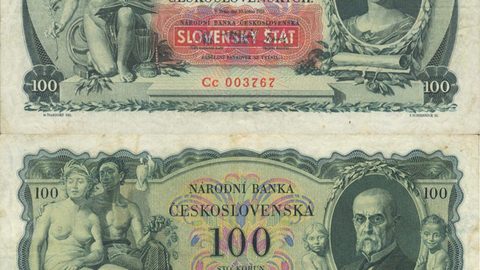 Using Euros and Cards in Slovakia Without Getting Caught Out
Slovakia uses the euro, but rural pensions, mountain huts and small bus desks still expect cash, especially outside Bratislava.
Using Euros and Cards in Slovakia Without Getting Caught Out
Slovakia uses the euro, but rural pensions, mountain huts and small bus desks still expect cash, especially outside Bratislava.
-
 Slovakia Safety Advice Read Without the Usual Overstatement
Slovakia is broadly safe, but mountain weather changes fast and trails above 1,500 metres demand more caution than city streets.
Slovakia Safety Advice Read Without the Usual Overstatement
Slovakia is broadly safe, but mountain weather changes fast and trails above 1,500 metres demand more caution than city streets.
-
 A Ground-Level Logistics Guide to Independent Travel in China
First-time independent travel in China: what you need to know about visas, rail booking, eSIMs, mobile payments, and power adapters.
A Ground-Level Logistics Guide to Independent Travel in China
First-time independent travel in China: what you need to know about visas, rail booking, eSIMs, mobile payments, and power adapters.
-
 How Solo Travelers Stay Ahead of Flight Delays and Cancellations
How solo travelers can track inbound aircraft, claim rebooking rights, and adjust ground transport when flights go wrong — step by step.
How Solo Travelers Stay Ahead of Flight Delays and Cancellations
How solo travelers can track inbound aircraft, claim rebooking rights, and adjust ground transport when flights go wrong — step by step.
-
 Why Your eSIM Might Not Work Abroad and How to Check Before You Go
Buying an eSIM doesn't guarantee signal abroad. Learn why coverage fails by location and how to verify reach before you commit to a plan.
Why Your eSIM Might Not Work Abroad and How to Check Before You Go
Buying an eSIM doesn't guarantee signal abroad. Learn why coverage fails by location and how to verify reach before you commit to a plan.