The Shape of a Russia Travel Budget
How money actually works on a Russia trip, from Moscow hotel premiums to cash-only provincial buses and what makes the budget move.
The Shape of a Russia Travel Budget
Most first-time visitors assume a Russia trip cost is dominated by the big ticket items: visa fees, international flights, and five star hotels. The largest variable is the gap between Moscow, the northern capital, and everywhere else. The wrong choice of train class can double your transport spend overnight. Budget for a two week trip covering the two main cities, and the daily average sits in a range that depends almost entirely on where you sleep and how you move.
How Much to Budget for Russia
Mid Range And Budget Tiers
A reasonable daily budget for a mid range trip covering Moscow and the city on the Neva is 8,000 to 12,000 RUB per person. That assumes a three star hotel within walking distance of a metro station, two meals in mid range restaurants, one museum entry at the foreign visitor rate, metro rides, and a few street snacks. In provincial cities like Vladimir, Kazan, or Irkutsk, the same standard costs 4,000 to 6,000 RUB per day. The ratio between capital and region is roughly 2:1 for meals and closer to 3:1 for centrally located hotels.
The budget tier drops those numbers by half. A hostel dormitory bed in central Moscow costs 1,500 to 2,500 RUB per night. A meal at a canteen style stolovaya runs 300 to 500 RUB. Daily spend in this tier lands at 3,500 to 5,500 RUB in the capitals and 2,000 to 3,500 RUB everywhere else.
Flights And Visa Costs
International flights dominate the total trip cost. Reduced routing options and longer flight paths since sanctions mean a round trip from Western Europe or North America to Moscow or the second city costs 60,000 to 120,000 RUB on a main carrier. This figure can exceed accommodation spend on a two week trip.
Visa cost varies by nationality and processing speed. The unified e visa for 16 day stays, launched in 2023 for citizens of more than 55 countries, covers entry via major airports and some land checkpoints. The fee is set annually, and the application is online. For nationalities that require a full tourist visa, budget 5,000 to 15,000 RUB including the invitation letter from a licensed tour operator or hotel. Fingerprint biometric data collection is required at visa application centres for most nationalities since 2015.
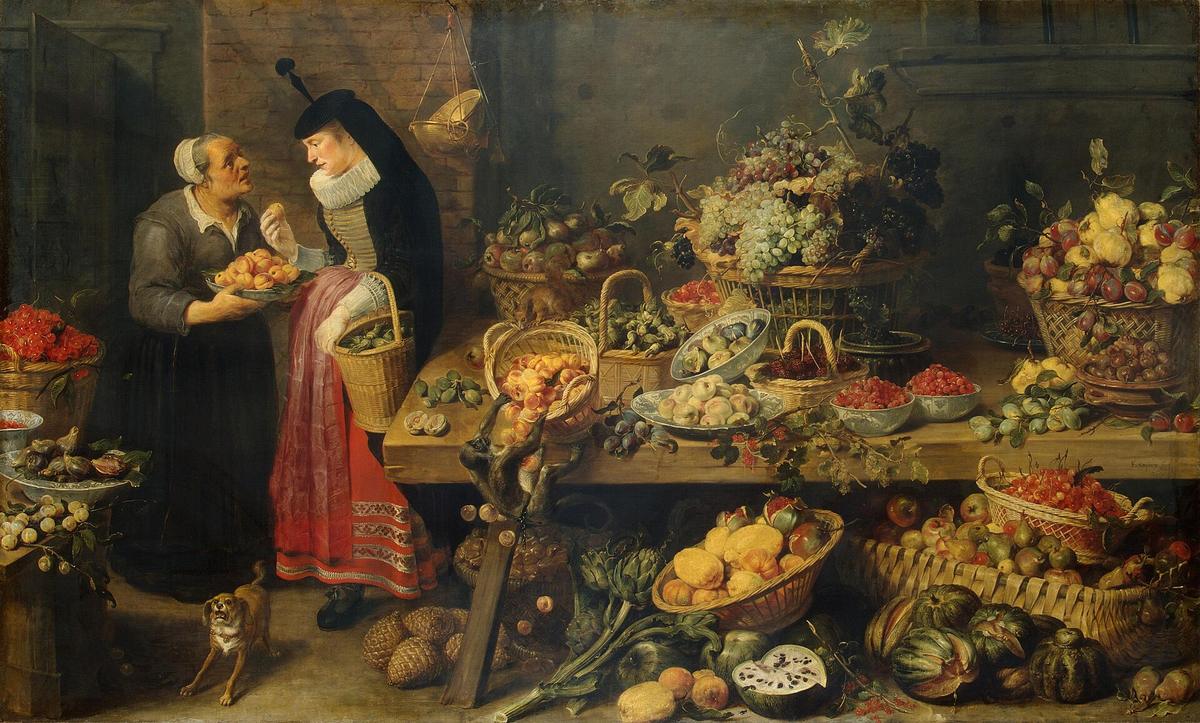

Daily Expenses Moscow St Petersburg
Hotels And Meals
A mid range hotel room in central Moscow runs 6,000 to 12,000 RUB per night. The city of Peter the Great is 5,000 to 10,000 RUB for an equivalent standard. Prices rise sharply for international standard hotels and for central locations; the gap between budget and mid range accommodation is wide here and narrower in regional cities. During White Nights, late May to mid July, accommodation demand in the former imperial capital peaks and rates can double.
A three course meal in a mid range restaurant in Moscow costs 2,500 to 4,000 RUB per person. In the Baltic port city the same meal is 2,000 to 3,000 RUB. Regional cities charge 1,000 to 1,500 RUB. Tipping is not mandatory but 5 to 10 percent is increasingly common in urban restaurants; skip it in canteens and street food stalls.
Getting Around And Getting In
Public transport is among the cheapest in Europe. A single metro ride in Moscow costs 65 RUB; a bus or tram in the northern capital costs 50 RUB. A monthly transport card for the two main cities runs roughly 2,500 RUB. Yandex Go ride hailing within city centres costs 300 to 800 RUB per trip; you need a Russian phone number to register the app.
Museum entry is where dual pricing hits the budget hardest. Foreign visitors pay 2x to 5x the Russian citizen rate. The State Hermitage Museum charges foreign visitors roughly 1,000 RUB; the Moscow Kremlin Armoury Chamber costs upwards of 1,500 RUB. Book both online in advance to skip queues that run over an hour in season.
Trans-Siberian Train Ticket Prices
Classes And Fares
A Trans-Siberian ticket from Moscow to Vladivostok costs 12,000 to 15,000 RUB in platzkart class, the open dormitory carriage with berths arranged in an open plan. That distance is roughly 9,300 km and takes six to seven days. The same journey in kupe, a four berth closed compartment, costs 25,000 to 40,000 RUB. In SV, the two berth sleeper, expect 50,000 to 70,000 RUB. These figures vary with season, booking lead time, and whether the train is a branded firmenny express or a standard skory service. Dynamic pricing applies; booking 45 to 90 days ahead when sales open locks in the lowest rate.
For shorter segments, Moscow to Irkutsk in platzkart runs about 6,000 to 8,000 RUB. A day train between the two main cities on the branded Sapsan high speed service costs 3,000 to 5,000 RUB in standard class, versus 1,500 to 2,500 RUB on a regular skory train taking five hours instead of four.
The Time Zone Trap
The single biggest tripwire on the Trans-Siberian is the time zone mismatch. Every Russian Railways ticket prints departure times in Moscow Time, regardless of the station’s physical location. Siberia is four to five hours ahead of Moscow. If you assume the local time on the station clock matches the ticket, you miss the train.
Russia Cash vs Card Spending
Why Cash Still Rules
Cash is king in small towns, on marshrutka minibuses, and for rural food purchases. Outside the two main cities, many provincial ATMs accept only domestic Mir cards, not Visa or Mastercard. Foreign issued cards do not function at all in Russia due to sanctions. UnionPay cards from outside Russia have limited and declining acceptance. Bring sufficient hard currency in US dollars or euros to exchange. Torn or marked notes are often refused by exchange offices.
In the capital and the city on the Gulf of Finland, card acceptance is high at chain hotels, mid range restaurants, and supermarkets using the Mir network or local bank cards. But independent travellers staying in private apartments face a second cash problem: registration of your visa with migration authorities within seven working days of arrival is mandatory. Hotels handle this automatically. Private accommodation usually does not, and hiring an agency to file registration costs 1,500 to 3,000 RUB.
How Much To Carry
Carry enough cash for three to four days off the capital. A daily cash budget of 3,000 to 5,000 RUB covers meals, local transport, and minor purchases. For long train rides, bring cash for the provodnitsa’s tea service and station platform vendors; there are no card terminals on the platform at rural stops.
Currency exchange rates at banks are less favourable than at specialist exchange offices. The rouble has experienced significant devaluation episodes and the exchange rate is sensitive to oil prices and sanctions. Do not rely on the rate you see today being the rate you get when you arrive.


Where the Unexpected Costs Hide
Remote Regions And Imported Goods
Internal flights to remote regions such as Kamchatka, Yakutia, or Arctic destinations can cost more than your international arrival flight. Kamchatka is accessible only by air; helicopter tours for volcanoes and geysers are a dominant cost, and food and goods prices are elevated due to isolation. Budget 15,000 to 30,000 RUB for a single long haul domestic flight in high season.
Western branded goods, imported electronics, and international cosmetics carry large markups. Bring what you need. Basic foodstuffs, bread, dairy, and local produce from markets and supermarkets are low cost. A kilo of Kamchatka king crab at Vladivostok’s Sportivnaya Gavan market is expensive locally but cheap relative to the same crab in Tokyo or London.
Drinks, Cigarettes, And Plugs
Alcohol pricing depends on venue. Beer and vodka are cheap in supermarkets; a half litre of beer runs 60 to 100 RUB. Imported wine and spirits carry a premium, and bar markups in the two main cities are steep. Cigarettes are among the cheapest in Europe, around 150 to 250 RUB per pack.
Mains voltage is 230 V with Type C and Type F plugs, the standard Europlug and Schuko types. Bring a universal adapter if your devices use a different plug.
What Pushes the Budget Up or Down
Three Levers That Move The Total
The biggest lever is accommodation. Budget tier uses hostels, Soviet era hotels with shared facilities, and guesthouses. Mid range uses three star chain hotels and modern apartments. The gap between these tiers is wide in the capital and the city of the tsars but narrows in regions where the Soviet era stock is the only option.
Train class is the second lever. A Moscow to Irkutsk trip in platzkart costs less than 8,000 RUB. The same trip in SV costs upwards of 30,000 RUB. The higher the service tier and the more luxurious the train, the more you pay per kilometre. Branded firmenny trains cost more than standard passazhirsky services.
Season And Shoulder
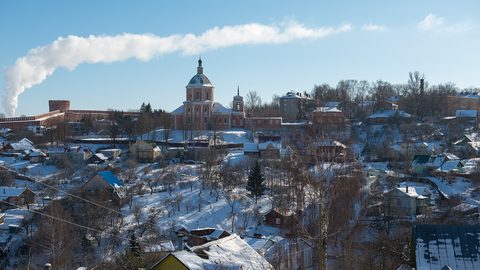
Season pushes everything up or down by 20 to 40 percent. June to August is high season: White Nights in the Baltic port, peak Volga cruise season, fully operational Trans Siberian with maximum daylight hours. Hotel rates spike. The first ten days of January, the New Year holiday period, see a domestic travel surge that jams transport and accommodation prices. Low season from October to April brings the lowest accommodation prices, except during that New Year spike, but Siberia drops below minus 30 degrees Celsius and some attractions and rural transport become unavailable.
Shoulder seasons of May and September offer cooler weather, fewer crowds, and moderate prices. May has two extended public holiday periods that cause domestic travel spikes; book transport and rooms ahead if travelling then.
The One Thing That Most Often Goes Wrong
First time visitors try to see Moscow, the city on the Neva, and a Trans Siberian segment in a single two week trip. That burns at least four full days on trains between the three nodes and leaves no time to actually experience any of them. The minimum for the two main cities with a day train between them is 14 days. Adding a meaningful Trans Siberian segment needs 21 to 30 days. Make the choice before you buy the flight: two cities or the railway, not both in one go.
Common Questions
Do I need a visa to enter Russia?
Most non CIS nationals require a visa. The unified e visa for 16 day stays is available for citizens of more than 55 countries and covers major airports and some land checkpoints. Full tourist visas require an invitation letter from a licensed tour operator or hotel and biometric fingerprint data collection at visa application centres for most nationalities.
Can I use my credit card in Russia?
Visa, Mastercard, and American Express issued outside Russia do not work. UnionPay cards have limited and declining acceptance. Bring US dollars or euros in cash and exchange them locally. Some tourists can obtain a Mir domestic card through certain banks, but the process is complex and not guaranteed.
How much cash should I carry?
For a trip that includes provincial towns, carry enough for three to four days at a time, roughly 10,000 to 20,000 RUB. In Moscow and the second city you can spend less cash if you have a Mir card, but outside those cities cash is essential for marshrutkas, market stalls, and small guesthouses.
Is the Trans-Siberian worth the time?
Only if you have 21 to 30 days for a meaningful segment. Trying to add the two main cities and a Trans-Siberian ride into a single two week trip burns at least four days on trains between the three nodes and leaves no time to actually experience any of them. Skip the train if you have fewer than three weeks.
Are guidebooks enough or do I need a local SIM?
Get a local SIM from MTS, Beeline, or MegaFon at the airport on arrival. Passport presentation is required. Mobile internet is fast and cheap in cities but vanishes for hours on Trans Siberian stretches. Install a VPN before departure; it unlocks Instagram, X, and many Western news sites. Google Maps works but 2GIS offers better public transport routing inside cities.
Read next
-
 Staying Connected in Russia With eSIM Local SIM or Roaming
How to get a working mobile connection in Russia, why a passport is required, and where the signal disappears on long train routes.
Staying Connected in Russia With eSIM Local SIM or Roaming
How to get a working mobile connection in Russia, why a passport is required, and where the signal disappears on long train routes.
-
 Best Time to Visit Russia by Season and Region
When to go to Russia and what each season actually does to transport, prices, and what you can see. Seasonal trade-offs, not a single month.
Best Time to Visit Russia by Season and Region
When to go to Russia and what each season actually does to transport, prices, and what you can see. Seasonal trade-offs, not a single month.
-
 Getting Around Russia by Train Bus and Ride Hailing
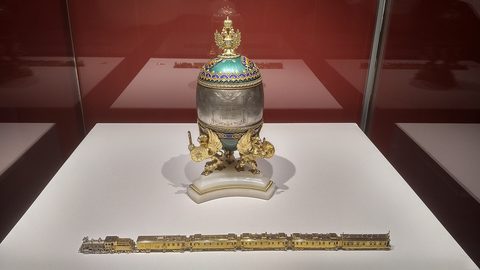
Russian Railways, marshrutka, elektrichka, and Yandex Go. How Russia actually connects and what the map oversells for travellers.
Getting Around Russia by Train Bus and Ride Hailing
Russian Railways, marshrutka, elektrichka, and Yandex Go. How Russia actually connects and what the map oversells for travellers.
-
 Russia Visa Requirements and the Invitation Letter Process
Russia visa requirements, the invitation letter, and the registration rule that catches independent travellers out. What to do before and after arrival.
Russia Visa Requirements and the Invitation Letter Process
Russia visa requirements, the invitation letter, and the registration rule that catches independent travellers out. What to do before and after arrival.
-
 Paying for Things in Russia With Rubles and Cards
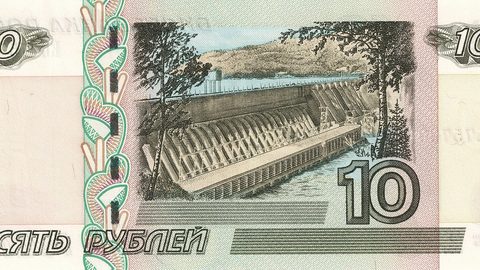
Russian rubles, Mir cards, and where cash still wins. What foreign visitors can and cannot pay with across Russia today.
Paying for Things in Russia With Rubles and Cards
Russian rubles, Mir cards, and where cash still wins. What foreign visitors can and cannot pay with across Russia today.
-
 Reading Russia Safety Advice Without Being Misled
Reading safety advice about Russia without being misled by it. Real risks, overstated fears, and what independent travellers should watch.
Reading Russia Safety Advice Without Being Misled
Reading safety advice about Russia without being misled by it. Real risks, overstated fears, and what independent travellers should watch.
-
 A Ground-Level Logistics Guide to Independent Travel in China
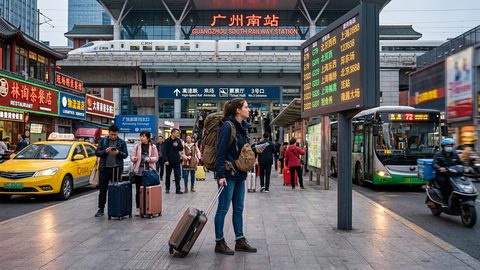
First-time independent travel in China: what you need to know about visas, rail booking, eSIMs, mobile payments, and power adapters.
A Ground-Level Logistics Guide to Independent Travel in China
First-time independent travel in China: what you need to know about visas, rail booking, eSIMs, mobile payments, and power adapters.
-
 How Solo Travelers Stay Ahead of Flight Delays and Cancellations
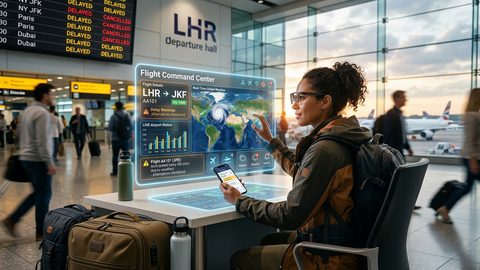
How solo travelers can track inbound aircraft, claim rebooking rights, and adjust ground transport when flights go wrong — step by step.
How Solo Travelers Stay Ahead of Flight Delays and Cancellations
How solo travelers can track inbound aircraft, claim rebooking rights, and adjust ground transport when flights go wrong — step by step.
-
 Why Your eSIM Might Not Work Abroad and How to Check Before You Go
Buying an eSIM doesn't guarantee signal abroad. Learn why coverage fails by location and how to verify reach before you commit to a plan.
Why Your eSIM Might Not Work Abroad and How to Check Before You Go
Buying an eSIM doesn't guarantee signal abroad. Learn why coverage fails by location and how to verify reach before you commit to a plan.