A Realistic Look at Whether Is Russia Safe for Tourists Right Now
Reading safety advice about Russia without being misled by it. Real risks, overstated fears, and what independent travellers should watch.
Reading Russia Safety Advice Without Being Misled
A traveller stands in line at Moscow Sheremetyevo passport control, phone open to a government travel advisory that warns of arbitrary detention and terrorism. Two hours later, that same traveller walks alone through a quiet Moscow park at 11 p.m. and feels safer than in most European capitals. That gap between official warnings and on-ground reality is the central problem with assessing whether Russia is safe for tourists. The honest answer depends on the traveller and the risk category.
Is Russia Safe for Tourists? the Real Street-Level Picture
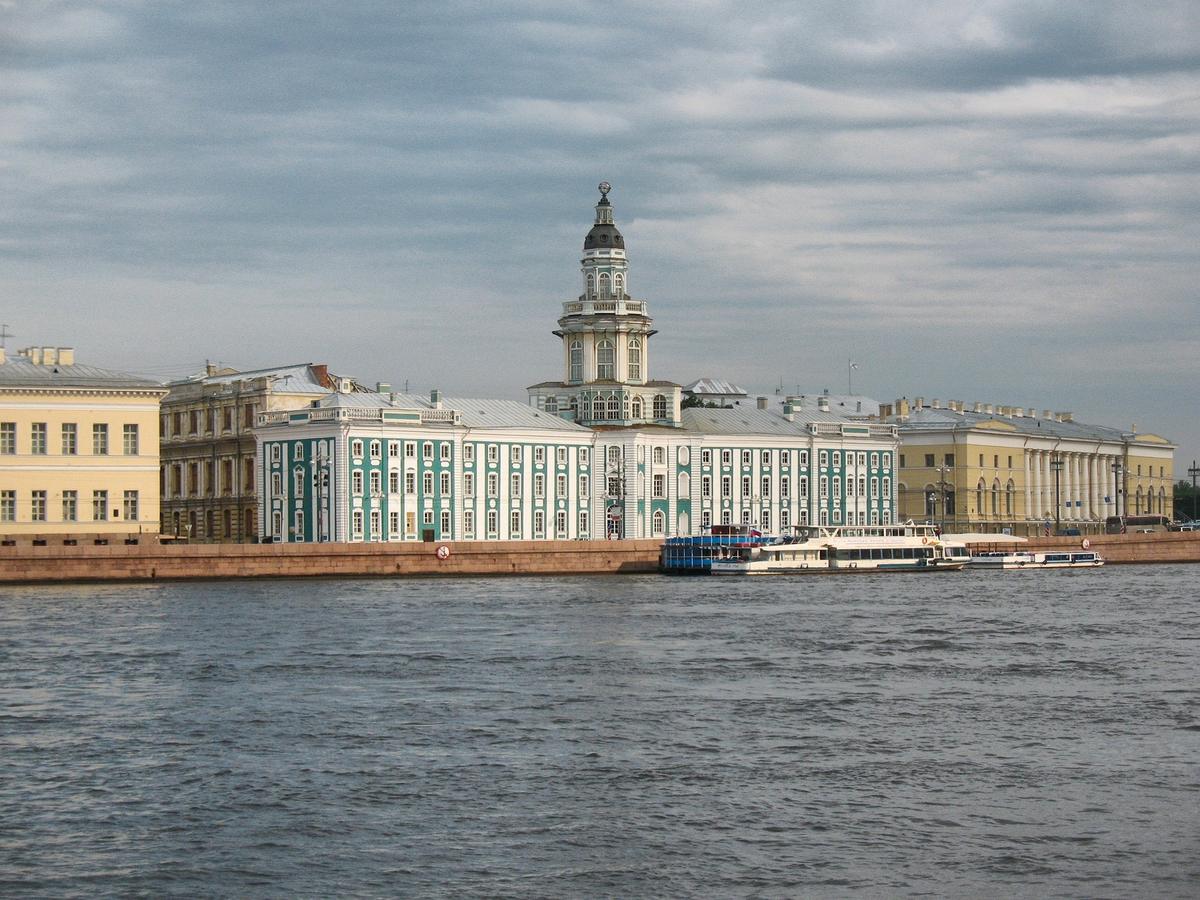
Yes. For the average tourist staying in central Moscow and St Petersburg, the everyday crime risk is lower than in Paris, London, or Rome. Pickpocketing exists in metro crowds and at major landmarks like the State Hermitage Museum queue. Violent street crime against foreigners is rare. The cities are heavily policed, well lit, and populated by locals who are not hostile to visitors, despite a cultural directness often read as cold.
The failure case is not violent crime. It is the traveller who confuses political risk with street-level safety and either cancels a trip unnecessarily or arrives unprepared for the real risks: legal jeopardy for LGBTQ+ identity, document bureaucracy, and hazardous rural roads after dark.

Russia Safety Advice for Travellers: What the Advisories Actually Mean
Multiple governments, including the US Department of State, the UK Foreign, Commonwealth & Development Office, and the Australian Department of Foreign Affairs and Trade, issue travel advisories for Russia. These documents blur together distinct risk categories: geopolitical tension, legal risk, and petty crime. The geopolitical warnings about conflict zones and embassy capacity are valid for those travelling near the Ukraine border or relying on consular support. They do not describe conditions in central Moscow or the Golden Ring towns of Vladimir and Suzdal.
How To Read Any Advisory
Ask two questions. Does this warning apply to the specific city you are visiting? Is the risk a crime risk you can avoid by staying alert, or a legal risk that no amount of caution can fully mitigate? The second distinction matters most for LGBTQ+ travellers and for anyone who may draw police attention.
LGBTQ Travel Russia Risks: Legal Hostility and Where it Applies
The legal reality for LGBTQ+ travellers in Russia is unambiguous. The 2013 law prohibiting propaganda of non-traditional sexual relationships to minors was extended in 2022 to ban all public expression of LGBTQ+ identity to any age group. Public displays of affection, pride symbols on clothing, or open discussion of same-sex relationships in public spaces carry legal risk. Enforcement is uneven but the penalty exists, and it is not limited to fines.
Where The Risk Is Highest And Lowest
In central Moscow and St Petersburg, the practical risk is lower than the law suggests. These cities have visible but quiet gay scenes: bars and clubs that operate without signage and rely on word of mouth. A same-sex couple holding hands on Nevsky Prospekt is more likely to receive a stare than a police visit. Outside these liberal urban bubbles, in the Volga Region, Siberia, the Caucasus, and the Urals, social hostility is higher and legal enforcement less predictable. If you visit Yekaterinburg or Kazan, assume the law will be applied strictly.
For any LGBTQ+ traveller, avoid public displays of affection, remove pride symbols from luggage and clothing before arrival, and research gay-friendly venues through private channels before departure. This is not street crime risk. It is legal and social risk that you cannot avoid by staying alert.
Russia Police Document Checks: What Triggers Them and How to Handle Them
Police officers from the GIBDD and the regular police have the authority to stop any person and demand identification. Foreign tourists are stopped more frequently than locals, especially in metro stations, train stations, and near major landmarks. The stop is usually a document check, not an arrest.
Carry at all times: your passport with the valid visa, the migration card you received on arrival, and proof of registration. Hotels register you automatically within seven working days of arrival. If you stay in private apartments, the host must register you at a local Ministry of Internal Affairs office or through the online portal. Independently rented apartments without registration are the single most common cause of fines and detention for tourists.
If You Are Stopped
Present documents calmly. Do not argue. Speak English and ask for an English-speaking supervisor if the officer does not speak English. A fine is standard for minor registration errors. Refusal to pay can escalate to court proceedings and deportation. The failure case is a tourist who tries to evade a check or who carries documents in a bag rather than on their person.
Moscow St Petersburg Safety: the Two Cities Where Risk is Lowest
Moscow and St Petersburg are safe by any global urban standard. Street crime is low. Public transport, including the metro, runs efficiently into the early hours. Women travelling alone report fewer incidents of harassment than in comparable Western cities. The main practical risks are petty theft in crowded spaces and the occasional police document check in transit hubs.
What Actually Goes Wrong
The most common problems are logistical failures, not crimes. Trying to see both Moscow and St Petersburg and add a Trans-Siberian leg in a single two-week trip burns at least four full days on trains alone. That leaves no time to experience either city. Carrying insufficient cash is another failure: many provincial ATMs accept only domestic Mir cards, not Visa or Mastercard, and cash is still king in small shops and on regional buses. The tap water in central districts of both cities meets national standards according to local authorities, but heavy metal and pipe contamination risk exists outside central districts. Treat it as not potable and buy bottled water.
Stay only in Moscow and St Petersburg for 14 days minimum. Carry your documents. Keep your phone charged with a local SIM from MTS, Beeline, or MegaFon, and install a VPN before departure. Your safety risk is negligible.

| Risk Type | Where It Applies | What To Do |
|---|---|---|
| Everyday street crime | Moscow, St Petersburg, Golden Ring, Kazan, Vladivostok | Keep valuables zipped; same precautions as any European capital; no need for extra fear |
| Police document check | All cities, especially metro and train stations | Carry passport, visa, migration card, and registration at all times; never argue; accept on-the-spot fine and pay promptly |
| LGBTQ+ legal risk | Everywhere, but enforcement stricter outside Moscow and St Petersburg | Avoid public displays of affection; remove pride symbols from luggage; research venues privately before arrival |
Provincial Russia and Remote Areas: Where the Risk Profile Shifts
Outside the two capitals, the risk profile changes. Crime rates in provincial cities like Irkutsk, Vladivostok, and Yekaterinburg are not notably high, but the environment is less forgiving of mistakes. Health infrastructure in rural and remote areas is limited. Facilities lack equipment and English-speaking staff are rare. Medical evacuation to Moscow may be required for serious conditions. The emergency medical number is 103; the unified emergency number 112 works from mobile phones.
Ticks, Rabies, And Rural Roads
The tick-borne encephalitis risk zone covers forested and rural areas of Siberia, the Urals, the Far East, and parts of the Volga and North-West federal districts, with seasonal transmission from spring to autumn. The same tick habitat transmits Lyme disease. Vaccination for encephalitis requires three doses over several months, with accelerated schedules possible. Plan this before departure, not after a bite.
Rabies is present in wild and domestic animal populations across all federal districts. Post-exposure prophylaxis is available in major city hospitals but may be difficult to access in remote areas. Avoid contact with stray dogs and wild animals.
Road conditions on regional and rural roads are unpaved, potholed, and unlit. The spring thaw, or rasputitsa, makes unpaved roads impassable for weeks in late March, April, and again in October and November. Winter ice and snow reduce speeds and close mountain passes in the Caucasus, Urals, and Altai. Winter tyres are mandatory from December through February; studded tyres are permitted but must display the Ш sign. An International Driving Permit is required for foreign licence holders.
Frequently Asked Questions
Do I need to register my visa if I stay in a private apartment?
Yes. Registration within seven working days of arrival is mandatory. Hotels do it automatically. If you stay in a private apartment, your host must register you at a local Ministry of Internal Affairs office or through the online portal. An unregistered guest is the most common cause of fines and detention.
Can I use my credit card everywhere in Russia?
No. Cash is king in small towns and on regional buses. Many provincial ATMs accept only domestic Mir cards, not Visa or Mastercard. Carry enough rubles for several days when travelling outside Moscow and St Petersburg.
Is it safe to walk alone at night in Moscow?
Yes. Central Moscow is well lit and heavily policed. Violent street crime against tourists is rare. Take standard precautions in metro areas and near train stations, but the risk is lower than in most Western European capitals.
What happens if I miss my registration deadline?
You face a fine. In serious cases, the fine can be higher and deportation is possible. Pay promptly. An unpaid fine can escalate to court proceedings and a re-entry ban.
Do I need a visa for a short trip?
Most non-CIS nationals need a tourist visa supported by a visa support letter from a Russian tour operator or hotel. Processing times vary by nationality. CIS nationals have visa-free entry with duration limits varying by bilateral agreement.
Is the tap water safe to drink in rural areas?
No. Tap water in rural areas is not potable without treatment. Surface and groundwater contamination from industrial and agricultural runoff is widespread. Boil or filter water, or buy bottled water in the nearest settlement.
What should I do if I am stopped by police?
Present your passport, visa, migration card, and registration calmly. Do not argue. Speak English and ask for an English-speaking supervisor if the officer does not speak English. Accept the fine if issued and pay within 20 days for a 50% discount.
Read next
-
 Staying Connected in Russia With eSIM Local SIM or Roaming
How to get a working mobile connection in Russia, why a passport is required, and where the signal disappears on long train routes.
Staying Connected in Russia With eSIM Local SIM or Roaming
How to get a working mobile connection in Russia, why a passport is required, and where the signal disappears on long train routes.
-
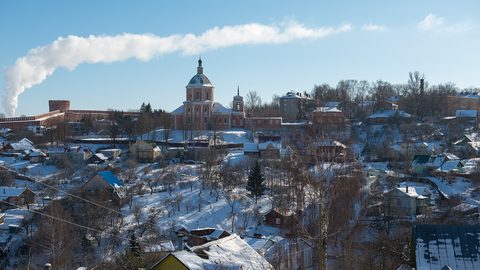 Best Time to Visit Russia by Season and Region
When to go to Russia and what each season actually does to transport, prices, and what you can see. Seasonal trade-offs, not a single month.
Best Time to Visit Russia by Season and Region
When to go to Russia and what each season actually does to transport, prices, and what you can see. Seasonal trade-offs, not a single month.
-
 Getting Around Russia by Train Bus and Ride Hailing
Russian Railways, marshrutka, elektrichka, and Yandex Go. How Russia actually connects and what the map oversells for travellers.
Getting Around Russia by Train Bus and Ride Hailing
Russian Railways, marshrutka, elektrichka, and Yandex Go. How Russia actually connects and what the map oversells for travellers.
-
 Russia Visa Requirements and the Invitation Letter Process
Russia visa requirements, the invitation letter, and the registration rule that catches independent travellers out. What to do before and after arrival.
Russia Visa Requirements and the Invitation Letter Process
Russia visa requirements, the invitation letter, and the registration rule that catches independent travellers out. What to do before and after arrival.
-
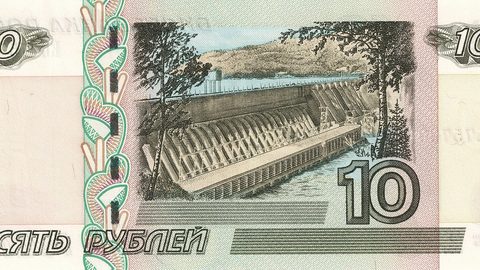 Paying for Things in Russia With Rubles and Cards
Russian rubles, Mir cards, and where cash still wins. What foreign visitors can and cannot pay with across Russia today.
Paying for Things in Russia With Rubles and Cards
Russian rubles, Mir cards, and where cash still wins. What foreign visitors can and cannot pay with across Russia today.
-
 What a Trip to Russia Costs and Where the Money Goes
How money actually works on a Russia trip, from Moscow hotel premiums to cash-only provincial buses and what makes the budget move.
What a Trip to Russia Costs and Where the Money Goes
How money actually works on a Russia trip, from Moscow hotel premiums to cash-only provincial buses and what makes the budget move.
-
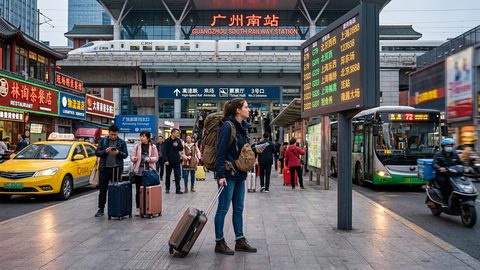 A Ground-Level Logistics Guide to Independent Travel in China
First-time independent travel in China: what you need to know about visas, rail booking, eSIMs, mobile payments, and power adapters.
A Ground-Level Logistics Guide to Independent Travel in China
First-time independent travel in China: what you need to know about visas, rail booking, eSIMs, mobile payments, and power adapters.
-
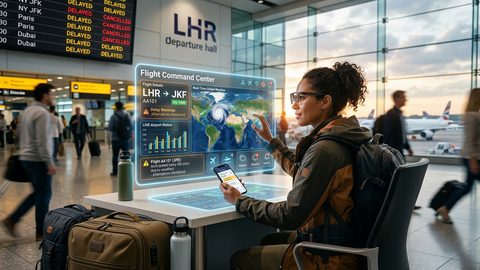 How Solo Travelers Stay Ahead of Flight Delays and Cancellations
How solo travelers can track inbound aircraft, claim rebooking rights, and adjust ground transport when flights go wrong — step by step.
How Solo Travelers Stay Ahead of Flight Delays and Cancellations
How solo travelers can track inbound aircraft, claim rebooking rights, and adjust ground transport when flights go wrong — step by step.
-
 Why Your eSIM Might Not Work Abroad and How to Check Before You Go
Buying an eSIM doesn't guarantee signal abroad. Learn why coverage fails by location and how to verify reach before you commit to a plan.
Why Your eSIM Might Not Work Abroad and How to Check Before You Go
Buying an eSIM doesn't guarantee signal abroad. Learn why coverage fails by location and how to verify reach before you commit to a plan.