When to Go to Russia and What Each Season Actually Does
When to go to Russia and what each season actually does to transport, prices, and what you can see. Seasonal trade-offs, not a single month.
When to Go to Russia and What Each Season Actually Does
You step off the Sapsan at Moscow's Leningradsky Station at 08:00 Moscow time and the platform clock says 08:00. The public address announcement is in Russian. The departure board is in Cyrillic. The ticket in your pocket says the train arrived three time zones ago. Russia runs on 11 time zones and permanent summer time since 2014. Outside international airports, signage is Cyrillic only. The best time to visit is not one month. It is a trade off between what you want to see, what you are willing to pay, and how much seasonal reality you can tolerate.
Peak Season: June to August
Book Everything Before You Land
June to August is when Moscow and St Petersburg are fully operational. All transport runs. Daylight stretches past 11 pm in St Petersburg because of the White Nights. The Hermitage queues are multi hour without an online booking. Peterhof hydrofoils run every 30 minutes from the Admiralty Embankment. The Volga cruise season peaks. The Trans Siberian sees its highest demand. Domestic tourism spikes too. Book train tickets the moment the 90 day booking window opens at 08:00 Moscow time.
Book the Armoury online. Book the Hermitage online. Book Peterhof online. The walk up purchase at the ticket office costs you two hours in line. Without advance reservations for the Armoury Chamber in the Kremlin or the Catherine Palace at Tsarskoye Selo, you spend your afternoons in queues or skip them entirely.

Russia White Nights Dates
St Petersburg After Dark
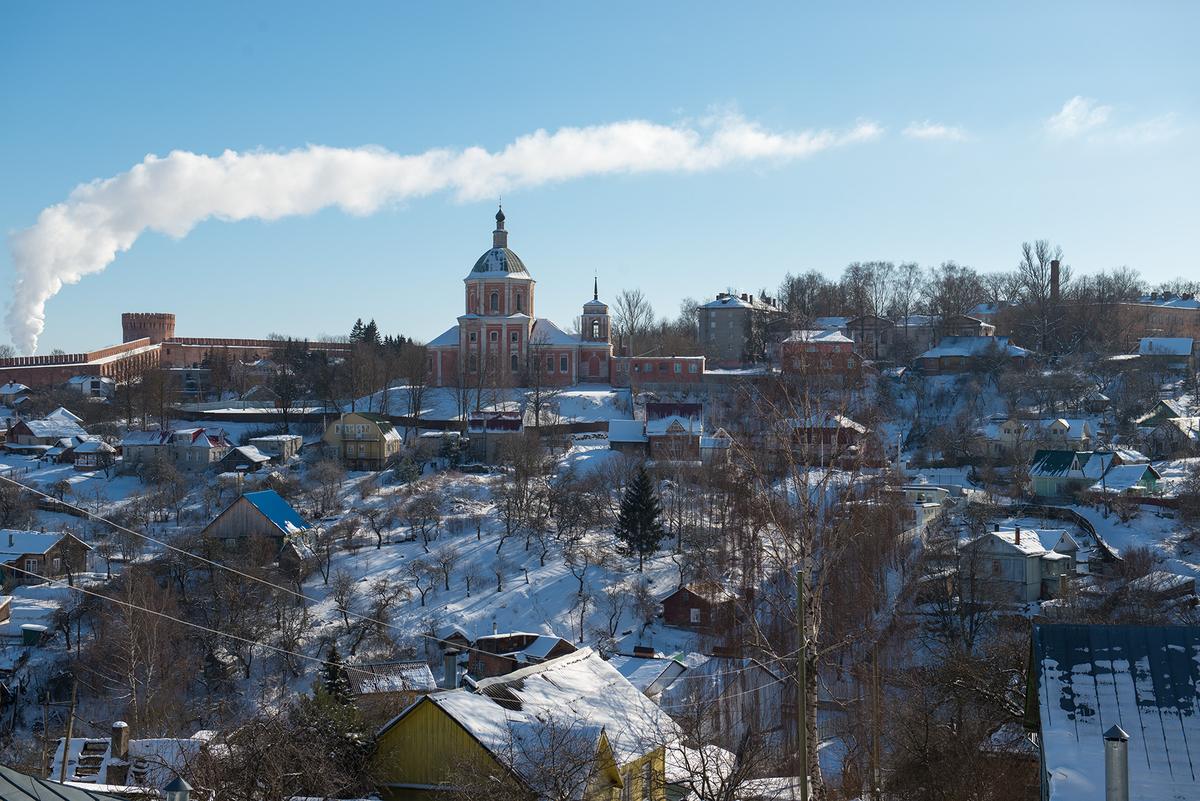
The White Nights happen north of approximately 59 degrees north latitude. St Petersburg sits at 59 degrees 56 minutes north. The period runs from late May to mid July. The sky never goes fully dark. Drawbridge openings over the Neva become a nightly spectacle from around 01:00 to 05:00. Restaurants and clubs stay open late. The Scarlet Sails festival in late June draws huge crowds. Book a hotel room facing the river or a boat tour at midnight. Take the hydrofoil to Peterhof early in the day; the afternoon return queues can run 40 minutes.
Murmansk Polar Day
Go north to Murmansk at 68 degrees 58 minutes north and the polar day lasts roughly two months from late May to late July. The sun does not set. This is not the same as the White Nights; it is 24 hour daylight. Mosquitoes in the Kola Peninsula are intense from late June through August. Bring repellent with at least 30 percent DEET.
Trans-Siberian Winter Travel
What Winter Does to the Train
The Trans Siberian Railway operates year round. Winter travel on it is a different category from summer. The trains are warm. The windows frost over. The stations in Siberia are colder than anything in European Russia. Omsk in January averages minus 20 degrees Celsius. Krasnoyarsk is similar. Irkutsk averages minus 18 in January. The daylight is short; expect sunrise around 09:00 and sunset around 17:00 in December. You see less of the landscape, but what you see is a white expanse of birch and pine under low sun.
Book a Lower Bunk
The practical advantage is ticket availability. Summer sellouts are rare in winter. Prices on the kupe four berth compartment are 30 to 40 percent lower than July. The platzkart open dormitory is even cheaper. You need a passport to book on rzd.ru or the RZD Passengers app. Tickets release 90 days in advance at 08:00 Moscow time. Book a lower bunk in kupe or platzkart; the upper bunk is harder to sit up in and colder because it is closer to the ceiling.
Russia Rasputitsa Mud Season
Stay on the Federal Highway
Rasputitsa is the Russian word for the two mud seasons when unpaved and secondary roads become impassable. The spring rasputitsa runs from mid March to late April in European Russia and from April to mid May in Siberia. The autumn rasputitsa runs from October to November. During these windows, do not drive to Suzdal. Do not drive to the Golden Ring towns of Vladimir or Suzdal unless you stay on the federal highway. The unpaved sections of the Golden Ring become a clay bog. Rural marshrutka timetables become unreliable. Even paved roads in some areas develop deep potholes from freeze thaw cycles.
River Routes Shut Down
The autumn rasputitsa also shuts down river navigation. The Volga cruise season ends in early to mid October. The Baikal summer navigation season ends in late October. If you plan to reach Olkhon Island on Lake Baikal in late October, the ferries have stopped and the ice road has not formed. You cannot cross until the ice road opens around mid February. A late October trip to Listvyanka from Irkutsk works because the road is paved, but Olkhon Island is inaccessible.
Lake Baikal Ice Season
Drive the Ice Road
The Lake Baikal ice road season runs from roughly mid February to late March. The exact dates depend on ice thickness, which varies annually. Ice thick enough for vehicle traffic forms by February. The road across the lake from the mainland to Olkhon Island is a seasonal highway marked by tracks in the snow. Drive on the ice in a UAZ minibus or a 4x4. The experience is not comfortable; the vehicles have no heat and the roads are bumpy. The reward is walking on transparent ice that is two meters thick, seeing the methane bubbles frozen in layers, and visiting the shamans' rocks on Olkhon.
When the Ice Fails
After late March the ice becomes unsafe. Cracks widen. Pressure ridges form. The road closes. If you arrive in early April, you can see the lake from the shore but you cannot walk on it or cross to Olkhon by vehicle. The alternative is a summer visit from mid May to late October when ferries run and you can take a boat tour, but you miss the ice entirely. Take the marshrutka from Irkutsk central market to Listvyanka, the closest Baikal access. From Listvyanka you can buy smoked omul at the market.

| Route | Best Window | What Goes Wrong Outside It |
|---|---|---|
| Moscow and St Petersburg | Late May to mid July for White Nights; September for fewer crowds | November to March: short daylight, snow, some palaces close early |
| Trans Siberian Railway | June to August for daylight and full service; February for cheap tickets and empty trains | April and October: mud season at intermediate stops, some excursions inaccessible |
| Lake Baikal ice | Mid February to late March for ice road and walking on the lake | April to mid May: ice unsafe, no ferries; November to mid January: ice too thin |
| Volga River cruise | Late May to early September for warm weather and open navigation | October: rain, cold, some sections close; November to April: frozen |
| Kamchatka helicopter tours | June to September; July to August for bears on the salmon run | October to May: snow closes valleys, Valley of Geysers inaccessible |
Domestic Holiday Logjams: May and New Year
Early May Gridlock
The first two weeks of May are a single national logjam. May 1 is Spring and Labor Day. May 9 is Victory Day. The Russian government frequently bridges the gap with extra days off, creating a week or more of travel. Every Russian with the means goes somewhere. Trains sell out. Hotels in Moscow, St Petersburg, and Sochi double their rates. The Golden Ring towns fill with domestic tourists. If you must travel in early May, book the Sapsan between Moscow and St Petersburg at least 60 days in advance. The Lastochka trains to Vladimir and Suzdal also sell out.
New Year Shutdown
The New Year period from December 30 to January 10 is the other domestic peak. The first week of January is the Orthodox Christmas shutdown. Many museums and smaller restaurants close. Services are reduced. The Trans Siberian sees its second highest demand after summer. If you plan a New Year trip, reserve kupe or SV compartments three months ahead. Arrive in a small Siberia town on January 3 and the only open food outlet is the station kiosk selling instant noodles and beer.
When to Skip Entirely
The first week of January is not worth it. Orthodox Christmas, New Year shutdowns, reduced museum hours, and limited restaurant options combine to make it the lowest value window. The first two weeks of May are crowded, expensive, and logistically strained. The rasputitsa mud seasons in late March to April and October to November close rural roads and river routes. If you have only 14 days, do not try to see Moscow, St Petersburg, and a Trans Siberian segment in one trip. That common mistake burns at least four full days on trains and leaves no time to experience any of them.
This country suits independent travellers who accept complex logistics, history travellers focused on the Soviet era or Tsarist empire, rail enthusiasts, and adventure overlanders willing to spend days on trains. It does not suit travellers who want spontaneity, last minute changes, or a place that caters to mass tourism. The single thing that most often goes wrong: underestimating how much time is lost to sheer distances, Cyrillic only signage, and a cultural directness that does not hold your hand.
Frequently Asked Questions
What is the cheapest month to visit Russia?
November and February are the lowest demand months for airfare and hotels, outside the holiday peaks. November has the autumn rasputitsa and short daylight. February has extreme cold in Siberia but reliable ice on Lake Baikal. Kupe compartments on the Trans Siberian run 30 to 40 percent less than July.
Can I visit Russia without a visa?
Most non CIS nationalities require a visa. An eVisa is available for citizens of 60 plus countries, listed by the Russian Ministry of Foreign Affairs, and permits stays up to 16 days. Apply no earlier than 40 days before entry and no later than 4 days before entry. Standard tourist visas require a tourism voucher and confirmation from a Russian licensed tour operator.
Is the Trans Siberian comfortable in winter?
The train carriages are heated and comfortable. The temperature inside kupe compartments stays around 20 degrees Celsius. The corridors near the doors can be cold. Wear warm clothing for the platforms because stops in cities like Omsk or Krasnoyarsk can be minus 20 and the platform walk to the station building takes two to three minutes.
When can I see the Northern Lights in Russia?
The Northern Lights are visible from late August to mid April in Murmansk Oblast, Arkhangelsk Oblast, Karelia, and northern Krasnoyarsk Krai. The peak months around the equinoxes in March and September offer the highest probability. You need clear skies and minimal light pollution. Murmansk is the most accessible base, reachable by a 2 hour flight from Moscow.
Can I drive Russia's roads in spring?
Only federal highways are reliable during the spring rasputitsa from mid March to late April in European Russia and April to mid May in Siberia. Regional and unpaved roads become impassable for weeks. The Golden Ring towns are reachable by highway but the secondary roads to monasteries and villages are mud. A 4x4 with winter tyres helps but does not guarantee passage.
Read next
-

 Staying Connected in Russia With eSIM Local SIM or Roaming
How to get a working mobile connection in Russia, why a passport is required, and where the signal disappears on long train routes.
Staying Connected in Russia With eSIM Local SIM or Roaming
How to get a working mobile connection in Russia, why a passport is required, and where the signal disappears on long train routes.
-
 Getting Around Russia by Train Bus and Ride Hailing
Russian Railways, marshrutka, elektrichka, and Yandex Go. How Russia actually connects and what the map oversells for travellers.
Getting Around Russia by Train Bus and Ride Hailing
Russian Railways, marshrutka, elektrichka, and Yandex Go. How Russia actually connects and what the map oversells for travellers.
-
 Russia Visa Requirements and the Invitation Letter Process
Russia visa requirements, the invitation letter, and the registration rule that catches independent travellers out. What to do before and after arrival.
Russia Visa Requirements and the Invitation Letter Process
Russia visa requirements, the invitation letter, and the registration rule that catches independent travellers out. What to do before and after arrival.
-
 Paying for Things in Russia With Rubles and Cards
Russian rubles, Mir cards, and where cash still wins. What foreign visitors can and cannot pay with across Russia today.
Paying for Things in Russia With Rubles and Cards
Russian rubles, Mir cards, and where cash still wins. What foreign visitors can and cannot pay with across Russia today.
-
 Reading Russia Safety Advice Without Being Misled
Reading safety advice about Russia without being misled by it. Real risks, overstated fears, and what independent travellers should watch.
Reading Russia Safety Advice Without Being Misled
Reading safety advice about Russia without being misled by it. Real risks, overstated fears, and what independent travellers should watch.
-
 What a Trip to Russia Costs and Where the Money Goes
How money actually works on a Russia trip, from Moscow hotel premiums to cash-only provincial buses and what makes the budget move.
What a Trip to Russia Costs and Where the Money Goes
How money actually works on a Russia trip, from Moscow hotel premiums to cash-only provincial buses and what makes the budget move.
-
 A Ground-Level Logistics Guide to Independent Travel in China
First-time independent travel in China: what you need to know about visas, rail booking, eSIMs, mobile payments, and power adapters.
A Ground-Level Logistics Guide to Independent Travel in China
First-time independent travel in China: what you need to know about visas, rail booking, eSIMs, mobile payments, and power adapters.
-
 How Solo Travelers Stay Ahead of Flight Delays and Cancellations
How solo travelers can track inbound aircraft, claim rebooking rights, and adjust ground transport when flights go wrong — step by step.
How Solo Travelers Stay Ahead of Flight Delays and Cancellations
How solo travelers can track inbound aircraft, claim rebooking rights, and adjust ground transport when flights go wrong — step by step.
-
 Why Your eSIM Might Not Work Abroad and How to Check Before You Go
Buying an eSIM doesn't guarantee signal abroad. Learn why coverage fails by location and how to verify reach before you commit to a plan.
Why Your eSIM Might Not Work Abroad and How to Check Before You Go
Buying an eSIM doesn't guarantee signal abroad. Learn why coverage fails by location and how to verify reach before you commit to a plan.