Your Philippines Public Holidays Calendar and What It Means
Holy Week, Undas, and the months-long Christmas season disrupt Philippine transport and sell out accommodation.
Philippine Public Holidays and the Days Everything Stops
The dates you choose determine whether you spend your days island-hopping or stuck in a ferry queue. The Philippines public holidays calendar includes a handful of dates that shut down travel, spike prices, and pack every port and airport. The rest you can largely ignore. These are the holidays that actually disrupt movement, not the ones that merely close a government office.
Which Holidays Shut Down Travel and Sell Out Accommodation
Three holiday periods force the entire country to move at once. Holy Week in March or April is the biggest: the entire nation travels, ferries and buses sell out weeks ahead, and prices spike across all islands. Undas, which covers All Saints' Day on 1 November, packs cemeteries and roads across Luzon and the Visayas. The Christmas season, which runs from September to the end of the year, drives massive internal travel demand that strains the limited inter-island ferry capacity. If you book during any of these windows, you need reservations three to six months ahead, not weeks.

Fixed Date Public Holidays and What Actually Closes
Regular Fixed Holidays
Fixed date holidays in the Philippines follow the Gregorian calendar and fall on the same day every year. On these dates, government offices and banks close, but retail and hospitality remain open. The fixed list includes New Year's Day on 1 January, Araw ng Kagitingan on 9 April, Labor Day on 1 May, Independence Day on 12 June, National Heroes Day on the last Monday of August, Bonifacio Day on 30 November, Christmas Day on 25 December, and Rizal Day on 30 December.
Special Non-Working Days
Special non-working fixed dates include Ninoy Aquino Day on 21 August, All Saints' Day on 1 November, the Feast of the Immaculate Conception of Mary on 8 December, and the Last Day of the Year on 31 December. On these special days, government offices close and some corporate offices follow suit, but banks may operate shortened hours. Retail and hospitality stay open. These dates do not cause the travel chaos that Holy Week or Undas produce.
Movable Holidays and the Lunar Calendar Dependency
Movable holidays shift each year because they depend on the lunar calendar, the Islamic calendar, or a proclamation. Holy Week, which includes Maundy Thursday and Good Friday, moves with the lunar calendar and falls in March or April. Eid'l Fitr and Eid'l Adha follow the Islamic lunar calendar and shift annually by roughly 10 to 12 days. The Philippine government also declares Chinese New Year as a special non-working day, and 25 February marks the EDSA People Power Revolution Anniversary, which is declared by annual proclamation.
For Holy Week, the dates are published by the Philippine government through the Official Gazette each year. The Philippine Atmospheric, Geophysical and Astronomical Services Administration, known as PAGASA, does not set these dates; the proclamation comes from the Office of the President. Check the official proclamation for the exact dates in the year you plan to travel, because buying ferry tickets without knowing Holy Week means you risk sold-out crossings on the Cebu to Bohol or Batangas to Caticlan corridors.
| Holiday | Type | Date or Timing |
|---|---|---|
| New Year's Day | Regular holiday, fixed | 1 January |
| Araw ng Kagitingan | Regular holiday, fixed | 9 April |
| Maundy Thursday | Regular holiday, movable | March or April, lunar calendar |
| Good Friday | Regular holiday, movable | March or April, lunar calendar |
| Eid'l Fitr | Regular holiday, movable | Islamic lunar calendar |
| Eid'l Adha | Regular holiday, movable | Islamic lunar calendar |
| Labor Day | Regular holiday, fixed | 1 May |
| Independence Day | Regular holiday, fixed | 12 June |
| National Heroes Day | Regular holiday, fixed | Last Monday of August |
| Bonifacio Day | Regular holiday, fixed | 30 November |
| Christmas Day | Regular holiday, fixed | 25 December |
| Rizal Day | Regular holiday, fixed | 30 December |
| Ninoy Aquino Day | Special non-working, fixed | 21 August |
| All Saints' Day (Undas) | Special non-working, fixed | 1 November |
| Feast of the Immaculate Conception | Special non-working, fixed | 8 December |
| Last Day of the Year | Special non-working, fixed | 31 December |
| Chinese New Year | Special non-working, movable | Lunar calendar, annual proclamation |
| EDSA People Power Anniversary | Special non-working, movable | 25 February, annual proclamation |
Philippines Holy Week Travel Impact: the Period That Halts the Country
What Shuts Down
Holy Week is the single most disruptive travel period in the Philippines. From Maundy Thursday through Black Saturday, most businesses close, shopping malls shut their doors, and public transport reduces services or suspends routes entirely. Internal travel is booked solid weeks ahead. The entire country moves: families return to their home provinces, and the ferry terminals in Manila, Cebu, and Batangas turn into gridlocked crowds. The outrigger ferry and RORO passenger ferry operators run at full capacity, but boarding, unloading, and weather holds routinely turn a two-hour ferry into a five-hour ordeal during this week.
Booking and Prices
Book accommodation for Holy Week at least three months in advance. Expect rates to spike by 50 to 100 percent above normal. The peak travel period overlaps with the dry season driven by the northeast monsoon, known locally as amihan, which runs from the end of the year to April, so the weather is good but the availability is not. If you arrive during Holy Week without reservations, you will spend the week stuck in Manila or Cebu City. The Moriones Festival on Marinduque runs during Holy Week and fills every room on that island.
Philippines Undas All Saints Day: Cemeteries and Roads Packed
Undas, observed on 1 November as All Saints' Day, is the second most disruptive travel event in the Philippines. Many businesses close or operate half-day. Cemeteries across Luzon and the Visayas fill with families cleaning and visiting graves, and the roads around major cemeteries in Metro Manila, Quezon City, and provincial capitals grind to a halt. Travel hubs experience extreme congestion on 31 October and 1 November, with buses and jeepneys running packed routes to provincial cemeteries.
If you travel during Undas, book ferry and bus tickets at least two weeks ahead. ATMs on small islands often run out of cash during this period, so carry a deep cash buffer of at least PHP 10,000. The Philippine peso is the only currency accepted at most port terminals, and credit card acceptance is common in hotels and malls in urban areas but absent in local markets and rural travel. The holiday pay rule on 1 November means special non-working day rates apply: 130 percent of the daily rate if worked. For the traveller, this means nothing closes completely, but the crowds on the road and at the port make movement slow.
Philippines Christmas Season Dates: September to December Surge
The Longest Holiday Season in Asia
The Philippines Christmas season runs from September to the end of the year, making it the longest holiday period in Asia. The surge in internal travel begins in September and intensifies through the final months, driven by the school break from mid-December to early January and the Christmas break that sees millions of overseas Filipino workers return home. The peak comes between 20 December and 5 January, when flights from Ninoy Aquino International Airport, Mactan-Cebu International Airport, and Clark International Airport are fully booked and fares double.
What to Book and When
The Giant Lantern Festival in San Fernando, Pampanga, takes place on the Saturday before Christmas Eve and draws large crowds from Metro Manila. Christmas Day on 25 December and Rizal Day on 30 December are regular holidays, while 31 December is a special non-working day. The Last Day of the Year sees many businesses close early. Book internal flights for this period by September. Ferry tickets on the Manila to Cebu and Manila to Iloilo corridors sell out by November. If you plan to island-hop during Christmas week, expect ferry schedules to be aspirational: confirm at the port the day before, because online timetables are not reliable during holiday surges.

Philippines Sinulog Ati-Atihan Dates: Festivals That Fill Cities
January Crowds in the Visayas
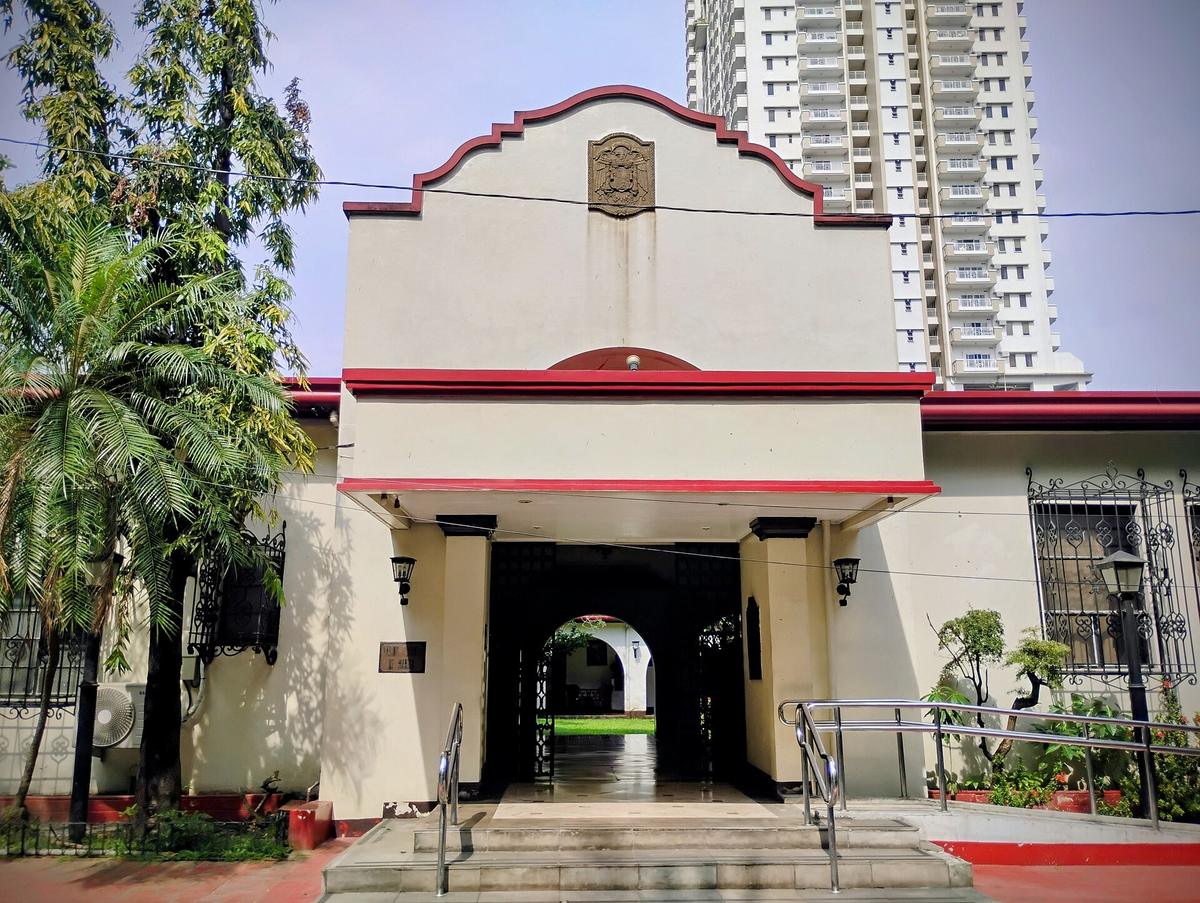
Sinulog Festival in Cebu City falls on the third Sunday of January, and Ati-Atihan Festival in Kalibo, Aklan, also falls on the third Sunday of January. These two festivals run on the same weekend and draw hundreds of thousands of participants each. Accommodation in Cebu City and Kalibo sells out three to six months ahead. Prices spike across the Visayas as travellers move between the two events. Dinagyang Festival in Iloilo City follows on the fourth Sunday of January, extending the crowding through the month.
Sinulog fills every hotel in Cebu City and the surrounding towns of Mactan Island. Book rooms by October. Ati-Atihan packs Kalibo, a town that normally has limited accommodation, so many attendees stay in Boracay and commute via the Caticlan jetty. Expect tricycle and jeepney fares to double during festival weekends. The Philippine peso is the only currency accepted for these local rides; carry small bills.
Other Festivals That Fill Hotels
MassKara Festival in Bacolod City falls on the fourth Sunday nearest 19 October and fills accommodation on Negros Island. Kadayawan Festival in Davao City runs during the third week of August and fills Davao City hotels. Panagbenga Festival in Baguio City runs through February with the main parade on the last weekend, packing the highland city with internal tourists.
Regional Festivals and Local Non-Working Holidays
Every province, city, and municipality in the Philippines observes its own foundation day or fiesta as a local non-working holiday. These dates vary by locality and are not listed on the national holidays calendar. Check the local government unit's website before booking. For example, Pahiyas Festival in Lucban, Quezon, falls on 15 May and fills every room in that town. Kadayawan Festival in Davao City in the third week of August fills Davao City and generates heavy internal flight demand from Manila and Cebu.
MassKara Festival in Bacolod City on the fourth Sunday nearest 19 October fills accommodation in Bacolod and nearby Silay City. The festival drives demand on the Manila to Bacolod ferry corridor. Panagbenga Festival in Baguio City in February, with the main parade on the last weekend, fills Baguio and the surrounding Benguet province. For all regional festivals, book accommodation at least two months ahead and carry cash because ATMs in smaller towns can run out.
What Closes, What Stays Open, and the Cash Rule
Opening Hours by Holiday Type
On regular holidays, government offices, banks, and most corporate offices close. Retail and hospitality remain open. On special non-working days, government offices and some corporate offices close, banks may close or operate shortened hours, and retail and hospitality stay open. During Holy Week from Maundy Thursday to Black Saturday, most businesses, shopping malls, and public transport reduce services or suspend operations. Internal travel is heavily booked. On All Saints' Day, many businesses close or operate half-day, and transport hubs are extremely congested.
The Cash Rule
Carry cash because ATMs are scarce on small islands and often offline. PHP 10,000 is the recommended minimum buffer. Credit card acceptance is common in hotels, resorts, and malls in urban areas, but cash is required in local markets, small eateries, and rural travel. The Philippine peso is the currency, and the currency import limit is PHP 50,000 without prior authorization. Foreign currency above USD 10,000 must be declared. Tap water is not potable in most areas, so budget for bottled water. Buy a Globe or Smart SIM at the airport on arrival for PHP 50 to 100, and bring your passport for mandatory SIM registration.
The One Thing That Most Often Goes Wrong
The single most common mistake travellers make with Philippine public holidays is assuming a two-hour ferry means a two-hour journey. During Holy Week, Undas, and the Christmas season, boarding, unloading, and weather holds routinely turn a two-hour crossing into a five-hour ordeal. Confirm ferry schedules at the port the day before, because online timetables are aspirational. Internal flight delays and cancellations are routine, especially with Cebu Pacific and AirAsia, and never book a tight international connection on the same day. The ferry corridors that get hit hardest are Cebu to Bohol, Batangas to Caticlan for Boracay, and Manila to Cebu. If you travel during any of the peak periods, budget an extra day between connections and carry enough cash to cover an unplanned overnight stay.
Common Questions
What is the most disruptive holiday for travel in the Philippines?
Holy Week, which falls in March or April and moves with the lunar calendar, is the most disruptive. The entire country moves, ferries and buses sell out weeks ahead, roads gridlock, and prices spike. Most businesses close from Maundy Thursday through Black Saturday.
Do I need to book accommodation ahead for Sinulog or Ati-Atihan?
Yes. Book Cebu City accommodation for Sinulog by October. Kalibo accommodation for Ati-Atihan is limited; many travellers stay in Boracay and take the ferry from Caticlan.
What shuts down on All Saints' Day in the Philippines?
Many businesses close or operate half-day on 1 November. Cemeteries and roads are extremely congested. Government offices close, and banks may close or operate shortened hours. Transport hubs are crowded but operational.
When does the Christmas season start and end in the Philippines?
The Christmas season runs from September to the end of the year. The peak travel surge occurs from mid-December to early January, driven by the Christmas break and the school holiday.
Are Philippine public holidays fixed or movable?
Some are fixed on the Gregorian calendar, like Independence Day on 12 June and Christmas Day on 25 December. Others are movable because they follow the lunar calendar, such as Holy Week, or the Islamic calendar, such as Eid'l Fitr and Eid'l Adha.
Do shopping malls close on regular holidays in the Philippines?
No. Retail and hospitality remain open on regular holidays. Government offices and banks close. During Holy Week, many shopping malls close from Maundy Thursday through Black Saturday.
What happens if I arrive during Holy Week without bookings?
You risk being stuck in Manila or Cebu City. Ferries sell out weeks ahead, internal flights are full, and roads to popular destinations like Boracay or El Nido are gridlocked. Budget for a minimum of PHP 10,000 in cash because ATMs may run out.
Read next
-
 Staying Connected in the Philippines with eSIM, Local SIM or Pocket Wi-Fi
Choosing between a Philippines eSIM, local Globe or Smart SIM, or pocket Wi-Fi depends on which islands you visit and how much offline backup you plan for
Staying Connected in the Philippines with eSIM, Local SIM or Pocket Wi-Fi
Choosing between a Philippines eSIM, local Globe or Smart SIM, or pocket Wi-Fi depends on which islands you visit and how much offline backup you plan for
-
 Best Time to Visit the Philippines, Amihan, Habagat, and Typhoon Season Explained
The Philippines has two monsoons, a typhoon belt, and a Holy Week that shuts the country down.
Best Time to Visit the Philippines, Amihan, Habagat, and Typhoon Season Explained
The Philippines has two monsoons, a typhoon belt, and a Holy Week that shuts the country down.
-
 Getting Around the Philippines, Ferries, Flights, and Why the Map Lies
Domestic flights, RORO ferries, fast cats, bangkas, jeepneys, and tricycles—here is how Philippine transport actually works, and why every journey takes
Getting Around the Philippines, Ferries, Flights, and Why the Map Lies
Domestic flights, RORO ferries, fast cats, bangkas, jeepneys, and tricycles—here is how Philippine transport actually works, and why every journey takes
-
 Philippines Visa Requirements, Who Gets Visa-Free Entry and Who Needs to Apply
Most nationalities get 30 days visa-free in the Philippines, with extensions possible up to 36 months.
Philippines Visa Requirements, Who Gets Visa-Free Entry and Who Needs to Apply
Most nationalities get 30 days visa-free in the Philippines, with extensions possible up to 36 months.
-
 Money in the Philippines, Cash Rules, ATM Reliability, and What Cards Actually Work
The Philippines runs on cash, especially on small islands where ATMs are scarce and often offline.
Money in the Philippines, Cash Rules, ATM Reliability, and What Cards Actually Work
The Philippines runs on cash, especially on small islands where ATMs are scarce and often offline.
-
 Safety in the Philippines, Reading the Advice Without Being Misled by It
Government advisories flag specific Philippine regions, but most tourist destinations are low-risk.
Safety in the Philippines, Reading the Advice Without Being Misled by It
Government advisories flag specific Philippine regions, but most tourist destinations are low-risk.
-
 A Ground-Level Logistics Guide to Independent Travel in China
First-time independent travel in China: what you need to know about visas, rail booking, eSIMs, mobile payments, and power adapters.
A Ground-Level Logistics Guide to Independent Travel in China
First-time independent travel in China: what you need to know about visas, rail booking, eSIMs, mobile payments, and power adapters.
-
 How Solo Travelers Stay Ahead of Flight Delays and Cancellations
How solo travelers can track inbound aircraft, claim rebooking rights, and adjust ground transport when flights go wrong — step by step.
How Solo Travelers Stay Ahead of Flight Delays and Cancellations
How solo travelers can track inbound aircraft, claim rebooking rights, and adjust ground transport when flights go wrong — step by step.
-
 Why Your eSIM Might Not Work Abroad and How to Check Before You Go
Buying an eSIM doesn't guarantee signal abroad. Learn why coverage fails by location and how to verify reach before you commit to a plan.
Why Your eSIM Might Not Work Abroad and How to Check Before You Go
Buying an eSIM doesn't guarantee signal abroad. Learn why coverage fails by location and how to verify reach before you commit to a plan.