Understanding Your New Zealand Trip Cost Breakdown by Season and Style
How a New Zealand trip budget actually works, from the big unavoidable costs to the seasonal spikes and the spending leaks that catch first-timers out.
The Shape of a New Zealand Travel Budget
Why a Single Number Fails
Most travellers ask for a single number when planning a New Zealand trip cost breakdown. That question has no useful answer. A summer camping road trip in a rental car and a South Island ski week in a Queenstown hotel sit on different planets. The real question is which cost drivers dominate your trip and how seasonal demand shifts them. A campervan trip, for example, rearranges the entire budget: the van itself becomes your largest line item, your accommodation merges with transport, and you trade motel bills for DOC campsite fees and diesel. That structural choice matters more than any per night rate you might look up online.
How Much to Budget for New Zealand: the Real Cost Drivers
Transport Comes First
The big ticket items that determine whether a trip feels expensive or reasonable are international flights, transport within the country, accommodation, and activities. The first is a market price outside your control. The other three you shape by your style, season, and how far ahead you book.
Transport eats the largest share for most visitors. Self driving a rental car or campervan is the only way to see the country properly. The distances are punishing. Queenstown to Milford Sound is 4 hours each way by road, a 12 hour day total. Add 25 percent to any Google Maps estimate over 100 kilometres. Those estimates assume you will drive the open road speed limit of 100 km/h on narrow winding two lane roads with no median barrier. You will not.
Petrol is expensive and stations are sparse outside towns. Fill up before long rural stretches, especially on the West Coast and across the Mackenzie Basin. Under budgeting for fuel on the West Coast is one of the most common mistakes first timers make. Cash leaks happen at the pump, at the inter island ferry booking that books out weeks ahead in summer, and at the rental counter where one way fees for inter island drop off and insurance excess can double a daily rate.
Accommodation: Pick Your Rung
Accommodation follows a clear hierarchy from cheapest to most expensive: DOC basic campsite, commercial campground powered site, backpacker hostel dorm bed, budget motel double, holiday park cabin, mid range motel double, Airbnb entire home, hotel double, luxury lodge. Where you fall on that ladder determines your per night spend more than any other single choice. A DOC hut booking on a Great Walk costs a fraction of a Queenstown hotel room in summer, but you need to book those huts months ahead. Great Walks operate from late October to late April with full services. Outside that window facilities are reduced and hut wardens are absent.
Activities: The Budget Wildcard
Activities are the wildcard. Guided tours and adventure sports are the biggest budget expanders. A Milford Sound cruise or a heli hike on Franz Josef Glacier requires advance booking and a separate weather window. Booking Milford Sound day of is a trap: you risk missing a slot entirely in peak season and paying a premium for a walk in ticket from a third party desk. Tongariro Alpine Crossing requires a shuttle booking. Hobbiton is guided tour only and books weeks ahead. These are non optional pre trip reservations, not things you can decide on the morning of.

New Zealand Daily Travel Expenses: Where Money Leaks and Where it Stretches
Food, Fuel, and the Supermarket Strategy
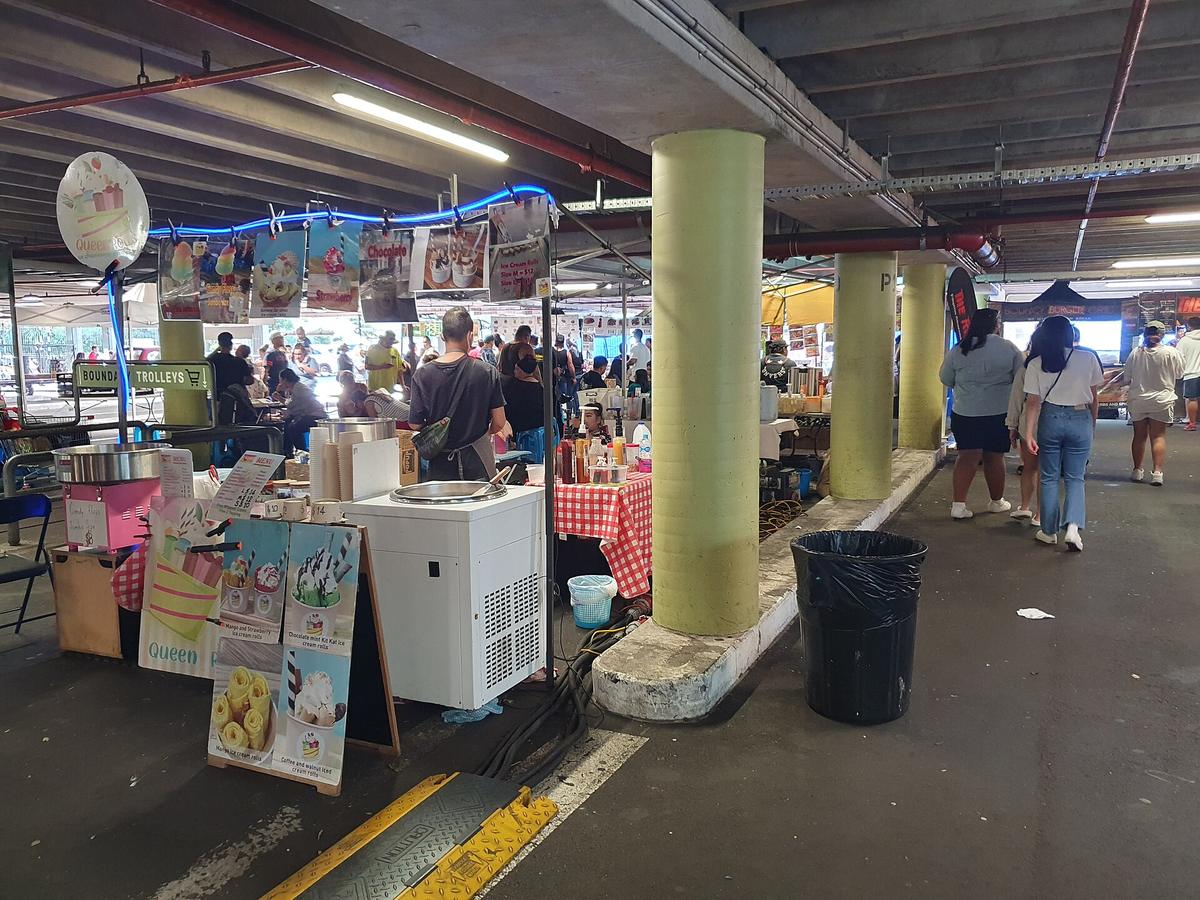
Daily expenses break into predictable bands if you know what to expect. Self catering at a supermarket is significantly cheaper than eating out. Restaurant dining in New Zealand is expensive relative to most travellers home countries. Fresh produce in supermarkets is surprisingly costly because of the country's isolation and growing season constraints. Wine in a supermarket is cheap. Alcohol is taxed by volume so a bottle of Marlborough Sauvignon Blanc that sells for NZD 12 in a supermarket will cost NZD 45 in a Queenstown restaurant.
The unexpected cheap items rescue a budget traveller. DOC campsites and basic huts cost very little. Free public barbecues in parks and reserves let you cook a meal for the price of the meat. Many day hikes and natural attractions charge nothing: the Hooker Valley Track at Aoraki Mount Cook, Pancake Rocks at Punakaiki, Huka Falls, the Moeraki Boulders. These are some of the finest things in the country and they cost zero dollars.
Connectivity and Cash
Mobile data for prepaid tourists is unexpectedly expensive. Buy a local SIM from Spark, One NZ, or 2degrees at the airport or any supermarket. Coverage is patchy outside towns. Download offline maps before driving anywhere because mobile phone coverage vanishes on many rural highways and on most hiking tracks. Free WiFi is rare and often slow. Cafes and libraries are your best bet. Do not rely on streaming maps when you have no signal on the West Coast.
Cash is rarely needed in cities. EFTPOS and contactless payment are widespread. Credit card surcharges of 1.5 to 3 percent are common. Small vendors, rural cafes, and some campsites may require cash, so keep a small amount on hand.
New Zealand Campervan Holiday Cost Structure
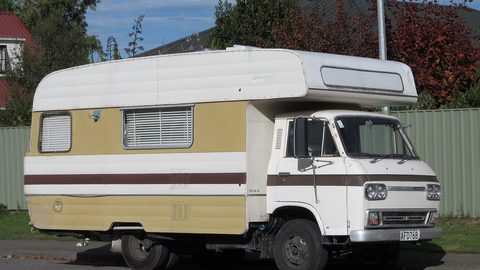
A campervan holiday rearranges the typical cost structure. The hire itself becomes the largest single expense. You pay a daily rate plus insurance and one way fees if you pick up in one island and drop off on the other. The inter island ferry for a camper must be booked weeks ahead in summer; vehicle spaces sell out. The ferry crosses between Wellington and Picton, operated by Interislander and Bluebridge.
Freedom camping is restricted in many areas. You need a certified self contained vehicle to camp outside designated campgrounds. Local council bylaws vary, and fines for illegal freedom camping are real. You will still pay for commercial campground powered sites and holiday park cabins regularly, not only for DOC campsites. The cost savings come from eliminating motel and hotel rooms entirely, not from camping for free everywhere.
Fuel costs for a camper are higher than for a small rental car because the rig is larger and heavier. Diesel carries Road User Charges for non petrol vehicles. The West Coast and remote areas have the highest fuel prices. Fill up in larger towns before crossing into rural stretches. A campervan also limits your flexibility on the road because you cannot leave it parked overnight in places that restrict self contained camping. Plan your overnight stops before you drive.
Saving Money on a New Zealand Road Trip: What Works and What Does Not
Two Strategies That Work
Two strategies save real money on a New Zealand road trip. The first is travelling in shoulder season. Summer runs December through February with school holidays from late December to late January. That six week window is the busiest period for both international tourists and domestic holidaymakers. Accommodation prices spike, vehicle hire rates double, and campsites and motels book solid. Shoulder season in March through May and September through November gives you moderate weather, lower prices, and thinner crowds. Winter from June through August is the low season except in ski resort towns where Queenstown and Wanaka prices rise locally.
The second strategy is self catering. A supermarket meal costs a fraction of a cafe lunch. Free public barbecues in parks and reserves let you cook fresh. Pack a lunch for day hikes instead of buying at the trailhead cafe where a sandwich costs NZD 18. Buy wine at the supermarket, not the restaurant. These are small shifts that add up over two weeks.
What Does Not Save Much
What does not save much money is downgrading your rental car to the smallest possible vehicle. The savings are modest and the discomfort on long drives is significant. What does not work is skipping travel insurance. ACC covers emergency medical treatment for all visitors regardless of visa status, but it does not cover evacuation or ongoing care. Adventure activity operators strongly expect you to carry insurance, and a heli hike cancellation due to weather is a loss you eat yourself.
Seasonal Spikes and the Dates That Cost You
The single most important budget decision you make is when you arrive. December through February is peak season. Within that, Christmas Day, Boxing Day, New Year's Day, and 2 January are the worst possible days to be in transit. Almost everything shuts. Campsites and motels are booked solid. Roads are clogged. The same pattern repeats around Easter, when domestic travel pressure spikes and trading hours are limited.
Public holiday price surges apply to accommodation and transport across the Christmas New Year period, Easter, and school holidays in mid December through late January, mid April, early July, and late September through early October. If you can avoid those windows, your dollar goes further.
Ski season runs from June through October. During those months, accommodation and vehicle prices rise locally in Queenstown, Wanaka, and central North Island around Mount Ruapehu. If you are not skiing, you pay the premium anyway because demand pushes prices up across the town. A South Island ski week and a summer camping road trip sit on different planets in every way that matters for your budget.
What First Timers Get Wrong
- Underestimating driving times. Add 25 percent to every Google Maps estimate over 100 kilometres. The roads are narrow, winding, two lane with no median barrier. You will not maintain 100 km/h.
- Under budgeting for petrol on the West Coast. Stations are sparse and prices are the highest in the country. Fill up in Greymouth or Hokitika before heading south.
- Booking Milford Sound day of. Book your cruise online weeks ahead. A walk in ticket in summer may not exist, and if it does it will cost a premium from a third party desk.
- Not booking Great Walk huts months ahead. The Great Walks season runs late October to late April. Summer hut passes sell out the day they go on sale.
- Arriving without a local SIM and offline maps. Mobile coverage vanishes on rural highways and hiking tracks. Download maps before you drive.
- Assuming supermarkets stay open late. They close by 6pm in most towns. Many small towns have nothing open on Sunday or public holidays. Plan your shopping around those hours.
Common Questions
What is the cheapest time of year to visit New Zealand?
Winter from June through August is low season except in ski resort towns. Accommodation and vehicle hire rates drop sharply outside Queenstown, Wanaka, and Mount Ruapehu. Expect shorter daylight hours around 9 hours in the South Island and colder weather, especially on the West Coast.
Can I freedom camp anywhere in New Zealand to save money?
No. Freedom camping is restricted in many areas. You need a certified self contained vehicle to camp outside designated campgrounds. Local council bylaws vary and fines are enforced. Use DOC campsites and commercial campgrounds instead.
How much does a campervan cost compared to a rental car and motels?
A campervan holiday merges your transport and accommodation costs into one line item. The hire itself is more expensive than a small rental car, but you eliminate motel and hotel bills. The trade off includes higher fuel costs and the requirement to book inter island ferry vehicle spaces weeks ahead in summer.
What is the biggest unexpected expense for first time visitors?
Petrol on the West Coast and across the Mackenzie Basin. Stations are sparse and prices are high. Also mobile data for prepaid tourists, which is modest compared to many countries, and restaurant dining, which costs significantly more than self catering.
Do I need to tip in New Zealand?
No. Tipping is not customary. No service charge is added to bills. Rounding up or leaving a small gratuity is entirely optional and never expected.
Read next
-
 Staying connected in New Zealand eSIM local SIM or offline maps
New Zealand cannot fix its mobile service. No carrier will, because the geography does not permit it.
Staying connected in New Zealand eSIM local SIM or offline maps
New Zealand cannot fix its mobile service. No carrier will, because the geography does not permit it.
-
 Best Time to Visit New Zealand, What Each Season Actually Delivers
New Zealand summer runs December to February and brings crowds, sandflies, and booked-out campsites. Here is what each season actually means for your trip.
Best Time to Visit New Zealand, What Each Season Actually Delivers
New Zealand summer runs December to February and brings crowds, sandflies, and booked-out campsites. Here is what each season actually means for your trip.
-
 Getting Around New Zealand, Why Self-Drive Is the Default and What the Map Hides
New Zealand has no efficient inter-regional public transport. A rental car is the default, and driving times are far longer than the map suggests.
Getting Around New Zealand, Why Self-Drive Is the Default and What the Map Hides
New Zealand has no efficient inter-regional public transport. A rental car is the default, and driving times are far longer than the map suggests.
-
 New Zealand Visa Requirements, Who Needs an NZeTA and Who Does Not
Most visitors need an NZeTA before boarding a flight to New Zealand. Here is who needs a full visa, who qualifies for the waiver, and how long each takes.
New Zealand Visa Requirements, Who Needs an NZeTA and Who Does Not
Most visitors need an NZeTA before boarding a flight to New Zealand. Here is who needs a full visa, who qualifies for the waiver, and how long each takes.
-
 Money in New Zealand, Cards, Cash and What Actually Works at the Till
New Zealand runs on contactless cards and EFTPOS, but rural cafes and roadside stalls still want cash. Here is what to carry and when.
Money in New Zealand, Cards, Cash and What Actually Works at the Till
New Zealand runs on contactless cards and EFTPOS, but rural cafes and roadside stalls still want cash. Here is what to carry and when.
-
 New Zealand Safety Advice, Reading the Warnings Without Being Misled by Them
New Zealand has a low crime rate, but the real risks are driving fatigue, alpine weather swings, and sandfly swarms. Here is what the safety pamphlets underplay.
New Zealand Safety Advice, Reading the Warnings Without Being Misled by Them
New Zealand has a low crime rate, but the real risks are driving fatigue, alpine weather swings, and sandfly swarms. Here is what the safety pamphlets underplay.
-
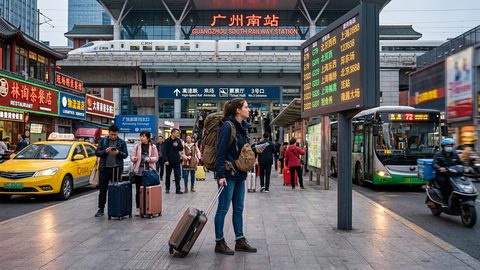 A Ground-Level Logistics Guide to Independent Travel in China
First-time independent travel in China: what you need to know about visas, rail booking, eSIMs, mobile payments, and power adapters.
A Ground-Level Logistics Guide to Independent Travel in China
First-time independent travel in China: what you need to know about visas, rail booking, eSIMs, mobile payments, and power adapters.
-
 How Solo Travelers Stay Ahead of Flight Delays and Cancellations
How solo travelers can track inbound aircraft, claim rebooking rights, and adjust ground transport when flights go wrong — step by step.
How Solo Travelers Stay Ahead of Flight Delays and Cancellations
How solo travelers can track inbound aircraft, claim rebooking rights, and adjust ground transport when flights go wrong — step by step.
-
 Why Your eSIM Might Not Work Abroad and How to Check Before You Go
Buying an eSIM doesn't guarantee signal abroad. Learn why coverage fails by location and how to verify reach before you commit to a plan.
Why Your eSIM Might Not Work Abroad and How to Check Before You Go
Buying an eSIM doesn't guarantee signal abroad. Learn why coverage fails by location and how to verify reach before you commit to a plan.