Navigating New Zealand Currency and Payment Options
New Zealand runs on contactless cards and EFTPOS, but rural cafes and roadside stalls still want cash. Here is what to carry and when.
How to Pay for Things in New Zealand
New Zealand runs on card payments, almost. The exception is large enough to cost you a meal, a ferry ticket, or a bag of feijoas from a roadside stall if you plan only for plastic. Contactless cards dominate every city and town. Cash is legally required to be accepted but functionally unusable in many urban businesses. The exact moment you need physical dollars is always when there is no ATM within 50 kilometres. Know which situations demand cash, how to avoid ATM fees on foreign cards, and where to carry NZD notes as a backup rather than a primary payment method.
New Zealand Dollar Cash Tips
Notes, Coins And When You Will Not Need Them
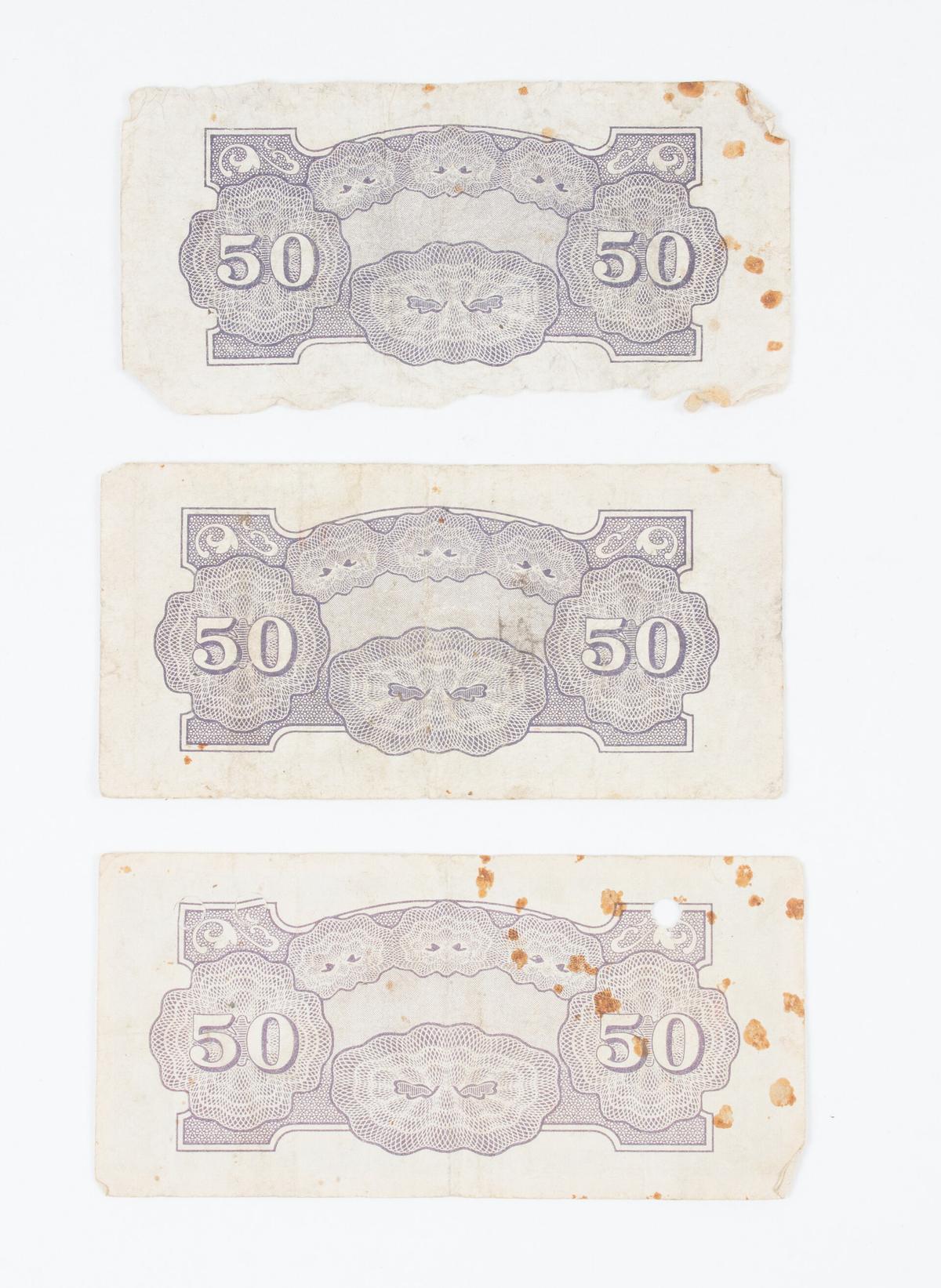
The New Zealand dollar code is NZD, symbol is $, and the cent symbol is c. Banknotes come in $5, $10, $20, $50, and $100. Coins are 10c, 20c, 50c, $1, and $2. You will rarely need them in Auckland, Wellington, Christchurch, or Queenstown. Walk into any supermarket or cafe in those cities and pay with a contactless card or phone tap for a flat white. The friction comes when you leave the urban grid.
Where Only Cash Works
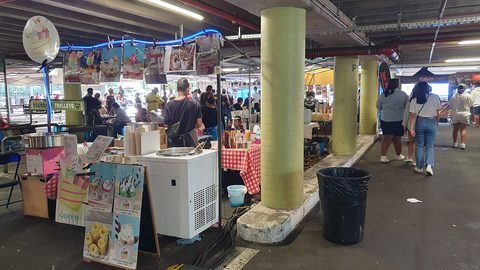
Carry NZD in small notes, broken into $10 and $20 denominations, for three specific situations. First: small-town dairies in places like the West Coast or the Mackenzie Basin, where the terminal sometimes fails because the mobile coverage that powers it has dropped out. Second: market stalls at weekend farmers markets in Hawke's Bay, Marlborough, or Nelson, where stallholders pay a flat fee for their pitch and skip card terminals to avoid the per-transaction cut. Third: honesty boxes for firewood, feijoas, or fresh eggs on rural roadsides. You pull over, take what you need, and drop coins or a note into a locked metal box. There is no backup for this. If you have no cash, you either take without paying or drive on hungry.
Contactless Payment New Zealand
How Tap-To-Pay Works
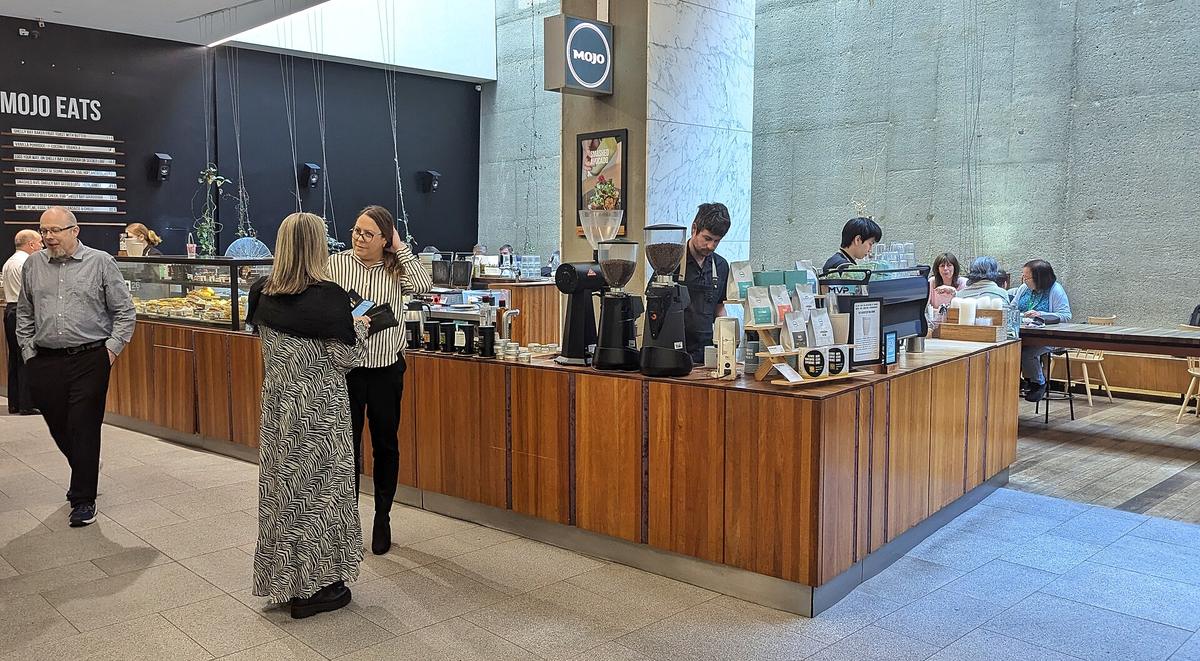
Contactless payment is near-universal in urban areas. Every major retailer, cafe, restaurant, petrol station, and tour operator accepts tap-to-pay on Visa, Mastercard, and American Express. Use a physical card, Apple Pay, Google Pay, or your phone's wallet. The merchant taps the terminal. No signature, no PIN for transactions under a threshold the terminal sets, and the terminal beeps and prints a receipt in under three seconds.
The EFTPOS Trap For Foreign Cards
The failure case: your foreign card gets declined because the terminal runs on New Zealand's domestic EFTPOS network. This is a separate rail from the international debit-card system. If your card is a foreign-issued debit card not co-branded with Visa or Mastercard, it may not work on EFTPOS-only terminals. These appear in small-town dairies, fish-and-chip shops, and some campground reception desks. If the terminal shows only an EFTPOS logo, ask whether it accepts international cards before you queue. Most do. The ones that do not will leave you standing at the counter with no way to pay.
One more thing: dynamic currency conversion. At the terminal, the screen may ask if you want to pay in your home currency at a "guaranteed rate." Decline this every time. The exchange rate your card issuer uses will almost always be better than the merchant's rate. Tap "decline conversion" or "pay in NZD" on the screen. The same applies at ATMs, covered below.
Using Cards in New Zealand
GST And The Price You See
Using cards is straightforward once you understand two things. First, what the 15% Goods and Services Tax (GST) means for your budget. GST is always included in the advertised price. A sign saying "Jet boat ride" with a price means you pay exactly that price at the till, not the price plus tax. There is no separate calculation at checkout. What you see is what you pay.
Tipping Is Not A Thing
Second, tipping. There is no tipping culture in New Zealand. Not at restaurants, not for tour guides, not for taxi drivers, not at hotels. A terminal may show an optional tip line. Skipping it is normal. Pizza Hut does not expect a tip. The Milford Sound cruise skipper does not expect a tip. The guide on a multi-day Routeburn Track hike does not expect a tip, though a small gratuity for exceptional guiding on a trip lasting several days is occasionally offered. You are not being rude by paying exactly the bill amount. Do not budget for gratuities. Budget for the International Visitor Conservation and Tourism Levy (IVL) that is collected with your NZeTA or visa application instead.
ATM Fees New Zealand
Which Machines Cost You Less
ATM fees are avoidable if you know where to withdraw and how to use the terminal. The main bank networks are ANZ, ASB, BNZ, Westpac, and Kiwibank. Every town with a population over a few thousand has at least one of these. ATMs from the major banks charge foreign cardholders a few dollars per withdrawal. Independent terminals, the ones in convenience stores, bars, and tourist areas, charge more. Avoid those unless you are desperate.
The One Button That Saves You Money
Here is the step that saves you money on every withdrawal. When the ATM screen asks whether you want the exchange rate converted to your home currency or processed in New Zealand dollars, always choose New Zealand dollars. This is the same principle as dynamic currency conversion at the checkout. Selecting "without conversion" or "continue in NZD" passes the exchange through your card issuer at the wholesale rate. Selecting "with conversion" locks you into a rate set by the ATM operator, which is worse. One caveat: some ATMs default to the conversion option and use language like "guaranteed rate." There is no guarantee. Decline it.
Rural ATM Strategy
Rural ATMs are sparse. A small town may have a single terminal inside the local pub or general store. If it is out of order, your next option is the next town, 30 to 60 minutes away. Withdraw cash when you see a major bank ATM, not when you are low. Fuel stations on the West Coast and through the Mackenzie Basin are risky spots to rely on an ATM. Fill your wallet and your tank before you hit those stretches.
.jpg)

Cash or Card: Where Each One Wins
Use Your Card Here
Card wins in these situations: booking a rental car or campervan (every depot requires a credit or debit card; contactless is accepted at the counter); paying for a Hobbiton guided tour (book weeks ahead online, card only); buying fuel at any Z, BP, or Mobil station (pay at pump with contactless, no need to go inside); buying groceries at New World, Countdown, or Pak'n'Save; paying for the Interislander ferry between Wellington and Picton; tipping yourself off the Sky Tower in Auckland; ordering a whitebait fritter on the West Coast; and every transaction in central Queenstown, Wanaka, or Christchurch.
Use Cash Here
Cash wins in these situations: the honesty box for firewood outside a Department of Conservation hut; the market stall in Nelson selling handmade pottery where the terminal is "broken" every Saturday; the remote cafe in Ohakune that has no mobile reception and runs a manual terminal that only takes New Zealand bank cards; the campsite in Abel Tasman where the ranger collects fees in an envelope dropped into a slot; and buying a bag of feijoas from a cardboard box on the side of the road near Tauranga with a sign reading "$2, please leave money here."
The Airport Run
One situation could go either way: the ride from Auckland Airport to the city centre. The SkyBus takes card tap-to-pay. A taxi or Uber to the city centre accepts card, but drivers sometimes claim the terminal is down. If you have cash, the dispute ends. If you do not, you wait for the next cab.
Common Questions
Do I need to carry cash at all in New Zealand?
Yes, carry NZD in small notes. You will need it for rural dairies, market stalls, honesty boxes, and the occasional taxi driver who claims the card terminal is broken. You can go weeks in Auckland or Wellington using only a card and never miss cash. The moment you drive onto the West Coast or into the Mackenzie Basin, the same strategy fails.
Can I use my foreign debit card at New Zealand ATMs?
Yes. Major bank ATMs (ANZ, ASB, BNZ, Westpac, Kiwibank) accept foreign-issued cards linked to Visa, Mastercard, Cirrus, or Plus networks. Expect a fee of a few dollars per withdrawal. Independent ATMs charge more. Always decline the ATM's offered currency conversion and let your bank set the rate.
Is contactless payment accepted everywhere?
Contactless payment is near-universal in urban areas. In small towns, you will occasionally encounter an EFTPOS-only terminal that does not accept international cards. The terminal may look the same but will decline your tap. If you see only an EFTPOS logo, ask before you queue. A backup NZD note solves the problem.
Should I tip in New Zealand?
No. Tipping is not expected in any sector. Restaurants, cafes, tour guides, taxi drivers, and hotel staff do not rely on gratuities. A terminal may show a voluntary tip line. Skipping it is normal. A small gratuity for exceptional guiding on a multi-day hiking trip is occasionally offered but never required.
Does the advertised price include tax?
Yes. New Zealand's 15% Goods and Services Tax (GST) is always included in the advertised price. A sign reading "Abel Tasman water taxi $65" means you pay exactly $65. There is no separate sales tax added at the till. What you see is what you pay.
Read next
-
 Staying connected in New Zealand eSIM local SIM or offline maps
New Zealand cannot fix its mobile service. No carrier will, because the geography does not permit it.
Staying connected in New Zealand eSIM local SIM or offline maps
New Zealand cannot fix its mobile service. No carrier will, because the geography does not permit it.
-
 Best Time to Visit New Zealand, What Each Season Actually Delivers
New Zealand summer runs December to February and brings crowds, sandflies, and booked-out campsites. Here is what each season actually means for your trip.
Best Time to Visit New Zealand, What Each Season Actually Delivers
New Zealand summer runs December to February and brings crowds, sandflies, and booked-out campsites. Here is what each season actually means for your trip.
-
 Getting Around New Zealand, Why Self-Drive Is the Default and What the Map Hides
New Zealand has no efficient inter-regional public transport. A rental car is the default, and driving times are far longer than the map suggests.
Getting Around New Zealand, Why Self-Drive Is the Default and What the Map Hides
New Zealand has no efficient inter-regional public transport. A rental car is the default, and driving times are far longer than the map suggests.
-
 New Zealand Visa Requirements, Who Needs an NZeTA and Who Does Not
Most visitors need an NZeTA before boarding a flight to New Zealand. Here is who needs a full visa, who qualifies for the waiver, and how long each takes.
New Zealand Visa Requirements, Who Needs an NZeTA and Who Does Not
Most visitors need an NZeTA before boarding a flight to New Zealand. Here is who needs a full visa, who qualifies for the waiver, and how long each takes.
-
 New Zealand Safety Advice, Reading the Warnings Without Being Misled by Them
New Zealand has a low crime rate, but the real risks are driving fatigue, alpine weather swings, and sandfly swarms. Here is what the safety pamphlets underplay.
New Zealand Safety Advice, Reading the Warnings Without Being Misled by Them
New Zealand has a low crime rate, but the real risks are driving fatigue, alpine weather swings, and sandfly swarms. Here is what the safety pamphlets underplay.
-
 What a trip to New Zealand costs shaped by season and style not a single number
How a New Zealand trip budget actually works, from the big unavoidable costs to the seasonal spikes and the spending leaks that catch first-timers out.
What a trip to New Zealand costs shaped by season and style not a single number
How a New Zealand trip budget actually works, from the big unavoidable costs to the seasonal spikes and the spending leaks that catch first-timers out.
-
 A Ground-Level Logistics Guide to Independent Travel in China
First-time independent travel in China: what you need to know about visas, rail booking, eSIMs, mobile payments, and power adapters.
A Ground-Level Logistics Guide to Independent Travel in China
First-time independent travel in China: what you need to know about visas, rail booking, eSIMs, mobile payments, and power adapters.
-
 How Solo Travelers Stay Ahead of Flight Delays and Cancellations
How solo travelers can track inbound aircraft, claim rebooking rights, and adjust ground transport when flights go wrong — step by step.
How Solo Travelers Stay Ahead of Flight Delays and Cancellations
How solo travelers can track inbound aircraft, claim rebooking rights, and adjust ground transport when flights go wrong — step by step.
-
 Why Your eSIM Might Not Work Abroad and How to Check Before You Go
Buying an eSIM doesn't guarantee signal abroad. Learn why coverage fails by location and how to verify reach before you commit to a plan.
Why Your eSIM Might Not Work Abroad and How to Check Before You Go
Buying an eSIM doesn't guarantee signal abroad. Learn why coverage fails by location and how to verify reach before you commit to a plan.