When to Go to New Zealand and What to Expect
New Zealand summer runs December to February and brings crowds, sandflies, and booked-out campsites. Here is what each season actually means for your trip.
When to Go to New Zealand and What to Expect
You park at the Hooker Valley track carpark at 9am in late December. The car park is full. A bus disgorges forty people in new hiking boots. Two sandflies land on your wrist before you open the door. That is summer in New Zealand. And it is still worth it, if you know when to come and what each season actually makes you trade.
The best time to visit New Zealand by season is not one date on a calendar. It is a trade: summer gives you 15.5 hours of daylight in the far south and every track open, but also peak crowds and sandflies that bite through thin clothing. Winter gives you skiable snow on both islands but locks alpine passes and closes Milford Sound for days at a time. The shoulder seasons give you empty roads but weather that shifts from sun to sleet in forty minutes. This breakdown covers the four seasons honestly, with the numbers that matter.
New Zealand is a self-driving road trip. Plan on 14 days minimum, and add 25 to 30 percent to any driving estimate Google Maps gives you. The roads are narrow, two-lane, winding, and the open-road speed limit of 100km/h is not a speed you will reach often.
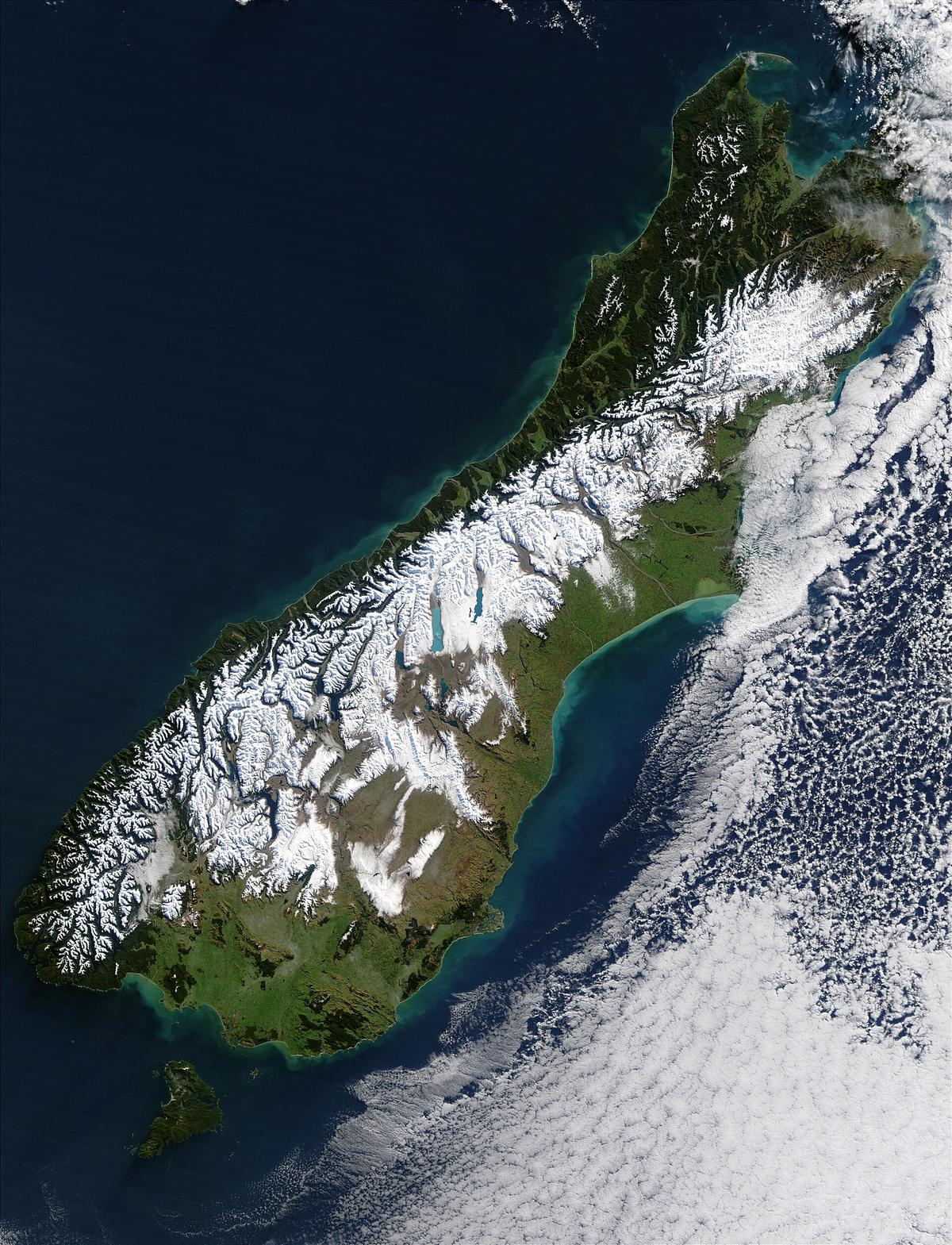

| Season | North Island | South Island | Crowds | What You Get |
|---|---|---|---|---|
| Summer (Dec–Feb) | Warm and humid | Drier hot east, wet west | Peak – book everything far ahead | 14.5–15.5 hours daylight, all tracks open, sandflies everywhere near water |
| Autumn (Mar–May) | Stable and mild | Foliage in Central Otago and Mackenzie | Reduced – lower demand on accommodation | Cooler temperatures, fewer people, stable weather for tramping |
| Winter (Jun–Aug) | Mild and wet | Snow cover 1500m+, ski season | Few except Queenstown and Wānaka ski towns | Skiing at Ruapehu, Queenstown, Wānaka; alpine roads may close; Milford Sound avalanche risk |
| Spring (Sep–Nov) | Unpredictable – one day sun, one day storm | Snowmelt swells rivers; high passes still closed early | Low outside ski fields | Lambing season; whitebait season on West Coast; lupin bloom starts late November |
New Zealand Summer Travel: December, January, February
Daylight, Heat and the Tracks
If you want every metre of track open, every heli-hike operating, and daylight from 5:30am until after 9pm, summer is your window. The North Island runs warm and humid. The South Island east coast dries out and gets hot enough that the summer drought risk is real. The West Coast stays wet, high rainfall year-round there. You can swim in the far north at the Bay of Islands or hike the Tongariro Alpine Crossing in a t-shirt, provided you start before 7am to beat the crowds and the UV index that hits 12-13 in the far north, extreme, requiring sunscreen and a hat.
The Crowds and the Closures
The catch: December through February is peak season. School holidays run from late December to late January. Christmas Day, Boxing Day, New Year's Day, and 2 January are the worst days to arrive, almost everything shuts, campsites and motels are booked solid, and roads clog. Book accommodation and all popular activities, Milford Sound cruise, Hobbiton guided tour, Waitomo Glowworm Caves, heli-hike on Franz Josef Glacier, weeks or months ahead.
Sandflies
And the sandflies. On the West Coast, in Fiordland, and anywhere near standing water, they swarm. DEET repellent is non-negotiable. They bite through thin clothing. First-timers are genuinely shocked by the sheer number.
New Zealand Winter Skiing Season: June, July, August
Snow and Where to Find It
New Zealand's winter is the ski season, and it runs June into October with snow cover in alpine zones above roughly 1500 metres. The South Island gets the serious snow: Queenstown, Wānaka, the Mackenzie Basin, and the slopes around Aoraki / Mount Cook. The North Island has skiable terrain at Mount Ruapehu on the Central Plateau. The North Island itself stays mild and wet, winter there means rain, not snow, in the lowlands.
Road Closures and Petrol
Alpine roads close unpredictably in winter. The road to Milford Sound shuts for avalanche risk after heavy snow, you can drive down from Queenstown and find the road closed for the whole day. Always check the NZ Transport Agency road conditions page before you leave. Fill up petrol before long rural stretches; stations are sparse on the West Coast and across the Mackenzie Basin, and supermarkets close by 6pm or earlier.
Fewer tourists overall except in the ski towns, but the shoulder period of spring, September to November, trades lower demand for unsettled weather. Some high-country roads remain closed until November.
Sandfly Season New Zealand: When and Where They Hit
Sandflies do not have a single season. They are present year-round anywhere near water, but they peak in summer, December through February, when warmth and humidity drive them out in numbers that leave welts. The worst locations are the West Coast, Fiordland, Stewart Island (cool, wet, windy year-round), and any beach or lake edge on a still day. Lake Tekapo and the Mackenzie Basin get them in summer too.
Use DEET repellent, the 30 percent concentration or higher, and treat clothing with permethrin if you plan to tramp for multiple days. A head net costs NZD 5 and is worth carrying. The one consolation: sandflies do not carry disease. They just bite relentlessly, and they do it through thin fabric.
Lupin Bloom at Lake Tekapo: December to January Dates
The lupin bloom at Lake Tekapo runs from December into January. The purple, pink, and white flowers coat the lake edges and the braided rivers of the Mackenzie Basin. Peak colour is the last two weeks of December and the first two weeks of January, but this shifts with rainfall and temperature each year. The bloom draws photographers, but the timing puts it smack in peak summer, expect crowds at the Church of the Good Shepherd viewpoint from 7am onward.
Go early. Sunrise at Lake Tekapo in December is around 5:45am. That is when the light hits the Southern Alps over the lake and the lupins are in shadow. By 9am the car park is full and tour buses arrive. No booking needed, it is a public lakeside area, but the town of Tekapo itself has limited accommodation, so book months ahead for December stays.
_-_Fergus,_ON.jpg)
Whitebait Season on the West Coast: Timing and What to Eat
Whitebait season runs spring, September to November, on the West Coast. These tiny, translucent fish are netted in river mouths and sold fresh or frozen. The classic way to eat them is a whitebait fritter: a few eggs and flour holding the fish together, pan-fried. West Coast pubs and cafes sell them as a seasonal special. Whitebait is expensive, expect to pay for a fritter at a cafe, because it is wild-caught and limited.
The West Coast in spring is also when rainfall peaks. The region gets high rainfall year-round but spring and autumn are the wettest. If you are driving the Coast road, pack waterproofs and plan for one-lane bridges that require you to yield to traffic already on the bridge. Tourists frequently misread the yield signs or freeze.
Shoulder Seasons: March to May and September to November
Autumn: Stable and Empty
Autumn, March to May, is the reliable shoulder season. Stable weather across both islands, reduced visitor numbers, and autumn foliage hits Central Otago, Mackenzie, and Hawke's Bay. The days are shorter than summer, Invercargill drops from 15.5 hours of daylight in December to about 11 hours in April, but you trade that for no crowds on the Tongariro Crossing, empty roads across the Mackenzie Basin, and accommodation priced below peak rates.
The failure case in autumn is that some activities start winding down. Franz Josef heli-hikes still run but weather cancellations become more common as the year turns toward winter. Book flexible flights and allow a buffer day in your itinerary for weather delays.
Spring: Cheap and Volatile
Spring, September to November, is the cheaper, more volatile shoulder. Unpredictable weather: one day sun, one day storm. Snowmelt swells rivers, so rafting and jet-boating are at full flow. Farmer lambing season means more animals on roads. Some high-country tracks and roads remain closed into October. The trade is genuinely low demand, you can book a room in Queenstown in late September at half the January price.
Who New Zealand Suits, and Who it Does Not
New Zealand suits the self-driving road-tripper who wants 15-hour days behind the wheel, serious hikers tackling multi-day tramps, adrenaline seekers chasing bungy and jet-boating, and wine travellers focused on cool-climate varietals in Marlborough and Central Otago. It suits Lord of the Rings pilgrims. It suits people who book everything in advance and accept that a heli-hike on Franz Josef Glacier might cancel because of wind.
New Zealand is not for anyone seeking a cheap beach holiday with warm swimmable water year round, the water is cold even in summer, especially in the South Island. It is not for people who dislike driving or expect efficient public transport between regions, bus networks exist but are infrequent, and the rail services like the TranzAlpine and Coastal Pacific are scenic tourism experiences, not transport. And it is not for late-night city nightlife seekers. Auckland and Wellington punch above their weight, but this is not a destination built around bars that stay open past midnight.
The single thing that most often goes wrong: underestimating driving time. Google Maps says Queenstown to Milford Sound is 4 hours. Add 25 to 30 percent for the winding two-lane road, the single-lane Homer Tunnel, the stops for avalanche debris in winter, and the time you lose when a tour bus blocks the tunnel for seven minutes. Budget 5 hours in summer, 6 in winter, and carry food because there are no petrol stations on the Milford Road once you leave Te Anau.
Frequently Asked Questions
What is the best single month to visit New Zealand?
February. School holidays end in late January, crowds drop sharply, weather is still warm and stable, and daylight remains long, Invercargill still gets 14 hours. Sandflies are still present but less intense than December and January.
When should I avoid visiting New Zealand?
Christmas Day through 2 January, and the week around Easter. Almost everything shuts, campsites are booked solid, roads clog with domestic holiday traffic, and supermarkets close early or not at all. Also avoid the week of the Chinese New Year if you are in Queenstown, large tour groups fill the town.
Are sandflies bad in winter?
Less numerous than in summer but still present near water, especially on the West Coast and in Fiordland. The cold reduces their activity, but a still, overcast day in winter still produces bites. Use DEET repellent year-round in those areas.
When does the lupin bloom at Lake Tekapo peak?
Last two weeks of December and first two weeks of January. The exact peak shifts annually with spring rainfall and temperatures. By mid-February the flowers are mostly gone.
Can I drive the Milford Sound road in winter?
The road is open unless closed by avalanche risk or snow. Closures happen, check the NZ Transport Agency website the morning of your drive. The road is narrow, winding, and can be icy. If the road is closed, you cannot reach Milford Sound by road; your cruise booking will be refunded or rescheduled.
Read next
-
 Staying connected in New Zealand eSIM local SIM or offline maps
New Zealand cannot fix its mobile service. No carrier will, because the geography does not permit it.
Staying connected in New Zealand eSIM local SIM or offline maps
New Zealand cannot fix its mobile service. No carrier will, because the geography does not permit it.
-
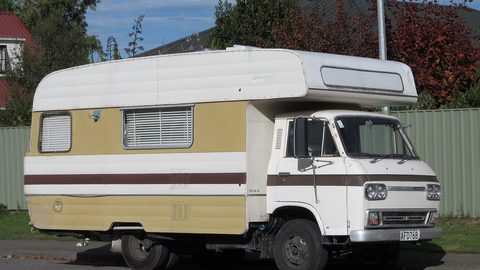 Getting Around New Zealand, Why Self-Drive Is the Default and What the Map Hides
New Zealand has no efficient inter-regional public transport. A rental car is the default, and driving times are far longer than the map suggests.
Getting Around New Zealand, Why Self-Drive Is the Default and What the Map Hides
New Zealand has no efficient inter-regional public transport. A rental car is the default, and driving times are far longer than the map suggests.
-
 New Zealand Visa Requirements, Who Needs an NZeTA and Who Does Not
Most visitors need an NZeTA before boarding a flight to New Zealand. Here is who needs a full visa, who qualifies for the waiver, and how long each takes.
New Zealand Visa Requirements, Who Needs an NZeTA and Who Does Not
Most visitors need an NZeTA before boarding a flight to New Zealand. Here is who needs a full visa, who qualifies for the waiver, and how long each takes.
-
 Money in New Zealand, Cards, Cash and What Actually Works at the Till
New Zealand runs on contactless cards and EFTPOS, but rural cafes and roadside stalls still want cash. Here is what to carry and when.
Money in New Zealand, Cards, Cash and What Actually Works at the Till
New Zealand runs on contactless cards and EFTPOS, but rural cafes and roadside stalls still want cash. Here is what to carry and when.
-
 New Zealand Safety Advice, Reading the Warnings Without Being Misled by Them
New Zealand has a low crime rate, but the real risks are driving fatigue, alpine weather swings, and sandfly swarms. Here is what the safety pamphlets underplay.
New Zealand Safety Advice, Reading the Warnings Without Being Misled by Them
New Zealand has a low crime rate, but the real risks are driving fatigue, alpine weather swings, and sandfly swarms. Here is what the safety pamphlets underplay.
-
 What a trip to New Zealand costs shaped by season and style not a single number
How a New Zealand trip budget actually works, from the big unavoidable costs to the seasonal spikes and the spending leaks that catch first-timers out.
What a trip to New Zealand costs shaped by season and style not a single number
How a New Zealand trip budget actually works, from the big unavoidable costs to the seasonal spikes and the spending leaks that catch first-timers out.
-
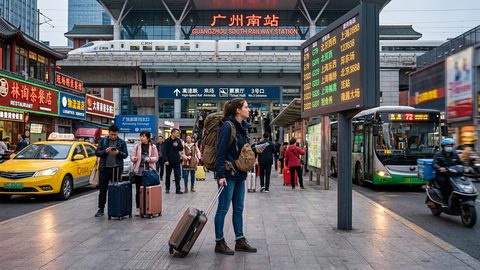 A Ground-Level Logistics Guide to Independent Travel in China
First-time independent travel in China: what you need to know about visas, rail booking, eSIMs, mobile payments, and power adapters.
A Ground-Level Logistics Guide to Independent Travel in China
First-time independent travel in China: what you need to know about visas, rail booking, eSIMs, mobile payments, and power adapters.
-
 How Solo Travelers Stay Ahead of Flight Delays and Cancellations
How solo travelers can track inbound aircraft, claim rebooking rights, and adjust ground transport when flights go wrong — step by step.
How Solo Travelers Stay Ahead of Flight Delays and Cancellations
How solo travelers can track inbound aircraft, claim rebooking rights, and adjust ground transport when flights go wrong — step by step.
-
 Why Your eSIM Might Not Work Abroad and How to Check Before You Go
Buying an eSIM doesn't guarantee signal abroad. Learn why coverage fails by location and how to verify reach before you commit to a plan.
Why Your eSIM Might Not Work Abroad and How to Check Before You Go
Buying an eSIM doesn't guarantee signal abroad. Learn why coverage fails by location and how to verify reach before you commit to a plan.