Libya Public Holidays Travel Impact on Your Itinerary
Libyan public holidays like Revolution Day and Eid al-Fitr shut roads, close offices, and clog transport. Islamic dates shift annually, disrupting fixed itineraries.
Libyan Public Holidays Can Shut Roads, Close Offices, and Strand You Mid-Itinerary
The impact of Libya public holidays travel impact is not theoretical. A holiday here means government offices lock, checkpoints thicken, and the few domestic flights fill up days in advance. If you are inside Libya when one hits, you will not reach your next site. If you are planning a trip, build your dates around the closures that actually move: Revolution Day, Liberation Day, and both Eids. The cultural calendar is a secondary concern. The operational one is not.
Libya runs on a cash economy where ATMs reject foreign cards and your fixer must hold your SIM card in their name. Add a public holiday to that friction and roads you planned to drive are blocked, permits you needed are unprocessed, and the only available transport is a shared taxi priced at three times the normal rate. The dates to avoid, what shuts, and what to do when your itinerary hits a wall are below.
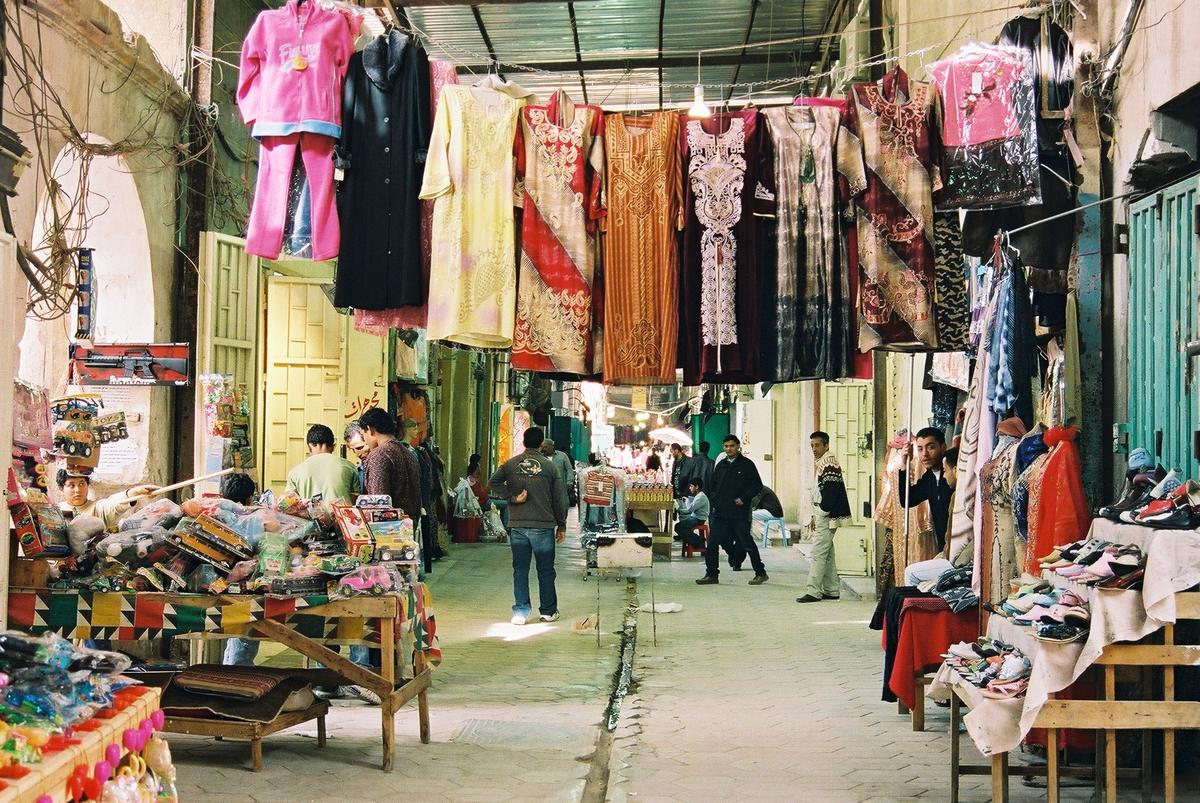

Libya Revolution Day Closures: What Shuts and Where
Western Closures And Eastern Normalcy
Revolution Day falls on 1 September. It commemorates the 1969 coup that brought Muammar Gaddafi to power. This holiday is regional: it is observed in some areas but not uniformly across the country. In western Libya and the capital, expect government offices and banks to close entirely. In eastern regions controlled by rival authorities, 1 September may pass as a normal working day. That split creates a planning problem. If your permit to move from the capital into Cyrenaica was issued by a western authority, the issuing office will be closed on 1 September, and the checkpoint commander on the eastern side may not honour it anyway.
Do not schedule a permit-dependent move on 30 August through 2 September. The window before and after a holiday sees reduced staffing, meaning a permit that normally takes 48 hours can stretch to five days. If you are already on the road when 1 September arrives, stay put. Do not attempt to cross the Sirte basin or the checkpoint belt between Misrata and Benghazi on Revolution Day. The armed presence increases, and the risk of your vehicle being confiscated or your camera being confiscated for photographing a checkpoint is highest on days of political significance.
What Stays Open
Private businesses in the capital may stay partially open. Small grocery shops and pharmacies sometimes operate reduced hours. Fuel stations may run if supply allows, but intermittent fuel shortages are common, and queues lengthen on holidays. If you need petrol, fill the tank on 30 August.
Libya Liberation Day Road Closures and the 23 October Shutdown
Liberation Day, 23 October, marks the end of the 2011 civil war. It is a fixed Gregorian date and a national public holiday. Government offices, banks, and public-sector institutions close. The coastal highway, the Via Balbia running 1,800 km from the Tunisian border to the Egyptian border, sees increased checkpoints on this day. Multiple armed groups operate these checkpoints, and on a politically charged anniversary, the scrutiny intensifies. Movement between western and eastern Libya requires passing through multiple checkpoints on a normal day. On 23 October, permission depends even more heavily on the political affiliation of the traveller and the controlling authority at each stop.
Do Not Transit The Sirte Basin
Do not plan to transit the Sirte basin on 23 October. The oil corridor carries heavy military presence year-round; on Liberation Day, that presence multiplies. If you are in the capital, stay in the capital. If you are in Benghazi, do not drive west. The road condition on the Coastal Highway is already damaged in sections. Add a holiday and the delays become unpredictable.
Flights And The Day After
Domestic flights on 23 October are subject to cancellation or rescheduling at short notice. Libyan Airlines and Afriqiyah Airways routes connecting the capital with Benghazi, Misrata, Sabha, Tobruk, Ghat, and Ghadames may run reduced schedules. Book nothing for 23 October itself. If you must move, use 24 October, when offices reopen and checkpoints return to their normal rhythm.
| Holiday | Date Pattern | Travel Disruption Level | What Closes |
|---|---|---|---|
| Revolution Day | 1 September (regional) | High in west, low in east | Government offices, banks; checkpoints increase |
| Liberation Day | 23 October (fixed) | High nationwide | All public-sector offices, banks; road checkpoints multiply |
| Eid al-Fitr | 1-3 Shawwal (Islamic lunar, shifts annually) | Very high | Everything; domestic travel surges, flights booked solid |
| Eid al-Adha | 10-12 Dhu al-Hijjah (Islamic lunar, shifts annually) | High | Government offices, banks; livestock transport clogs roads |
| Independence Day | 24 December (fixed) | Low to moderate | Government offices close; private sector varies |
| Labour Day | 1 May (fixed) | Low | Government offices close; minimal travel impact |
| Islamic New Year | 1 Muharram (Islamic lunar) | Low | Government offices close; no transport disruption |
| Prophet's Birthday | 12 Rabi' al-Awwal (Islamic lunar) | Low | Government offices close; no transport disruption |
Libya Eid Al-Adha Transport Disruption and Livestock on the Roads
Eid al-Adha, the Feast of Sacrifice, falls on 10-12 Dhu al-Hijjah in the Islamic lunar calendar. The date shifts annually by about 11 days. For 2026, it is projected to arrive in late June, which already falls inside Libya's avoid window of June to September when coastal heat is oppressive and the interior is dangerously hot. Adding the holiday to that window makes travel inadvisable.
Livestock And Permits
Livestock transport on roads adds to congestion. Animals are moved by truck and by herding on foot along the Coastal Highway and interior routes. Roads that are already deteriorating become slower. The combination of heat, livestock traffic, and holiday closures means the Nafusa Mountains, Leptis Magna coast, and the Fezzan region all become harder to reach. If you are in Libya during Eid al-Adha, do not attempt the six-hour 4x4 drive from the capital to Ghadames. The permit requirement for travel south of the coastal strip is enforced more strictly during Islamic holidays, and local authorities in Sabha and Ghat may not process permits at all.
Cash And The Three-Day Close
Eid al-Adha travel peak is shorter than Eid al-Fitr, but the disruption is still significant. Government offices close for the full three days. Banks close. The black-market USD exchange rate may shift as demand for cash rises. Carry enough physical dinars to cover the holiday period because ATMs in major city centres are limited, often out of cash, and non-functional on holidays.
Libya Eid Al-Fitr Travel Peak and the Domestic Chaos
Eid al-Fitr marks the end of Ramadan. The holiday runs 1-3 Shawwal. This is the single most disruptive period for domestic travel in Libya. The research is explicit: Eid al-Fitr sees chaotic domestic travel that clogs the few available flights. Intercity shared taxis and flights are heavily booked. If you are in Libya during Eid al-Fitr, you will not find a seat on a Libyan Airlines or Afriqiyah Airways flight from the capital to Benghazi, Sabha, or Tobruk unless you booked it weeks in advance. Even then, the flight may be rescheduled due to fuel shortages or security conditions.
Ramadan Before The Feast
Ramadan itself is a challenge. Restaurants and cafes are closed during daylight hours. Working hours in the public sector are reduced. Travel is slower in the hours before sunset. The research advises avoiding the entire month of Ramadan if you need daytime meals or functional business hours. Eid al-Fitr compounds that problem by adding a travel surge on top of the Ramadan restrictions.
Stay In One City
If you are already in Libya when Eid al-Fitr begins, stay in one city. Do not try to cross from the capital to the Nafusa Mountains or from Benghazi to Cyrene and Apollonia. The internal travel permit system requires that your sponsor arrange permits days in advance. During Eid al-Fitr, the offices that issue those permits are closed, and the checkpoints that enforce them are staffed by armed groups operating on holiday schedules. The risk of vehicle confiscation at checkpoints reported in the research increases when the traveller cannot produce valid permits.
The research notes that domestic travel surges in the three days of Eid. The secondary school holiday period of a two-week break in January or February is separate; Eid al-Fitr moves annually and can land in any season. Check the projected date for your travel year. For 2026, Eid al-Fitr is expected around late March or early April. If your trip falls in that window, shift it to November through March peak season when the coastal humidity drops and daytime desert temperatures become survivable for camping.
Ghadames International Festival Dates and Irregular Scheduling
The Ghadames International Festival is not a public holiday, but it appears in search as a potential disruption because it attracts domestic and regional visitors to the UNESCO-listed mud-brick oasis. The festival dates are irregular. They are not fixed to the Gregorian calendar or the Islamic lunar calendar. The research provides no specific month or year for the festival because scheduling changes without notice.
If you plan to visit Ghadames Old Town, the covered labyrinth of whitewashed alleys, you do not need the festival to see it. The old town is accessible year-round, though access depends on local security conditions and checkpoint permissions. The six-hour 4x4 drive from the capital requires an overnight stay regardless. The permit for travel south of the coastal strip must be arranged in advance by your fixer. If the festival is running when you arrive, expect higher demand for accommodation and transport in Ghadames. If it is not, you will have the site largely to yourself.
Do not build your itinerary around the Ghadames International Festival. The irregular scheduling means you cannot confirm dates more than a few weeks out. Instead, focus on the fixed disruptions: Liberation Day on 23 October, Revolution Day on 1 September, and the shifting Eids. Those are the events that will actually strand you.
What to Do When a Holiday Blocks Your Route
If you arrive in Libya and a holiday you did not plan for is underway, your options are limited. The cash economy means you cannot rely on cards. The internal travel permit system means you cannot rent a car and drive. Your fixer is the only person who can rearrange permits, and if their office is closed, you wait.
Use The Forced Stop
Stay in the city you are in. The capital's Medina has weathered Italian colonial and Ottoman layers, the Museum of Libya with its classical statues, and the Arch of Marcus Aurelius. A forced day there is not wasted. If you are in Benghazi, the raw energy of the city and the nearby Greek ruins at Cyrene and Apollonia are worth a second day. If you are in the Nafusa Mountains, the Berber granaries and troglodyte houses at Nalut and Kabaw are a full day's circuit.
Do Not Cross The Sirte Basin
Do not attempt to cross the Sirte basin during any holiday. The strategic oil corridor carries heavy military presence year-round. On a holiday, the risk is not worth the reward. The research advises that the stress-to-reward ratio is too high for casual tourists even on a normal day. On a holiday, it is higher.
Book The Invitation Letter First
The single thing that most often goes wrong is this: a traveller books a flight to Libya before securing the invitation letter from a registered Libyan tour operator, which is the non-negotiable document required for the visa sticker. Without it, you are denied boarding at departure. That mistake is compounded when a holiday closes the operator's office, leaving you unable to fix the problem remotely. Secure your invitation letter first, then check the holiday calendar, then book your flights.
Common Questions
What shuts on Libyan public holidays?
Government offices, banks, and public-sector institutions close. Private businesses close partially or fully depending on the owner's discretion. Some small grocery shops and pharmacies may open for reduced hours. Fuel stations may operate if supply allows.
Can I drive between cities on a public holiday?
Yes, but it is not advisable. Checkpoints multiply, permit enforcement tightens, and the risk of vehicle confiscation increases. On Liberation Day and Revolution Day, the Coastal Highway and interior routes see extra scrutiny.
Do flights run on public holidays?
Domestic flights operated by Libyan Airlines and Afriqiyah Airways are subject to cancellation or rescheduling at short notice on holidays. During Eid al-Fitr, flights are booked solid days in advance. Book nothing for the holiday itself.
How do I get cash during a holiday?
ATMs are limited to major city centres and are often out of cash or non-functional on holidays. Withdraw enough physical dinars before the holiday starts. The black-market USD rate may shift, so exchange currency in advance.
Are archaeological sites like Leptis Magna open on public holidays?
Leptis Magna, Sabratha, and Cyrene are technically open, but access depends on local security conditions and checkpoint permissions. Holiday closures at government offices can prevent permit issuance for travel to these sites.
What is the worst holiday for travel disruption?
Eid al-Fitr. Domestic travel surges, flights are heavily booked, intercity taxis are full, and the three days of the holiday see the highest demand for transport. Government offices are closed, so permits cannot be processed.
How do I find the exact dates for Islamic holidays in Libya?
Islamic holidays move with the lunar calendar and are confirmed by local religious authorities close to the date. For planning, use a projected calendar for your travel year, but be prepared for a shift of one to two days. The research notes that the Day of Ashura is observed in some communities on 10 Muharram, but its travel impact is minimal.
Read next
-
 Staying Connected in Libya When the Internet Fights Back
Forget eSIMs in Libya: you need a fixer to register a local SIM in their name, a VPN installed before landing, and offline maps for the moment 4G vanishes
Staying Connected in Libya When the Internet Fights Back
Forget eSIMs in Libya: you need a fixer to register a local SIM in their name, a VPN installed before landing, and offline maps for the moment 4G vanishes
-
 Libya Has a Short Window When the Desert Is Survivable and the Coast Bearable
Libya's travel window runs November to March. Summer interior heat is lethal, Ramadan halts daytime services, and Eid clogs the few flights available.
Libya Has a Short Window When the Desert Is Survivable and the Coast Bearable
Libya's travel window runs November to March. Summer interior heat is lethal, Ramadan halts daytime services, and Eid clogs the few flights available.
-
 You Cannot Simply Rent a Car and Drive Across Libya
Moving between Libyan regions demands a fixer-driver and internal travel permits arranged days in advance by your sponsor. Spontaneous road trips do not exist here.
You Cannot Simply Rent a Car and Drive Across Libya
Moving between Libyan regions demands a fixer-driver and internal travel permits arranged days in advance by your sponsor. Spontaneous road trips do not exist here.
-
 You Cannot Board a Flight to Libya Without This One Document
A Libyan tourist visa is impossible without an invitation letter from a registered local operator.
You Cannot Board a Flight to Libya Without This One Document
A Libyan tourist visa is impossible without an invitation letter from a registered local operator.
-
 Bring Bricks of Dinars Because No Libyan ATM Will Accept Your Card
Libya runs on physical cash only. Foreign cards fail in every ATM, and the black-market USD rate determines what you actually pay for everything.
Bring Bricks of Dinars Because No Libyan ATM Will Accept Your Card
Libya runs on physical cash only. Foreign cards fail in every ATM, and the black-market USD rate determines what you actually pay for everything.
-
Reading the Official Libya Travel Warning Without Letting It Mislead You
Libya safety advisories paint a broad picture. The real risks are checkpoint photography leading to detention, not violent crime, and the permit system
-
 A Ground-Level Logistics Guide to Independent Travel in China
First-time independent travel in China: what you need to know about visas, rail booking, eSIMs, mobile payments, and power adapters.
A Ground-Level Logistics Guide to Independent Travel in China
First-time independent travel in China: what you need to know about visas, rail booking, eSIMs, mobile payments, and power adapters.
-
 How Solo Travelers Stay Ahead of Flight Delays and Cancellations
How solo travelers can track inbound aircraft, claim rebooking rights, and adjust ground transport when flights go wrong — step by step.
How Solo Travelers Stay Ahead of Flight Delays and Cancellations
How solo travelers can track inbound aircraft, claim rebooking rights, and adjust ground transport when flights go wrong — step by step.
-
 Why Your eSIM Might Not Work Abroad and How to Check Before You Go
Buying an eSIM doesn't guarantee signal abroad. Learn why coverage fails by location and how to verify reach before you commit to a plan.
Why Your eSIM Might Not Work Abroad and How to Check Before You Go
Buying an eSIM doesn't guarantee signal abroad. Learn why coverage fails by location and how to verify reach before you commit to a plan.