Navigating Japan Visa Requirements for Your Upcoming Journey
Which passport holders can enter Japan visa-free, what landing permission means at the border, and how the full visa application works for everyone else.
Who Needs a Visa to Enter Japan and How to Apply
Passport holders from 71 countries and regions do not need a visa for short-term tourism in Japan. They get a landing permission stamp at the border instead. For everyone else, a visa must be obtained in advance, either at a Japanese embassy or consulate or through the eVisa system. The specific requirements vary by nationality, but the core question for most readers is straightforward: check your passport against the waiver list, then follow the procedure for your situation.
The official source for all entry rules is the Ministry of Foreign Affairs of Japan (MOFA) website. Visa-free arrangements are subject to change by government notification. The list of visa-free nationalities includes 71 countries. The maximum stay allowed ranges from 14 to 180 days depending on your passport.


Japan Tourist Visa Application: Who Needs One and What You Must Submit
If your passport is not on the visa-free list, you must apply for a tourist visa before travelling. Japan does not issue visas on arrival for tourism. You can apply either by submitting a paper application at a Japanese embassy or consulate, or online through the Japan eVisa system, depending on your country of residence.
Paper Application Requirements
You will need a valid passport, a completed visa application form, a recent passport-sized photograph, and a detailed itinerary. Proof of onward or return travel may be requested at immigration, so carry a copy of your flight booking. Bank statements showing sufficient funds are also standard. Processing takes five to seven business days but can stretch longer during peak seasons such as late March to early April, when cherry blossoms draw high volumes.
Guarantor System
Some visa applications require a guarantor or a letter of invitation from a resident in Japan. This is more common for longer stays or when the applicant lacks strong financial ties to their home country. If you are staying with friends or family, ask your host to prepare a guarantor letter and copies of their residence card and proof of residence. The embassy or consulate will tell you whether this applies to your situation.
eVisa For Eligible Countries
The Japan eVisa system is available for residents of certain countries not covered by visa exemption, including China, India, Vietnam, Philippines, Cambodia, Mongolia, and Saudi Arabia. The eVisa is single-entry for short-term tourism, valid for 90 days from issuance. You apply online via the MOFA-managed Japan eVisa system. At the border, you show the digital visa issuance notice on your mobile device. You do not get a sticker in your passport.
Japan Visa Waiver Countries: the Full List and Stay Durations by Nationality
The majority of short-term visitors to Japan arrive under the visa waiver programme. Holders of passports from these 71 countries get landing permission at the border, not a visa. The duration of stay granted depends on the specific bilateral agreement with each country.
90-Day Stay Countries
Most major tourism source markets are covered by the 90-day visa exemption. This group includes the United Kingdom, United States, Canada, Australia, New Zealand, most European Union member states, South Korea, Singapore, and Malaysia. Travellers from these countries are granted a landing permission stamp valid for up to 90 days as a Temporary Visitor.
180-Day Stay Countries
Under specific bilateral arrangements, passport holders from Austria, Germany, Ireland, Liechtenstein, Mexico, Switzerland, and the United Kingdom may be permitted to stay for up to 180 days. This is not automatic for every entry; border officers have discretion. If you plan to stay more than 90 days, have a clear itinerary and proof of sufficient funds ready.
Short-Stay Countries (14 Or 15 Days)
Brunei passport holders get 15 days visa-free. Indonesian e-passport holders with pre-registration also get 15 days. Thailand passport holders get 15 days. United Arab Emirates passport holders get 14 days.
| Nationality | Max Stay | eVisa Available |
|---|---|---|
| United Kingdom | 90 days (180 days under bilateral arrangement) | No |
| United States | 90 days | No |
| Canada | 90 days | No |
| Australia | 90 days | No |
| Germany | 90 days (180 days under bilateral arrangement) | No |
| Mexico | 90 days (180 days under bilateral arrangement) | No |
| Thailand | 15 days | No |
| United Arab Emirates | 14 days | No |
| China | Visa required | Yes |
| India | Visa required | Yes |
| Philippines | Visa required | Yes |
| Vietnam | Visa required | Yes |
Japan Landing Permission: the Border Procedure for Visa-Free Travellers
Visa-free travellers do not get a visa. Instead, they are granted landing permission stamped into their passport at the border. This stamp converts their entry status to Temporary Visitor, which allows tourism and certain short-term business activities. Having a visa waiver on your passport does not guarantee entry; the immigration officer decides on the spot.
What Happens At Immigration
All foreign nationals except those under 16, Special Permanent Residents, and certain diplomatic or official visa holders have their fingerprints scanned and a facial photograph taken upon arrival. You must fill out a Disembarkation Card for Foreign Nationals (the ED card) on the plane or at a kiosk. You must also submit a Customs Declaration, either electronically or on paper. Customs officials may ask to see proof of onward or return travel. Keep that accessible.
The Key Distinction: Visa Exemption Vs. Landing Permission
A visa exemption means your passport is recognised as not requiring a visa for short stays. Landing permission is the immigration procedure that grants you entry under that exemption. Without the landing permission stamp, you have not legally entered Japan. Overstaying your permission is treated seriously, whether you entered under a visa or a waiver. The maximum stay printed on the stamp is the limit, not the 90 days your nationality theoretically receives if the officer grants fewer days.
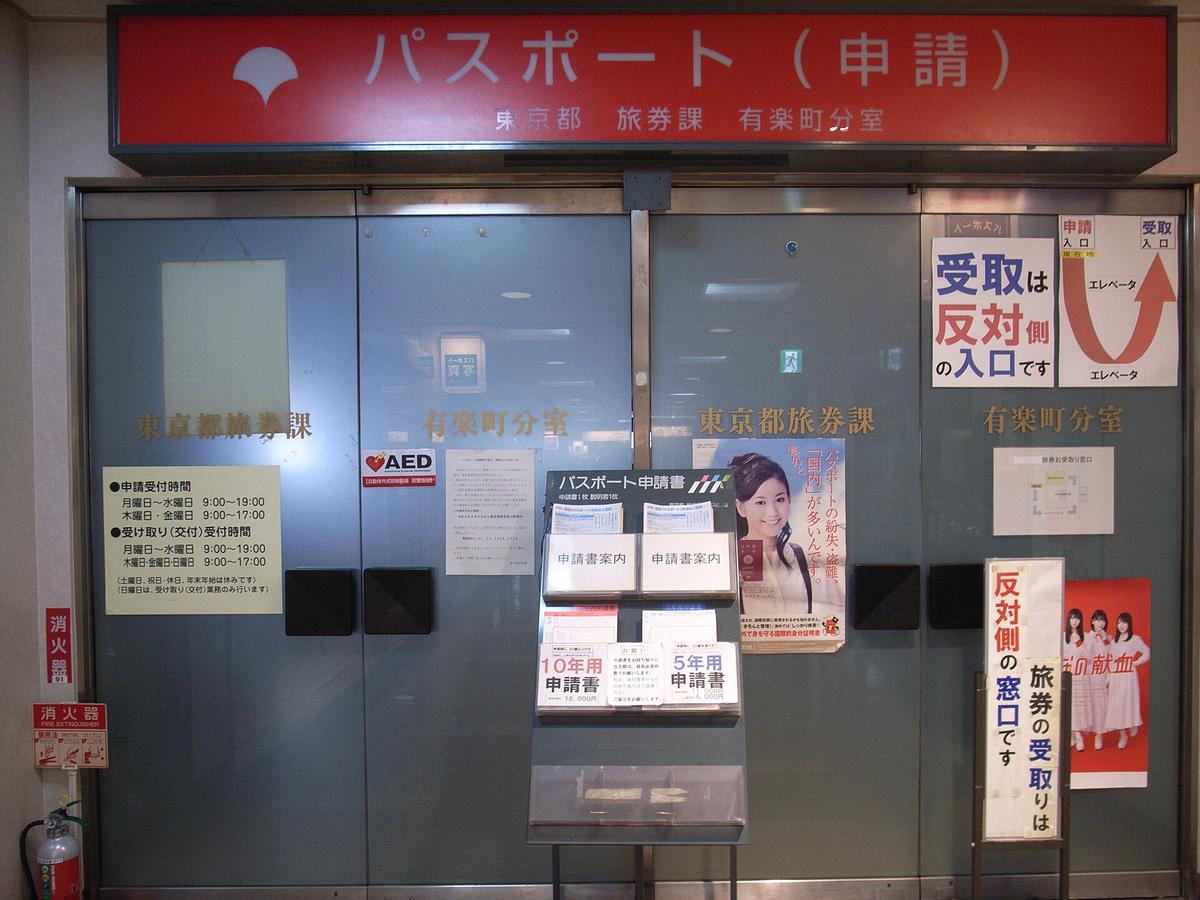

Japan Visa Extension Rules: How to Stay Longer Legally
If you are in Japan on a Temporary Visitor status and need more time, you can apply for an extension at a Regional Immigration Office. This applies to both visa-free entrants and those who entered with a tourist visa. Apply before your current landing permission expires. There is no guarantee of approval.
Extension Requirements And Limits
You need a valid reason, such as medical treatment or a delay in travel plans beyond your control. Simple tourism is rarely accepted as a reason for extension. You must submit your passport, a written explanation, proof of funds to cover the extended stay, and a detailed itinerary. The maximum total stay under Temporary Visitor status, including extensions, is 180 days. Processing takes a few days to a few weeks. Do not assume you will be approved. If your application is rejected, you must leave Japan by the original expiry date.
What To Do If The Office Is Closed
Regional Immigration Offices are open on weekdays during business hours. If your permission expires on a weekend or during a Japanese public holiday, apply on the last working day before the expiry. Overstaying by even one day can result in detention, a fine, deportation, and a ban on re-entry. There is no grace period.
What Can Go Wrong at the Border
The most common failure for visa-free travellers is arriving without proof of onward travel. Budget airlines have turned passengers away at check-in for this reason. Immigration officers will ask to see return flight confirmations, not just an open-ended intention to leave. If you plan to leave overland via ferry to South Korea or bus to another destination, have a booking confirmation for that ferry or bus ready.
Restricted medications are another frequent problem. Some over the counter stimulants and certain prescription drugs require advance import certification, called Yakkan Shoumei, from the Ministry of Health, Labour and Welfare. Carrying cash or financial instruments exceeding 1,000,000 JPY or equivalent requires a customs declaration. Firearms, swords, counterfeit goods, and obscene materials are prohibited.
Public Wi-Fi in Japan is unreliable and often requires a tedious sign up portal. Rent a pocket Wi-Fi device or buy a data only eSIM before arrival. Google Maps is essential for navigating train platforms and timetables, but it drains battery fast; bring a backup power bank.
Worth it if
- Visa-free entry for 71 nationalities with straightforward landing permission procedure
- Safe, clean, and highly efficient infrastructure for first-time Asia visitors
- World-class food, skiing, hiking, and cultural tourism all accessible by punctual rail
- Excellent solo travel destination with strong personal space norms and low crime
Skip it if
- Tight visa rules for many Asian nationalities requiring pre-approved visa or eVisa
- No visa on arrival for any nationality
- Restricted medication rules require advance certification (Yakkan Shoumei) for common prescriptions
- Expensive and difficult to navigate on a budget; cash still required in rural areas
Common Questions
Do I need a visa to enter Japan as a tourist?
It depends on your nationality. Passport holders from 71 countries and regions can enter visa-free under the landing permission system. If your country is not on that list, you must obtain a visa in advance. Japan does not issue visas on arrival for tourism.
How long can I stay in Japan without a visa?
The stay duration varies by nationality. Most major Western countries get 90 days. Austria, Germany, Ireland, Liechtenstein, Mexico, Switzerland, and the United Kingdom may get 180 days under specific bilateral arrangements. Some countries such as Thailand and the United Arab Emirates get only 14 or 15 days.
Can I extend my stay in Japan beyond the landing permission period?
Yes, you can apply for an extension at a Regional Immigration Office before your current permission expires. You need a valid reason. Simple tourism is rarely accepted. The maximum total stay under Temporary Visitor status is 180 days including any extensions.
What is the difference between a visa waiver and landing permission?
A visa waiver is the policy that allows your nationality to enter without a visa. Landing permission is the official stamp you get at the border that grants you Temporary Visitor status. Without the stamp, you have not legally entered Japan, even if your passport is visa-free.
How do I apply for a Japan tourist visa?
You can apply at a Japanese embassy or consulate, or online through the Japan eVisa system if your country of residence is eligible. You need a valid passport, application form, photograph, itinerary, bank statements, and sometimes a guarantor letter. Processing takes five to seven business days.
What documents do I need at Japanese immigration?
A valid passport with at least the duration of stay remaining, a completed Disembarkation Card for Foreign Nationals (ED card), and a Customs Declaration. Proof of onward or return travel may be requested. Biometric data including fingerprints and a facial photograph are collected for most foreign nationals.
What happens if I overstay my visa or landing permission in Japan?
Overstaying is treated seriously. You may face detention, a fine, deportation, and a ban on re-entry. There is no grace period. Apply for an extension before your current permission expires, even if the expiry falls on a weekend or public holiday.
Read next
-

 Staying Connected in Japan eSIM Pocket Wi-Fi or Local SIM Compared
Free public Wi‑Fi in Japan is a trap. The networks that exist under names like Japan Connected free Wi‑Fi and city‑specific SSIDs require a sign‑up portal tha
Staying Connected in Japan eSIM Pocket Wi-Fi or Local SIM Compared
Free public Wi‑Fi in Japan is a trap. The networks that exist under names like Japan Connected free Wi‑Fi and city‑specific SSIDs require a sign‑up portal tha
-
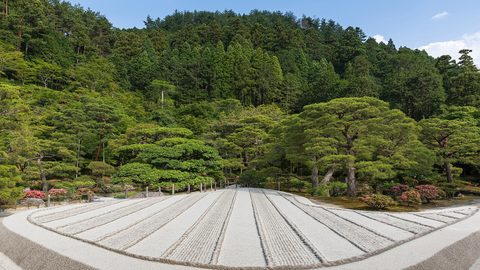 Best Time to Visit Japan What Each Season Actually Does
Cherry blossoms and autumn leaves draw the crowds for good reason, but Golden Week gridlock and New Year shutdowns can break an itinerary.
Best Time to Visit Japan What Each Season Actually Does
Cherry blossoms and autumn leaves draw the crowds for good reason, but Golden Week gridlock and New Year shutdowns can break an itinerary.
-
 Getting Around Japan Trains IC Cards and What the Map Oversells
The Japan Rail Pass is no longer an automatic buy. How to calculate if it pays off, which trains it excludes, and how IC cards actually work across regions.
Getting Around Japan Trains IC Cards and What the Map Oversells
The Japan Rail Pass is no longer an automatic buy. How to calculate if it pays off, which trains it excludes, and how IC cards actually work across regions.
-
 Cash and Cards in Japan How You Will Actually Pay for Things
Japan runs on cash more than its robot reputation suggests. Where cards work, where they do not, and how to keep enough yen on hand without carrying too much.
Cash and Cards in Japan How You Will Actually Pay for Things
Japan runs on cash more than its robot reputation suggests. Where cards work, where they do not, and how to keep enough yen on hand without carrying too much.
-
 Is Japan Safe Reading the Advice Without Being Misled by It
Japan's crime rate is genuinely low, but earthquakes, typhoons, and the rare nuisance on a crowded train are the risks that actually matter.
Is Japan Safe Reading the Advice Without Being Misled by It
Japan's crime rate is genuinely low, but earthquakes, typhoons, and the rare nuisance on a crowded train are the risks that actually matter.
-
 What a Trip to Japan Actually Costs and Where the Money Goes
A realistic breakdown of what Japan costs across budget, midrange, and high-end travel styles, and where the hidden expenses catch first-timers.
What a Trip to Japan Actually Costs and Where the Money Goes
A realistic breakdown of what Japan costs across budget, midrange, and high-end travel styles, and where the hidden expenses catch first-timers.
-
 A Ground-Level Logistics Guide to Independent Travel in China
First-time independent travel in China: what you need to know about visas, rail booking, eSIMs, mobile payments, and power adapters.
A Ground-Level Logistics Guide to Independent Travel in China
First-time independent travel in China: what you need to know about visas, rail booking, eSIMs, mobile payments, and power adapters.
-
 How Solo Travelers Stay Ahead of Flight Delays and Cancellations
How solo travelers can track inbound aircraft, claim rebooking rights, and adjust ground transport when flights go wrong — step by step.
How Solo Travelers Stay Ahead of Flight Delays and Cancellations
How solo travelers can track inbound aircraft, claim rebooking rights, and adjust ground transport when flights go wrong — step by step.
-
 Why Your eSIM Might Not Work Abroad and How to Check Before You Go
Buying an eSIM doesn't guarantee signal abroad. Learn why coverage fails by location and how to verify reach before you commit to a plan.
Why Your eSIM Might Not Work Abroad and How to Check Before You Go
Buying an eSIM doesn't guarantee signal abroad. Learn why coverage fails by location and how to verify reach before you commit to a plan.