Planning Japan Cherry Blossom Season Travel Without the Crowds
Cherry blossoms and autumn leaves draw the crowds for good reason, but Golden Week gridlock and New Year shutdowns can break an itinerary.
Choosing When to Go to Japan by Weather Crowds and Cost
At 07:00 in Kyoto, you are walking up the slope of Fushimi Inari, alone except for the fox statues and the morning mist. By 09:30, you cannot move. Tour groups stack behind each other at every torii gate, the air smells of sunscreen and fried batter, and the decision to visit during cherry blossom season has cost you the silence that makes the place worth seeing.
Japan has two peak windows: late March to early April for cherry blossoms, and November for autumn colour. Both deliver the weather and the scenery that fill every magazine cover. Both also deliver packed temples, hotels booked three months out, and prices 30 to 50 percent above shoulder season. The question is not whether you can afford the trip. It is which costs you are willing to pay, and which you are not.
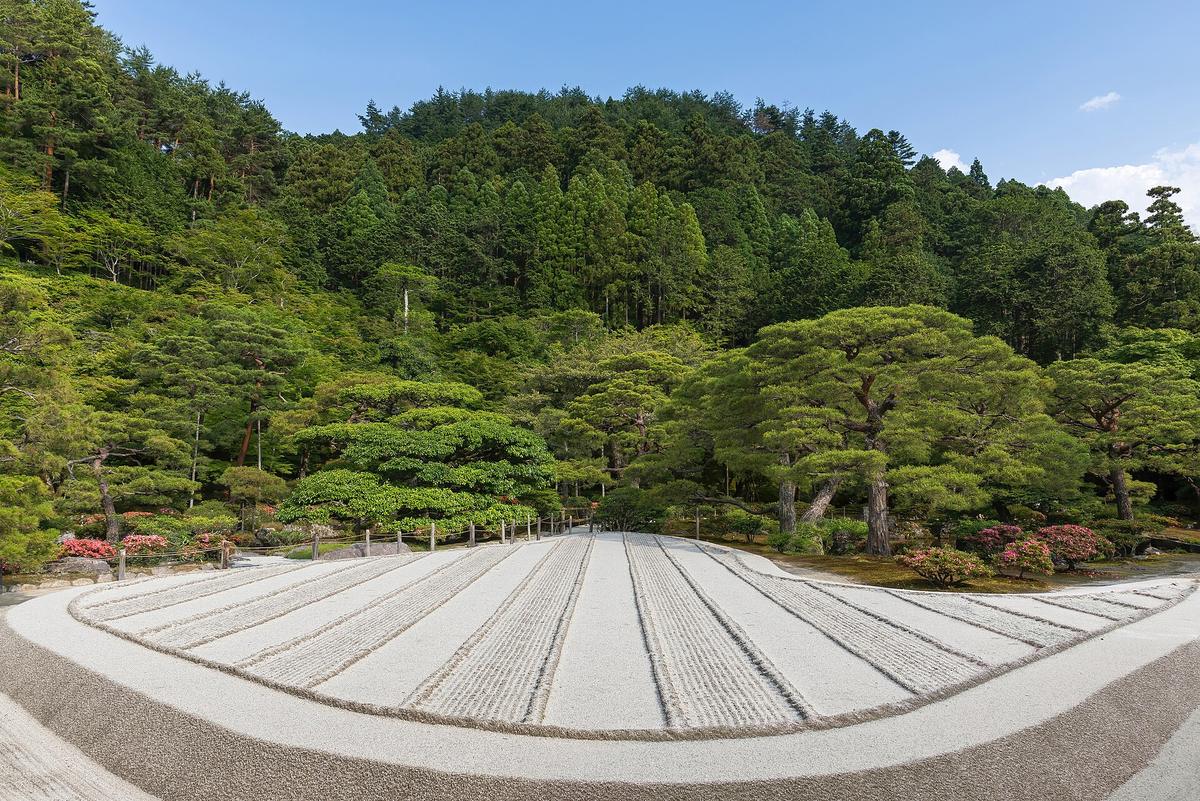
Japan Cherry Blossom Season Travel: What it Actually Costs
Chasing the Sakura Front
The cherry blossom front, or sakura zensen, moves from Kyushu in March to Hokkaido in May. If you chase peak bloom, you land in late March in Tokyo or Kyoto. The temperature sits around 15 to 20°C, skies are clear, the trees look deliberate and delicate. The penalties are specific.
Hotels in the Kansai region that cost a reasonable rate in February double or triple during blossom week. The Kyoto subway is standing room only by 08:00. Dinner at a restaurant that normally seats walk-ins requires a reservation placed six weeks earlier. The failure case is eating a convenience store onigiri on a park bench, which sounds romantic and is not.
How to Book It Right
If you come for the blossoms, book accommodation in February, not March. Use the Narita Express from Narita for 55 minutes and 3,070 JPY to central Tokyo, then take the Shinkansen to Kyoto on a Nozomi service that the Japan Rail Pass does not cover. The fastest train costs extra and the pass rarely saves money on a route this short. Pay the premium for the Nozomi, or accept the 20-minute penalty on the Hikari. Do both on the website before you leave home.
Japan Autumn Foliage Timing: Reverse the Front
The autumn colour front, koyo zensen, runs in reverse. It starts in Hokkaido in September and reaches Kyushu in December. November is the month when central Honshu peaks: Kyoto, Nikko, Kamakura, the Japanese Alps around Nagano. The weather is cool and dry, the light sits low and golden, and the crowds rival cherry blossom season.
Typhoon Risk and Where to Avoid It
The specific problem in November is October. Typhoon season peaks August through October across Kyushu, Shikoku, and southern Honshu. A late-season typhoon or the lingering autumn rain front, akisame, can cancel a hiking day or shut a mountain road. Typhoon landfall frequency decreases as you move north, so Hokkaido and Tohoku rarely get the storms that can stall travel in Kyushu.
The Sea of Japan Advantage
Book a trip to the Sea of Japan coast for colour, not the Pacific side. The northwest winter monsoon drops heavy snow on places like Shirakawa-go and the Tohoku mountains, but in November, before the snow sets, those valleys are empty of tourists and full of colour. The one thing that goes wrong most often: visitors buy a rail pass that does not cover the fastest train, then spend an extra hour each way on a route they could have cleared in half the time.
| Season | Weather | Crowd Level | Cost Level | Main Risk |
|---|---|---|---|---|
| Late Mar–Early Apr (Cherry Blossom) | 15–20°C, clear, low rain | Extreme | Premium (30–50% above shoulder) | Hotels and restaurants fully booked |
| November (Autumn Colour) | 10–18°C, dry, golden light | Very High | Premium (20–40% above shoulder) | Late typhoon tail risk in south |
| Golden Week (Late Apr–Early May) | 18–24°C, stable, pleasant | Peak domestic travel of year | Exorbitant hotels, standing room on trains | Bullet trains sold out days ahead |
| New Year (Dec 29–Jan 3) | Cold, dry, clear on Pacific side | Domestic travel at capacity | High | Many independent restaurants and museums closed |
| Rainy Season (June–Mid Jul) | 25–30°C, high humidity | Low (lowest of the year) | Low (shoulder pricing) | Oppressive humidity, persistent rain |
| Summer (Jul–Aug, Honshu) | Exceeds 30°C, extreme humidity | Moderate (Obon spike mid Aug) | Mid range | Heat, humidity, typhoon disruption |
| Winter, Pacific Side (Dec–Feb) | Cold, clear, low precipitation | Low | Low to mid | Short daylight, cold mornings |
| Winter, Sea of Japan Side (Dec–Feb) | Heavy snow, mountains exceed several metres | Moderate (ski areas) | Mid range | Road access disruption risk |
Japan Golden Week Crowds: the Domestic Travel Crush
Golden Week runs from late April to early May. It is the single highest domestic travel volume period in Japan. Every bullet train runs at standing room capacity. Hotels in popular destinations like Kanazawa, Hakone, and Kyoto cost three times their low-season rate. The national parks near Tokyo fill with Japanese families on holiday, not tourists.
Do not go to Japan during Golden Week unless you have family obligations or a non-negotiable event. The alternative is the last week of April in Kyushu or Okinawa, which sees lower domestic travel than Honshu, or the second week of May, when Golden Week ends and prices collapse by roughly 40 percent. If you do travel during Golden Week, book the Shinkansen at least two weeks ahead on the JR website, and accept that you will stand from Tokyo to Osaka if you buy a same-day ticket.
Japan New Year Closures: What Shuts Down
From December 29 to January 3, Japan enters its New Year holiday period. The big museums close. Independent restaurants shut for four or five days. The Ghibli Museum, already a ticket that sells out on the 10th of the prior month, becomes effectively unreachable. Many temples and shrines remain open, and the hatsumode, or first shrine visit of the year, draws enormous local crowds on January 1 and 2. Transport runs at capacity as people return to their home towns.
If you arrive during this window, you eat at chain restaurants, convenience stores, and hotel dining rooms. The failure case is arriving in Tokyo on December 30 without a reservation for dinner and finding that the alleyway ramen shop you planned to visit has a handwritten sign in Japanese you cannot read that says it reopens January 6. Plan your New Year trip around department store food halls, which stay open and sell high-quality bento boxes, and accept that this is a week for walking shrines and parks, not for eating your way through Kyoto kaiseki or Fukuoka Hakata ramen.

.jpg)
Japan Rainy Season Humidity: a Window You Can Use
The rainy season, tsuyu or baiu, affects all regions except Hokkaido for four to six weeks. Onset is earliest in Okinawa (around May) and latest in northern Tohoku (around mid-June). The rain is not a constant downpour. It is a persistent drizzle, high cloud cover, and humidity that makes 28°C feel like 35°C. The green landscapes turn saturated and vivid. Crowds drop to the lowest level of the year.
You can travel through the rainy season if you prioritize indoor experiences: the teamLab Planets and Borderless museums in Tokyo, the indoor sections of Kenroku-en Garden in Kanazawa, the shopping arcades of Osaka. The supporting benefit is price. Hotels in Kyoto drop by 30 to 40 percent in June. The Japan Rail Pass rarely pays off, but if you do buy one, this is the season when it covers enough travel to justify the 2023 price hike because you can move quickly between covered indoor attractions. Carry a pocket Wi-Fi device, buy a data-only eSIM before arrival because free public Wi-Fi is unreliable and requires tedious sign-up, and bring a power bank because Google Maps drains battery fast when you switch between train platforms in the rain.
Shoulder Season: May and October Without the Hype
May runs between cherry blossom season and Golden Week. October runs between the summer typhoon window and the autumn colour peak. Both months deliver good weather, moderate crowds, and prices that sit between low season and the premium windows.
May in Tokyo and Kyoto means temperatures around 20 to 24°C, occasional rain from the late tail of the rainy season that affects Kyushu but rarely reaches Kanto. The plum blossoms in Kyoto's gardens finish just as the azaleas start. Hotels are available at shoulder rates. October on the Pacific side of Honshu is dry and warm. The summer humidity has broken. Typhoon risk still exists in Kyushu and Shikoku, but central Honshu sees few direct hits. The autumn colour has not peaked, so the temples are busy but not packed.
The third option, Obon in mid-August, is not shoulder season. It is the second highest domestic travel volume period after Golden Week. Do not book a domestic flight during Obon unless you booked it in May.
What Japan Travel Suits Best and Who Should Skip it
Japan suits first-time Asia visitors who value safety and cleanliness, solo travellers who rely on infrastructure and personal space, obsessive foodies planning trips around regional specialities like Hokkaido miso ramen and Hiroshima-style okonomiyaki, pop culture and design enthusiasts, and skiers and hikers chasing world-class snow in the Sea of Japan side mountains or trails in the Japanese Alps. It does not suit travellers on a tight budget who want a cheap, spontaneous Asian backpacking trip, those who need loud, late-night party scenes outside a few specific city blocks in Tokyo and Osaka, or anyone who finds rigid schedules and limited seating on transit stressful.
The single thing that most often goes wrong: visitors try to see Tokyo, Kyoto, and Osaka in a rushed seven-day trip, buy a seven-day Japan Rail Pass that does not pay off, and spend the whole time in transit stations checking sights off a list, never leaving room for the unplanned wandering where Japan's magic actually lives.
Common Questions
What is the exact best month to visit Japan for first timers?
May or October. Both avoid the premium pricing and packed temples of cherry blossom and autumn colour peaks, while delivering pleasant weather. May gives you 20 to 24°C in central Honshu and low humidity. October gives you dry air and mild temperatures on the Pacific side, with the bonus that typhoon tail risk is low north of Tokyo.
Can I see both cherry blossoms and autumn colour in one trip?
Only if you visit Hokkaido in late May for blossoms and then fly south to Kyushu in December for colour. The two fronts move in opposite directions, and the seasonal shift between them covers approximately six months. A single trip of 10 to 14 days cannot hit both peaks unless you are willing to catch the tail end of one and the early start of the other.
How early should I book hotels for cherry blossom season?
Book by mid-February for late March arrival. Properties in Kyoto and Tokyo fill by the end of February for the first week of April. If you wait until March, you will pay premium rates for a business hotel 40 minutes from the city centre, or you will stay in Osaka and commute 45 minutes on the Kintetsu express each morning.
Is Japan too crowded to visit during New Year?
New Year is crowded for domestic travel, not international tourism. The major museums and independent restaurants close, which reduces what you can do, but the big shrines and department stores remain open. If you want to see Tokyo without queues at tourist sites, New Year works because the international visitors stay away. If you want to eat at famous restaurants, it fails.
Does the Japan Rail Pass still save money in 2026?
Rarely. The 2023 price hike made the pass worthwhile only if you cover huge distances daily, such as Tokyo to Kyoto to Hiroshima to Fukuoka in fewer than seven days. For a standard Tokyo-Kyoto-Osaka loop, the pass costs more than buying individual tickets. The Ministry of Foreign Affairs of Japan maintains the official list of visa waiver countries and the JR Group publishes current pass prices. Check both before you buy.
Read next
-

 Staying Connected in Japan eSIM Pocket Wi-Fi or Local SIM Compared
Free public Wi‑Fi in Japan is a trap. The networks that exist under names like Japan Connected free Wi‑Fi and city‑specific SSIDs require a sign‑up portal tha
Staying Connected in Japan eSIM Pocket Wi-Fi or Local SIM Compared
Free public Wi‑Fi in Japan is a trap. The networks that exist under names like Japan Connected free Wi‑Fi and city‑specific SSIDs require a sign‑up portal tha
-
 Getting Around Japan Trains IC Cards and What the Map Oversells
The Japan Rail Pass is no longer an automatic buy. How to calculate if it pays off, which trains it excludes, and how IC cards actually work across regions.
Getting Around Japan Trains IC Cards and What the Map Oversells
The Japan Rail Pass is no longer an automatic buy. How to calculate if it pays off, which trains it excludes, and how IC cards actually work across regions.
-
 Japan Visa Rules and the Application Process Explained
Which passport holders can enter Japan visa-free, what landing permission means at the border, and how the full visa application works for everyone else.
Japan Visa Rules and the Application Process Explained
Which passport holders can enter Japan visa-free, what landing permission means at the border, and how the full visa application works for everyone else.
-
 Cash and Cards in Japan How You Will Actually Pay for Things
Japan runs on cash more than its robot reputation suggests. Where cards work, where they do not, and how to keep enough yen on hand without carrying too much.
Cash and Cards in Japan How You Will Actually Pay for Things
Japan runs on cash more than its robot reputation suggests. Where cards work, where they do not, and how to keep enough yen on hand without carrying too much.
-
 Is Japan Safe Reading the Advice Without Being Misled by It
Japan's crime rate is genuinely low, but earthquakes, typhoons, and the rare nuisance on a crowded train are the risks that actually matter.
Is Japan Safe Reading the Advice Without Being Misled by It
Japan's crime rate is genuinely low, but earthquakes, typhoons, and the rare nuisance on a crowded train are the risks that actually matter.
-
 What a Trip to Japan Actually Costs and Where the Money Goes
A realistic breakdown of what Japan costs across budget, midrange, and high-end travel styles, and where the hidden expenses catch first-timers.
What a Trip to Japan Actually Costs and Where the Money Goes
A realistic breakdown of what Japan costs across budget, midrange, and high-end travel styles, and where the hidden expenses catch first-timers.
-
 A Ground-Level Logistics Guide to Independent Travel in China
First-time independent travel in China: what you need to know about visas, rail booking, eSIMs, mobile payments, and power adapters.
A Ground-Level Logistics Guide to Independent Travel in China
First-time independent travel in China: what you need to know about visas, rail booking, eSIMs, mobile payments, and power adapters.
-
 How Solo Travelers Stay Ahead of Flight Delays and Cancellations
How solo travelers can track inbound aircraft, claim rebooking rights, and adjust ground transport when flights go wrong — step by step.
How Solo Travelers Stay Ahead of Flight Delays and Cancellations
How solo travelers can track inbound aircraft, claim rebooking rights, and adjust ground transport when flights go wrong — step by step.
-
 Why Your eSIM Might Not Work Abroad and How to Check Before You Go
Buying an eSIM doesn't guarantee signal abroad. Learn why coverage fails by location and how to verify reach before you commit to a plan.
Why Your eSIM Might Not Work Abroad and How to Check Before You Go
Buying an eSIM doesn't guarantee signal abroad. Learn why coverage fails by location and how to verify reach before you commit to a plan.