The Days France Closes, and the Holidays That Move Each Year
A calendar of France's public holidays, which ones move, what closes on each, and how Sunday shutdowns affect travel plans.
The Days France Closes, and the Holidays That Move Each Year
France closes on specific days, and the shutdown is absolute. The country runs on a rhythm of fixed dates and lunar calculations. Travellers get caught out every year.
There are eleven national public holidays. Eight land on the same date. Three move with Easter, which shifts across March, April, and May. Each closure day affects trains, shops, and restaurants differently. Knowing which ones hit your itinerary is the difference between a smooth trip and an afternoon spent hunting for an open supermarket.
.jpg)
| Date | Holiday | What Shuts | What Stays Open |
|---|---|---|---|
| 1 January | New Year's Day | Banks, post offices, administration, most supermarkets | Restaurants in tourist areas, some bakeries (morning only) |
| 1 May | Labour Day | Nearly everything. Banks, shops, museums, transport runs Sunday schedule | Very few bakeries; some cafés in central Paris |
| 8 May | Victory in Europe Day 1945 | Banks, post offices, administration; some supermarkets | Museums vary; many open in tourist cities |
| 14 July | Bastille Day | Banks, post offices, administration; many museums close | Transport runs reduced schedule; restaurants and cafés open |
| 15 August | Assumption of Mary | Banks, post offices, administration; most supermarkets | Tourist area restaurants and bakeries open |
| 1 November | All Saints' Day (Toussaint) | Banks, post offices, administration; some supermarkets half-day | Cemeteries are busy; florists open; tourist restaurants open |
| 11 November | Armistice Day 1918 | Banks, post offices, administration; some supermarkets | Museums vary; many open in Paris and major cities |
| 25 December | Christmas Day | Nearly everything shuts. No public transport | Some hotels serve Christmas lunch; very few restaurants open |
French Bank Holidays: the Fixed Ones and the Tricky Moveable Ones
The term french bank holidays covers the same eight fixed dates and three moveable dates above. Banks always shut on these days. Post offices shut. Most public administration buildings shut. The difference is how the rest of the country responds.
Labour Day And The Near Total Shutdown
On Labour Day (1 May), the shutdown is near total. Even bakeries close in many towns. Paris museums like the Louvre and Musée d'Orsay close on 1 May and 25 December. The Eiffel Tower may open but check site by site. On Bastille Day and Assumption, tourist restaurants and cafés stay open in areas like the Côte d'Azur, Provence, and central Paris. Small food shops may open for a half-day, but large supermarkets and shopping centres close.
Moveable Dates And The Transport Risk
Public transport runs a reduced Sunday or holiday schedule on every public holiday. In Paris, Metro and RER frequencies drop to about one train every ten to fifteen minutes on core lines. Some branches stop running entirely. SNCF TGV and TER trains operate on a reduced timetable. Check the SNCF Connect app the day before. Missing a TGV on a holiday means buying a new ticket at full price; there is no rescaling.
The three moveable holidays cause most of the confusion. Easter Monday is the day after Easter Sunday, which falls between 23 March and 26 April. Ascension Day is 40 days after Easter, always a Thursday. Whit Monday is 50 days after Easter. These three dates shift every year. Check a French calendar for the current year before booking flights and accommodation around these periods.
France Bastille Day Closures: Transport Disruption and What You Can Actually Do
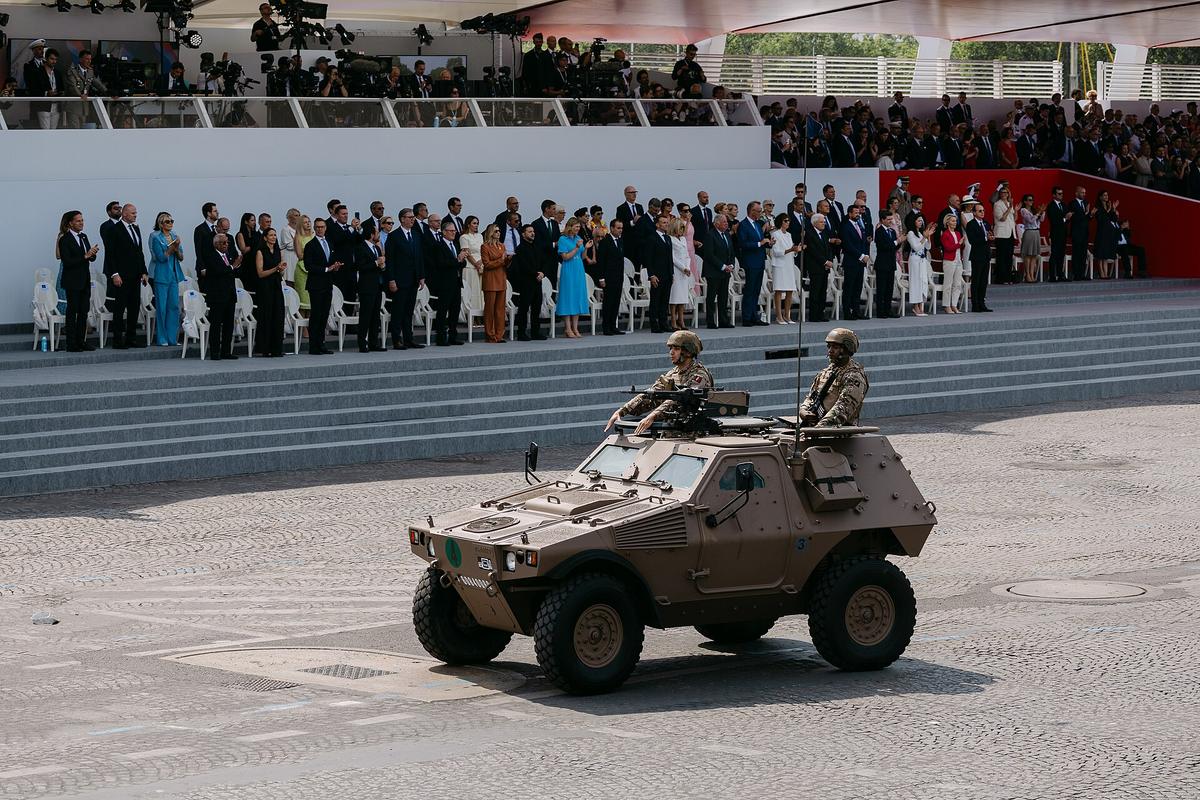
France bastille day closures follow a predictable pattern but the transport disruption is real. 14 July is a national public holiday. Banks, post offices, and administration buildings shut. Many museums close, though some major Paris museums stay open. The Louvre, Musée d'Orsay, and Centre Pompidou are closed. The Eiffel Tower and Arc de Triomphe often open, but check each site's website the week before.
Parade, Fireworks, And Airport Access
The big disruption is transport. The Paris Metro runs a reduced schedule. The RER B to Charles de Gaulle airport runs but at lower frequency. Plan for 40 to 60 minutes wait between trains. The military parade on the Champs-Élysées runs from 10:00 to 12:00 and closes that entire area to traffic and pedestrians until the afternoon. Fireworks at Champ de Mars and Trocadéro start at 23:00 and shut down surrounding Metro stations from 19:00 onward. If you need to reach the airport that evening, take the RER B from Gare du Nord or a pre-booked taxi, not the Metro near the Eiffel Tower.
Eating And Supplies
Restaurants in tourist areas do open. Book dinner in advance because the parade and fireworks draw large crowds. Bakeries open in the morning. Supermarkets and shopping centres close for the day. Buy provisions on 13 July if you plan to self-cater.
France May Holidays: the Bridge That Traps Travellers
France may holidays are the most dangerous for travellers because of the bridge effect (faire le pont). 1 May (Labour Day) is a Saturday in some years and a Monday in others. 8 May (Victory in Europe Day) falls five days later. When 1 May is a Tuesday or Thursday, many French workers take the intervening days off to create a five-day weekend. The same happens when 8 May lands near a weekend. This practice is not official but widespread. The result: shops, restaurants, and even some tourist offices close for three to five consecutive days, not just the single holiday.
How The Bridge Hits Your Plans
In years where 1 May falls on a Tuesday, expect closures from Saturday through Wednesday. Check local tourist office websites for the specific year. The town of Arles, for example, may close its Roman arena and Van Gogh foundation for three days straight.
Transport runs reduced schedules across the entire bridge period, not just the holiday itself. SNCF publishes a bridge holiday timetable about three weeks before. Book TGV tickets early because demand spikes. The last train on the evening before the bridge starts sells out first.
France Sunday Closures: the Weekly Rhythm That Never Stops
France sunday closures are not a holiday but they function like one. Sunday is the sacred day of rest in France, and the rule operates year-round. In most towns outside city centres, supermarkets, clothing stores, electronics shops, and shopping centres are closed. Bakeries open until around 13:00. Farmers markets run Sunday mornings in most regions, which is your best option for fresh food. In tourist-heavy areas like the Côte d'Azur, central Nice, and Paris 1st arrondissement, some convenience stores and souvenir shops stay open, but do not count on it.
Meals, Museums, And The Sunday Schedule
Restaurants are open for lunch and dinner on Sunday. The lunch window is 12:00 to 14:00. Arrive at 13:45 and you will be turned away. Museums vary: the Louvre is closed on Tuesday, but open on Sunday. The Musée d'Orsay is closed on Monday, open Sunday. The Palais des Papes in Avignon is open Sunday. Always check individual site schedules.
Public transport runs a Sunday schedule on every Sunday, which is identical to the holiday schedule. Metro frequencies drop. Trains are less frequent. Buses run limited routes. Plan arrival and departure days around the Sunday schedule. A train that runs hourly on Monday may run every two hours on Sunday.
Regional Holidays: Alsace and Moselle Operate on Their Own Calendar
Two regional public holidays apply only in Alsace and Moselle. Good Friday is a public holiday in these departments. Saint Stephen's Day on 26 December is also a public holiday. These dates come from the Concordat of 1801 and local law. If you are in Strasbourg, Colmar, or Metz on either day, expect banks, post offices, and administration to shut. Shops follow the same pattern as a Sunday. Restaurants and bakeries in tourist areas remain open. The Strasbourg Christmas market operates on 26 December, though some stalls close early.
.jpg)
Toussaint: the Cemetery Tradition That Changes Everything on 1 November
1 November is All Saints' Day, known in France as Toussaint. This is the day French families visit cemeteries to clean and decorate graves with chrysanthemums. The tradition is widespread and deeply respected. Florists open early and stock heavily. Cemeteries fill from mid-morning through early afternoon. In small towns, parking near cemeteries becomes difficult from 10:00 to 14:00.
Travel During The All Saints Break
Public transport runs a Sunday schedule. Banks and post offices are closed. Supermarkets may open for a half-day. Tourist attractions in major cities like the Eiffel Tower and Arc de Triomphe open. Rural museums and châteaux often close. The school holiday period known as the All Saints break runs for two weeks around this date, from late October to early November. Domestic accommodation prices rise during this break. Motorway traffic on the Saturday before 1 November is rated red or black by Bison Futé if the date falls near a weekend.
School Holiday Zones: How the Staggered Calendar Affects Crowds and Prices
Metropolitan France divides into three school holiday zones for staggered winter and spring breaks. Zone A covers Besançon, Bordeaux, Clermont-Ferrand, Dijon, Grenoble, Limoges, Lyon, and Poitiers. Zone B covers Aix-Marseille, Amiens, Caen, Lille, Nancy-Metz, Nantes, Nice, Orléans-Tours, Reims, Rennes, Rouen, and Strasbourg. Zone C covers Créteil, Montpellier, Paris, Toulouse, and Versailles.
Winter And Spring Break Crowds
Winter break spans two weeks in February and March. Spring break spans two weeks in April and May. The zones rotate which week they take first, changing each year. Ski resort occupancy and pricing track the winter break zone calendar. When Zone C is on break, Chamonix and Val d'Isère are at peak pricing. When Zone A follows, prices drop slightly then spike again.
Summer Saturation
Summer break runs early July to early September for all zones simultaneously. This is the peak of the peak. Domestic accommodation demand drives prices to their annual ceiling on the Côte d'Azur and in Provence. Motorway traffic density on summer Saturdays is classified as black or red by Bison Futé. Avoid driving on the A8 near Nice or the A7 near Avignon on the first Saturday of July and the last Saturday of August.
What Actually Shuts on a Public Holiday: the Practical Breakdown
Banks and post offices shut on every public holiday. This is absolute. If you need cash, withdraw it the day before. ATMs work but run out of cash on holiday weekends. Public administration buildings shut. If you need a visa extension or a document from the mairie, do not plan it on a public holiday.
Food Shops And Restaurants
Large supermarkets and shopping centres close. The Carrefour and Leclerc hypermarkets in most towns are shut. Smaller food shops, boulangeries, and épiceries may open for the morning only, from 07:00 to 12:00. In tourist areas like Nice, Cannes, and central Paris, some stay open all day. Do not rely on it. Buy your food the day before.
Restaurants and cafés in tourist areas do open on most public holidays. The exceptions are Labour Day (1 May) and Christmas Day (25 December), when even tourist restaurants may close or require pre-booking. The lunch window remains 12:00 to 14:00. Dinner service starts at 19:00. Arriving at 13:45 for lunch on a holiday gets you turned away.
Museums And Monuments
Museums and monuments vary by site. The major Paris museums close on 1 January, 1 May, and 25 December. On 14 July, most close. On 15 August and 1 November, some open and some close. Check each site's website individually. The rule: a museum that is normally closed on Mondays may open on a Monday holiday. A museum that is normally closed on Tuesdays will close on a Tuesday holiday.
The Biggest Mistake Travellers Make with French Public Holidays
The single thing that goes wrong is assuming a public holiday is like a Sunday. It is not. On a Sunday, bakeries open until 13:00 and markets run in the morning. On Labour Day, even bakeries close. On Christmas Day, no public transport runs at all. On Bastille Day, the Metro around the Eiffel Tower closes from 19:00. On Ascension Day, a Thursday, the bridge effect may close shops from Wednesday through Sunday. Check the specific date against a French holiday calendar for the current year. Then check the individual site. Then buy provisions the day before. If you do not, you will spend a holiday afternoon standing outside a locked supermarket door in a town with no restaurant open.
Frequently Asked Questions About France Public Holidays
What is the bridge holiday (faire le pont) in France?
When a public holiday falls on a Tuesday or Thursday, many French workers take the intervening Monday or Friday off to create a four or five day weekend. This is not an official public holiday but a widespread practice. Shops, restaurants, and tourist offices may close for the entire bridge period, not just the single holiday date.
Do trains run on public holidays in France?
Yes, but on a reduced Sunday or holiday schedule. SNCF TGV and TER trains operate fewer services. Check the SNCF Connect app the day before. A TGV ticket is tied to a specific train and seat. Missing it on a holiday schedule means buying a new ticket at full price.
Are museums open on Bastille Day?
Many Paris museums close on 14 July, including the Louvre, Musée d'Orsay, and Centre Pompidou. The Eiffel Tower and Arc de Triomphe often open. Check each museum's website the week before. Museums outside Paris vary. In Arles and Avignon, some sites close.
What is the Toussaint tradition in France?
Toussaint on 1 November is the day French families visit cemeteries to clean graves and place chrysanthemums. Florists open early. Cemeteries are busy from 10:00 to 14:00. Parking in small towns is difficult. It is a public holiday: banks, post offices, and administration close.
Do shops open on Sundays in Paris?
In central Paris and tourist areas, some convenience stores and souvenir shops open on Sunday. Bakeries open until 13:00. Large supermarkets and shopping centres are closed. The Marais district has more Sunday openings than other areas. Check individual shop schedules.
Which French public holidays are moveable?
Easter Monday, Ascension Day, and Whit Monday move each year because they are tied to Easter Sunday. Easter Sunday falls between 23 March and 26 April. Ascension Day is always a Thursday, 40 days after Easter. Whit Monday is 50 days after Easter. Check a French calendar for the current year.
What is the impact of school holidays on travel in France?
Accommodation prices rise during all zone school breaks, especially summer and Christmas. Ski resort pricing tracks the winter break zone calendar. Motorway traffic is heaviest on summer Saturdays classified as black or red by Bison Futé. The All Saints break in late October to early November affects domestic travel.
Read next
-
 Staying Connected in France With eSIM, Local SIM or Roaming
Compare eSIM, local French SIM cards, and roaming for reliable data across France, from Paris to the signal-poor Gorges du Verdon.
Staying Connected in France With eSIM, Local SIM or Roaming
Compare eSIM, local French SIM cards, and roaming for reliable data across France, from Paris to the signal-poor Gorges du Verdon.
-
 Best Time to Visit France When You Want the Place to Yourself
When to visit France based on crowds, closures, and regional rhythms—not just average temperatures and rainfall charts.
Best Time to Visit France When You Want the Place to Yourself
When to visit France based on crowds, closures, and regional rhythms—not just average temperatures and rainfall charts.
-
 Getting Around France by TGV, TER, and a Car You Can Actually Park
How to get around France by train and car, including TGV seat rules, paper ticket validation, motorway tolls, and where the rail map misleads.
Getting Around France by TGV, TER, and a Car You Can Actually Park
How to get around France by train and car, including TGV seat rules, paper ticket validation, motorway tolls, and where the rail map misleads.
-
 France Visa Requirements for Schengen and Non-Schengen Passports
Who needs a visa for France, who does not, and the step-by-step process for a French short-stay visa application.
France Visa Requirements for Schengen and Non-Schengen Passports
Who needs a visa for France, who does not, and the step-by-step process for a French short-stay visa application.
-
 Cash or Card in France When the Restaurant Terminal Says Non
How to pay in France: where cards work, where cash still rules, and why your American Express might get refused at the boulangerie.
Cash or Card in France When the Restaurant Terminal Says Non
How to pay in France: where cards work, where cash still rules, and why your American Express might get refused at the boulangerie.
-
 France Safety Advice Without the Internet Panic Spiral
Real safety risks in France—pickpocketing, scams, and strike disruption—separated from the internet panic spiral, with practical advice.
France Safety Advice Without the Internet Panic Spiral
Real safety risks in France—pickpocketing, scams, and strike disruption—separated from the internet panic spiral, with practical advice.
-
 A Ground-Level Logistics Guide to Independent Travel in China
First-time independent travel in China: what you need to know about visas, rail booking, eSIMs, mobile payments, and power adapters.
A Ground-Level Logistics Guide to Independent Travel in China
First-time independent travel in China: what you need to know about visas, rail booking, eSIMs, mobile payments, and power adapters.
-
 How Solo Travelers Stay Ahead of Flight Delays and Cancellations
How solo travelers can track inbound aircraft, claim rebooking rights, and adjust ground transport when flights go wrong — step by step.
How Solo Travelers Stay Ahead of Flight Delays and Cancellations
How solo travelers can track inbound aircraft, claim rebooking rights, and adjust ground transport when flights go wrong — step by step.
-
 Why Your eSIM Might Not Work Abroad and How to Check Before You Go
Buying an eSIM doesn't guarantee signal abroad. Learn why coverage fails by location and how to verify reach before you commit to a plan.
Why Your eSIM Might Not Work Abroad and How to Check Before You Go
Buying an eSIM doesn't guarantee signal abroad. Learn why coverage fails by location and how to verify reach before you commit to a plan.