When to Go to France and What Each Season Actually Delivers
When to visit France based on crowds, closures, and regional rhythms—not just average temperatures and rainfall charts.
When to Go to France and What Each Season Actually Delivers
August 5, 14:30 on the D559 through Provence. Traffic has stopped. The temperature gauge reads 37°C. Every car in front of you has a roof box and a Brittany Ferries sticker on the back. This is not a vacation. This is a convoy. The best time to visit France depends on what you want to experience on the ground, not on a climate chart. Temperature tells you nothing about whether the restaurant kitchen is open, whether the hotel is available at a price you will pay, or whether the hill village you drove to has parking.
France Seasons Guide: What Each Window Actually Does to Your Trip
France runs on a rhythm that has nothing to do with tourist brochures. July and August are peak season. The entire country moves. Paris empties as residents head for the coast. The Côte d'Azur and Provence hit their annual price ceiling. August 1 to 15 is the peak of the peak, when French families take their own holidays and the roads around the Dune du Pilat and the Gorges du Verdon become parking lots. Accommodation prices double. Dinner reservations require a week of planning.
Spring: April To Mid May
This is the shoulder period. Visitor numbers are lower than summer. Mountain lifts sit closed between the ski season and summer operations. Some attractions run reduced schedules. The weather is variable: you can get 22°C and clear skies one day, 10°C and driving rain the next. Book the Loire Valley châteaux now, before the queues form. Walk the Roman Arena of Nîmes before the heat arrives. Skip the high Alpine passes. The Col de l'Iseran and the Col du Galibier are snowed in until June. If you want hiking above 2,000 m, wait.
Late September To October
The other shoulder, and the better one if you can take it. Crowds drop sharply after September 15. Sea temperatures on the Mediterranean coast stay warm into early October. The Alabaster Coast around Étretat gets the autumn light that photographers fly for. The trade off: rain probability rises, mountain refuges begin seasonal closures, and the GR hiking routes start to empty. Book a table at a Lyon bouchon on the day and find a room in Saint-Émilion without paying August rates. Accommodation runs roughly 30% to 50% below July prices in Bordeaux and the Rhône Valley.

France in August Crowds: What the Numbers Actually Mean
August in France is not crowded the way Times Square is crowded. It is crowded the way a single lane road through a medieval hill village is crowded when two trucks delivering to the weekly market meet head on. The Côte d'Azur jams solid from Cannes to Menton. The pebbled beaches of Nice are shoulder to shoulder by 10:30. The Pont du Gard has a 100 m queue for the swim access. The Palais des Papes in Avignon sells out timed entry by 11:00.
The failure case matters here. You have not booked accommodation for the Côte d'Azur in August. You are looking on Booking.com on August 5. The cheapest room within 20 km of the beach is a single window facing a courtyard. If you dislike dense crowds and premium pricing, avoid August. If you must go, book parking ahead at Mont-Saint-Michel. Book timed entry at the Château de Versailles, which is closed Mondays. Treat the menu at any seaside restaurant as priced for the season, not the quality.
| Month | Crowd Level | Key Event Impact | What Closes |
|---|---|---|---|
| January | Low | None | Many restaurants closed first two weeks; ski resorts active |
| February | Low | School holiday departures (zones A, B, C) | Same; mountain passes mostly closed |
| March | Low to moderate | Daylight saving last Sunday | Mountain lifts still between seasons |
| April | Moderate | Easter school holidays | Mountain lifts closed; some chateaux reduced hours |
| May | Moderate to high | Cannes Film Festival last week | Nothing major; high passes still snowed in |
| June | High (odd years) | Paris Air Show spikes hotels odd numbered years | High passes open late June |
| July | Very high | Bastille Day 14 July (closures) | Nothing; everything running |
| August | Peak | August 1 15 domestic peak | Nothing; everything running at peak prices |
| September | Moderate | Wine harvest begins in Bordeaux and Burgundy | Mountain refuges start closing late September |
| October | Low to moderate | Increasing rain; episodes cévenols in Mediterranean | Mountain refuges mostly closed by mid October |
| November | Low | Hunting season active (September to February) | Many seasonal attractions closed from November 1 |
| December | Moderate to high | Christmas markets (Alsace, Strasbourg, Colmar) | Many museums closed 25 December and 1 January |
France Harvest Season: What the Wine Regions Actually Look Like
September in France's wine regions is both beautiful and busy. The harvest season does not mean empty vineyards and peaceful tasting rooms. It means tractors on the D roads at 06:00, pickup trucks blocking the cellars, and a domaine owner too tired to give you the full tasting. September is not a secret. The entire wine tourism industry knows it. If you want the Rhône Valley or Bordeaux during the vendange, book accommodation four months ahead. Harvest starts in the Languedoc and southern Rhône in late August, hits Burgundy and the Loire Valley in mid September, and reaches Alsace in early October. The Route des Vins villages like Riquewihr and the villages around Saint-Émilion are packed on weekends.
Go for the food. The weekly markets in Provence and the Dordogne run heavy on mushrooms, truffles, and game. The oyster beds of the Atlantic coast in Brittany and Aquitaine are at their best from September. Lunch in a village that produces its own wine is still a 12:00 to 14:00 window. Outside that, the kitchen is closed and you will be turned away. That is not rudeness. That is France.
.jpg)
France Weather by Month: the Real Operational Impact
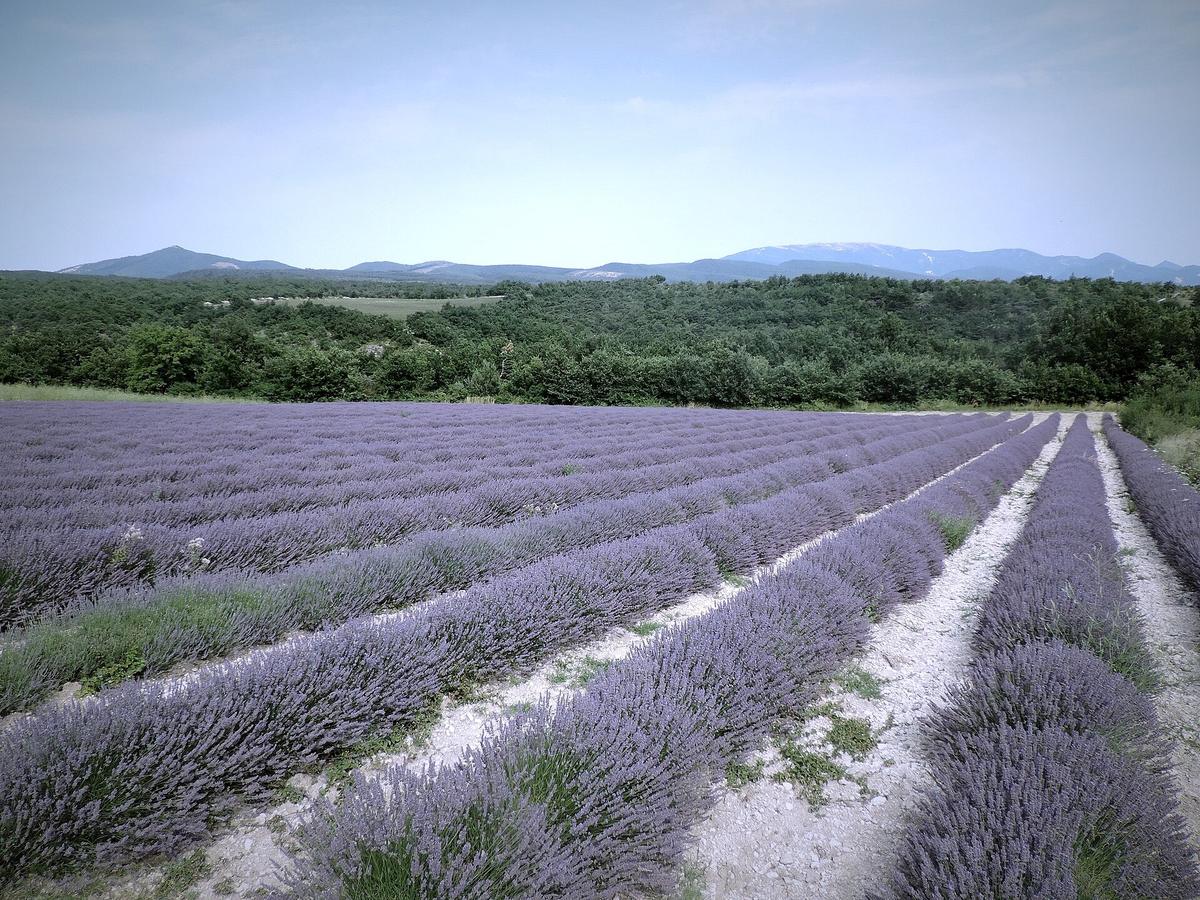
Weather in France is not one thing. The Atlantic coast and Normandy have an oceanic climate. The northeast and the interior around Paris and the Loire Valley are semi continental. The southeast around Nice and Marseille is Mediterranean. The high mountains are Alpine. In January, walk the ramparts of Carcassonne in 8°C and drizzle while Nice records 13°C and sun. In July, drive from the lavender fields of Provence at 35°C to the Aiguille du Midi at 3,842 m where it is 5°C and you need a jacket. Book the cable car to the top ahead regardless of month.
Summer daylight runs approximately 16 hours in Lille and 15 hours 20 minutes in Nice. Winter daylight drops to approximately 8 hours in Lille and 9 hours in Nice. That matters for sightseeing. If you visit Mont Saint Michel in December, the tidal island abbey is accessible from 09:30 to 17:00 and you have roughly six usable daylight hours. Plan accordingly. The tiger mosquito is established in much of southern and central France. Its season runs from May to November. If you are renting a car and sleeping in it, do not camp within 200 m of a water source. That is the law.
When to Go: the Operational Reality
The question is not what the weather will be. The question is whether the restaurant is open, whether the train is running, and whether the bed is available at a price you can pay. France runs on a schedule that does not bend for tourists. Lunch is 12:00 to 14:00. Strikes happen on Thursdays with little warning and can paralyse the SNCF rail network and air traffic control. Credit cards work widely but American Express is refused at roughly 40% of independent shops. Public toilets are scarce and cost €0.50 to €1 coin. Buy a drink at a cafe to use theirs.
Give this country 10 days minimum. Any less and you are choosing between north or south, not seeing a country. The common mistake is trying to see too much: a Paris, Nice, Mont Saint Michel, Chamonix itinerary in 10 days burns half your trip in transit. Pick one or two adjacent regions and treat the rest as a reason to return.
France suits slow travellers who will spend a week in one region. Food and wine pilgrims planning around markets and vintages. Road trippers comfortable with tolls and manual transmissions. History buffs who can layer Roman ruins, medieval abbeys, and WWII sites. Hikers and cyclists seeking long distance trails like the GR routes. France is not for travellers on a tight 5 to 7 day multi country blitz who will only see Paris and feel cheated. It is not for anyone expecting 24 7 convenience or late night dining everywhere. It is not for visitors who rely entirely on English and get frustrated by translation friction. The single thing that most often goes wrong: trying to see too much. Pick two regions. Stay 10 days minimum. Come back for the rest.
Common Questions
What is the worst single week to visit France?
August 1 to 15. The entire country is on holiday. Roads clog. Accommodation hits its annual ceiling. Every coastal restaurant runs a fixed menu at premium pricing. If you have to travel in August, book everything six months ahead and expect to pay double the May rate.
When does the Cannes Film Festival affect travel?
The last week of May. The Riviera chokes. Hotel rates in Cannes, Nice, and Antibes spike. The Croisette is closed to normal traffic. If you are not attending the festival, avoid the Côte d'Azur during this window.
Does the Paris Air Show affect hotel prices?
Yes, in odd numbered Junes. The Paris Air Show at Le Bourget drives hotel rates across the city upward. If you are visiting Paris in June of an odd year, check the show dates and book before they are announced or avoid Paris that week.
What should I know about Sunday in France?
Sunday is sacred. Most shops outside tourist zones are closed. Supermarkets in small towns close by 12:30. Markets run in the morning only. Restaurants that serve lunch do so from 12:00 to 14:00. Plan your Sunday around walking and a fixed meal, not errands.
When is the best month for wine touring?
Late September, before the harvest chaos peaks but after the summer crowds thin. The weather is mild. The grapes are on the vine. The tasting rooms are open. Book ahead for the Rhône Valley, Bordeaux, and Alsace. Bring cash for buying direct from the domaine.
Read next
-
 Staying Connected in France With eSIM, Local SIM or Roaming
Compare eSIM, local French SIM cards, and roaming for reliable data across France, from Paris to the signal-poor Gorges du Verdon.
Staying Connected in France With eSIM, Local SIM or Roaming
Compare eSIM, local French SIM cards, and roaming for reliable data across France, from Paris to the signal-poor Gorges du Verdon.
-
 Getting Around France by TGV, TER, and a Car You Can Actually Park
How to get around France by train and car, including TGV seat rules, paper ticket validation, motorway tolls, and where the rail map misleads.
Getting Around France by TGV, TER, and a Car You Can Actually Park
How to get around France by train and car, including TGV seat rules, paper ticket validation, motorway tolls, and where the rail map misleads.
-
 France Visa Requirements for Schengen and Non-Schengen Passports
Who needs a visa for France, who does not, and the step-by-step process for a French short-stay visa application.
France Visa Requirements for Schengen and Non-Schengen Passports
Who needs a visa for France, who does not, and the step-by-step process for a French short-stay visa application.
-
 Cash or Card in France When the Restaurant Terminal Says Non
How to pay in France: where cards work, where cash still rules, and why your American Express might get refused at the boulangerie.
Cash or Card in France When the Restaurant Terminal Says Non
How to pay in France: where cards work, where cash still rules, and why your American Express might get refused at the boulangerie.
-
 France Safety Advice Without the Internet Panic Spiral
Real safety risks in France—pickpocketing, scams, and strike disruption—separated from the internet panic spiral, with practical advice.
France Safety Advice Without the Internet Panic Spiral
Real safety risks in France—pickpocketing, scams, and strike disruption—separated from the internet panic spiral, with practical advice.
-
 What a Trip to France Actually Costs Shaped by Region and Season
How trip costs in France shift by region and season, from Parisian prix-fixe lunches to the Côte d'Azur's August premium on every bed and table.
What a Trip to France Actually Costs Shaped by Region and Season
How trip costs in France shift by region and season, from Parisian prix-fixe lunches to the Côte d'Azur's August premium on every bed and table.
-
 A Ground-Level Logistics Guide to Independent Travel in China
First-time independent travel in China: what you need to know about visas, rail booking, eSIMs, mobile payments, and power adapters.
A Ground-Level Logistics Guide to Independent Travel in China
First-time independent travel in China: what you need to know about visas, rail booking, eSIMs, mobile payments, and power adapters.
-
 How Solo Travelers Stay Ahead of Flight Delays and Cancellations
How solo travelers can track inbound aircraft, claim rebooking rights, and adjust ground transport when flights go wrong — step by step.
How Solo Travelers Stay Ahead of Flight Delays and Cancellations
How solo travelers can track inbound aircraft, claim rebooking rights, and adjust ground transport when flights go wrong — step by step.
-
 Why Your eSIM Might Not Work Abroad and How to Check Before You Go
Buying an eSIM doesn't guarantee signal abroad. Learn why coverage fails by location and how to verify reach before you commit to a plan.
Why Your eSIM Might Not Work Abroad and How to Check Before You Go
Buying an eSIM doesn't guarantee signal abroad. Learn why coverage fails by location and how to verify reach before you commit to a plan.