Reading Safety Advice About France Without Being Misled by It
Real safety risks in France—pickpocketing, scams, and strike disruption—separated from the internet panic spiral, with practical advice.
Reading Safety Advice About France Without Being Misled by it
You land at Charles de Gaulle, ride the RER B toward Paris, and somewhere between Aéroport CDG 2 and Gare du Nord, a hand reaches into your open jacket pocket. That is the real, statistically relevant risk in France. It is not a terrorist plot, a venomous snake bite, or a mugging at knifepoint. It is pickpocketing on a 35-minute train ride. France safety advice that matches what actually happens starts with that train, not with the internet panic list.
France is a safe country. The 2023 homicide rate was 1.2 per 100,000 residents, lower than the UK and half the US rate. What gets travellers into trouble is not violent crime but small, predictable friction: a stolen phone, a fake charity petition, a strike that cancels your train to Lyon. Know which risks are real, which are noise, and what to do when something goes wrong. Stop worrying about the rest.
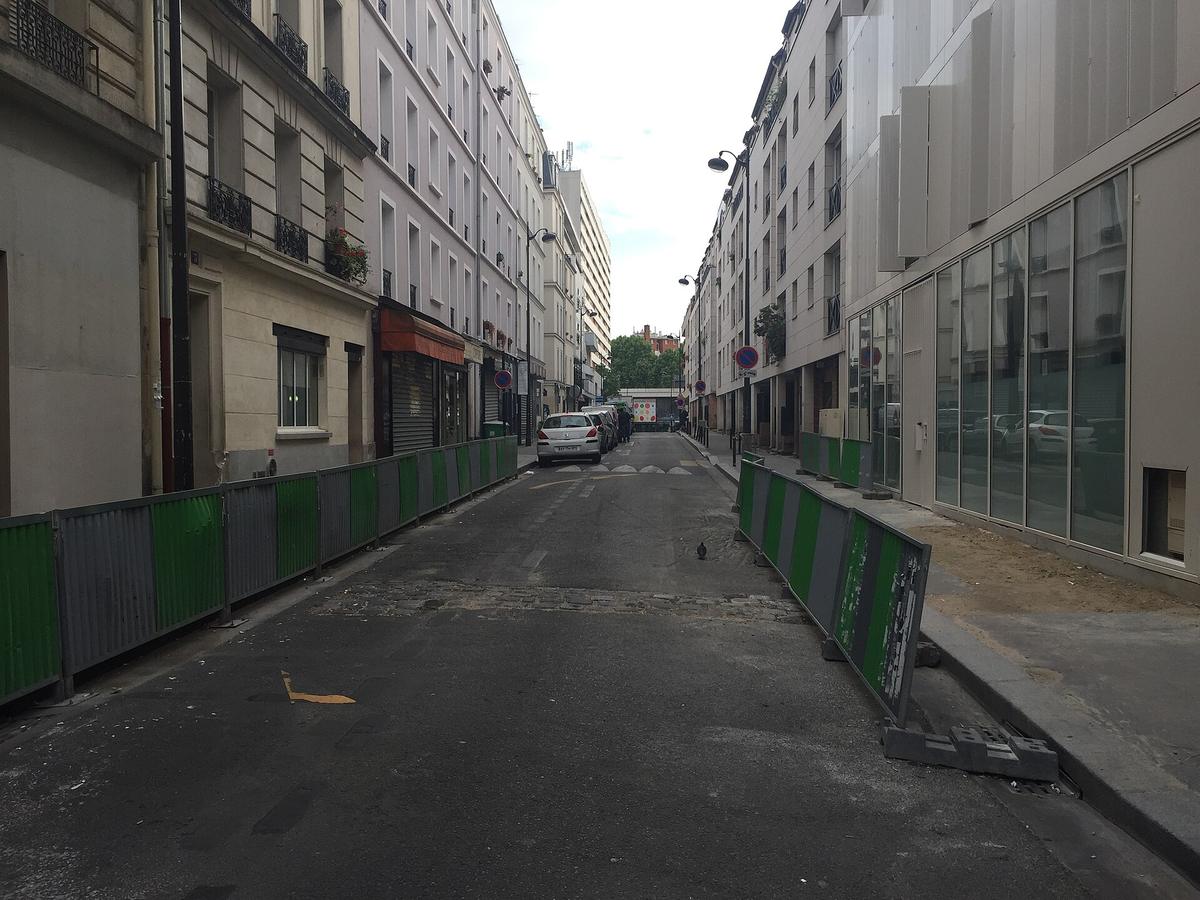

France Travel Safety: the Real Numbers
France ranks 66th globally on the 2024 Global Peace Index, behind Canada and Australia but ahead of the United States. Violent crime against tourists is rare. The French Ministry of the Interior reported pickpocketing incidents on the Paris metro network in 2023, a number that sounds large until you divide it by 1.5 billion annual metro trips. The risk concentrates on specific routes at specific times.
The RER B from CDG to central Paris accounts for a disproportionate share. The train runs 35 to 50 minutes and the fare is set by Île-de-France Mobilités; check the official RATP website for the current price. Thieves work the doors at Gare du Nord, Châtelet Les Halles, and Saint Michel Notre Dame, where crowds compress and passengers watch luggage instead of pockets. Keep your bag zipped and in front of your body. Keep your phone in a front pocket or a jacket interior. Do not put your wallet in a back pocket on a crowded car.
Paris Pickpocketing: Where it Happens and How to Stop it
Pickpocketing in Paris is not everywhere. It is on the metro lines 1, 4, and 13, at major interchange stations, and in front of the Eiffel Tower, the Louvre, and Sacré-Cœur. Outside Paris, it concentrates on the old port in Marseille and on the Promenade des Anglais in Nice. The rest of the country sees almost none. A tourist in Lyon, Bordeaux, or the Dordogne is unlikely to encounter a pickpocket at all.
The common script: one person distracts you while another lifts your bag. The distraction might be a dropped map, a question in broken English, or a group of children crowding around. Do not stop to help. Do not engage. Keep walking. If someone blocks your path, step around and keep your hand on your bag.
What To Do If It Happens
Go to the nearest police station (commissariat de police) and file a main courante, a simple report of loss. For an insurance claim, request a copy. The emergency number for police is 17. If you need an ambulance, dial 15. The European emergency number 112 works from any phone. For deaf or hard of hearing, send an SMS to 114.
Cancel credit cards immediately. Most French banks and Visa/Mastercard allow instant freeze through their apps. Report a lost passport to your embassy. The US Embassy in Paris issues emergency passports within 24 hours. The UK consulate can issue an emergency travel document on the same day for a fee.
France Scam Warnings: What You Actually Encounter
Scams in France follow a handful of scripts. The most common is the petition signature scam near Sacré-Cœur in Paris. A person with a clipboard asks you to sign a petition for a deaf charity. While you sign, an accomplice picks your pocket or demands a cash donation. Do not stop. Do not make eye contact. Walk past.
The gold ring scam is second: someone finds a ring on the ground, claims it is valuable, and offers to sell it to you for a small fee. It is a piece of brass. The friendship bracelet scam works the same way near Montmartre and the Eiffel Tower. A person ties a bracelet onto your wrist and demands payment to remove it. Keep your hands in your pockets and keep moving.
ATM fraud is the third risk. Standalone street ATMs are more vulnerable to skimming devices than machines inside bank lobbies. Use ATMs attached to a bank branch with a door code. Cover the keypad when entering your PIN. If the machine swallows your card, call your bank immediately. French banks do not return cards held by an ATM; you must request a replacement from your home bank.
What Not To Worry About
Do not worry about being drugged in a bar. Do not worry about fake taxi drivers at CDG. Official taxis from the airport queue at marked stands, charge a flat rate set by the government, and accept card payments. Check the current fare on the official Paris Aéroport website before you land. Do not worry about the water. Tap water is safe to drink nationwide. Exceptions are marked with a sign reading "eau non potable" and are rare. Do not worry about snakes. The asp viper and adder exist in the Alps, Pyrenees, and Massif Central, but bites are rarely fatal. No traveller has died from a snakebite in France in the past decade.
Strikes, Transport Disruption, and What to Do When Your Train Does Not Run
Strikes (grèves) are a fact of French life. SNCF rail workers, air traffic controllers, and refinery staff strike regularly. The pattern is predictable: strike notices are published 48 hours in advance on the SNCF Connect app and on the website of the affected union. Major strike days often fall on Thursdays. When a strike hits, TGV and TER trains run on a reduced schedule. Minimum service is not guaranteed on all lines. Your ticket is tied to a specific train and seat; if that train is cancelled, SNCF offers a refund or exchange, but you must initiate it yourself through the app or at a ticket counter. Do not board a different train without exchanging your ticket first; you will be fined.
Flights are affected too. Air traffic control strikes ground roughly 20 percent of flights on strike days. Airlines typically waive change fees for flights on strike dates, but you must check your airline's policy. The SNCF Connect app and the official airline app are your best sources of real time information. Do not rely on third party apps.
What To Pack For A Strike Day
Keep a backup plan. If your TGV from Paris to Marseille is cancelled, BlaBlaCar ridesharing offers seats on the same route. The A7 autoroute runs the same corridor; the drive takes 7.5 hours in normal traffic and 10 hours on strike days. If you are stuck in a small town with no taxi rank and no ride share coverage, pre book a taxi through a local number or walk to the nearest hotel and ask the front desk to call one.
| Service | Number |
|---|---|
| Police | 17 |
| Fire Brigade | 18 |
| Ambulance / Medical Emergency | 15 |
| European Emergency Number | 112 |
| Deaf / Hard of Hearing (SMS) | 114 |
| SOS Médecins (House Call Service) | 3624 |
| Pharmacy Roster (Pharmacie de Garde) | Posted on pharmacy doors and local police stations |
.png)
Health Risks, Heatwaves, and What to Pack
The biggest health risk to a traveller in France is sun exposure. Heatwaves (canicule) occur in summer, most intensely in the Rhône Valley and the Mediterranean coast. The national heatwave alert system (plan canicule) has four levels. When level 3 or 4 is active, public fountains run, museums offer free water, and the government issues SMS alerts. Drink 2 to 3 litres of water per day. Avoid outdoor activity between 12:00 and 16:00. Wear a hat and SPF 50 sunscreen.
Lyme disease is present in forests and tall grass nationwide, with peak activity from spring to autumn. Check for ticks after hiking in the Alps, the Vosges, or the Massif Central. Remove a tick with tweezers, pulling straight out, and clean the bite. If a red ring appears around the bite, see a doctor. Tick borne encephalitis is present mainly in Alsace, Lorraine, Franche Comté, Savoie, Haute Savoie, and parts of the Massif Central. A vaccine exists and is recommended if you plan to hike or camp in those regions.
Pharmacies are identified by a green cross sign. For night or Sunday service, a pharmacie de garde (duty pharmacy) roster is posted on all pharmacy doors and at local police stations. EU and EEA and Swiss citizens use a European Health Insurance Card (EHIC or GHIC) for medically necessary state provided care. Non EU visitors need private travel health cover. Carry your coverage card and a copy of your policy.
Wildfire, Flood, And Mountain Safety
Wildfire risk is high in the Mediterranean zone, including Provence, Corsica, and Languedoc, from June to September. Forest access is restricted on high risk days. Check the local prefecture website for daily restrictions. If you see smoke, leave the area immediately and call 18.
Flash floods (épisodes cévenols) hit Mediterranean coastal rivers from September to November. Do not drive through standing water. Turn around. The water can rise 2 metres in 15 minutes. Avalanche risk in the Alps and Pyrenees is published daily by Météo France on a 5 level scale. Check it before any off piste skiing. Rip currents on the Atlantic coast, particularly in the Landes and Gironde, are the leading cause of beach rescues. Swim only at supervised beaches between mid June and mid September, and observe the flag system: green is safe, yellow is caution, red is no swimming, purple indicates dangerous marine life.
Driving, Tolls, and the Rules That Trip You Up
Driving in France is safe but has rules that catch visitors. Autoroutes are tolled (péage). Payment is by cash, card, or electronic tag (télépéage). The speed limit on autoroutes is 130 km/h in dry weather and 110 km/h in rain. On dual carriageways with a central reservation, the limit is 110 km/h in dry weather and 100 km/h in rain. On other roads outside built up areas, the limit is 80 km/h. In built up areas, it is 50 km/h.
The blood alcohol limit for drivers is 0.5 g/L. For drivers with less than 3 years' licence, the limit is 0.2 g/L. A single glass of wine can put you over. Do not drink and drive. The mandatory in vehicle equipment includes a reflective safety vest and a warning triangle. The breathalyser law exists but the penalty for non compliance is not enforced. Carry one anyway.
Low emission zones (ZFE m) operate permanently in Paris, Lyon, Grenoble, and other large cities. You need a Crit'Air vignette, issued by the government based on your vehicle's emissions class. The vignette costs about 4 euros and must be displayed on your windscreen. Without it, you risk a fine. Order it online at least two weeks before your trip.
Priority to the right (priorité à droite) applies in many built up areas unless overridden by signs. Vehicles from the right have priority at unsigned intersections. This is the opposite of what most drivers expect. Slow down at every junction in a town. Winter tyre or chain zones (Loi Montagne) apply in 48 départements from November to March. If you drive in the Alps or Pyrenees in winter, you must have winter tyres or chains in the car. The fine for non compliance is set by the government; check the official Loi Montagne website for the current amount.
What Not to Worry About: the Internet Panic Checklist
Do not worry about terrorism. The Vigipirate plan is active at three alert levels, but the statistical risk to a traveller is negligible. Do not worry about wild boar collisions unless you are driving at dawn or dusk through the Ardennes, Vosges, Sologne, or Landes. Even then, the risk is lower than hitting a deer in the US. Do not worry about jellyfish on the Mediterranean coast. Pelagia noctiluca blooms occur in July and August, but the sting is painful rather than dangerous, and most beaches post warning flags. Do not worry about mosquitoes. The tiger mosquito is established in 78 of 96 mainland départements, but dengue and chikungunya transmission events are rare and localised. Use repellent in the evening. Do not worry about the language barrier causing a safety issue. French emergency services have English speaking operators. The 112 number connects to a central dispatch that can transfer to an English speaker.
Common Questions
Is the tap water safe to drink in France?
Yes. Tap water is safe to drink nationwide. Exceptions are rare and marked with a sign reading "eau non potable".
What is the emergency number for police in France?
The emergency number for police is 17. For ambulance, dial 15. For fire, dial 18. The European number 112 works from any phone.
Do I need to validate my train ticket before boarding?
Paper tickets on TER and Intercités trains must be validated (compostage) in the yellow machines before boarding. TGV and OUIGO tickets do not require validation. Missing validation can result in a fine.
Is it safe to drive in France as a tourist?
Yes. The road network is well maintained. Autoroutes are tolled and fast. The main risks are priority to the right, which applies in many towns, and the low alcohol limit of 0.5 g/L. Carry a reflective vest and warning triangle.
What should I do if I am pickpocketed?
Go to the nearest police station and file a report (main courante) for insurance purposes. Cancel credit cards immediately. Report a lost passport to your embassy. The police emergency number is 17.
Do I need travel insurance for France?
EU, EEA, and Swiss citizens can use their European Health Insurance Card for state provided medical care. Non EU visitors need private travel health cover. Pharmacies charge full price for prescriptions without coverage.
Are strikes common in France?
Yes. SNCF rail strikes and air traffic control strikes occur regularly. Strike notices are published 48 hours in advance. Check the SNCF Connect app and airline apps for real time updates. Have a backup plan.
Read next
-
 Staying Connected in France With eSIM, Local SIM or Roaming
Compare eSIM, local French SIM cards, and roaming for reliable data across France, from Paris to the signal-poor Gorges du Verdon.
Staying Connected in France With eSIM, Local SIM or Roaming
Compare eSIM, local French SIM cards, and roaming for reliable data across France, from Paris to the signal-poor Gorges du Verdon.
-
 Best Time to Visit France When You Want the Place to Yourself
When to visit France based on crowds, closures, and regional rhythms—not just average temperatures and rainfall charts.
Best Time to Visit France When You Want the Place to Yourself
When to visit France based on crowds, closures, and regional rhythms—not just average temperatures and rainfall charts.
-
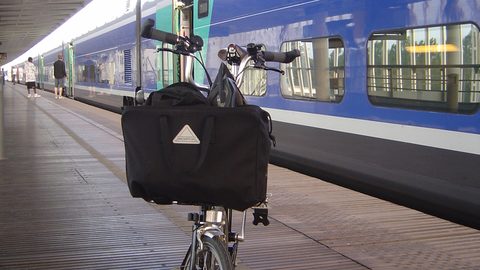 Getting Around France by TGV, TER, and a Car You Can Actually Park
How to get around France by train and car, including TGV seat rules, paper ticket validation, motorway tolls, and where the rail map misleads.
Getting Around France by TGV, TER, and a Car You Can Actually Park
How to get around France by train and car, including TGV seat rules, paper ticket validation, motorway tolls, and where the rail map misleads.
-
 France Visa Requirements for Schengen and Non-Schengen Passports
Who needs a visa for France, who does not, and the step-by-step process for a French short-stay visa application.
France Visa Requirements for Schengen and Non-Schengen Passports
Who needs a visa for France, who does not, and the step-by-step process for a French short-stay visa application.
-
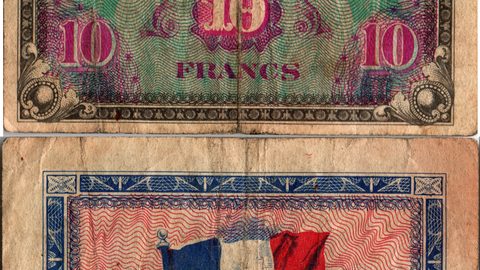 Cash or Card in France When the Restaurant Terminal Says Non
How to pay in France: where cards work, where cash still rules, and why your American Express might get refused at the boulangerie.
Cash or Card in France When the Restaurant Terminal Says Non
How to pay in France: where cards work, where cash still rules, and why your American Express might get refused at the boulangerie.
-
 What a Trip to France Actually Costs Shaped by Region and Season
How trip costs in France shift by region and season, from Parisian prix-fixe lunches to the Côte d'Azur's August premium on every bed and table.
What a Trip to France Actually Costs Shaped by Region and Season
How trip costs in France shift by region and season, from Parisian prix-fixe lunches to the Côte d'Azur's August premium on every bed and table.
-
 A Ground-Level Logistics Guide to Independent Travel in China
First-time independent travel in China: what you need to know about visas, rail booking, eSIMs, mobile payments, and power adapters.
A Ground-Level Logistics Guide to Independent Travel in China
First-time independent travel in China: what you need to know about visas, rail booking, eSIMs, mobile payments, and power adapters.
-
 How Solo Travelers Stay Ahead of Flight Delays and Cancellations
How solo travelers can track inbound aircraft, claim rebooking rights, and adjust ground transport when flights go wrong — step by step.
How Solo Travelers Stay Ahead of Flight Delays and Cancellations
How solo travelers can track inbound aircraft, claim rebooking rights, and adjust ground transport when flights go wrong — step by step.
-
 Why Your eSIM Might Not Work Abroad and How to Check Before You Go
Buying an eSIM doesn't guarantee signal abroad. Learn why coverage fails by location and how to verify reach before you commit to a plan.
Why Your eSIM Might Not Work Abroad and How to Check Before You Go
Buying an eSIM doesn't guarantee signal abroad. Learn why coverage fails by location and how to verify reach before you commit to a plan.