Who Needs a Visa to Enter Austria
Austria is in the Schengen zone. Most short-stay visitors from wealthy countries enter visa-free, but passport validity and upcoming ETIAS rules still apply.
Who Needs a Visa to Enter Austria
Visa-Exempt Travellers
You do not need a visa for Austria if you hold a passport from the United States, the United Kingdom, Canada, Australia, New Zealand, Japan, South Korea, Israel, the United Arab Emirates, or any other EU/EEA/Swiss nation. You can stay up to 90 days within any 180-day period across the entire Schengen area. If your travel document is from one of the roughly 100 nationalities not on that visa-exempt list, you must obtain a uniform Schengen visa (Type C) before you travel. Austria does not offer a visa on arrival or an e-visa. The full list of exempt and non-exempt nationalities is published by the Federal Ministry for European and International Affairs (BMEIA).
The 90/180 Rule and Document Checks
The core of entry requirements is the 90/180 Schengen rule. Your travel document must be valid for at least three months beyond your intended departure date from the Schengen area and must have been issued within the previous ten years on the date you enter. These two conditions apply to every traveller, visa-free or not. Border officials may also ask for proof of onward travel or sufficient funds to purchase a ticket, and they can request evidence of means of subsistence for the duration of your stay. There is no fixed minimum amount for that check; it depends on the length and type of stay. Systematic checks happen at all external Schengen borders. Austria has periodically reintroduced temporary controls at its land borders with Slovenia and Hungary, so carry your travel document at all times.


Schengen Visa Austria: Who Must Apply
Where and When to Submit
If your nationality is not on the visa-exempt list, you need a uniform Type C visa that permits stays of up to 90 days within a 180-day window. You must apply at the Austrian embassy or consulate in your country of residence, or at a visa processing centre that handles submissions on behalf of Austria. Submit the paperwork no earlier than six months before your trip and no later than 15 days before departure. Most consulates recommend submitting at least four to six weeks ahead. Processing times vary by embassy and season but take 15 calendar days as standard; this can extend to 45 days if additional documentation is required.
Documents and Fees
The process requires a completed form, a travel document valid for the 90/180 rule plus the three-month margin, biometric photos, proof of travel medical insurance, flight itinerary, accommodation bookings, and evidence of sufficient funds. The fee for adults is set by the consulate at EUR 80; for children aged six to twelve it is EUR 40. Children under six are exempt. Cash is not accepted at most centres; payment is by card or bank transfer. If your itinerary includes multiple Schengen nations, you submit at the embassy of the state where you will spend the longest time. If the days are equal, apply at the point of first entry.
Austria Entry Rules for Visa-Free Travellers
Visa-free travellers do not simply walk through. Entry rules require you to present a valid travel document, satisfy the border officer that you will leave within 90 days, and demonstrate that you have accommodation and sufficient funds for your stay. You may be asked for return tickets or proof of onward travel. The border officer can deny entry if you cannot show a clear plan. The 90-day limit is not per nation; it is a Schengen-wide clock. Spend 45 days in France and 45 days in Austria and you have used the full allowance. The clock resets only after you have been outside the Schengen area for 90 consecutive days.
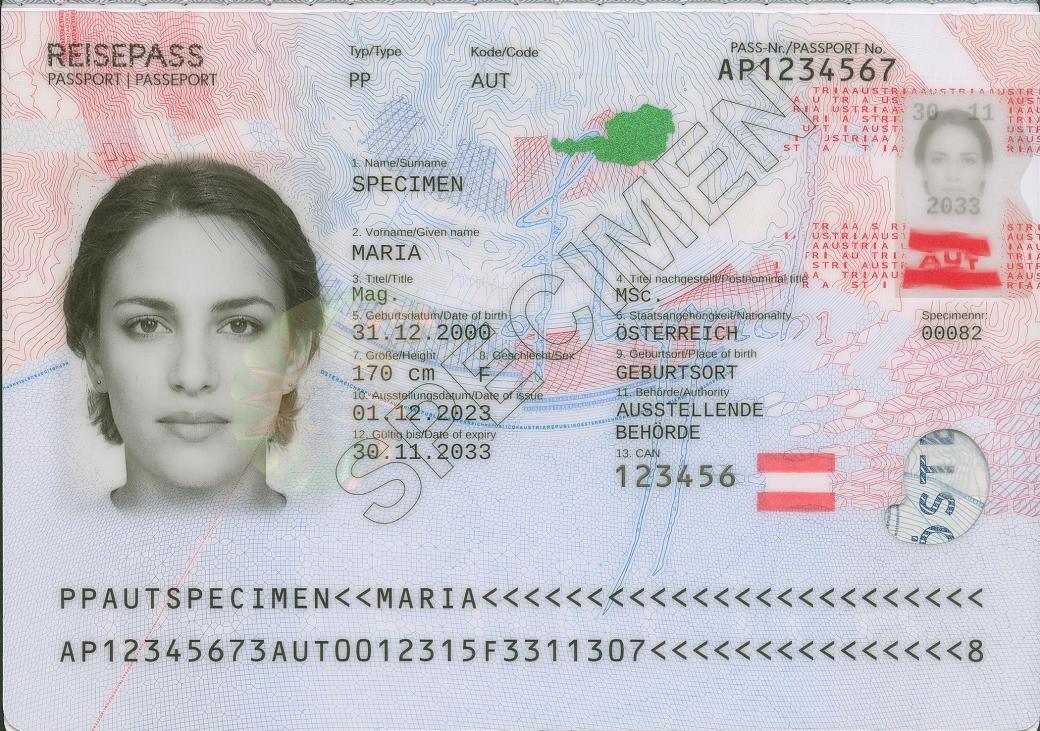
One rule that catches travellers is the validity requirement: your travel document must be valid for at least three months after the date you plan to leave the Schengen area, and it must have been issued within the last ten years on the day you enter. A document issued 11 years ago but still valid on paper does not meet the second condition. Check both dates before booking flights. For US nationals, the document must be valid for the full duration of the stay, but the three-month rule still applies. UK nationals must hold a document valid for at least three months beyond the intended departure date. Australian documents must meet the same standard. Canadian ones require validity for the full stay plus an additional three months.
ETIAS and EES: What You Need to Know
The ETIAS requirement has been announced for nationals of visa-free third states. When operational, travellers will need an ETIAS travel authorisation before boarding a flight, bus, or ferry to the Schengen area. The system is not yet live as of August 2026. The European Commission publishes the go-live date. Do not buy ETIAS from any third-party site until the official launch is confirmed. The Entry/Exit System (EES) will register entry and exit data electronically, replacing passport stamps for visa-free travellers. This system is also not yet operational. When it launches, it will track the 90/180 rule automatically. Check the BMEIA website or the European Commission travel page for the current status before your trip.
| Requirement | Rule | Applies To |
|---|---|---|
| Validity beyond departure | At least 3 months beyond intended Schengen exit date | All travellers |
| Passport issue date | Issued within previous 10 years on date of entry | All travellers |
| Visa free maximum stay | 90 days within any 180 day period | Visa exempt nationals |
| Visa application window | 6 months before travel, no later than 15 days before | Schengen visa applicants |
| Visa processing time | 15 calendar days standard, up to 45 days | Schengen visa applicants |
Austria Visa Application Process Step by Step
The Seven Steps
The process has a clear sequence. First, determine which Austrian embassy or consulate handles your jurisdiction. In many places, submissions are outsourced to a dedicated centre such as VFS Global or TLScontact. You cannot apply at the airport or at the border. There is no e-visa option. Second, book an appointment. Walk-ins are not accepted at most posts. Third, prepare your documents: completed form, travel document with two blank pages, two identical biometric photos, travel medical insurance, round-trip flight reservation, hotel bookings, proof of employment or financial means, and a cover letter explaining your itinerary. Fourth, attend the appointment in person if you are over 12. Biometric data (fingerprints and photo) are collected every five years. Fifth, pay the fee. Sixth, wait. You can track the submission if you applied through a visa centre. Seventh, collect your travel document in person or by courier if offered.
Why Applications Fail
The most common rejection reason is insufficient proof of funds. Austrian consulates do not publish a fixed minimum amount, but a rule of thumb is EUR 100 per day of stay, set by the consulate as a guideline. A second reason is unclear travel history or a past overstay in Schengen. A third is incomplete or contradictory accommodation bookings. If your request is denied, you receive a written reason and can appeal within the timeframe stated in the rejection letter. The appeal must be filed with the same consulate. There is no guarantee of success, and the process adds weeks.
_data_page.jpg)
Austria Entry Rules for Specific Nationalities
Nationals of the United States do not need a visa for stays up to 90 days. The travel document must be valid for the entire duration of the stay. Canadians are visa-free for 90 days. Australians are visa-free for 90 days. New Zealanders are visa-free for 90 days. Britons are visa-free for 90 days. Japanese and South Korean nationals are visa-free for 90 days. Israelis are visa-free for 90 days. UAE nationals are visa-free for 90 days. In every case, the validity rules described above apply. Nationals of India, China, South Africa, Russia, Turkey, the Philippines, Thailand, Vietnam, Indonesia, and most African and Middle Eastern states require a Schengen visa before travel. There is no visa on arrival for any nationality. If your home nation is not on the visa-exempt list, assume you need a visa and check the BMEIA list before booking anything.
What Happens If You Overstay
Overstaying the 90-day limit is a violation of the Schengen Borders Code. Consequences include a fine, a formal notice to leave, a ban from re-entering the Schengen area for a period that can range from one to five years, and deportation. The Schengen Information System (SIS) records overstays. The rule is enforced at the border when you leave. There is no grace period. If you need to stay longer than 90 days for reasons such as study or work, you must apply for a national visa or residence permit before the 90 days expire. That is a separate process handled by the Austrian immigration authorities, not the tourist visa system. Do not attempt to exit and re-enter to reset the clock; border officers check the 180-day window, not a single entry date.
Austria Entry Rules: the Practical Failures
The single thing that most often goes wrong with entry rules is the validity check. Travellers check the expiry date but not the issue date. A travel document issued 11 years ago is invalid for Schengen entry even if it has not expired. The second most common failure is assuming the 90-day clock resets at the border. It does not. The third is arriving without proof of onward travel. Budget airlines boarding in Vienna will deny boarding if you cannot show a return ticket or an onward booking to a non-Schengen destination. The fourth is not carrying the physical document. Austria requires the original at border checks. A photocopy or a digital scan is not accepted. The fifth is attempting to apply for a visa at the airport. Austria has no visa on arrival and no e-visa. If you arrive without the correct documentation, you will be refused entry and sent back on the next flight at your own cost.
Common Questions
Do I need a visa for Austria if I have a US green card?
A US green card does not change your nationality. You must follow the visa rules of the nation that issued your travel document. If that nation is on the visa-exempt list, you do not need a visa. If it requires a Schengen visa, you must apply regardless of your residency status.
Can I enter Austria with a Schengen visa issued by another country?
Yes, if the visa is a uniform Schengen visa and Austria is either the main destination or the first point of entry if no single state is the main destination. You must comply with the visa's validity dates and duration limits.
How long does an Austrian Schengen visa take to process?
Standard processing is 15 calendar days from the date the consulate receives a complete submission. This can extend to 45 days if documents need verification. Apply at least four to six weeks before travel.
What happens if my passport expires before the three month post departure requirement?
You will be denied boarding or entry. Renew your travel document before travel. The three-month rule applies to the document's expiry date, not the visa's validity. Even if you have a valid visa, an expiring document can block entry.
Is there a visa on arrival at Vienna International Airport?
No. Austria does not issue any visa on arrival. All visas must be obtained from an Austrian embassy, consulate, or authorised visa processing centre in your country of residence before departure.
Can I apply for an Austrian visa online?
No. Austria does not offer an e-visa. The process requires an in-person appointment at a consulate or visa centre. Some centres allow you to fill the form online and upload documents, but biometrics must be taken in person.
What is the minimum bank balance required for an Austrian visa?
Austrian consulates do not publish a fixed minimum amount. A common guideline used by consulates is EUR 100 per day of stay. You must show consistent income and sufficient funds for the full trip. Self-employed applicants may need additional documentation.
Read next
-

 Staying connected in Austria with eSIM, local SIM, or just hotel WiFi
Austrian mobile coverage vanishes in the places you need it most: deep Alpine valleys and high passes.
Staying connected in Austria with eSIM, local SIM, or just hotel WiFi
Austrian mobile coverage vanishes in the places you need it most: deep Alpine valleys and high passes.
-
 Best Time to Visit Austria for Cities, Lakes and Skiing Without Crowds
Austria's seasons dictate what's open: Christmas markets end on 24 December, the Salzburg Festival consumes July and August, and many hotels close the first
Best Time to Visit Austria for Cities, Lakes and Skiing Without Crowds
Austria's seasons dictate what's open: Christmas markets end on 24 December, the Salzburg Festival consumes July and August, and many hotels close the first
-
 Getting Around Austria by Train, Bus and Car Without the Map Mistakes
Austria's ÖBB rail network is excellent but unforgiving: Sparschiene tickets are train-specific and worthless if missed, and motorways eat schedules.
Getting Around Austria by Train, Bus and Car Without the Map Mistakes
Austria's ÖBB rail network is excellent but unforgiving: Sparschiene tickets are train-specific and worthless if missed, and motorways eat schedules.
-
 Cash or Card in Austria, Where Euros Still Rule and ATMs Save You
Austria runs on euros, but card acceptance collapses in mountain huts, Heurigen wine taverns, and small village cafés. Carry cash daily.
Cash or Card in Austria, Where Euros Still Rule and ATMs Save You
Austria runs on euros, but card acceptance collapses in mountain huts, Heurigen wine taverns, and small village cafés. Carry cash daily.
-
 Is Austria Safe, Reading the Advice Without the Anxiety Spiral
Austria is very safe for visitors. The real risks are mountain weather shifts and overestimating hiking ability, not street crime, though Vienna pickpocketing
Is Austria Safe, Reading the Advice Without the Anxiety Spiral
Austria is very safe for visitors. The real risks are mountain weather shifts and overestimating hiking ability, not street crime, though Vienna pickpocketing
-
 What a trip to Austria costs in real terms and where the money actually goes
Austria costs are shaped by rigid rules, not just choices: Sunday closures, cash-only huts, and non-refundable train tickets define the budget more than any
What a trip to Austria costs in real terms and where the money actually goes
Austria costs are shaped by rigid rules, not just choices: Sunday closures, cash-only huts, and non-refundable train tickets define the budget more than any
-
 Vienna
 is an imperial capital that kept the museums after losing the empire. Here is what the city is actually like beyond the postcard images, and who it
Vienna
Vienna is an imperial capital that kept the museums after losing the empire. Here is what the city is actually like beyond the postcard images, and who it
-
 A Ground-Level Logistics Guide to Independent Travel in China
First-time independent travel in China: what you need to know about visas, rail booking, eSIMs, mobile payments, and power adapters.
A Ground-Level Logistics Guide to Independent Travel in China
First-time independent travel in China: what you need to know about visas, rail booking, eSIMs, mobile payments, and power adapters.
-
 How Solo Travelers Stay Ahead of Flight Delays and Cancellations
How solo travelers can track inbound aircraft, claim rebooking rights, and adjust ground transport when flights go wrong — step by step.
How Solo Travelers Stay Ahead of Flight Delays and Cancellations
How solo travelers can track inbound aircraft, claim rebooking rights, and adjust ground transport when flights go wrong — step by step.