An Austria Trip Cost Breakdown That Makes Sense
Austria costs are shaped by rigid rules, not just choices: Sunday closures, cash-only huts, and non-refundable train tickets define the budget more than any
The Shape of an Austria Travel Budget, from Non-Negotiables to the Things That Quietly Add Up
Most first timers budget for Austria by checking hotel rates and adding a flat number for meals. That misses the real shape of the cost. The fixed, unavoidable costs of an Austrian trip are not accommodation and flights. They are the Sparschiene gamble, the pay toilet cash you will carry, the Sunday closure premium that forces you to buy groceries on Saturday, and the difference between a mountain hut lunch and a restaurant dinner. Those four items determine whether your Austria trip cost breakdown lands at a low or high figure, and they are almost never in the guidebook price list.
Getting here without a car works, as long as you plan around the one useful bus. This guide maps the trade offs you actually make: which costs you cannot dodge, which ones you can cut, and where the money disappears before you notice.

The Non-Negotiable Costs That Surprise First Timers
Four costs catch every unprepared visitor. Budget for them before you look at hotel prices.
The Sparschiene Gamble
ÖBB offers Sparschiene discount tickets at deep discounts, sometimes 50 percent below the full fare. A Vienna to Salzburg Railjet costs €4.30 if you take the regular train from the airport, but a full price long distance ticket can hit €60. The Sparschiene version might cost €19. The catch: the ticket is non refundable and tied to a specific train. Miss that train and the ticket is worthless. You buy a new full fare ticket at the machine. The trade off is simple. If your itinerary is fixed, buy Sparschiene tickets as soon as they go on sale, usually six months ahead. If you want flexibility, pay the full fare and treat the difference as insurance.
Pay Toilet Cash
Public toilets in train stations, rest stops, and tourist areas cost €0.50 to €1.00. Coin operated turnstiles or an attendant collect the fee. Card payment is rare. If you have no coins, you cannot use the toilet. Carry a stash of €1 coins specifically for this. A family of four spending €1 per toilet stop three times a day adds €12 daily, €84 across a week. That is a real line item.
Sunday Closure Premium
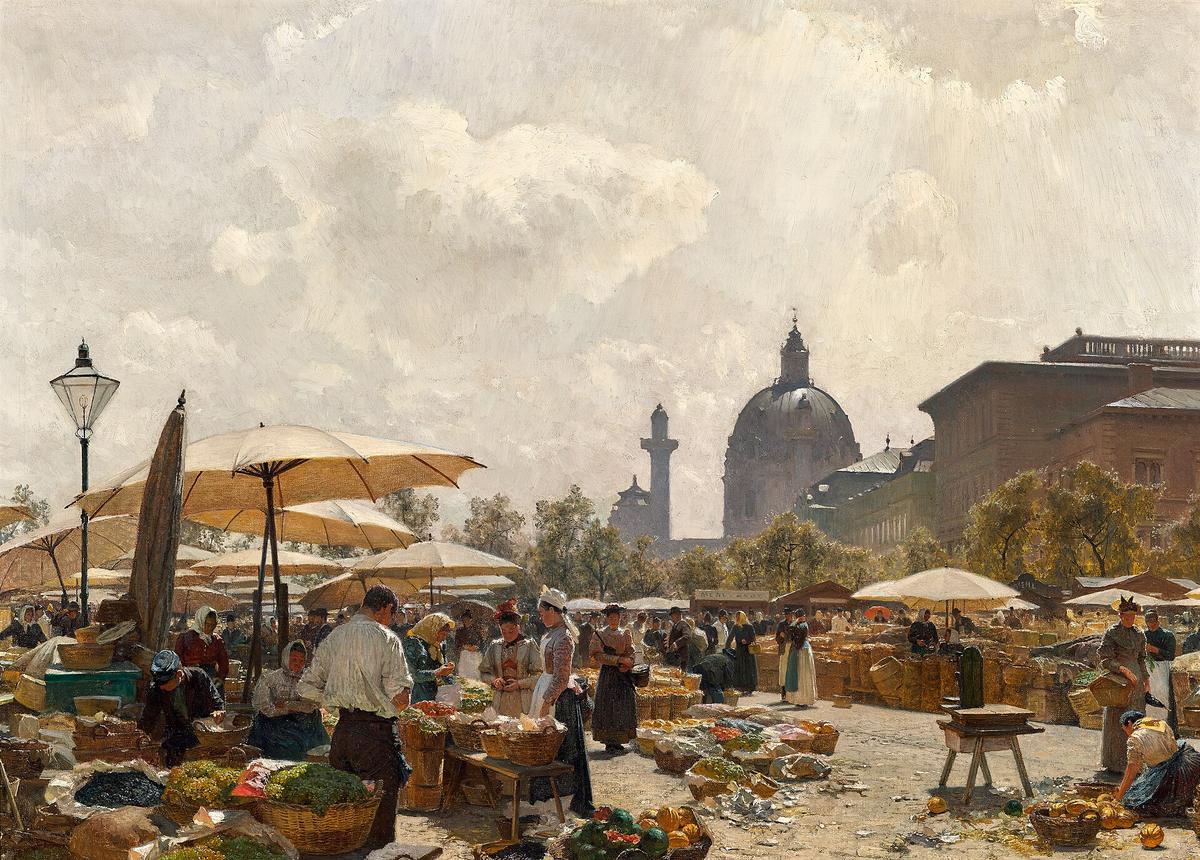
Sunday closures are total in Austria. Supermarkets, pharmacies, and most shops shut completely. Only petrol stations, railway station shops, and some bakery outlets remain open. If you arrive on a Sunday without groceries, you eat at a restaurant or a Würstelstand for every meal. A supermarket sandwich costs €3. A restaurant lunch costs €15. The premium for arriving unprepared on a Sunday is roughly €30 per person per day. The fix: arrive on a Saturday or stock up before 18:00 on Saturday.
Mountain Hut Lunch vs. Restaurant Dinner
A lunch at a mountain hut: Kaiserschmarrn or Brettljause, plus a drink, runs €12 to €18. A sit down dinner in a Salzburg or Innsbruck restaurant with a main course, wine, and coffee runs €35 to €55. The difference is not just the food. The hut lunch includes the view and the hike. The restaurant dinner includes table service and a wine list. If you eat two restaurant dinners daily, your food budget doubles. The trade off: eat the midday meal at a hut or a Würstelstand, cook dinner from supermarket ingredients, and save €20 per day.
How Much to Budget for Austria: Daily Ranges That Actually Mean Something
A realistic daily budget depends on your accommodation type and dining choices, not on abstract averages. These ranges include accommodation, food, local transport, and one paid attraction per day. They exclude intercity rail, ski passes, and car costs.
Budget traveller, dorm bed or rural Privatzimmer, self catering and Würstelstand meals: €80 to €110 per person per day. The low end requires a Sparschiene ticket for every rail journey and no restaurant dinners. The high end adds one sit down lunch.
Mid range traveller, private room in a guesthouse or farm stay with breakfast, one restaurant meal per day, and a couple of drinks: €150 to €200 per person per day. City tax of €2 to €4 per person per night adds a small but real cost. This range works in Graz or Carinthia but stretches in Tyrol or Salzburg province.
Higher range traveller, hotel in a city centre or ski in ski out property, dinner with wine nightly, cable car rides in summer: €250 to €350 per person per day. At this level, accommodation alone runs €150 to €250 per night.
The dominant trip cost category for every budget is accommodation. The second largest is food and drink, especially restaurant meals with alcohol. Cutting the restaurant dinner to one per three days drops the daily total by €20 to €30.
Austria Daily Travel Expenses: Where the Money Goes by Category
Daily expenses break into five categories. The proportions shift depending on region and season.
Accommodation
Accommodation cost shape follows proximity to ski lifts in winter, lake fronts in summer, and city centre historic districts year round. A dorm bed in Vienna costs €30 to €45. A private room in a rural farm stay, called Privatzimmer or Urlaub am Bauernhof, costs €50 to €80 per night and is significantly cheaper than a hotel in the same area. Hostel dormitory beds are concentrated in cities and sparse in rural regions. City tax, called Ortstaxe, adds €2 to €4 per person per night, varying by municipality. In peak season, December to March and July to August, prices double. In shoulder season, May to June and September to October, rates drop by 30 percent or more.
Food and Drink
Supermarket groceries cost about the same as neighbouring EU countries. Restaurant meals cost more than in southern or eastern neighbours. The cheapest hot food options are Würstelstand sausage stands and kebab shops, €4 to €8. Lunch menus, called Mittagsmenü, offer two or three courses at a fraction of evening a la carte prices, typically €10 to €15. A coffee house coffee, a Melange or Kleiner Schwarzer, costs €4 to €5 and includes the seat for an extended period. Bottled water in restaurants is charged per bottle, €3 to €5. Tap water is not routinely served free and asking for Leitungswasser may be refused unless you also order coffee or wine. Supermarket wine and beer are cheap: a bottle of decent wine costs €5 to €8.
Transport
Public transport day passes in major cities cost less per ride than single tickets. A Vienna 24 hour pass costs €8, while a single tram ticket costs €2.40. Intercity rail: a Sparschiene advance purchase ticket from Vienna to Salzburg costs €19 to €29, while the full fare is €50 to €70. Westbahn, a private operator on the same corridor, offers lower fares than ÖBB full fare. FlixBus is cheaper than rail on major intercity routes but slower and less frequent. A motorway vignette is required for all vehicles on Autobahnen and Schnellstrassen. The 10 day vignette costs €9.90. Extra tolls apply on certain Alpine tunnels and passes, such as the Arlberg, Tauern, and Brenner sections. Rural public transport coverage is good but frequency drops sharply on weekends and outside school terms.
Attractions and Activities
Entry to many churches and cathedrals is free or requires a nominal donation. Hiking trail access is free with no trail use fees. Cable cars and mountain lifts for non skiers in summer cost €20 to €40 per ride. Ski lift passes in high season, Christmas, New Year, and February, cost €55 to €70 per day. In low season, early December, January, and late March to April, rates drop to €40 to €55. Timed entry for Schönbrunn Palace costs €22. The Hohensalzburg Fortress funicular is included in the fortress ticket, €14. The Grossglockner High Alpine Road toll, May to October only, costs €41 per car.
Unexpected Small Costs
Public restrooms: €0.50 to €1.00 per use. Bottled water in restaurants: €3 to €5. Toll vignette: €9.90 for 10 days. Cable cars: €20 to €40. City tax: €2 to €4 per person per night. These add up to €15 to €25 per day that a first timer does not anticipate.
Salzburg vs Vienna Costs: Real Differences, Not Averages
Vienna and Salzburg look similar on paper. Both are expensive by Austrian standards. But the cost structure differs in ways that matter for a week long trip.
Vienna has more accommodation options at every price point. A mid range hotel in the historic core costs €120 to €180 per night in shoulder season. Salzburg, smaller and with fewer hotels, costs €140 to €220 for the equivalent. In summer festival season, July and August, Salzburg prices spike higher than Vienna. In Advent, November to December, both cities peak but Salzburg tighter supply pushes rates higher.
Food costs are similar. A Wiener Schnitzel in a sit down restaurant costs €18 to €24 in either city. Coffee costs €4 to €5. The difference is in transport. Vienna has an extensive U Bahn and tram network. A 24 hour pass costs €8. Salzburg is walkable. You rarely need public transport inside the Altstadt. A Salzburg day pass covering bus and fortress funicular costs €12. For intercity travel, Vienna to Salzburg is the most competitive rail corridor in Austria. Westbahn and ÖBB compete, so Sparschiene tickets are easier to find than on routes to Innsbruck.
The real cost difference is not the daily rate. It is the length of stay. Vienna demands three to four days. Salzburg can be seen in two days. A trip that includes both but adds a day in the Salzkammergut between them costs less than a week spent entirely in either city, because rural accommodation in the Salzkammergut costs 30 percent less than city centre hotels.

Tyrol Ski Trip Budget: the Real Numbers Behind a Week on the Slopes
A Tyrol ski trip budget breaks down into four components that shift the total by hundreds of euros. Accommodation is the largest cost. A mid range hotel in a ski village like Zell am See or Seefeld costs €150 to €250 per night in peak February school holidays. A farm stay or Privatzimmer 10 minutes from the lifts costs €80 to €120. The trade off: you need a car or the ski bus, which is free with a lift pass in most resorts.
Ski lift passes cost €55 to €70 per day in high season, €40 to €55 in low season. A six day pass in February costs €360 to €420. Ski rental adds €25 to €40 per day for standard equipment. Lessons add €50 to €80 per half day. Food on the mountain: a hut lunch of Kaiserschmarrn or Brettljause costs €12 to €18. A restaurant dinner in the village costs €35 to €55. The total for a week: €1,400 to €2,200 per person, excluding travel to Austria. That is higher than a summer trip of the same length by €400 to €600, almost entirely because of lift passes and mountain dining.
The ski season peak runs December to March, but the worst prices hit during February school holidays. If you can ski in January or late March, you pay 20 percent less for accommodation and 15 percent less for lift passes. The trade off: snow quality is less reliable in late March.
The One Thing That Most Often Goes Wrong
First timers try to cover Vienna, Salzburg, and Innsbruck in one week by car. The distances look short on a map. The A1 and A10 motorways are prone to summer construction delays and winter chain requirements. A three hour drive turns into five hours. You arrive at each place with no time to experience it. The fix: pick two regions. Vienna and the Wachau Valley, or Salzburg and the Salzkammergut, or Tyrol and one lake district. Seven days minimum. Any fewer and you miss the contrast that defines an Austrian trip. Book your accommodation before you book your transport. Then buy your Sparschiene tickets. That order, accommodation first, then rail, is the single most practical thing you can do.
Common Questions
Is tap water free in Austrian restaurants?
No. Tap water, called Leitungswasser, is not culturally standard. Asking for it may be refused or met with irritation unless you also order coffee or wine. Bottled still mineral water costs €3 to €5 per bottle. Public fountains in many towns offer free, excellent quality tap water.
Do I need cash in Austria?
Yes, especially in mountain huts, Heurigen wine taverns, and small cafes. Card acceptance is not universal. Public toilets require coins, €0.50 to €1.00. ATMs are widely available but carry your bank's foreign transaction fee.
Can I buy a train ticket from the conductor?
On regional trains, no. You must buy a ticket from a machine or the ÖBB app before boarding. Buying from the conductor on a regional train incurs a €15 surcharge. On long distance Railjet trains, you can buy on board but pay the full fare, not a Sparschiene discount.
What happens if I miss my Sparschiene train?
The ticket is worthless. It is non refundable and tied to a specific train. You must buy a new full fare ticket. Do not buy a Sparschiene ticket unless your itinerary is fixed.
Is Austria expensive for budget travellers?
Yes, even by Western European standards. Accommodation and dining costs are high. A realistic daily budget for a budget traveller is €80 to €110 per person. The cheapest option is a rural farm stay with self catering and Würstelstand meals.
Read next
-
 Staying connected in Austria with eSIM, local SIM, or just hotel WiFi
Austrian mobile coverage vanishes in the places you need it most: deep Alpine valleys and high passes.
Staying connected in Austria with eSIM, local SIM, or just hotel WiFi
Austrian mobile coverage vanishes in the places you need it most: deep Alpine valleys and high passes.
-
 Best Time to Visit Austria for Cities, Lakes and Skiing Without Crowds
Austria's seasons dictate what's open: Christmas markets end on 24 December, the Salzburg Festival consumes July and August, and many hotels close the first
Best Time to Visit Austria for Cities, Lakes and Skiing Without Crowds
Austria's seasons dictate what's open: Christmas markets end on 24 December, the Salzburg Festival consumes July and August, and many hotels close the first
-
 Getting Around Austria by Train, Bus and Car Without the Map Mistakes
Austria's ÖBB rail network is excellent but unforgiving: Sparschiene tickets are train-specific and worthless if missed, and motorways eat schedules.
Getting Around Austria by Train, Bus and Car Without the Map Mistakes
Austria's ÖBB rail network is excellent but unforgiving: Sparschiene tickets are train-specific and worthless if missed, and motorways eat schedules.
-
 Austria Visa Requirements and Schengen Entry Rules for Travellers
Austria is in the Schengen zone. Most short-stay visitors from wealthy countries enter visa-free, but passport validity and upcoming ETIAS rules still apply.
Austria Visa Requirements and Schengen Entry Rules for Travellers
Austria is in the Schengen zone. Most short-stay visitors from wealthy countries enter visa-free, but passport validity and upcoming ETIAS rules still apply.
-
 Cash or Card in Austria, Where Euros Still Rule and ATMs Save You
Austria runs on euros, but card acceptance collapses in mountain huts, Heurigen wine taverns, and small village cafés. Carry cash daily.
Cash or Card in Austria, Where Euros Still Rule and ATMs Save You
Austria runs on euros, but card acceptance collapses in mountain huts, Heurigen wine taverns, and small village cafés. Carry cash daily.
-
 Is Austria Safe, Reading the Advice Without the Anxiety Spiral
Austria is very safe for visitors. The real risks are mountain weather shifts and overestimating hiking ability, not street crime, though Vienna pickpocketing
Is Austria Safe, Reading the Advice Without the Anxiety Spiral
Austria is very safe for visitors. The real risks are mountain weather shifts and overestimating hiking ability, not street crime, though Vienna pickpocketing
-
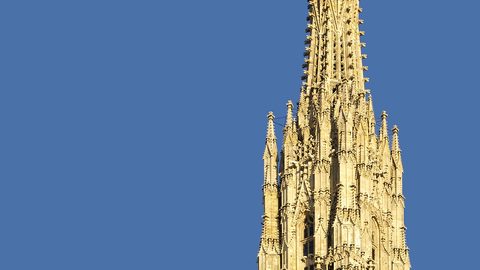 Vienna
 is an imperial capital that kept the museums after losing the empire. Here is what the city is actually like beyond the postcard images, and who it
Vienna
Vienna is an imperial capital that kept the museums after losing the empire. Here is what the city is actually like beyond the postcard images, and who it
-
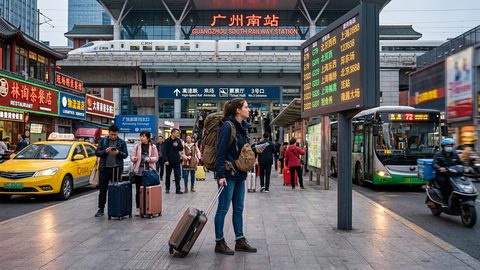 A Ground-Level Logistics Guide to Independent Travel in China
First-time independent travel in China: what you need to know about visas, rail booking, eSIMs, mobile payments, and power adapters.
A Ground-Level Logistics Guide to Independent Travel in China
First-time independent travel in China: what you need to know about visas, rail booking, eSIMs, mobile payments, and power adapters.
-
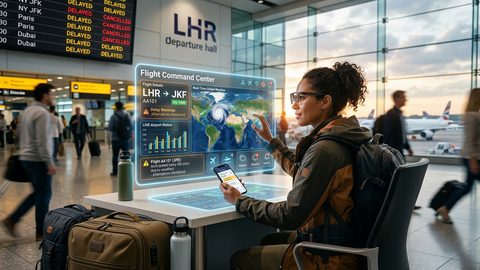 How Solo Travelers Stay Ahead of Flight Delays and Cancellations
How solo travelers can track inbound aircraft, claim rebooking rights, and adjust ground transport when flights go wrong — step by step.
How Solo Travelers Stay Ahead of Flight Delays and Cancellations
How solo travelers can track inbound aircraft, claim rebooking rights, and adjust ground transport when flights go wrong — step by step.