United States Public Holidays Travel Impact, the Days That Stop Everything
Federal holidays like Thanksgiving and July 4th spike travel prices and close government-run sites. Here are the dates that actually change your plans.
The Days the United States Closes and the Ones That Move
Know Which Days Wreck Your Trip
You need to know which days wreck your trip and which ones barely register. The impact of a United States public holiday is not equal. Thanksgiving week produces the year's worst domestic air travel crush. Independence Day packs parks to capacity. Labor Day weekend turns every highway into a parking lot. Memorial Day weekend kicks off summer crowds. The other seven holidays are mostly a day off for office workers. Not a problem for travellers.
The United States has 11 public holidays. On these days, government offices close, the New York Stock Exchange and NASDAQ shut (except on Veterans Day and Columbus Day), USPS stops mail delivery, and most retail banks lock their doors. But here is the distinction that matters for your itinerary: retail stores and restaurants stay open on every holiday except Thanksgiving Day and Christmas Day. You can still buy a meal, rent a car, and visit most private attractions. The disruption comes from crowds, traffic, and price spikes, not from closed businesses.
School calendars drive the real chaos. Winter break runs late December through early January. Spring break concentrates March through mid-April. Summer break stretches from late May through early September. Thanksgiving break runs Wednesday through Sunday of Thanksgiving week. These periods push domestic travel volume to its peak, raise lodging rates, and fill parks to capacity. A holiday that falls inside one of these windows multiplies the effect.

Federal Holidays USA Closures: What Actually Shuts Down
Government Sites Close, Private Attractions Do Not
When you see a list of holiday closures, read it carefully. Government buildings close: monuments, the Smithsonian museums in Washington DC, and offices that issue passports or permits. The National Mall stays open, but the buildings around it lock their doors. The Statue of Liberty ferry still runs, but crown tickets require advance booking anyway. The Independence Hall timed tickets still work, but the visitor centre may have reduced hours.
Private attractions make their own rules. Most theme parks, restaurants, and retail stores operate normally. The exceptions are Thanksgiving Day and Christmas Day, when many chains close entirely. If you fly on a holiday, expect the airport to function as usual: TSA checkpoints stay staffed, airlines run their schedules, and rental car desks stay open.
Banks close and the stock market stops trading, but that affects your planning only if you need to exchange currency at a bank counter. ATMs inside airports and shopping centres still dispense cash. The real closure risk is regional, not national. In Louisiana, Mardi Gras shuts state offices. In Massachusetts, Patriots' Day closes state buildings and disrupts Boston traffic for the marathon. In Washington DC, Emancipation Day on April 16 closes DC government offices. Check state and city calendars for your specific destination.
Thanksgiving Travel United States: the Worst Week to Fly
The Crush and How to Sidestep It
Thanksgiving travel is the single most congested domestic air travel period of the year. The crush starts the Wednesday before the holiday and extends through the following Sunday. Airfares spike 30 to 50 percent above normal. Airport security lines at major gateways like New York JFK, Los Angeles LAX, Chicago ORD, and Dallas DFW can exceed two hours even with TSA PreCheck.
Book flights for the Tuesday before or the Monday after. The Wednesday before and the Sunday after are the worst days. Drive instead if your route is short enough, but expect Interstate traffic to double normal times. Amtrak along the Northeast Corridor sells out weeks ahead on the Wednesday and Sunday windows.
What Stays Open, What Shuts
Parks stay open, but most operate with limited visitor centre hours. Retail and restaurants mostly shut on the day itself. Black Friday, the day after, is a retail event, not a travel disruption, though suburban malls draw local crowds that can clog roads around shopping centres.
Independence Day Crowds America: Where to Go and What to Skip
Parks Hit Capacity by Mid-Morning
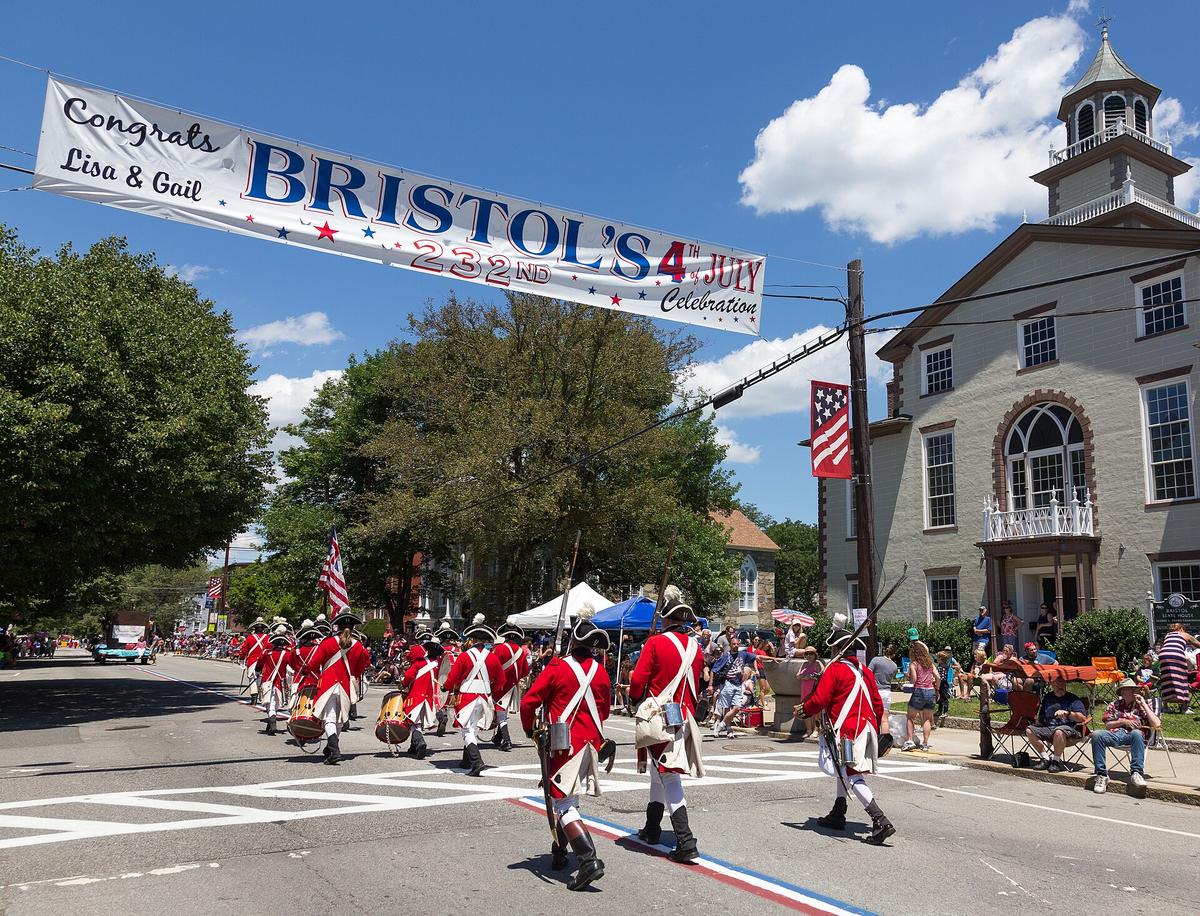
Independence Day packs parks to their most extreme crowding of the year. Grand Canyon South Rim, Yellowstone, Yosemite Valley, and Great Smoky Mountains reach capacity by mid-morning on July 4. Yosemite requires entry reservations during peak season, and on July 4 those reservations sell out weeks in advance. Grand Canyon South Rim lodging books 12 months ahead. If you do not have a room reservation by January, you will stay in Flagstaff, 1.5 hours away, or Tusayan, closer but expensive.
Cities Handle the Day Better
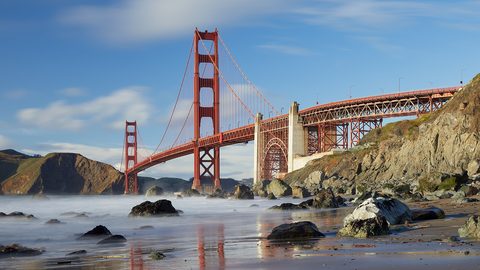
Washington DC draws massive crowds to the National Mall for fireworks, but the free Smithsonian museums stay open and public transit runs extra service. New York City's Macy's fireworks over the East River are visible from multiple points, not just crowded piers. San Francisco's Golden Gate Bridge offers clear views from Fort Point or the Marin Headlands, but fog often obscures the display.
The failure case: showing up to a park on July 4 without lodging or a reservation. You will be turned away at the entrance station. Your backup plan is a state park or forest outside the park boundaries, but those also fill. Skip the famous park entirely on that weekend. Visit the week after, when crowds drop sharply.
Labor Day Weekend Traffic USA: Summer’s Last Gasp on the Roads
Friday and Monday Are the Worst
Labor Day weekend is the end of summer, and everyone drives to enjoy it. The Friday before and Monday afternoon are the worst travel windows on the Interstate system. Cities with beaches within two hours see the heaviest congestion: Los Angeles to San Diego, New York to the Jersey Shore, Chicago to Lake Michigan beaches in Michigan and Indiana. Drive times can triple.
Parks remain busy but less crowded than July 4. Yellowstone and Grand Canyon see high visitation but not capacity closures. The real pressure is on coastal destinations. Waikiki Beach in Honolulu is shoulder-to-shoulder. North Shore Oahu is a 1-hour drive from Waikiki and less crowded, but traffic on the H3 freeway backs up.
Booking rule: if you do not have lodging reservations by June for a Labor Day weekend trip to any coastal or mountain destination, you will pay double the off-peak rate or find nothing available. Rental car inventory tightens two weeks ahead. Reserve a car by mid-August.
Memorial Day Weekend: Summer’s Start and the Crowds That Come with it
Summer Begins, and So Do the Capacity Days
Memorial Day weekend marks the start of summer break for schools and the beginning of peak season at parks. The last Monday in May triggers a three day weekend for most Americans, and the roads and airports fill accordingly. Yosemite, Great Smoky Mountains, and Zion Canyon see their first capacity days of the year. Zion's shuttle system runs at maximum load. Angel's Landing permit lottery winners still face packed trails.
The three day weekend pattern applies to every Monday holiday: Martin Luther King Jr. Day in January, Presidents' Day in February, Memorial Day in May, Labor Day in September, and Columbus Day or Indigenous Peoples' Day in October. These create a Friday to Sunday travel window that spikes demand for short trips to ski resorts, beach towns, and parks. Traffic on the Friday afternoon before each Monday holiday is heavier than a normal Friday.
Book in-park lodging 12 months ahead for a Memorial Day weekend visit. For Yellowstone and Yosemite, reserve in June of the prior year. Grand Canyon South Rim requires the same lead time. Without that reservation, you stay 90 to 120 minutes outside the park and queue for the entrance gate by 07:00.

.jpg)
How Public Holidays Affect Your Travel Plans: a Reference Table
The table below shows which holidays disrupt travel and which are just a day off for government employees. Use it to check whether your trip window overlaps with a problem.
| Holiday | Date Pattern | Travel Impact | What to Do |
|---|---|---|---|
| New Year's Day | January 1 (fixed) | Low. Most retail open. Winter break crowds already present. | Book flights and lodging by October for peak winter break rates. |
| Martin Luther King Jr. Day | Third Monday in January | Low. Ski resorts get a three day weekend bump. | Reserve ski lodging by November if you want slopeside access. |
| Presidents' Day | Third Monday in February | Moderate. Ski resorts busy. Three day weekend. | Same as MLK Day. Book ahead. |
| Memorial Day | Last Monday in May | High. Summer starts. Parks fill. Three day weekend. | Book in-park lodging 12 months ahead. Enter parks by 07:00. |
| Independence Day | July 4 (fixed) | High. Parks hit capacity. Coastal cities crowded. | Skip parks on July 4. Visit the week after. |
| Labor Day | First Monday in September | High. Summer ends. Coastal traffic jams. Three day weekend. | Reserve rental car by August. Avoid driving Friday afternoon. |
| Columbus Day / Indigenous Peoples' Day | Second Monday in October | Low to moderate. Fall foliage regions get a three day weekend crowd. | Book foliage lodging by August for popular routes like Vermont or Blue Ridge Parkway. |
| Veterans Day | November 11 (fixed) | Low. Government offices close. Retail open. | No special action needed. |
| Thanksgiving Day | Fourth Thursday in November | Very high. Worst air travel week of the year. Price spikes. | Fly Tuesday before or Monday after. Drive if your route is short enough. |
| Christmas Day | December 25 (fixed) | Moderate. Many retail closed. Air travel busy but less than Thanksgiving. | Book flights by October. Expect higher lodging rates December 20 through January 2. |
The One Thing That Most Often Goes Wrong
Travellers assume that a holiday means everything shuts down, so they relax. Then they arrive at a park on July 4 without a reservation, or they book a flight home on the Sunday after Thanksgiving and pay triple the normal fare. The failure is not the holiday itself. It is the assumption that all 11 holidays behave the same way. They do not. Thanksgiving and Independence Day are real problems. Presidents' Day is barely noticeable unless you are skiing. Plan around the four that matter and treat the other seven as a normal travel day with closed government offices.
Common Questions
Are shops and restaurants open on federal holidays in the USA?
Most retail stores and restaurants stay open on holidays, with two exceptions: Thanksgiving Day and Christmas Day, when many chains close. On other holidays, you can shop, eat, and rent a car normally.
Do national parks close on federal holidays?
Parks remain open, but visitor centres may have reduced hours. The real problem is crowds: Independence Day, Memorial Day weekend, and Labor Day weekend push parks to capacity, and some require entry reservations or sell out lodging months ahead.
Is public transport affected by federal holidays?
Public transit systems in major cities run on reduced schedules on most holidays, often a Sunday schedule. Amtrak runs normal long distance service but sells out on peak travel days like the Wednesday before Thanksgiving. Ride hailing services like Uber and Lyft operate normally.
What is the worst travel day of the year in the United States?
The Wednesday before Thanksgiving is the busiest domestic air travel day. The Sunday after Thanksgiving is the second busiest. For road traffic, the Friday before Labor Day and the Friday before Memorial Day see the heaviest Interstate congestion.
Do banks close on federal holidays?
Most retail banks and the Federal Reserve System close on all holidays. ATMs remain available. If you need to exchange currency, do it at an airport kiosk or a bank before the holiday.
Does the US stock market close on federal holidays?
The New York Stock Exchange and NASDAQ close on all holidays except Veterans Day and Columbus Day. They also close on Good Friday. This does not affect travel logistics but matters if you are managing investments while abroad.
What about regional holidays that are not federal?
State holidays like Mardi Gras in Louisiana, Patriots' Day in Massachusetts, and Juneteenth in various states close local government offices and some schools. Check the city or state government calendar for your destination, especially in Louisiana, Massachusetts, Washington DC, and California.
Read next
-
 Staying Connected While Traveling Through the United States
Prepaid eSIMs work well in US cities, but a physical T-Mobile or AT&T SIM bought at arrival gives better rural coverage for national parks and long highway drives.
Staying Connected While Traveling Through the United States
Prepaid eSIMs work well in US cities, but a physical T-Mobile or AT&T SIM bought at arrival gives better rural coverage for national parks and long highway drives.
-
 Best Time to Visit the United States by Region and Season
The United States spans so many climates that no single season works everywhere. Here is what each region delivers, and when to stay away.
Best Time to Visit the United States by Region and Season
The United States spans so many climates that no single season works everywhere. Here is what each region delivers, and when to stay away.
-
 Getting Around the United States Without Underestimating the Distances
Outside the Northeast Corridor, the United States runs on cars and domestic flights. Distances are enormous and Amtrak is scenic but slow.
Getting Around the United States Without Underestimating the Distances
Outside the Northeast Corridor, the United States runs on cars and domestic flights. Distances are enormous and Amtrak is scenic but slow.
-
 United States Visa Rules and the ESTA Process Explained Simply
Most visitors to the United States need either an ESTA authorization or a B-2 tourist visa. Here is who needs which and how the process runs.
United States Visa Rules and the ESTA Process Explained Simply
Most visitors to the United States need either an ESTA authorization or a B-2 tourist visa. Here is who needs which and how the process runs.
-
 Money in the United States, Cards, Cash, Tipping and That Extra Tax
The United States runs on cards, but sales tax is added at the register and tipping 18-22% is effectively mandatory. Here is how money actually works.
Money in the United States, Cards, Cash, Tipping and That Extra Tax
The United States runs on cards, but sales tax is added at the register and tipping 18-22% is effectively mandatory. Here is how money actually works.
-
 Reading United States Safety Advice Without Being Misled by It
Safety in the United States is hyperlocal, and the visible poverty in public spaces can jar first-timers. Here is how to read the advice without being misled.
Reading United States Safety Advice Without Being Misled by It
Safety in the United States is hyperlocal, and the visible poverty in public spaces can jar first-timers. Here is how to read the advice without being misled.
-
 Nevada
 is a state of extreme contrasts: the 24-hour artificial fantasy of the Las Vegas Strip gives way to vast, silent desert where services vanish and the
Nevada
Nevada is a state of extreme contrasts: the 24-hour artificial fantasy of the Las Vegas Strip gives way to vast, silent desert where services vanish and the
-
 Maryland
 is built around the Chesapeake Bay, where steamed crabs and slow ferries set the pace and the two shores are close on a map but far apart by road.
Maryland
Maryland is built around the Chesapeake Bay, where steamed crabs and slow ferries set the pace and the two shores are close on a map but far apart by road.
-
 California
Eight hundred miles of desert, alpine range, and temperate coast in one state. The season that suits one part rules out another.
California
Eight hundred miles of desert, alpine range, and temperate coast in one state. The season that suits one part rules out another.