Navigating the Spain Public Holidays Calendar and Regional Closures
Spain closes on national days, regional days, and the bridge days between them. What is fixed, what moves, and how a puente can upend your itinerary.
The Days Spain Shuts and the Ones That Move Each Year
Why the Prado Door Is Locked on a Tuesday
You land in Madrid on a Tuesday in October, walk to the Prado, and find the doors locked. Constitution Day. You did not check the public holidays calendar. That mistake costs you a day of Goya and Velázquez. Here is the fix. Spain runs on 14 public holidays per year. Eight are nationwide. Four are set by each of the 17 autonomous communities. Two are chosen by the municipality you are in. The dates that do not shift are few. The ones that do, Semana Santa, Epiphany substitution rules, the floating puente bridge days, determine whether you stand in line at the Alhambra or stare at a shut roller shutter.
What Shuts and What Stays Open
Closed Doors and Holiday Timetables
Banks, government offices, and most small businesses close on all public holidays. Large retail stores and shopping centres in tourist zones, especially on the Mediterranean coast and in central Madrid, stay open. Museums and monuments may close or run reduced hours. State museums close on 1 January, 1 May, and 25 December. Public transport runs a Sunday or holiday timetable. Fewer trains. Longer waits.
Daily Rhythms That Catch Visitors Out
Midday siesta closure, roughly 2pm to 5pm, still shuts many shops, pharmacies, and smaller museums outside major centres. Dinner service does not start before 8:30pm in most places. Arriving at 7pm looking for a meal in a proper restaurant kitchen fails. That is not a holiday problem. It is daily reality across Spain.
.jpg)
The Puente Holiday Spain Trick
How a Tuesday Holiday Creates a Four-Day Exodus
A puente, bridge, is what happens when a Tuesday or Thursday holiday creates a gift: take Monday or Friday off, and you get four straight days. Large numbers of Spanish workers do exactly that. The result is clogged roads, hotels at full occupancy, and restaurants that require booking a week in advance. The puente phenomenon peaks around Constitution Day (6 December) and Immaculate Conception (8 December), which land close enough together that the entire bridge week becomes a domestic travel surge.
Puentes also form around Labour Day (1 May), All Saints' Day (1 November), and any regional holiday that falls on a Thursday or Tuesday. If your trip overlaps, book accommodation early. Expect reduced service in smaller towns on the bridge day itself.
Spain Holiday Travel Disruption: What Breaks
Semana Santa and the August Shutdown
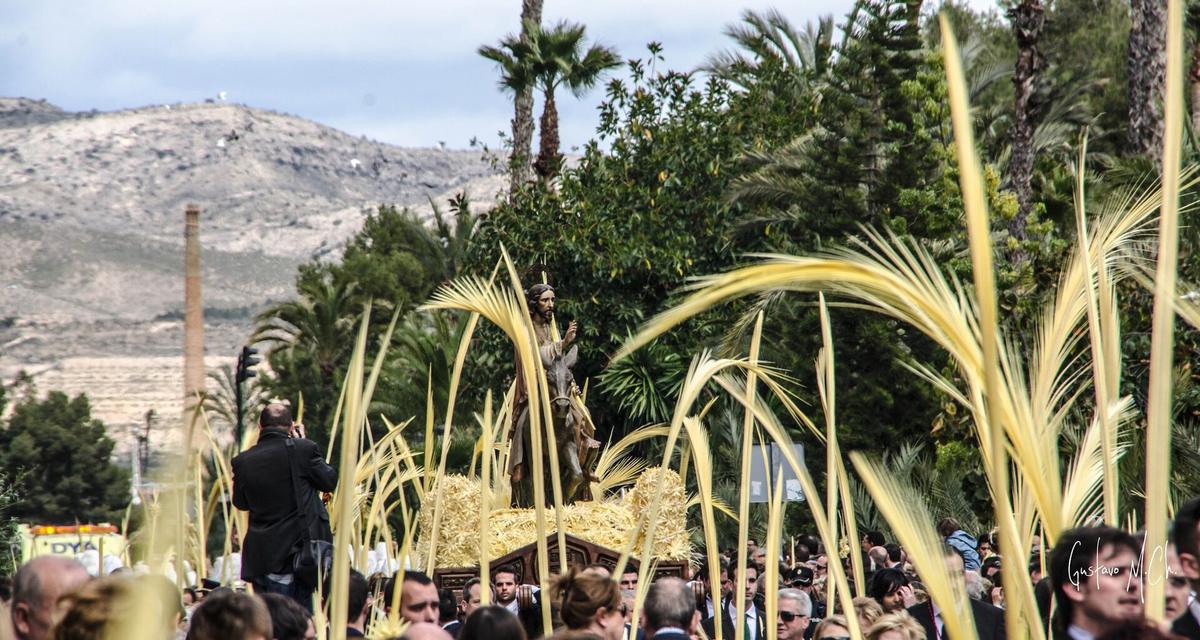
Semana Santa, the week before Easter Sunday, sees accommodation prices triple in Seville and Málaga. Movement in those cities becomes restricted by processions closing streets for hours. August is the worst month for independent closures: many shops and restaurants in Madrid and Barcelona shut for the entire month. Coastal towns fill with European school holiday crowds. Inland cities bake above 40°C.
If you are in a small town during a local festivo, the single pharmacy may be closed and the only open restaurant runs a limited menu. Plan around the dates you cannot change. Check regional holiday lists before booking flights.
| Date | Holiday | What Closes |
|---|---|---|
| 1 January | Año Nuevo (New Year's Day) | Almost everything. Museums and state sites closed. |
| 6 December | Día de la Constitución Española (Constitution Day) | Banks, government offices, many shops. |
| 8 December | Inmaculada Concepción (Immaculate Conception) | Same as Constitution Day. Often forms a puente. |
| 25 December | Navidad (Christmas Day) | Nearly everything. Public transport runs holiday timetable. |
Spanish Regional Holidays List: the Ones Tourists Hit
Crossing a Regional Border on a Holiday
Every autonomous community chooses 2 to 4 additional holidays each year. The regional list matters most when your itinerary crosses borders inside Spain. You can leave Madrid on a nationwide holiday and find Barcelona running a normal work day because Catalonia observes its own calendar. Or you can land in Seville on 28 February, Día de Andalucía, and find everything shut.
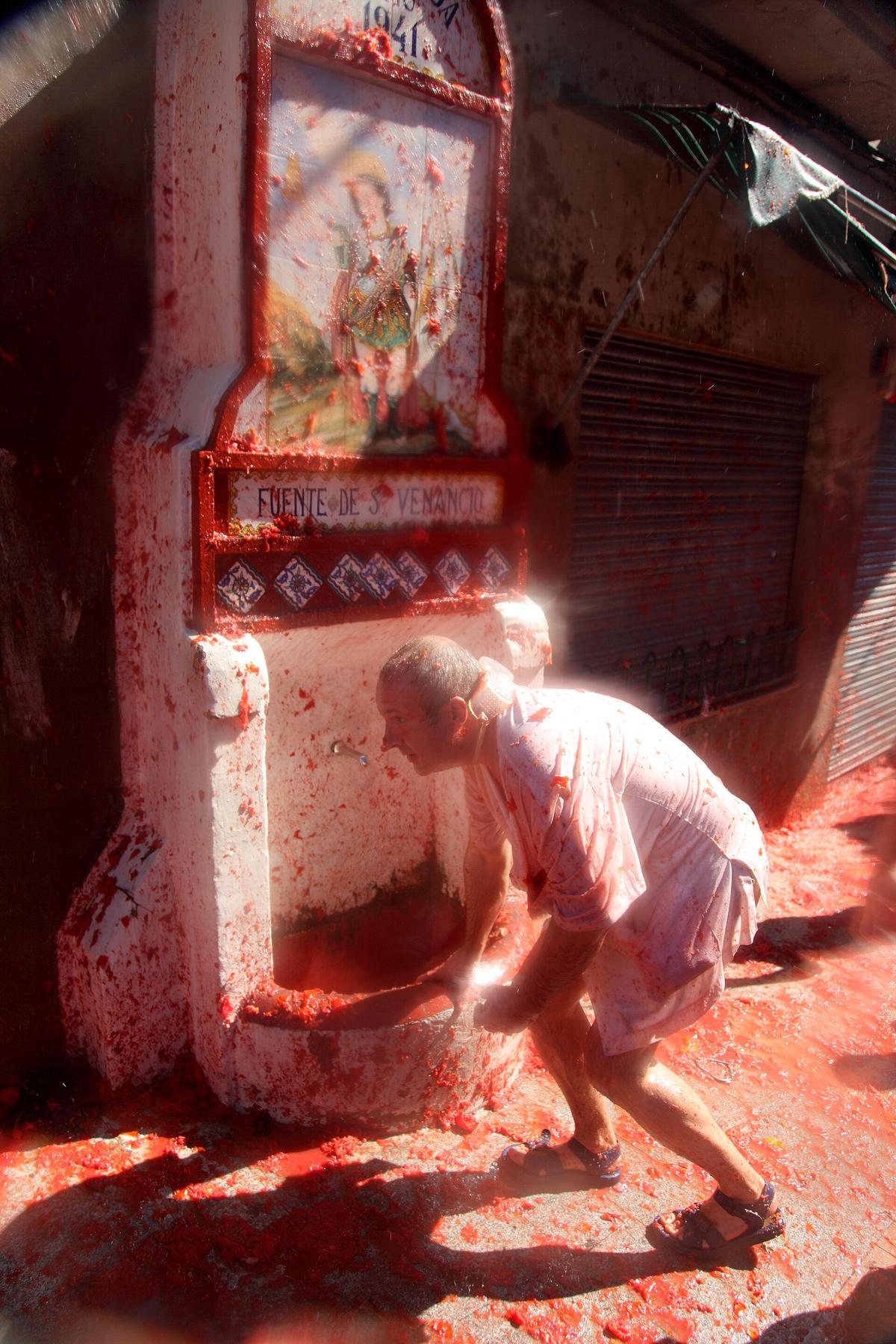
Major regional dates that affect tourists include: San José (19 March) in some regions but not others; San Juan (24 June) in Catalonia and Galicia, which involves midnight beach fires and very late nights; and Día de Andalucía (28 February), which closes most of Seville, Granada, and Córdoba. The Basque Country and Navarre have their own patterns. Check the community's official holiday list the month before you travel. Municipal holidays add two more per town, for local patron saints or the town's main festival.
_-_Spain,_Bu%C3%B1ol_01.jpg)
Spain National Holidays Closures: What to Expect
The Fixed Shutdowns and the Late-Autumn Cluster
The closure list is shorter than most travellers expect. The fixed days, 1 January, 6 December, 8 December, and 25 December, are universal shutdowns. Labour Day (1 May) is nationwide but many regions substitute it for a local holiday if they prefer. National Day (12 October) commemorates Columbus's 1492 arrival in the Americas and closes government offices and schools, though tourist shops in central Madrid and Barcelona stay open. All Saints' Day (1 November) is a nationwide holiday that many use as a puente with Constitution Day and Immaculate Conception, giving a run of closures from early December through 8 December that can shut down whole weeks of regular life.
Moveable Feasts: Semana Santa and the Lunar Dates
Why Easter Sunday Reshapes the Calendar
Easter Sunday changes each year. Good Friday (Viernes Santo) is a nationwide holiday and is the Friday before that Sunday. Semana Santa, Holy Week, runs from the previous Sunday to Easter Sunday. In Seville and Málaga, this is the most intense period of the year: processions fill the streets, accommodation prices triple, movement is restricted. If you are not there for the processions, avoid those cities during Semana Santa entirely.
Epiphany (6 January) is a fixed date, but if it falls on a weekend, some regions shift the observed holiday to the Monday. The Assumption of Mary (15 August) is a fixed religious observance that closes churches and some state museums. These moveable feasts mean any public holidays calendar printed for a specific year is only valid for that year. Check the current year's calendar from Spain's Ministry of Labour or the official tourism board for each region before you book.
One Thing Most Travellers Get Wrong
The most common failure is not checking the regional holiday calendar for the specific town, not just the national list. You buy a ticket to Ronda, arrive on a Tuesday, and find the Caminito del Rey closed for a local festivo you never heard of. Check the municipality's holiday list after you book accommodation. The mayor's office posts the two local holidays each year. That page, not the national calendar, is the one that saves you a day of staring at a closed cliffside walkway.
Common Questions
What is a puente holiday in Spain?
A puente (bridge) is when a holiday falls on a Tuesday or Thursday, and workers take the adjacent Monday or Friday off to create a four-day weekend. It causes heavy domestic travel, high hotel occupancy, and reduced services.
How many public holidays does Spain have per year?
14: 8 nationwide, 4 regional, and 2 local. Substitution rules mean the effective number varies by location and year.
Do shops close on all public holidays in Spain?
Not all. Banks and government offices close. Large retail stores in tourist zones stay open. Independent shops and small businesses close.
Which public holidays shut down museums in Spain?
State-run museums close on 1 January, 1 May, and 25 December. Regional and private museums set their own schedules and may close on additional dates.
What is the worst time for travel disruption from holidays?
Semana Santa (March or April), the entire month of August, and the Christmas-to-Epiphany period (22 December to 6 January). These periods have maximum crowds and minimum availability.
Are regional holidays the same across all of Spain?
No. Each of the 17 autonomous communities and 2 autonomous cities sets its own 2 to 4 additional holidays. A holiday in Andalusia may be a normal workday in Catalonia.
How do I find the exact dates for moveable holidays?
Check the current year's official calendar published by Spain's Ministry of Labour or the regional tourism board. Easter and Epiphany dates change annually.
Read next
-
 Staying Connected in Spain With eSIM, a Local SIM, or Just WiFi
Weighing an eSIM against a Spanish shop-bought SIM against free WiFi, with the passport-registration rule that makes airport SIM queues a grind.
Staying Connected in Spain With eSIM, a Local SIM, or Just WiFi
Weighing an eSIM against a Spanish shop-bought SIM against free WiFi, with the passport-registration rule that makes airport SIM queues a grind.
-
 Best Time to Visit Spain by Region and Season Reality
Spain has no single best month. Andalusia bakes in August while the north is mild, and the shoulder seasons deliver the sweet spot for most regions.
Best Time to Visit Spain by Region and Season Reality
Spain has no single best month. Andalusia bakes in August while the north is mild, and the shoulder seasons deliver the sweet spot for most regions.
-
 Getting Around Spain Without Believing the Distance Map
Spain's high-speed trains shrink the map, but the gaps between lines and Renfe's payment quirks can derail a tight itinerary.
Getting Around Spain Without Believing the Distance Map
Spain's high-speed trains shrink the map, but the gaps between lines and Renfe's payment quirks can derail a tight itinerary.
-
 Spain Visa Requirements and the Schengen Short-Stay Rules
Whether you need a visa for Spain depends on your passport and how long you plan to stay. The Schengen 90-day clock trips up even experienced travellers.
Spain Visa Requirements and the Schengen Short-Stay Rules
Whether you need a visa for Spain depends on your passport and how long you plan to stay. The Schengen 90-day clock trips up even experienced travellers.
-
 Cash or Card in Spain and Where the Euro Still Demands Coins
Spain takes contactless almost everywhere, until it does not. Small bars, market stalls, and rural buses still run on coins. Here is what to carry and when.
Cash or Card in Spain and Where the Euro Still Demands Coins
Spain takes contactless almost everywhere, until it does not. Small bars, market stalls, and rural buses still run on coins. Here is what to carry and when.
-
 Spain Safety Advice Without the Overblown Warnings
Spain is safe by any measure of violent crime, but pickpocketing in Barcelona's metro and Madrid's tourist hubs is a professional operation. What to watch for.
Spain Safety Advice Without the Overblown Warnings
Spain is safe by any measure of violent crime, but pickpocketing in Barcelona's metro and Madrid's tourist hubs is a professional operation. What to watch for.
-
 A Ground-Level Logistics Guide to Independent Travel in China
First-time independent travel in China: what you need to know about visas, rail booking, eSIMs, mobile payments, and power adapters.
A Ground-Level Logistics Guide to Independent Travel in China
First-time independent travel in China: what you need to know about visas, rail booking, eSIMs, mobile payments, and power adapters.
-
 How Solo Travelers Stay Ahead of Flight Delays and Cancellations
How solo travelers can track inbound aircraft, claim rebooking rights, and adjust ground transport when flights go wrong — step by step.
How Solo Travelers Stay Ahead of Flight Delays and Cancellations
How solo travelers can track inbound aircraft, claim rebooking rights, and adjust ground transport when flights go wrong — step by step.
-
 Why Your eSIM Might Not Work Abroad and How to Check Before You Go
Buying an eSIM doesn't guarantee signal abroad. Learn why coverage fails by location and how to verify reach before you commit to a plan.
Why Your eSIM Might Not Work Abroad and How to Check Before You Go
Buying an eSIM doesn't guarantee signal abroad. Learn why coverage fails by location and how to verify reach before you commit to a plan.