When to Go to Slovenia and What Each Season Does
Slovenia's seasons change what is open, how crowded the lakes and coast feel, and whether mountain passes and huts are accessible at all.
At 08:30 in mid-July the car park at Lake Bled is already full. A line of rental cars edges the access road while families with foam mats fan out along the shoreline. This is the moment the best time to visit Slovenia question stops being abstract and becomes a decision about what kind of trip you want. July and August deliver warm lake swimming, open high passes and full hut schedules, but they also pack Bled, the capital and the coast to maximum density with peak accommodation prices. The rest of the year trades that certainty for lower crowds, partial access and a series of seasonal windows that reward the traveller who times them right.
Slovenia is compact but not quick. Its 46.6 kilometres of Adriatic coast, the Julian Alps rising from the Karst plateau, the thermal spas of the Pannonian east and the wine terraces of Štajerska each run on a different calendar. Mountain huts open late June and close by late September. Vršič Pass, the high route from the Soča Valley into Gorenjska, stays closed from roughly November through April. The Adriatic sea temperature hits about 25°C in late summer but lags air temperature in May and September. The question is not which month is best in the abstract; it is which season fits the parts of the country you actually plan to see.
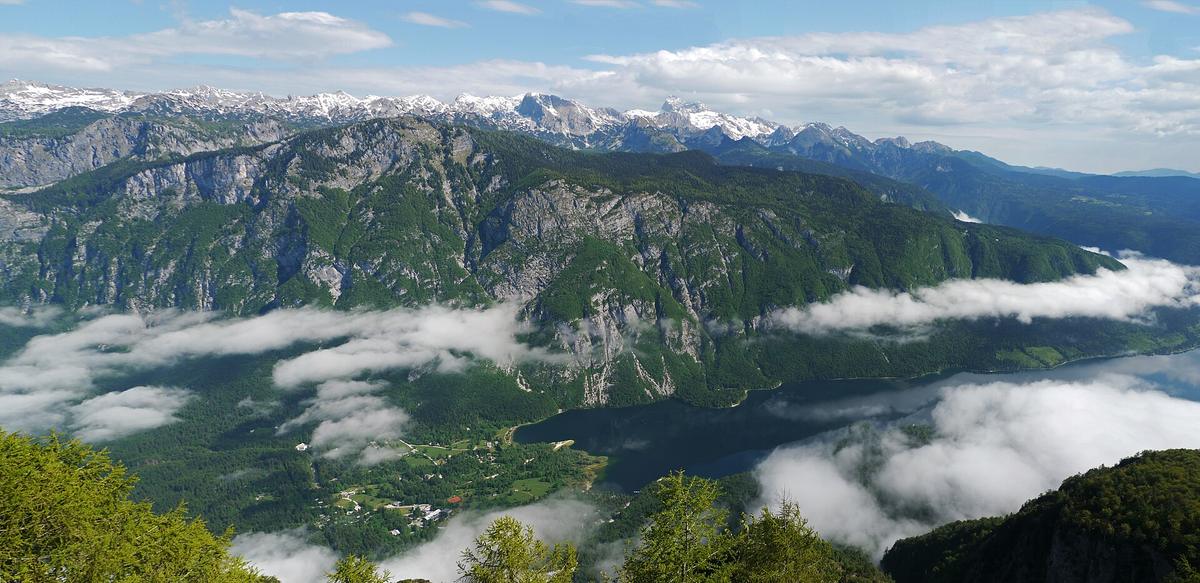
Summer Crowds in Slovenia: July and August at Lake Bled, Ljubljana and the Coast
Summer is the only window when the entire country is accessible. High trails in Triglav National Park are reliably snow free from late June through September. The Soča River runs at raftable levels. Lake Bohinj warms enough for swimming. But the cost of that convenience is density. Lake Bled's lakeside path moves at pedestrian pace by mid-morning. The capital's river cafés and castle funicular have queues by 11:00. Piran's car-free centre, already small, compresses under day-trippers and cruise excursions.
Book The Caves Before You Arrive
The 15 August public holiday draws the heaviest domestic crowds to the coast and lakes. Book Postojna Cave and Škocjan Caves in advance during these months; the cave interior holds a constant 10-12°C regardless of outside temperature, but the ticket line does not. Parking at Bled, Piran and central Ljubljana is scarce and paid. A rental car remains the dominant practical mode for seeing the country as a whole, but the main thing that trips visitors up is assuming Google Maps times apply to narrow alpine and rural roads on summer weekends. Budget an extra 30 to 45 minutes per segment.
Skip The Peak Or Accept The Density
If you want maximum conditions and accept the crowds, July and August work. If you want to swim and hike but skip the density, come in late June or early September instead. The water will be cooler but the trailheads will be quieter and the car park at Bled will have space.
Autumn Wine Harvest Travel in Slovenia: September to October in Štajerska and the Karst
Autumn belongs to the wine country. The harvest runs September to October, varying by grape variety and vintage conditions each year. The three wine-growing areas Podravje, Posavje and Primorska each open cellars and schedule festivals during this window. Štajerska, anchored by Maribor and Ptuj, hosts the most concentrated harvest events. The Karst pairs its teran wine with pršut air-dried ham in stone villages where the bora wind dries the meat.
Book Cellar Visits In Advance
The trade in the wine areas is that accommodation fills earlier. The shoulder period in the alpine region meanwhile brings fewer crowds and lower accommodation pressure, but reduced public transport frequency and some mountain passes still closed. If your trip combines wine and hiking, aim for late September. The Julian Alps huts remain open through late September in most years. The fog that settles over the Ljubljana Basin in late autumn has not yet arrived. The Adriatic sea temperature has cooled but the Karst and coast still hold warm afternoons into early October.
Book wine cellar visits in advance. Many rural restaurants close between lunch and dinner, and some cellars and farm stays require advance booking rather than drop-in visits. English is common in tourism but less so in rural shops and petrol stations; carry the address and a phone number for your reservation.
Winter Mountain Closures in Slovenia: What Shuts and What Stays Open
Winter in the Slovenian Alps runs December to March for ski season, but the word of warning is about access, not snow. High passes such as Vršič and Mangart Saddle close structurally from November through April or May, depending on snow conditions. The mountain huts that serve summer hikers are shut. Some seasonal lodgings and lifts close in late October and early November; this is the avoid window in the mountains. Ski resorts aim to open by early December and close by late March or early April, snow permitting. Pohorje and higher Julian Alps resorts have more reliable natural snow than lower hills near urban areas. Snow cover is not guaranteed at low elevations; ski areas rely on a mix of natural snow and snowmaking.
Road Rules And The November Gap
Winter road equipment is mandatory on vehicles between 15 November and 15 March. The Karst and coast remain milder under a Mediterranean regime with quiet coastal towns, reduced ferry frequency and many seasonal accommodations closed. Ljubljana runs year-round urban tourism with peaks in December for the Christmas markets. Thermal spas in the Pannonian east operate year-round, with indoor-outdoor pools used in all seasons. If you want hiking terrain, wait until late June. If you want skiing, book a resort with snowmaking and avoid the November gap when lifts are not running and huts are closed.
Spring Wildflowers and Hiking in Slovenia: May and June in the Julian Alps and Karst
Spring in Slovenia is a story of altitude. Settlements above roughly 1,000 metres follow an alpine calendar; valleys and the coast follow lower elevation calendars. In May the lowland trails around Ljubljana, the Krka River in Dolenjska, and the Karst plateau show wildflowers and mild temperatures. The Julian Alps still carry snow on north faces and high passes. The Triglav climbing season runs July to September; north face snow and ice persist into early summer.
Start Hikes Early And Watch The Sky
May offers warm air on the coast but cooler water, as sea temperatures lag air temperatures. June brings the first reliable window for the high mountains. Hiking huts open from late June. The Soča Valley runs with higher river levels from spring snowmelt, which peaks rafting and kayaking season from March to October but makes trails near gorges slippery. The Vršič Pass clears after spring snow clearing, exact dates varying by snow conditions. Velika Planina, the high pasture settlement of shepherds' huts, becomes accessible for day hikes.
The friction in spring is the weather transition. Alpine and pre-alpine areas see afternoon thunderstorms most frequently from June through August. Mountain weather can close trails or make driving slow. Start hikes early, carry a rain layer, and check the afternoon forecast. The reward is Bled and Bohinj without the July density.
| Season | Julian Alps | Karst And Coast | Pannonian East | Ljubljana |
|---|---|---|---|---|
| Spring (Apr–Jun) | Huts closed until late Jun; passes snowbound into May; lower trails clear by May | Warm air, cool sea; coastal towns quiet; bora winds ease by May | Spas operate year-round; cycling season starts in lowlands from March | Mild and less crowded; Easter Monday and 1–2 May bring heavy domestic day traffic |
| Summer (Jul–Aug) | Peak hiking; huts open; reliable snow free high trails; afternoon thunderstorms | Peak heat and coastal density; sea temp ~25°C; book caves in advance | Hot summers; thermal baths less popular but open | Peak urban tourism; river cafés full; December markets also peak but summer is main tourist season |
| Autumn (Sep–Nov) | Huts close late Sep; passes close Nov; reduced lift operation; trails quieter but weather transitions | Warm Sept early Oct, then cooling; harvest events in Sep–Oct; coastal accommodations seasonal | Wine harvest and events peak Sep–Oct; spa tourism continues | Mild; fog settles in Ljubljana Basin in late autumn; Christmas markets start late Nov |
| Winter (Dec–Mar) | Ski season Dec–Mar at higher resorts; Vršič closed; huts shut; snow variable at low elevations | Mild winters; quiet towns; many seasonal accommodations closed; reduced ferry frequency | Cold winters; thermal spas main draw; indoor-outdoor pools in use | Christmas markets Dec; urban tourism continues; fewer crowds than summer |
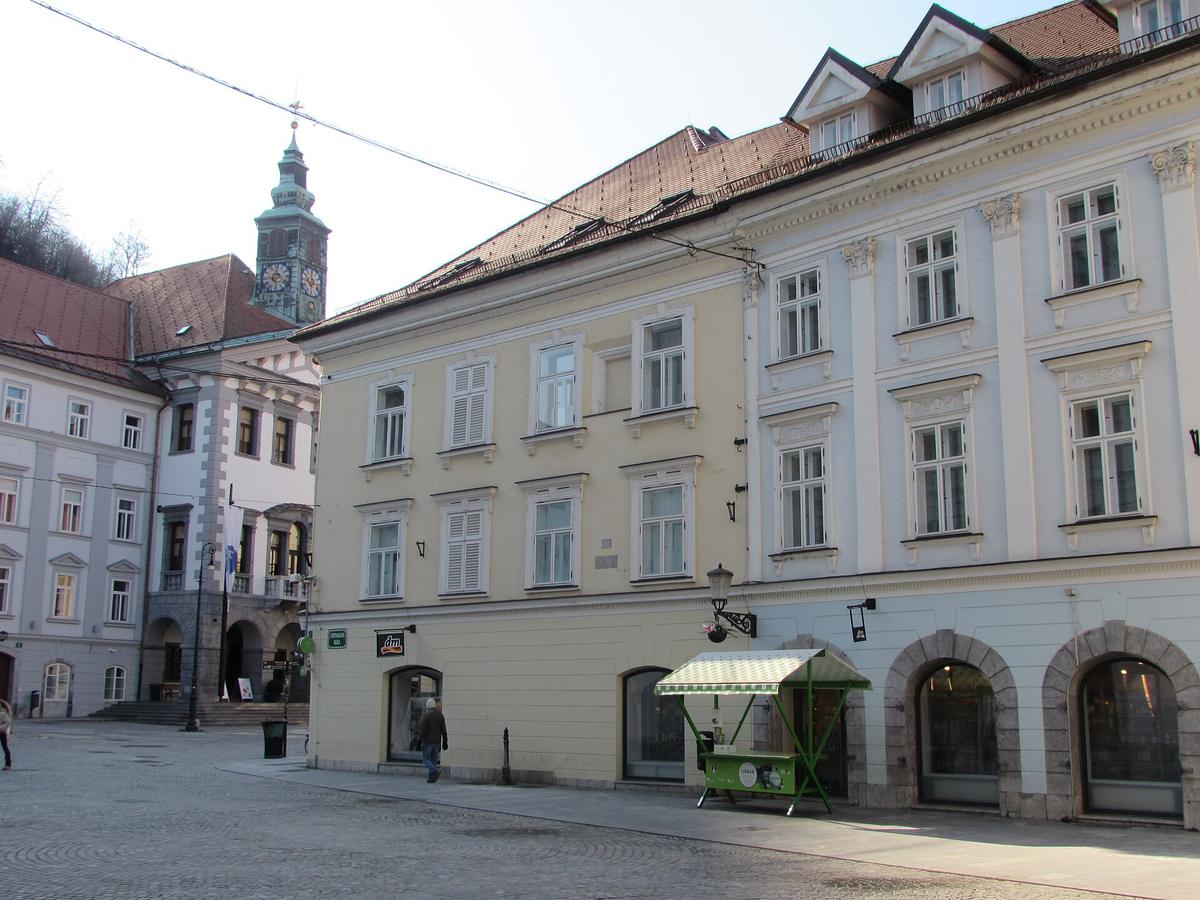


Best Time to Visit Slovenia for Shoulder Season Balance
Late May through mid-June and September through early October hit the balance that most travellers want. The alpine region offers fewer crowds and lower accommodation pressure, but reduced public transport frequency and some passes still closed. The coast has warm air but cooler water. The wine areas have harvest events but require advance booking as accommodation fills earlier. The country is not at peak density anywhere, and the daylight range runs from about 15 hours 50 minutes in June to about 8 hours 40 minutes in December, so shoulder months still give you long enough days.
Plan A Loop, Not A Hub
The common mistake is trying to see the whole country in three or four days while basing only in Ljubljana, then losing hours to out-and-back driving on slow roads. The minimum for Ljubljana plus two contrasting areas is seven days. Ten to fourteen is more realistic for the Julian Alps, coast and east. The road network relies on a single motorway spine crossing the country southwest to northeast, with spurs toward Austria and Italy. Vršič Pass as a connector between the Soča Valley and Gorenjska is only an option in summer. Plan your route as a loop, not a hub and spoke.
Late October to Early November: the Closure Window Many Travellers Miss
The worst week to visit Slovenia is the last week of October and the first week of November. Mountain seasonal lodgings close. Lifts stop running. The summer bus shuttles to trailheads end. The ski season has not started. The weather in the Ljubljana Basin produces persistent temperature inversions and fog. The coastal towns thinned out weeks ago. Many rural restaurants close between lunch and dinner, or close entirely for the season. This is the only time of year when large parts of the country are neither accessible as a summer destination nor running as a winter one.
Where To Base Yourself Instead
If you travel during this window, stay in the thermal spa corridor of the Pannonian east or base yourself in Ljubljana for day trips to Postojna Cave, Škocjan Caves and Predjama Castle, all of which maintain regular hours. The Karst caves hold 10-12°C year-round. The spa towns of Prekmurje and Štajerska operate their thermal pools regardless of season. But the mountains are a dead zone for the casual traveller.
What Slovenia Suits and Who Should Skip it
Slovenia suits road trippers who want alpine, karst and coastal scenery in one short trip. It suits hikers and lake swimmers, food and wine travellers focused on small producers, families wanting safe outdoor activity, and slow travellers who prefer villages and nature over big city tourism. The country is compact but not a checkbox destination: the best experiences are spread across alpine valleys, karst caves, a short Adriatic coast and a small capital. Visitors who underestimate how much time is lost moving between areas on slow roads will have the trip they deserve, not the one they planned.
Slovenia is not for big city buzz seekers, nightlife focused travellers, those wanting tropical beach resorts or guaranteed hot summer weather, or travellers who prefer fast intercity rail and metro systems over car based touring. Ljubljana is a capital of about 295 metres elevation; it does not pretend to be Vienna or Paris. The coast is 46.6 kilometres, not the Croatian Riviera. The mountain huts have no Wi-Fi and limited charging. The main thing that goes wrong is ambition: too many regions in too few days, a rented car that never leaves the motorway, and a photo of Bled taken from the same spot as every other Instagram post.
Common Questions
What is the best month to visit Slovenia for hiking?
July and August are the only reliably snow-free months for high passes and high trails in the Julian Alps. September offers quieter trails but huts close by late September. If you want wildflowers without snow, aim for late June, but expect some high routes still blocked.
Is Lake Bled worth visiting in winter?
Winter offers reduced services and frozen-lake conditions are not reliable. The lake does not freeze consistently at its elevation of 295 metres. The castle and cream cake are available, but the lakeside restaurants reduce hours and the tourist boats stop running in poor weather.
When are the wine harvest festivals in Slovenia?
Harvest runs September to October, varying by grape variety and vintage conditions each year. Open-cellar days and wine festivals cluster in autumn, mainly September and October. The three wine-growing areas Podravje, Posavje and Primorska each schedule events on different weekends.
Do I need a car to visit Slovenia?
A rental car is the dominant practical mode for seeing the country as a whole. Public transport works between Ljubljana and larger towns, but many trailheads, wine villages and karst sights have infrequent or no bus service. Without a car, base yourself in Ljubljana and take organised day trips to Bled, Postojna and Piran.
What is the lowest point and highest point in Slovenia?
The lowest point is the Adriatic Sea coast at 0 metres. The highest peak is Triglav at 2,864 metres. Slovenia spans roughly 45.4°N to 46.9°N latitude, producing modest but real daylight-length differences between the coast and the northeast, especially noticeable in December when the shortest day is about 8 hours 40 minutes.
Read next
-
 Staying Connected in Slovenia Without the Roaming Panic
A practical comparison of eSIM, local SIM, and roaming for Slovenia, with notes on where coverage drops in the Julian Alps.
Staying Connected in Slovenia Without the Roaming Panic
A practical comparison of eSIM, local SIM, and roaming for Slovenia, with notes on where coverage drops in the Julian Alps.
-
 Getting Around Slovenia by Car, Bus and the Gaps in Between
A rental car is the most practical way to see Slovenia, but rural roads, seasonal passes and limited public transport to trailheads change the map.
Getting Around Slovenia by Car, Bus and the Gaps in Between
A rental car is the most practical way to see Slovenia, but rural roads, seasonal passes and limited public transport to trailheads change the map.
-
 Slovenia Visa Requirements for Schengen and Non-Schengen Visitors
Slovenia is in the Schengen Area, so entry rules depend on your nationality and whether you are crossing from another Schengen country.
Slovenia Visa Requirements for Schengen and Non-Schengen Visitors
Slovenia is in the Schengen Area, so entry rules depend on your nationality and whether you are crossing from another Schengen country.
-
 Using Euros, Cards and Cash in Slovenia Without Friction
Slovenia uses the euro, and while cards work in cities and tourist hubs, rural guesthouses, mountain huts and small producers often prefer cash.
Using Euros, Cards and Cash in Slovenia Without Friction
Slovenia uses the euro, and while cards work in cities and tourist hubs, rural guesthouses, mountain huts and small producers often prefer cash.
-
 Slovenia Safety Advice Without the Overblown Warnings
Slovenia is a low-crime country, but mountain weather, steep trails, ticks and narrow alpine roads are the real risks to plan for.
Slovenia Safety Advice Without the Overblown Warnings
Slovenia is a low-crime country, but mountain weather, steep trails, ticks and narrow alpine roads are the real risks to plan for.
-
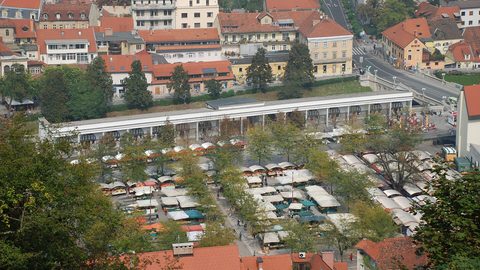 How Much Does Slovenia Cost in Real Terms
A realistic look at what Slovenia costs, from Ljubljana city breaks to alpine road trips, and where the money actually goes.
How Much Does Slovenia Cost in Real Terms
A realistic look at what Slovenia costs, from Ljubljana city breaks to alpine road trips, and where the money actually goes.
-
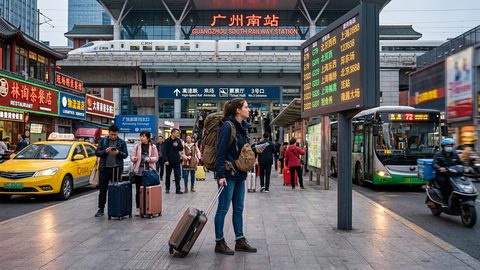 A Ground-Level Logistics Guide to Independent Travel in China
First-time independent travel in China: what you need to know about visas, rail booking, eSIMs, mobile payments, and power adapters.
A Ground-Level Logistics Guide to Independent Travel in China
First-time independent travel in China: what you need to know about visas, rail booking, eSIMs, mobile payments, and power adapters.
-
 How Solo Travelers Stay Ahead of Flight Delays and Cancellations
How solo travelers can track inbound aircraft, claim rebooking rights, and adjust ground transport when flights go wrong — step by step.
How Solo Travelers Stay Ahead of Flight Delays and Cancellations
How solo travelers can track inbound aircraft, claim rebooking rights, and adjust ground transport when flights go wrong — step by step.
-
 Why Your eSIM Might Not Work Abroad and How to Check Before You Go
Buying an eSIM doesn't guarantee signal abroad. Learn why coverage fails by location and how to verify reach before you commit to a plan.
Why Your eSIM Might Not Work Abroad and How to Check Before You Go
Buying an eSIM doesn't guarantee signal abroad. Learn why coverage fails by location and how to verify reach before you commit to a plan.