Who Needs a Visa to Enter Slovenia
Slovenia is in the Schengen Area, so entry rules depend on your nationality and whether you are crossing from another Schengen country.
Who Needs a Visa to Enter Slovenia
Slovenia is a full Schengen Area member, which means its entry rules are the Schengen rules. The single most useful fact: if you can travel to France, Germany or Italy without a visa, you can travel to Slovenia without a visa for the same 90-day period. If you need a visa for those countries, you need a visa for Slovenia. Slovenia shares open internal borders with Austria, Italy, Hungary and Croatia, so most visitors enter through another Schengen state without passing a formal border post. Your entry is recorded at the first Schengen airport you land in, not at the Slovenian roadside. Understanding the Slovenia visa requirements means understanding where you fit in the Schengen framework, because there is no separate Slovenian system for short tourism stays.
Slovenia Schengen Entry Rules
Slovenia joined Schengen in 2007. The Schengen Area allows free movement across 27 European countries without internal border checks. For travellers, this means a single set of entry rules applies to all member states. A border officer at Ljubljana Airport applies the same checks as a German officer at Frankfurt or an Italian officer at Venice Marco Polo.
The core rule: non-EU visitors can stay in the Schengen Area for a maximum of 90 days within any rolling 180-day period. This is not a per-country allowance. It is cumulative. A week in Paris, two weeks on the Slovenian coast and a weekend in Budapest all count toward the same 90-day total. If you have already spent 60 days elsewhere in Schengen before arriving in Slovenia, you have 30 days left, not a fresh 90.
Passport validity matters. For visa-free third-country nationals, your travel document must be valid for at least three months beyond your intended departure from the Schengen Area and must have been issued within the previous 10 years on the date of entry. EU, EEA and Swiss nationals can use a national ID card or a passport valid for the duration of stay. These are the Slovenia Schengen entry rules in practice, and border officers do check both dates.
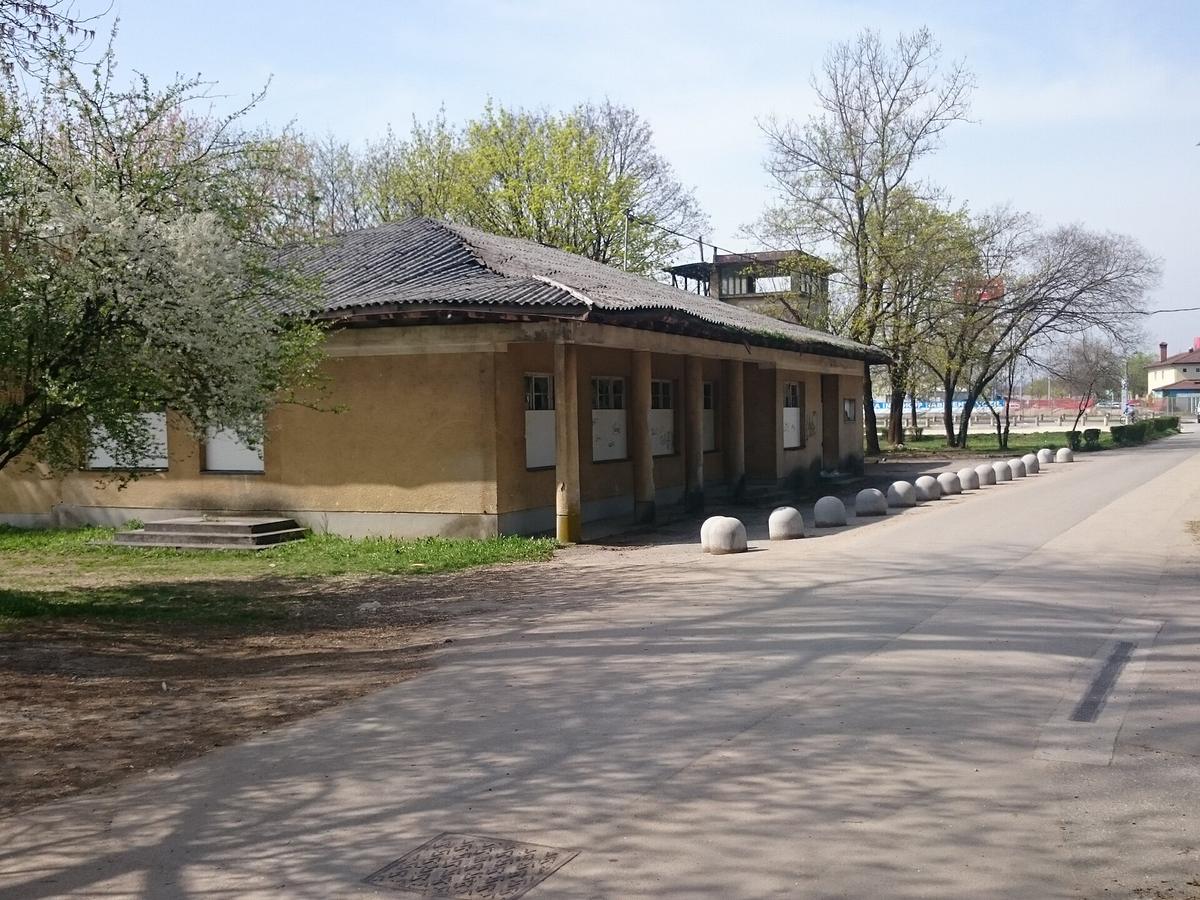

Slovenia Visa for Non-EU Citizens
Whether you need a visa depends on your passport, not your country of residence. The list of visa-exempt nationalities is the standard Schengen list. Holders of passports from the United States, Canada, Australia, New Zealand, Japan, South Korea and the United Kingdom do not need a visa for short tourism stays up to 90 days. The same applies to many other non-EU countries on the Schengen visa-free list. A full list is published by the European Commission; the Slovenian Ministry of Foreign and European Affairs mirrors it.
For everyone else, a short-stay Schengen visa is required. Slovenia does not operate a visa-on-arrival scheme for tourism and does not issue a standalone e-visa. The application goes through a Slovenian embassy or consulate, or through an external visa application centre in your home country. Apply at the embassy of the country where you will spend the most time. If Slovenia is your main destination, apply at the Slovenian embassy. If your trip spans multiple Schengen states with equal days, apply at the embassy of the country of first entry. This is the core of Slovenia visa for non-EU citizens planning.
Documents Required
The standard Schengen visa application requires: a completed application form, two recent passport photos, a passport valid for at least three months beyond your planned departure and issued within the past 10 years, round-trip flight reservations, proof of accommodation (hotel bookings or a letter of invitation), travel medical insurance covering at least €30,000 for the entire Schengen stay, proof of sufficient funds (bank statements from the past three months) and proof of onward travel. The Slovenian embassy may also request a cover letter explaining your itinerary.
Processing Times and Fees
Processing takes 15 calendar days from the date the embassy receives a complete application, though this can extend to 45 days if additional documentation is requested. Apply at least four to six weeks before travel, especially during peak season from May to September. The standard Schengen visa fee is €90 for adults and €45 for children aged 6 to 12. Children under 6 pay no fee. Visa applications for Slovenia are handled through VFS Global and TLScontact in most countries. You must attend a biometric appointment in person every five years.
| Nationality | Visa Required | Maximum Stay |
|---|---|---|
| EU / EEA / Swiss | No | Unlimited (right of free movement) |
| UK | No | 90 days per 180-day period |
| USA | No | 90 days per 180-day period |
| Canada | No | 90 days per 180-day period |
| Australia | No | 90 days per 180-day period |
| New Zealand | No | 90 days per 180-day period |
| Japan | No | 90 days per 180-day period |
| South Korea | No | 90 days per 180-day period |
| All other non-EU countries | Yes (Schengen visa) | 90 days per 180-day period |
Slovenia Border Crossing Documents
At Slovenia's external borders, Ljubljana Jože Pučnik Airport and the land crossings with Croatia, systematic checks apply. A border officer will scan your passport against Schengen databases, verify your travel purpose and check that you have onward tickets, accommodation and sufficient funds. These checks are not theoretical. Budget for extra time at the Croatian land border in July and August, when queues build.
The documents you should carry: a valid passport or national ID card for EU travellers, proof of health insurance (the European Health Insurance Card covers EU nationals for emergency care in Slovenia), your return or onward ticket, hotel confirmations and proof of funds. Slovenia does not require a minimum amount of funds per day, but the officer must be satisfied you can support yourself. A credit card and a modest cash amount is prudent. These are the Slovenia border crossing documents that matter on arrival.
ETIAS and Future Changes
ETIAS is not yet in force as of August 2026. The EU Entry/Exit System (EES) and the European Travel Information and Authorisation System (ETIAS) are scheduled for introduction but have no confirmed start date. Check the European Commission website for the latest status before booking. No pre-travel authorisation is required for visa-free nationals until that system launches.
Slovenia 90 Day Rule
The Slovenia 90 day rule is the Schengen 90-day rule. You cannot stay more than 90 days in any rolling 180-day period across all Schengen countries. The calculation uses a rolling window: count backwards 180 days from any date of stay. If the total days spent in Schengen in that window is 90 or fewer, you are compliant. If it is 91 or above, you are overstaying and face potential entry bans.
A common mistake: assuming a trip to Italy or Austria does not count. It does. If you fly into Venice Marco Polo, drive to Ljubljana and spend time in Croatia (not Schengen) before returning to Slovenia, your Slovenia and Austria days add up together. Croatia joined Schengen on 1 January 2023, so days in Dubrovnik or Zagreb now also count toward your 90-day total. Keep a written log of your entry and exit dates. Border officers at the external Schengen border can view your previous stay history in the database.
For travellers planning longer stays, Slovenia offers national long-stay visas (D visas) for work, study or family reunification. These are processed by the embassy in your home country and require a different application. They do not fall under the Schengen short-stay rules.
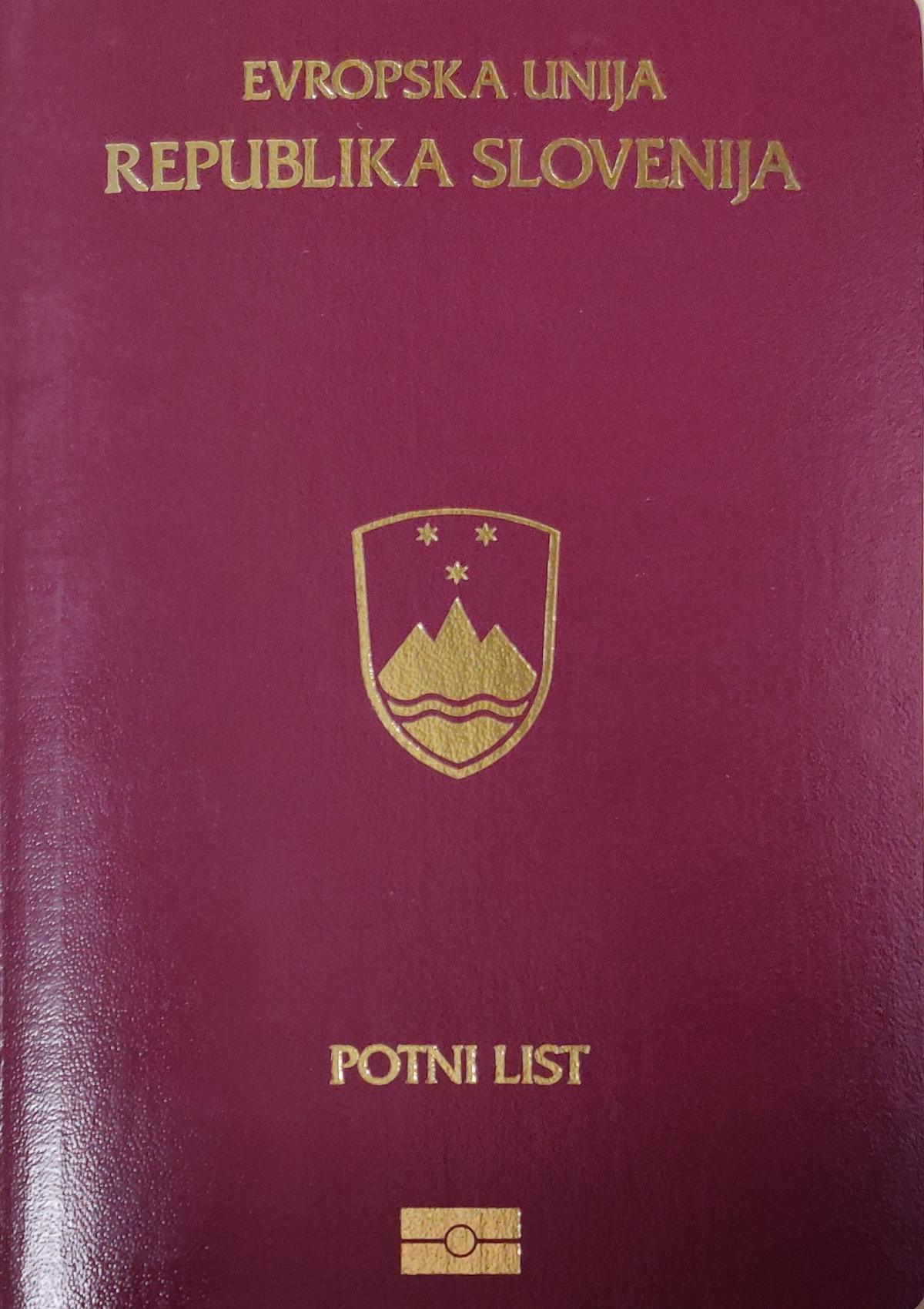

Applying for a Schengen Visa Through Slovenia
If you need a Schengen visa, and most travellers from Africa, Asia, the Middle East and parts of the Americas do, the process is straightforward but bureaucratic. You must apply at the Slovenian embassy or consulate in your country of residence. In countries where Slovenia does not have an embassy, it may outsource the service to a neighbouring country's embassy or to a visa centre such as VFS Global or TLScontact.
Start the application online through the Slovenian Ministry of Foreign and European Affairs website. Fill the form, pay the fee, then book an appointment to submit biometrics and original documents. Standard documents: passport with two blank pages, two identical passport photos (35x45mm, white background), round-trip flight itinerary, hotel bookings covering every night of the stay, travel medical insurance valid for the entire Schengen trip at €30,000 minimum coverage, recent bank statements, proof of employment or studies, and a completed and signed application form.
Processing time is 15 calendar days from the date of submission, though this can stretch to 45 days if further checks are needed. Do not book non-refundable flights or accommodation until the visa is issued. The fee is €90 for adults, €45 for children 6 to 12, free for children under 6.
Who Needs a Visa to Enter Slovenia, and Who Can Skip it
The Schengen visa system suits travellers who plan a single European trip of up to 90 days and who are organised enough to submit documents 4 to 6 weeks in advance. It is not for spontaneous bookings: you cannot decide at the airport to fly to Ljubljana without a visa if your passport requires one.
Slovenia visa requirements suit the road tripper who wants to combine alpine hikes in Triglav National Park, the karst caves of Škocjan and Postojna, and a slow morning in Piran. Slovenia is compact but its narrow alpine roads and rural connections mean driving time is longer than Google Maps suggests. A 7-day trip with Ljubljana plus two regions is realistic; a 3-day trip based only in Ljubljana is the most common mistake visitors make.
Slovenia does not suit the big-city traveller who wants metro systems and nightlife, or the beach tourist chasing guaranteed hot weather in July. It also does not suit the traveller who refuses to rent a car: public transport works between major towns, but many trailheads, wine villages and karst sights have infrequent or no bus service. The single thing that most often goes wrong: assuming the 90-day Schengen limit does not apply to an itinerary that loops through Croatia, Slovenia and Austria, then losing days to a miscalculation at the border.
Common Questions
Can I enter Slovenia with a Schengen visa issued by another country?
Yes. A Schengen visa issued by any member state is valid for Slovenia as long as the visa is still within its validity period and you respect the number of entries and total days allowed. Slovenia is part of the same border-free area.
Do I need a visa to transit through Ljubljana Airport?
If you are from a Schengen visa-required country and you are transiting through Ljubljana Airport to a non-Schengen destination, check whether you need an airport transit visa. Slovenia applies the common Schengen airport transit visa rules. If you are staying airside and not passing through passport control, many nationalities are exempt, but confirm with the Slovenian embassy based on your passport.
What happens if I overstay the 90-day limit in Slovenia?
Overstaying is a breach of Schengen rules and can result in a formal exit ban, a fine, and difficulties obtaining future visas. The Slovenian Police and Border Police record overstays in the Schengen Information System. If you need more than 90 days, apply for a national long-stay visa before travel.
Does Slovenia check passports at the Austrian or Italian land borders?
No. Slovenia has open internal borders with Austria, Italy, Hungary and Croatia (Croatia is now fully Schengen). There are no systematic passport checks at these crossings, though random police checks occur. Your entry is recorded at the first Schengen external border you cross, such as Ljubljana Airport or a Croatian land crossing.
Can I extend my visa-free stay in Slovenia beyond 90 days?
Visa-free stays cannot be extended for tourism. If you need to stay longer, you must obtain a national visa or residence permit before entering Slovenia. Overstaying a visa-free period is treated the same as overstaying a visa.
Do I need a visa to visit Bled and Lake Bohinj if I am staying in Austria?
No, provided you are from a visa-exempt nationality. Slovenia is Schengen, so a day trip from Austria requires no separate permission. If you need a Schengen visa, your visa must cover both Austria and Slovenia, and your stay must comply with the overall 90-day limit across Schengen.
Is there a visa-on-arrival at Ljubljana Airport?
No. Slovenia does not offer visa-on-arrival for any nationality. All visa-required travellers must obtain a Schengen visa before departure from a Slovenian embassy or consulate in their country of residence.
Read next
-
 Staying Connected in Slovenia Without the Roaming Panic
A practical comparison of eSIM, local SIM, and roaming for Slovenia, with notes on where coverage drops in the Julian Alps.
Staying Connected in Slovenia Without the Roaming Panic
A practical comparison of eSIM, local SIM, and roaming for Slovenia, with notes on where coverage drops in the Julian Alps.
-
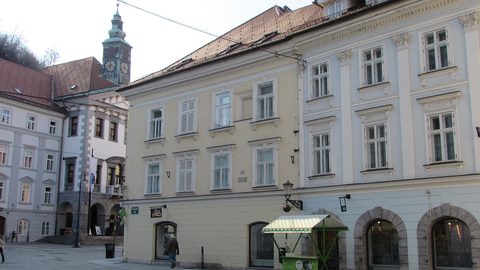 Best Time to Visit Slovenia by Season and What Actually Happens
Slovenia's seasons change what is open, how crowded the lakes and coast feel, and whether mountain passes and huts are accessible at all.
Best Time to Visit Slovenia by Season and What Actually Happens
Slovenia's seasons change what is open, how crowded the lakes and coast feel, and whether mountain passes and huts are accessible at all.
-
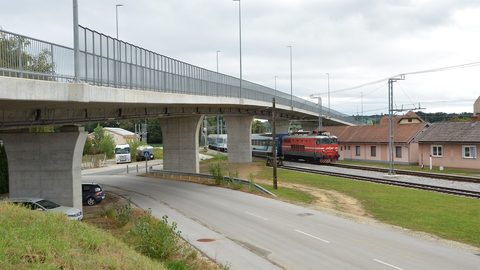 Getting Around Slovenia by Car, Bus and the Gaps in Between
A rental car is the most practical way to see Slovenia, but rural roads, seasonal passes and limited public transport to trailheads change the map.
Getting Around Slovenia by Car, Bus and the Gaps in Between
A rental car is the most practical way to see Slovenia, but rural roads, seasonal passes and limited public transport to trailheads change the map.
-
 Using Euros, Cards and Cash in Slovenia Without Friction
Slovenia uses the euro, and while cards work in cities and tourist hubs, rural guesthouses, mountain huts and small producers often prefer cash.
Using Euros, Cards and Cash in Slovenia Without Friction
Slovenia uses the euro, and while cards work in cities and tourist hubs, rural guesthouses, mountain huts and small producers often prefer cash.
-
 Slovenia Safety Advice Without the Overblown Warnings
Slovenia is a low-crime country, but mountain weather, steep trails, ticks and narrow alpine roads are the real risks to plan for.
Slovenia Safety Advice Without the Overblown Warnings
Slovenia is a low-crime country, but mountain weather, steep trails, ticks and narrow alpine roads are the real risks to plan for.
-
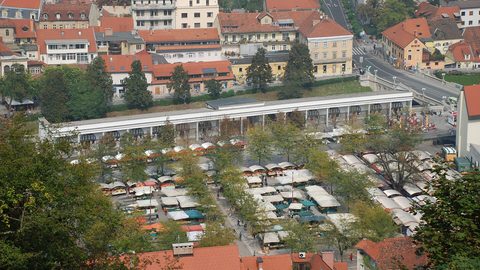 How Much Does Slovenia Cost in Real Terms
A realistic look at what Slovenia costs, from Ljubljana city breaks to alpine road trips, and where the money actually goes.
How Much Does Slovenia Cost in Real Terms
A realistic look at what Slovenia costs, from Ljubljana city breaks to alpine road trips, and where the money actually goes.
-
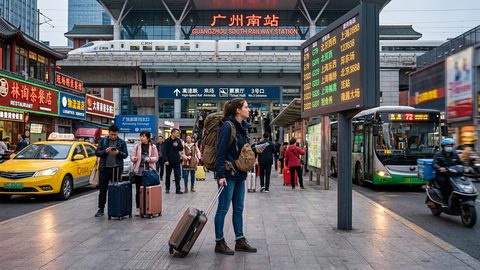 A Ground-Level Logistics Guide to Independent Travel in China
First-time independent travel in China: what you need to know about visas, rail booking, eSIMs, mobile payments, and power adapters.
A Ground-Level Logistics Guide to Independent Travel in China
First-time independent travel in China: what you need to know about visas, rail booking, eSIMs, mobile payments, and power adapters.
-
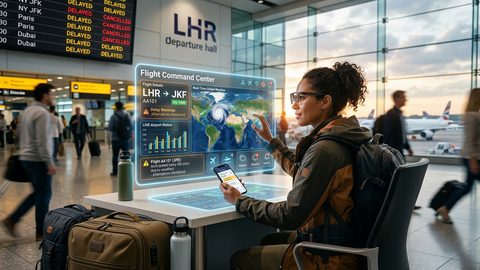 How Solo Travelers Stay Ahead of Flight Delays and Cancellations
How solo travelers can track inbound aircraft, claim rebooking rights, and adjust ground transport when flights go wrong — step by step.
How Solo Travelers Stay Ahead of Flight Delays and Cancellations
How solo travelers can track inbound aircraft, claim rebooking rights, and adjust ground transport when flights go wrong — step by step.
-
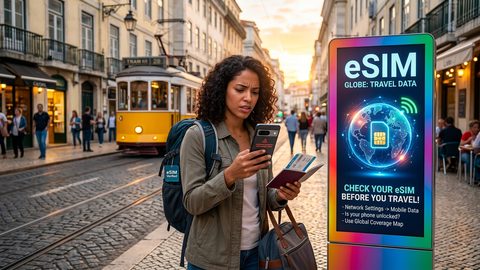 Why Your eSIM Might Not Work Abroad and How to Check Before You Go
Buying an eSIM doesn't guarantee signal abroad. Learn why coverage fails by location and how to verify reach before you commit to a plan.
Why Your eSIM Might Not Work Abroad and How to Check Before You Go
Buying an eSIM doesn't guarantee signal abroad. Learn why coverage fails by location and how to verify reach before you commit to a plan.