Planning Your Slovenia Trip Cost With a Practical Breakdown
A realistic look at what Slovenia costs, from Ljubljana city breaks to alpine road trips, and where the money actually goes.
A Realistic Budget for Travel in Slovenia
Most guides give you a single daily number for Slovenia. That number is useless. A night in a Lake Bled hotel in August costs four times what a night in a rural Štajerska guesthouse costs in November. The real question is not what a day costs, but what your trip costs, and that depends entirely on where you sleep, how you eat, and whether you rent a car. A realistic Slovenia trip cost lands between €65 and €220 per person per day, and the difference is geography, not budget tier.
Slovenia Daily Budget Breakdown by Travel Style
Your daily budget in Slovenia splits into accommodation, food and drink, and transport. Accommodation is the largest line item, food and drink the second, and transport the third unless you rent a car, which pushes it higher. The shape of the budget shifts sharply by district.
Budget Travel Style
A hostel bed in the capital runs €25-35 per night. A campsite near the Soča Valley costs €12-18. Mountain huts open June to September charge €20-30 for a dormitory bed. Private rooms labelled sobe outside tourist centres cost €35-50. For meals, find the daily set lunch called malica or dnevno kosilo for €8-12 in any town. Supermarket hot counters and burek bakeries fill you for under €5. Self catering from a local market cuts restaurant costs entirely. Total daily budget: €55-75.
Mid Range Travel Style
A family run pension or guesthouse in Gorenjska or the Karst costs €70-100 per night. Tourist farms bundle half board at €60-90 per person. Three course dinners in a gostilna run €20-30. House wine by the glass in wine growing regions costs €2-4. Total daily budget: €110-150.
Luxury Travel Style
Lake Bled lakeside hotels and Ljubljana boutique hotels start at €180 and reach €350 in July and August. Coastal resorts in Piran charge similar rates. Fine dining dinners with local wine run €50-70 per person. Total daily budget: €200-300.

Lake Bled Prices
Lake Bled carries the highest prices outside the capital. The famous Bled cream cake costs €5-6 in lakeside cafés, though a bar one street back charges €3.50. Parking at the lake costs €1.50-2 per hour and fills by 09:30 in July and August. A pletna boat ride to the island church costs €18 per person round trip. Entry to Bled Castle runs €17 for an adult. Coffee on the promenade costs €4-5, making it one of the unexpectedly expensive categories. Book accommodation six months ahead for summer weekends or pay double the usual rate.
Lake Bohinj, 20 minutes away by car, costs significantly less. Parking is free at many trailheads. A cable car ride costs €22. Accommodation runs 20 to 30 percent cheaper than Bled. If your budget is tight, base yourself in Bohinj and visit Bled as a half day trip.
Slovenia Road Trip Expenses
A rental car is the dominant practical mode for seeing the country. The base rental rate is moderate, around €35-55 per day for a small car booked in advance. The hidden costs add up. A motorway vignette is mandatory; buy a monthly vignette for €30 at the border, a petrol station, or online. Camera based enforcement fines missing or expired vignettes. Fuel costs match neighbouring EU states, roughly €1.50-1.70 per litre for petrol and diesel. The Karavanke tunnel on the way to Austria charges a separate toll. One way international drop fees can reach €100-200 if you rent in the capital and return to Venice or Zagreb.
The main mistake visitors make is trusting Google Maps driving times on alpine and rural roads. A 90 kilometre route from Bled to the Soča Valley over Vršič Pass takes 1.5 hours in clear weather, but summer weekend traffic and slow vehicles can stretch it past two hours. Parking in Piran costs €2 per hour in the edge lots; the car free centre means you walk or take a shuttle from the garage. Free parking exists at most trailheads in Triglav National Park and at smaller towns, but never in the capital's city centre or at Lake Bled.
Ljubljana Restaurant Costs
Restaurant costs in the capital range from cheap to surprisingly expensive depending on location. A daily set lunch malica in a central restaurant costs €10-14. A three course dinner in a mid range gostilna runs €25-35. The unexpected cost is coffee in the old town: a single espresso on a river terrace costs €3.50-4.50, while the same drink in a neighbourhood bar costs €1.50. Beer follows a similar pattern: a domestic draft costs €3 in a tourist square and €2.20 in a bar a few streets away. Wine by the glass starts at €3 in most places and reaches €7 for premium bottles.
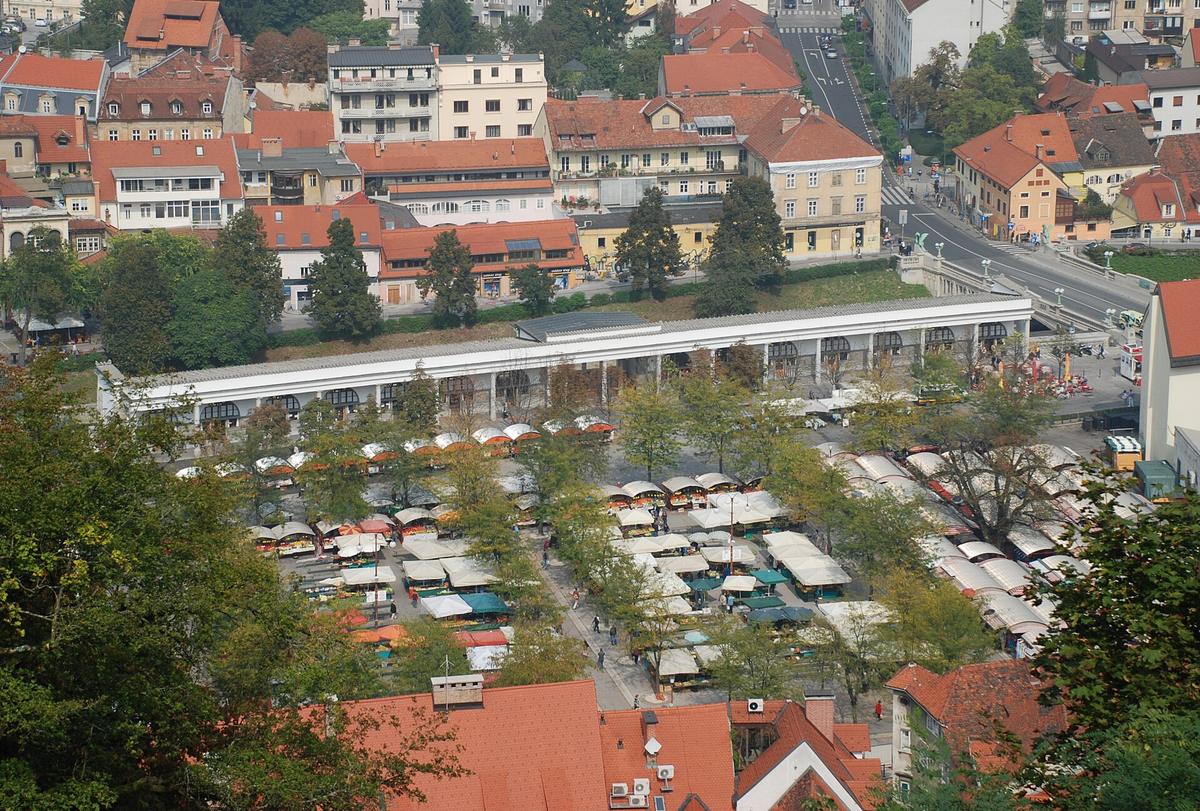
The food market along the river sells seasonal produce, cheese, and cured meats at prices comparable to supermarkets. Self catering from the market cuts eating out costs by half. Supermarket prices in the capital are similar to Austria and Italy, significantly cheaper than Switzerland. Bulk buying snacks, water, and picnic supplies at a Spar or Mercator before heading to Lake Bled or the coast saves €5-10 per day versus buying at tourist oriented shops.
.jpg)
Book your accommodation before you book your flights. July and August see peak demand, and Lake Bled, the capital, and the coast fill weeks ahead. Christmas and New Year also push rates up. The lowest prices run November through March outside ski resorts. If you want the cheapest possible trip, target Prekmurje or eastern Slovenia in the low season, rely on supermarket meals and tap water, and drive a small car on a monthly vignette. The single most practical action you can take: decide which regions you will actually visit, then check accommodation prices for those specific districts before you set a daily budget. The number that works for Bled will not work for Dolenjska, and planning for the wrong region is the most common mistake travellers make.
Common Questions
What is the cheapest region in Slovenia for accommodation?
The cheapest regions are Prekmurje and eastern Slovenia. A private room or basic guesthouse in Prekmurje costs €30-45 per night. Štajerska and Dolenjska are also noticeably cheaper than the capital, Lake Bled, and the coast. The most expensive regions overall are the Lake Bled area and the capital's centre.
Do I need a rental car to see Slovenia on a budget?
A rental car is not strictly required for the capital plus day trips to Lake Bled and Postojna Cave, which have frequent bus service. But for the Soča Valley, Štajerska wine roads, and rural Prekmurje, public transport is infrequent or absent. Renting a car for part of the trip and using buses for the rest often saves money versus renting for the full duration.
How much does a meal cost in a rural Slovenian restaurant?
A three course dinner in a family run gostilna in Štajerska or Dolenjska costs €18-25, roughly 20 percent less than the same meal in the capital. House wine by the glass in these regions costs €2-3. Many rural restaurants close between lunch and dinner, so check opening hours before driving.
Are the major caves and castles expensive to visit?
Postojna Cave costs €35 for an adult ticket. Škocjan Caves cost €23. Predjama Castle costs €17. Combined tickets for Postojna and Predjama are available. Book both caves online in advance in July and August; timed entry sells out. State museums are moderate: most charge €5-10 per adult.
What unexpectedly costs more than expected in Slovenia?
Parking in the capital's city centre and at Lake Bled costs €1.50-2 per hour and is scarce. Coffee in tourist squares costs €3.50-5. Mountain hut food and drink, while moderate in absolute terms, is priced above valley level due to supply logistics. Avoid all three by parking at edge lots, drinking at neighbourhood bars, and carrying snacks on hut hikes.
Read next
-
 Staying Connected in Slovenia Without the Roaming Panic
A practical comparison of eSIM, local SIM, and roaming for Slovenia, with notes on where coverage drops in the Julian Alps.
Staying Connected in Slovenia Without the Roaming Panic
A practical comparison of eSIM, local SIM, and roaming for Slovenia, with notes on where coverage drops in the Julian Alps.
-
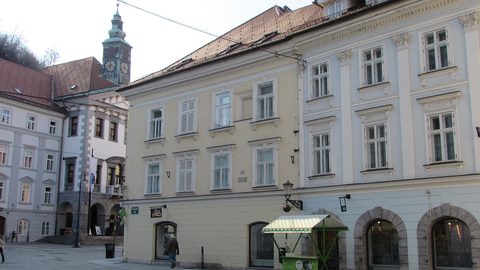 Best Time to Visit Slovenia by Season and What Actually Happens
Slovenia's seasons change what is open, how crowded the lakes and coast feel, and whether mountain passes and huts are accessible at all.
Best Time to Visit Slovenia by Season and What Actually Happens
Slovenia's seasons change what is open, how crowded the lakes and coast feel, and whether mountain passes and huts are accessible at all.
-
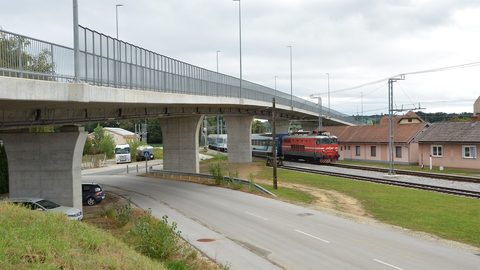 Getting Around Slovenia by Car, Bus and the Gaps in Between
A rental car is the most practical way to see Slovenia, but rural roads, seasonal passes and limited public transport to trailheads change the map.
Getting Around Slovenia by Car, Bus and the Gaps in Between
A rental car is the most practical way to see Slovenia, but rural roads, seasonal passes and limited public transport to trailheads change the map.
-
 Slovenia Visa Requirements for Schengen and Non-Schengen Visitors
Slovenia is in the Schengen Area, so entry rules depend on your nationality and whether you are crossing from another Schengen country.
Slovenia Visa Requirements for Schengen and Non-Schengen Visitors
Slovenia is in the Schengen Area, so entry rules depend on your nationality and whether you are crossing from another Schengen country.
-
 Using Euros, Cards and Cash in Slovenia Without Friction
Slovenia uses the euro, and while cards work in cities and tourist hubs, rural guesthouses, mountain huts and small producers often prefer cash.
Using Euros, Cards and Cash in Slovenia Without Friction
Slovenia uses the euro, and while cards work in cities and tourist hubs, rural guesthouses, mountain huts and small producers often prefer cash.
-
 Slovenia Safety Advice Without the Overblown Warnings
Slovenia is a low-crime country, but mountain weather, steep trails, ticks and narrow alpine roads are the real risks to plan for.
Slovenia Safety Advice Without the Overblown Warnings
Slovenia is a low-crime country, but mountain weather, steep trails, ticks and narrow alpine roads are the real risks to plan for.
-
 A Ground-Level Logistics Guide to Independent Travel in China
First-time independent travel in China: what you need to know about visas, rail booking, eSIMs, mobile payments, and power adapters.
A Ground-Level Logistics Guide to Independent Travel in China
First-time independent travel in China: what you need to know about visas, rail booking, eSIMs, mobile payments, and power adapters.
-
 How Solo Travelers Stay Ahead of Flight Delays and Cancellations
How solo travelers can track inbound aircraft, claim rebooking rights, and adjust ground transport when flights go wrong — step by step.
How Solo Travelers Stay Ahead of Flight Delays and Cancellations
How solo travelers can track inbound aircraft, claim rebooking rights, and adjust ground transport when flights go wrong — step by step.
-
 Why Your eSIM Might Not Work Abroad and How to Check Before You Go
Buying an eSIM doesn't guarantee signal abroad. Learn why coverage fails by location and how to verify reach before you commit to a plan.
Why Your eSIM Might Not Work Abroad and How to Check Before You Go
Buying an eSIM doesn't guarantee signal abroad. Learn why coverage fails by location and how to verify reach before you commit to a plan.