Russia Public Holidays Calendar, the Days That Shut Everything and the Ones That Move
The days Russia closes and the ones that move. New Year shutdown, May holidays, Victory Day, and what they do to transport and hotels.
You book a trip to Russia, check the dates look clear, and arrive to find half the country's transport grid locked up and every hotel room from Moscow to Vladivostok sold to domestic travellers who knew what you did not. The Russian government publishes a Russia public holidays calendar that lists eight official non-working federal holidays, but the calendar that actually shuts things runs on two extended blocks: the New Year shutdown from approximately 30 December to 10 January and the May holidays from 1 May to around 10 May. These are not optional travel windows. They are the two periods when the entire country moves at once, rail tickets vanish, hotel rates triple, and the streets fill with families visiting relatives. If your trip overlaps either block and you have not booked everything six weeks ahead, you will spend your break stranded in a train station eating stale ponchiki.
How the Russian Public Holidays Calendar Actually Works
The eight federal non-working public holidays are fixed on the Gregorian calendar: New Year's Day on 1 January, Orthodox Christmas on 7 January, Defender of the Fatherland Day on 23 February, International Women's Day on 8 March, Spring and Labour Day on 1 May, Victory Day on 9 May, Russia Day on 12 June, and National Unity Day on 4 November. What matters to a traveller is not the list but the mechanism. The government shifts working days to adjacent Saturdays to create continuous non-working periods. The New Year period runs 7 to 10 consecutive days from 1 to 7 January plus the adjoining weekends and compensatory working Saturdays. The May holidays split into two blocks of 3 to 5 days around 1 May and 9 May, separated by a short working interval that the government sometimes closes with additional transfers.
On federal non-working public holidays, government offices, banks, post offices, and most corporate offices shut. Public transport operates on a reduced Sunday schedule. Supermarkets and shopping malls stay open. Museums often open, though some close on 1 January. Restaurants and cafés open. The failure case: if you need a visa registration extension, a bank to exchange currency, or a government office to resolve a document problem, you wait until the next working day.
Regional non-working holidays add another layer. Republic of Tatarstan observes Republic Day on 30 August. Republic of Sakha in Yakutia celebrates Yhyakh, tied to the summer solstice, with a date that varies annually. Republic of Buryatia observes Sagaalgan, the Buddhist Lunar New Year, also on a variable date. The Chechen Republic observes Eid al Fitr and Eid al Adha on the Islamic lunar calendar. If your itinerary includes these regions during those dates, expect the same closures and transport pressure as a federal holiday.
.jpg)
Russia New Year Shutdown Dates: the January Lockdown
The New Year shutdown is the single most disruptive period on the Russian calendar. The non-working period stretches from approximately 30 December through 10 January, encompassing the federal holidays of 1 January and 7 January plus the school winter break of 10 to 14 days that overlaps the public holidays. Domestic travel peaks during the first ten days of the month. Russian Railways sells out long distance trains between Moscow, St Petersburg, and the regional capitals weeks in advance. Hotels in central Moscow and St Petersburg charge peak rates. Restaurants in both cities are fully booked on New Year's Eve and the evenings around Orthodox Christmas on 7 January.
What Shuts and What Does Not
Public transport runs but on reduced Sunday schedules. Aeroexpress trains from Sheremetyevo and Domodedovo to the city centres still operate, but frequency drops. Yandex Go taxis cost 1,500 to 3,000 RUB to the centre, same as normal, though surge pricing applies on New Year's Eve itself. Most museums close on 1 January and some stay closed through 3 January. The State Hermitage Museum in St Petersburg and the Moscow Kremlin Armoury Chamber reopen by 3 or 4 January but require advance online booking to skip queues that still form even in low season.
What You Do If You Are Stuck
If you arrive during the shutdown without bookings, buy a local SIM from MTS, Beeline, or MegaFon at the airport. Use 2GIS for public transport routing. Cash is still king: Visa and Mastercard issued outside Russia do not function, UnionPay cards have limited acceptance, and many provincial ATMs accept only the domestic Mir card. Carry enough roubles for at least three days. Supermarkets and shopping malls stay open, so food is not a problem. The real risk is transport: if you need to move between cities, check Russian Railways tickets on the day they open for sale, which is 90 days before departure for most long distance trains. After that window closes, you pay scalper rates or switch to bus.
Russia May Holidays Transport: the Two Week Logjam
The May holidays create a national logjam for the first two weeks of the month. Spring and Labour Day on 1 May and Victory Day on 9 May are both federal non-working holidays. The government shifts working days to create two blocks of 3 to 5 days around each date, separated by a short working interval that sometimes gets closed entirely. The result is a period from roughly 1 May to 10 May when domestic travel peaks.
Victory Day Moscow Parade
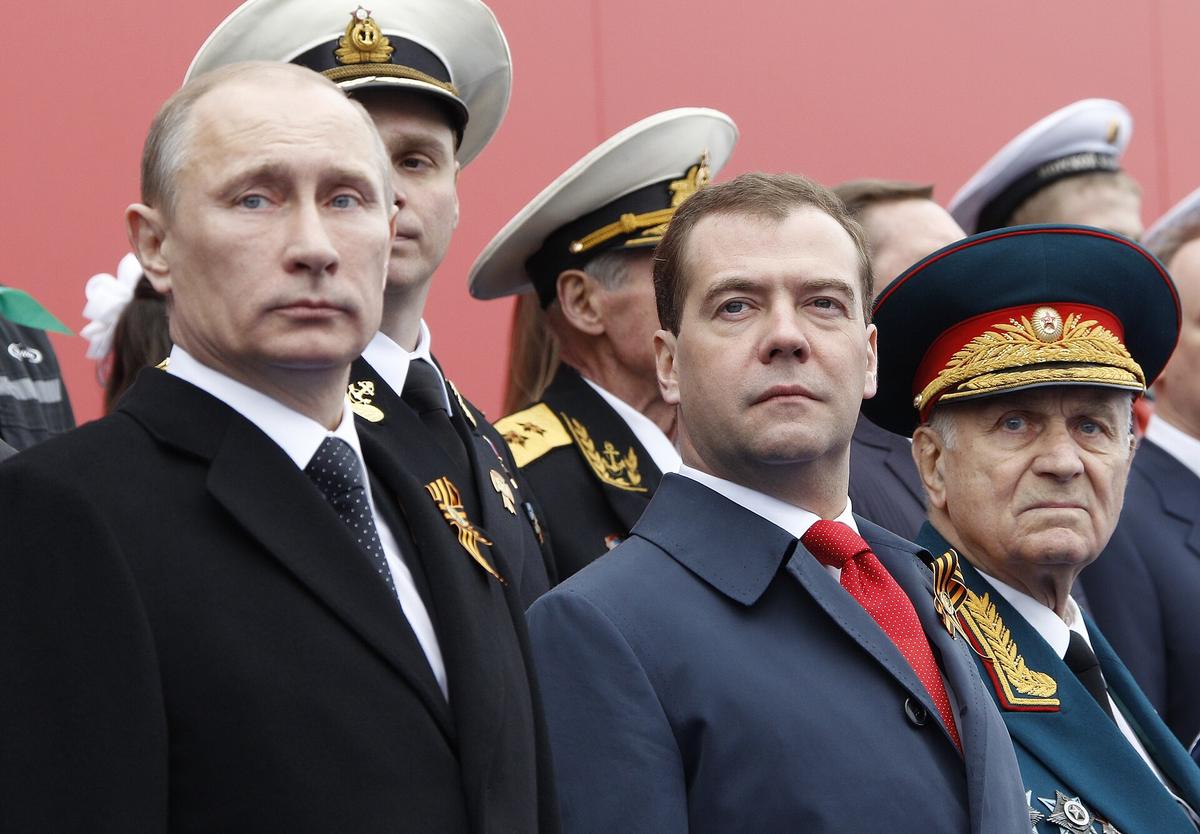
Victory Day on 9 May is the most significant non religious holiday in Russia. The Moscow parade on Red Square draws huge crowds. Streets around the Moscow Kremlin and along Tverskaya Ulitsa close to traffic from early morning. Public transport in central Moscow runs on increased capacity but stations near Red Square may be exit only during the parade. If you want to see the parade, arrive by 07:00 and expect to stand for hours. If you want to avoid it, stay out of central Moscow entirely on 9 May or book a day trip to a Golden Ring town like Suzdal or Vladimir. The same logic applies in St Petersburg: the parade along Nevsky Prospekt and the evening fireworks near the Peter and Paul Fortress draw massive crowds.
Transport During the May Block
Russian Railways long distance trains between Moscow, St Petersburg, and the Black Sea coast sell out by mid April. Domestic flights double in price. The failure case: if you try to buy a last minute train ticket on 2 May for travel on 4 May, you find nothing available below the SV two berth sleeper class at triple the standard rate. Buses fill a gap but add hours to journey times. The Volga cruise season starts in May, so river ports in Kazan and Samara see heavy demand. Book all transport and accommodation for the May period by 1 April at the latest.
| Facility | Status On Federal Holidays |
|---|---|
| Government offices, banks, post offices | Closed |
| Public transport | Reduced Sunday schedule |
| Supermarkets and shopping malls | Open |
| Museums | Most open; some close 1 January |
| Restaurants and cafés | Open |
| Railway ticket offices | Open but limited hours |
.jpg)
Orthodox Christmas Russia Closures and Other Movable Dates
Orthodox Christmas falls on 7 January, which is a federal non-working holiday. It sits inside the New Year shutdown period, so its practical effect is absorbed into the longer block. What matters is the cultural reality: many Russians celebrate Christmas on 6 and 7 January with family meals and church services. Restaurants in Moscow and St Petersburg require advance reservations for the evening of 6 January. Shops close earlier on 6 January than a normal weekday.
Orthodox Easter
Orthodox Easter is an annual holiday that moves with the lunar and religious calendar, set by the Julian calendar and the Paschalion. The date varies widely, sometimes falling in April, sometimes in May. It is not a federal non-working holiday, but its cultural weight is enormous. Churches hold midnight services that draw large crowds. Traffic around cathedrals in central Moscow and St Petersburg closes. Restaurants serve special Easter menus. If your trip coincides with Orthodox Easter, book dinners a week ahead and expect reduced public transport after midnight on Saturday.
Maslenitsa
Maslenitsa, the week before Orthodox Lent, is not a public holiday but it changes your plan if you are in Russia during that week. Restaurants serve blini with every topping imaginable. Outdoor festivals with bonfires and folk performances take over parks in Moscow, St Petersburg, and Golden Ring towns. The last day, called Forgiveness Sunday, sees large crowds in city centres. No services shut, but transport to suburban festival sites fills up.
The Calendar Trap That Catches Most Travellers
The single mistake that deranges an otherwise well planned trip is this: you see the federal holiday list, note that only eight days are marked non working, and assume the rest of the calendar is normal. It is not. The New Year shutdown and May holidays are blocks, not single days. The school winter break overlaps the New Year period. The school spring break in late March adds a third domestic travel peak. The summer break from June through August is the longest peak season, when the Black Sea coast and Volga river cruise routes are packed and accommodation in St Petersburg during the White Nights period from late May to mid July is booked by February.
What To Do With This Information
If you want quiet streets and empty museums, travel in the second half of January through late February, excluding Defender of the Fatherland Day on 23 February, or in November excluding the National Unity Day weekend on 4 November. These are the lowest domestic demand periods. If you must travel during the New Year shutdown or May holidays, book all long distance rail tickets the day they go on sale 90 days ahead, book hotels at least 60 days ahead, and carry enough cash to cover three days of expenses because card payments may fail at small vendors who rely on the Mir system.
The Honest Caveat
Even with perfect planning, a Russian holiday trip carries friction that no calendar can solve. The registration requirement within 7 working days of arrival is automatic in hotels but requires a sponsor or agency if you stay in private apartments. The gap between Moscow time on your train ticket and local time in Siberia can cause missed connections. The rasputitsa mud seasons in late March to April and October to November make rural roads impassable. The public address announcements on trains and platforms are in Russian only. The single thing that most often goes wrong is the assumption that a holiday is just one day. In Russia, a holiday is a system that moves everything around it.
Common Questions
What are the exact Russia New Year shutdown dates?
The Russian government announces the exact dates through a decree each autumn. The New Year non-working period runs 1 to 7 January plus adjacent weekends and compensatory working Saturdays, creating a block of approximately 30 December to 10 January. The official source is the Russian Ministry of Labour. Check their publication in October or November for the precise dates.
Do trains run on 1 January in Russia?
Yes. Russian Railways operates long distance trains on 1 January, but on a reduced Sunday schedule. Suburban elektrichka trains and Aeroexpress airport trains also run. Tickets sell out weeks ahead because the New Year period is the peak domestic travel season. Book by early December.
Is Victory Day parade in Moscow accessible to foreign tourists?
The parade on Red Square is a ticketed event for invited guests. Foreign tourists cannot enter Red Square during the parade without an invitation. You can watch from side streets along Tverskaya Ulitsa or on large screens set up in nearby squares. Arrive by 07:00 for any position.
What happens if I arrive in Russia during the May holidays without hotel bookings?
You will pay 2 to 3 times the normal rate for whatever room is left. Domestic travellers book the May block months ahead. Use Yandex Go to search for hotels, but expect limited availability in Moscow, St Petersburg, and Black Sea destinations. Your backup is hostels or apartments booked through Russian platforms like Ostrovok or Sutochno.
Do museums in Moscow close during Orthodox Christmas?
Most museums in Moscow remain open on 7 January. The Moscow Kremlin museums and the Armoury Chamber open after 3 January. The State Tretyakov Gallery and Pushkin State Museum of Fine Arts follow normal holiday schedules. Check individual museum websites for specific hours, which vary by year.
Can I use my foreign Visa or Mastercard in Russia during the holidays?
No. Visa and Mastercard issued outside Russia do not function anywhere in Russia, on any date. The domestic Mir card system is the only widely accepted electronic payment. Carry cash in roubles. ATMs in major cities dispense roubles, but some provincial ATMs accept only Mir cards.
What is the worst holiday period for Trans Siberian travel?
The first two weeks of January and the first two weeks of May are the worst. Long distance trains between Moscow and Vladivostok sell out completely. Platzkart open dormitory class goes first, followed by coupe four berth compartments. Book 90 days ahead when Russian Railways opens ticket sales, or switch to air travel between major Siberian cities like Novosibirsk and Irkutsk.
Read next
-

 Staying Connected in Russia With eSIM Local SIM or Roaming
How to get a working mobile connection in Russia, why a passport is required, and where the signal disappears on long train routes.
Staying Connected in Russia With eSIM Local SIM or Roaming
How to get a working mobile connection in Russia, why a passport is required, and where the signal disappears on long train routes.
-
 Best Time to Visit Russia by Season and Region
When to go to Russia and what each season actually does to transport, prices, and what you can see. Seasonal trade-offs, not a single month.
Best Time to Visit Russia by Season and Region
When to go to Russia and what each season actually does to transport, prices, and what you can see. Seasonal trade-offs, not a single month.
-
 Getting Around Russia by Train Bus and Ride Hailing
Russian Railways, marshrutka, elektrichka, and Yandex Go. How Russia actually connects and what the map oversells for travellers.
Getting Around Russia by Train Bus and Ride Hailing
Russian Railways, marshrutka, elektrichka, and Yandex Go. How Russia actually connects and what the map oversells for travellers.
-
 Russia Visa Requirements and the Invitation Letter Process
Russia visa requirements, the invitation letter, and the registration rule that catches independent travellers out. What to do before and after arrival.
Russia Visa Requirements and the Invitation Letter Process
Russia visa requirements, the invitation letter, and the registration rule that catches independent travellers out. What to do before and after arrival.
-
 Paying for Things in Russia With Rubles and Cards
Russian rubles, Mir cards, and where cash still wins. What foreign visitors can and cannot pay with across Russia today.
Paying for Things in Russia With Rubles and Cards
Russian rubles, Mir cards, and where cash still wins. What foreign visitors can and cannot pay with across Russia today.
-
 Reading Russia Safety Advice Without Being Misled
Reading safety advice about Russia without being misled by it. Real risks, overstated fears, and what independent travellers should watch.
Reading Russia Safety Advice Without Being Misled
Reading safety advice about Russia without being misled by it. Real risks, overstated fears, and what independent travellers should watch.
-
 A Ground-Level Logistics Guide to Independent Travel in China
First-time independent travel in China: what you need to know about visas, rail booking, eSIMs, mobile payments, and power adapters.
A Ground-Level Logistics Guide to Independent Travel in China
First-time independent travel in China: what you need to know about visas, rail booking, eSIMs, mobile payments, and power adapters.
-
 How Solo Travelers Stay Ahead of Flight Delays and Cancellations
How solo travelers can track inbound aircraft, claim rebooking rights, and adjust ground transport when flights go wrong — step by step.
How Solo Travelers Stay Ahead of Flight Delays and Cancellations
How solo travelers can track inbound aircraft, claim rebooking rights, and adjust ground transport when flights go wrong — step by step.
-
 Why Your eSIM Might Not Work Abroad and How to Check Before You Go
Buying an eSIM doesn't guarantee signal abroad. Learn why coverage fails by location and how to verify reach before you commit to a plan.
Why Your eSIM Might Not Work Abroad and How to Check Before You Go
Buying an eSIM doesn't guarantee signal abroad. Learn why coverage fails by location and how to verify reach before you commit to a plan.