When to Go to Australia and What Each Season Actually Delivers
Australia's south runs on a four-season calendar opposite the northern hemisphere, while the tropical north operates on wet and dry.
When to Go to Australia and What Each Season Actually Delivers
You deplane in Cairns in January and the air hits you like a wet towel. The humidity is 80 percent, the monsoon rains are daily, and the stinger nets are up on the beach because the box jellyfish are inshore. Meanwhile, a friend in Melbourne texts you a photo from St Kilda beach in 26-degree heat and blue sky. This is the central problem of planning travel here: Australia is a continent, not an island, and its climate zones are radically different. The best time to visit Australia depends entirely on which of those zones you are aiming for. One does not exist. Choose your region first, then pick the season that matches what you want to do.
Australia Seasons by Region
Temperate South
The temperate southern zone Sydney, Melbourne, Adelaide, and Perth operates on a familiar four-season calendar. Summer runs December to February with beach weather, peak crowds, and bushfire risk in forested areas. Autumn is March to May, offering mild days and fewer people. Winter is June to August, bringing snow to the Australian Alps and Tasmania highlands, plus whale migration visible along the south and east coasts. Spring runs September to November, with wildflower season in southwest Western Australia peaking from August to October.
Tropical North
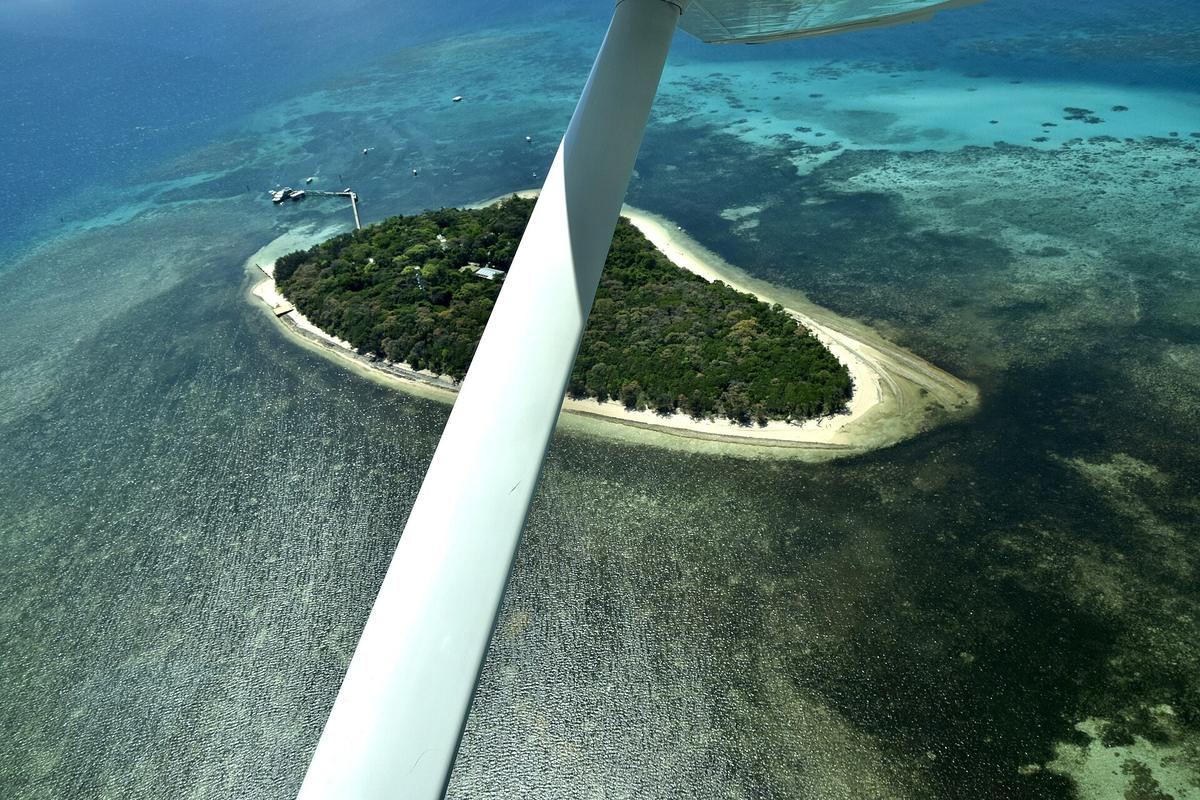
The tropical north Cairns, Darwin, Broome, and the Kimberley does not have four seasons. It has two: wet and dry. The wet season runs November to April, bringing high humidity, monsoon rains, and the possibility of cyclones. Some unsealed roads close, and waterfalls run at their peak flow. The dry season runs May to October, with low humidity, clear skies, and all roads open. Marine stingers are absent or reduced in the dry season. Coral spawning on the Great Barrier Reef happens in November or December, depending on the lunar cycle.
Arid Interior
The arid interior Uluru, Alice Springs, and Coober Pedy sits in its own rhythm. Summer from December to February brings extreme heat above 40 degrees Celsius, some walks close midday, and visitor numbers are low. Winter from June to August delivers mild days but cold nights that can approach freezing, and this is the peak visitor season. The latitude split matters: roughly south of the Tropic of Capricorn, the wet-season/dry-season pattern weakens. Rainfall becomes winter-dominant in southwest Western Australia and southeast South Australia, and more uniform in much of New South Wales and Victoria.
_02.jpg)
| Zone | Summer | Autumn / Dry Start | Winter / Dry Peak | Spring / Build-Up |
|---|---|---|---|---|
| Temperate South (Sydney, Melbourne, Adelaide, Perth) | December–February. Beach weather, bushfire risk, school-holiday crowding. | March–May. Shoulder season, mild weather, fewer crowds. | June–August. Snow in alpine regions, whale migration, cool outback travel. | September–November. Spring shoulder, wildflowers in WA, variable rain. |
| Tropical North (Cairns, Darwin, Broome) | December–February. Wet season: high humidity, monsoon, cyclones, stingers, roads close. | March–May. Late wet to early dry: humidity drops, waterfalls peak in March–April. | June–August. Dry season peak: clear skies, all roads open, no stingers, fewer waterfalls. | September–November. Dry to wet transition: humidity builds in November, avoid this month. |
| Arid Interior (Uluru, Alice Springs) | December–February. Extreme heat above 40°C, walks closed midday, low crowds. | March–May. Cooler than summer, still hot. Good for hiking. | June–August. Peak season: mild days, freezing nights, book accommodation ahead. | September–November. Warming up, fewer visitors than winter peak. |
| Alpine (Snowy Mountains, Tasmania Highlands) | December–February. Hiking season, wildflowers, no snow. | March–May. Autumn colour, cooler hiking conditions. | June–August. Snow season: June to early October. Skiing and snow play. | September–November. Late snow in early spring, hiking returns in October–November. |
Australia Summer School Holidays Peak
The period from mid-December to late January is the domestic summer school holidays. This is the single most expensive window to be anywhere in Australia. Flight prices for routes between capital cities triple. Caravan parks fill completely. Coastal accommodation in the temperate south is booked solid months ahead. In the tropical north, you pay the same peak rates for the worst weather of the year: wet-season humidity, daily rain, and inshore marine stingers that close swimming beaches.
Avoid late December to the end of January if you are traveling domestically. Prices triple, and caravan parks fill with families. If you must travel during this period, book accommodation six months in advance, expect to pay premium rates, and accept that the tropical north will be punishingly humid. The one upside: the Great Barrier Reef's coral spawning occurs in November or December, but exact timing varies with the lunar cycle and is not something you can reliably plan a holiday around.
Tropical North Australia Wet Season
What the Wet Season Means
The tropical north wet season runs from November to April. In Cairns, Port Douglas, Darwin, and Broome, this means daily monsoon rains, humidity that sits at 80 percent or higher, and the possibility of cyclones. The Bureau of Meteorology defines the official tropical cyclone season as November to April. Stinger season on tropical Queensland beaches runs November to May; in the Northern Territory and northern Western Australia, it runs October to May. Protective swimming enclosures on certain Queensland beaches operate during these months.
Road Closures and Crocodiles
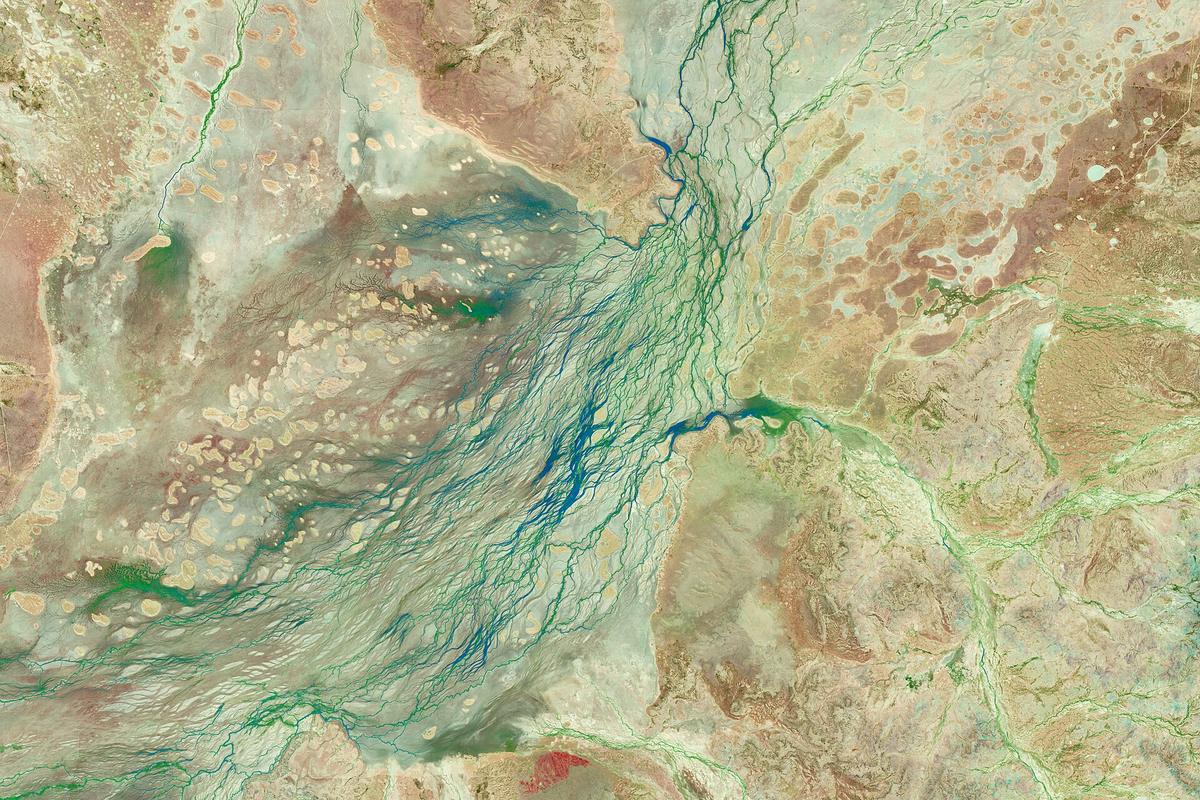
Some unsealed roads close, especially into Kakadu National Park and the Kimberley. Jim Jim Falls in Kakadu and many waterholes in Litchfield National Park are at their peak flow in the wet season, but access is restricted or impossible. Crocodile habitat extends across coastal rivers and estuaries north of roughly Rockhampton on the east coast and Carnarvon on the west coast. Saltwater crocodiles are present year-round, but wet-season flooding makes them more mobile. You cannot swim in most waterways. The sole draw of the wet season is the waterfalls, which run at maximum volume, and lower visitor numbers in some areas.
The Dry Season Window
The dry season from May to October is the real travel window. Low humidity, clear skies, all roads open, and marine stingers are absent or dramatically reduced. This is also the peak season for the tropical north, so book accommodation well ahead. Shoulder months are April and September, which trade occasional rain for fewer visitors than the dry-season peak.
.jpg)
Australia Shoulder Season Months
Temperate South Shoulder
Shoulder season is the ideal compromise for most travelers. In the temperate south, the shoulder runs March to April and October to November. You trade variable weather for fewer crowds than December to February summer and school holidays. March and April are the peak for the Great Ocean Road without the traffic jams. October and November offer spring wildflowers and warming temperatures before the summer crush. Accommodation prices drop compared with January.
Tropical North and Red Centre Shoulder
In the tropical north, the shoulder is April and September. April sits at the tail end of the wet season, so you still get some rain and humidity, but the waterfalls are at their best and the crowds have not yet arrived. September is the end of the dry season, so waterholes and waterfalls diminish late in the season, but the weather is still clear and low-humidity. For Uluru and the Red Centre, autumn March to May and spring September to November offer moderate temperatures without the extreme summer heat or the freezing winter nights. The arid interior sees its peak visitor season in winter June to August, but the shoulder months give you better conditions for the Valley of the Winds walk at Kata Tjuta and the Rim Walk at Kings Canyon during sunrise.
The Multi-Region Mistake
The single biggest mistake travelers make is planning a road trip that connects multiple regions across different seasons in a single itinerary. Sydney to Perth is a five-hour flight. Driving Sydney to Cairns takes a minimum of three relentless weeks. You cannot do a lap of the continent in a fortnight. Domestic flying is the real connective tissue, with Qantas, Virgin Australia, and Jetstar operating a hub-and-spoke network that makes driving between capitals a multi-day commitment.
What This Reality Means for You
Australia is vast, expensive, and deceptively tiring to explore. Distances between cities and attractions are continental in scale. First-timers are often shocked by how much driving is required, how early everything closes, and how the raw, empty Outback feels more isolating than romantic. The sunburn happens in 15 minutes even on cloudy days because the UV index regularly reaches extreme levels across most of the country. SPF50 is non-negotiable.
This destination suits road-trippers who genuinely love long drives, nature and wildlife enthusiasts, surfers and divers, working holidaymakers under 35, and luxury lodge seekers with deep pockets. It is not for budget backpackers expecting Southeast Asian prices, travelers who dislike long transit times or self-catering, or anyone seeking a dense, walkable historic city break. The minimum trip length is 14 days. Anything less forces you to choose between one east-coast city pair or a single region, and jet lag from North America or Europe will eat the first two days. The single thing that most often goes wrong: underestimating domestic flight times and treating Australia like a single road-trip loop. Sydney to Perth is a five-hour flight. Driving Sydney to Cairns takes three weeks. Plan for that, or you will spend your entire holiday in transit.
Common Questions
When should I actually go to Australia given the seasons run opposite and the tropical north has its own weather pattern?
Pick your region first. If you are visiting the temperate south Sydney, Melbourne, Adelaide, Perth the best window is October to April, avoiding the July school-holiday period. If you are visiting the tropical north Cairns, Darwin, Broome the best window is May to October, the dry season. If you are visiting the Red Centre, aim for March to May or September to November to avoid extreme summer heat and freezing winter nights. There is no single month that works for all three.
What is the cheapest month to fly to Australia?
February and March are the lowest-demand months for international arrivals. This corresponds to the tail end of Australian summer and the start of autumn in the temperate south, and the peak of the wet season in the tropical north. You will find lower airfares but should expect rain if heading north. Book domestic flights separately on Jetstar or Virgin Australia for the best intercity rates.
Is it worth visiting Cairns in January?
Only if you accept the reality of the wet season. January in Cairns brings daily rain, humidity above 80 percent, stinger nets on the beach, and the possibility of cyclone-related travel disruptions. The upside is that the Great Barrier Reef is accessible year-round on outer reef tours, and waterfall circuits are at their peak flow. But you will not be sunbathing on the beach. If you want beach weather in January, go to Sydney or Byron Bay.
What happens during the Australian summer school holidays?
Schools close from mid-December to late January. This triggers the highest domestic travel period of the year. Flights between capital cities triple in price. Caravan parks and coastal accommodation fill completely. In the temperate south, this is perfect beach weather, so coastal towns are packed. In the tropical north, you pay peak rates for wet-season weather. Avoid this period if you want to travel within Australia. International arrivals at Sydney and Melbourne airports are also at their busiest.
Can I swim at beaches in the tropical north during summer?
Not without precautions. Stinger season on Queensland beaches runs November to May. Box jellyfish and other marine stingers are present inshore during these months. Some beaches have protective swimming enclosures operational from November to May. Always swim between red and yellow flags at patrolled beaches. Rips kill competent swimmers who ignore them. In the Northern Territory and northern Western Australia, stinger season runs October to May, and saltwater crocodiles are present in all coastal rivers and estuaries year-round. Follow local signage.
Read next
-
 Staying Connected Across Australia eSIM and Local SIM Options
Choose between eSIM convenience and Telstra's unmatched Outback coverage—the connectivity decision that shapes your entire Australia trip.
Staying Connected Across Australia eSIM and Local SIM Options
Choose between eSIM convenience and Telstra's unmatched Outback coverage—the connectivity decision that shapes your entire Australia trip.
-
 Getting Around Australia, Why Flying Is the Real Connective Tissue
Domestic flights connect Australia's cities; driving between them eats days. Local transit cards still require a separate purchase, and inland fuel stops are
Getting Around Australia, Why Flying Is the Real Connective Tissue
Domestic flights connect Australia's cities; driving between them eats days. Local transit cards still require a separate purchase, and inland fuel stops are
-
 Australia Visa Requirements and the ETA Process Most Visitors Need
Australia has no visa-on-arrival. Every visitor needs electronic authorisation before boarding, and the ETA app is the only official channel for most passport
Australia Visa Requirements and the ETA Process Most Visitors Need
Australia has no visa-on-arrival. Every visitor needs electronic authorisation before boarding, and the ETA app is the only official channel for most passport
-
 Paying for Things in Australia, Cards, Cash and When Surcharges Appear
Australia runs on contactless cards, but public holiday surcharges of 10-15% catch visitors off guard.
Paying for Things in Australia, Cards, Cash and When Surcharges Appear
Australia runs on contactless cards, but public holiday surcharges of 10-15% catch visitors off guard.
-
 Australia Safety Advice Without the Hype, Sun, Surf and Distance Risks
The real risks in Australia are sunburn in 15 minutes, rip currents at unpatrolled beaches, and running out of fuel inland.
Australia Safety Advice Without the Hype, Sun, Surf and Distance Risks
The real risks in Australia are sunburn in 15 minutes, rip currents at unpatrolled beaches, and running out of fuel inland.
-
 What a Trip to Australia Costs Without the Spreadsheet
Understand the structural costs of an Australia trip—distance, accommodation tiers, seasonal swings, and non-negotiable pre-booked expenses—before you set a
What a Trip to Australia Costs Without the Spreadsheet
Understand the structural costs of an Australia trip—distance, accommodation tiers, seasonal swings, and non-negotiable pre-booked expenses—before you set a
-
 A Ground-Level Logistics Guide to Independent Travel in China
First-time independent travel in China: what you need to know about visas, rail booking, eSIMs, mobile payments, and power adapters.
A Ground-Level Logistics Guide to Independent Travel in China
First-time independent travel in China: what you need to know about visas, rail booking, eSIMs, mobile payments, and power adapters.
-
 How Solo Travelers Stay Ahead of Flight Delays and Cancellations
How solo travelers can track inbound aircraft, claim rebooking rights, and adjust ground transport when flights go wrong — step by step.
How Solo Travelers Stay Ahead of Flight Delays and Cancellations
How solo travelers can track inbound aircraft, claim rebooking rights, and adjust ground transport when flights go wrong — step by step.
-
 Why Your eSIM Might Not Work Abroad and How to Check Before You Go
Buying an eSIM doesn't guarantee signal abroad. Learn why coverage fails by location and how to verify reach before you commit to a plan.
Why Your eSIM Might Not Work Abroad and How to Check Before You Go
Buying an eSIM doesn't guarantee signal abroad. Learn why coverage fails by location and how to verify reach before you commit to a plan.