Making Sense of Your Australia Trip Cost Breakdown Piece by Piece
Understand the structural costs of an Australia trip—distance, accommodation tiers, seasonal swings, and non-negotiable pre-booked expenses—before you set a
The Shape of an Australia Travel Budget
Most travellers arrive expecting a daily dollar figure they can track in a notes app. That approach fails. An Australia trip cost breakdown is not a list of line items you can control meal by meal. The budget bends around four structural costs that ambush first timers: the tyranny of distance that makes flying between cities your biggest single expense, a gap between hostel dorms and anything private that is wider than in Southeast Asia or Europe, seasonal price swings that can triple the same room between January and March, and mandatory pre-book costs like Uluru park passes and reef trips that add hundreds before you set foot on the sand. Understand these four buckets and you can build your own estimate. Ignore them and the spreadsheet will lie to you.
How Much to Budget for an Australia Holiday
There is no single daily number that works for every itinerary because your biggest variable is how you cross the continent. A two week trip that flies between Sydney, Cairns and Uluru spends roughly half its transport budget on flights. A two week road trip along the east coast spends that same half on fuel and one way rental drop off fees. Budget travellers should plan on AUD 100 to 130 per day for a hostel dorm, self catered meals from a supermarket, and local bus fares. Mid range travellers need AUD 250 to 350 per day for a private motel room or serviced apartment, two meals out, and a mix of public transport and occasional rideshare. These numbers exclude flights between capitals, which add AUD 150 to 400 per segment depending on season and how far ahead you book.
The real cost driver is not the per day figure. It is the number of regions you try to cover. Every extra destination adds a flight or a multi day drive, and every flight eats a half day of your trip in transit time and airport shuffling. Stick to two regions for 14 days. Add a third only if you have three weeks.
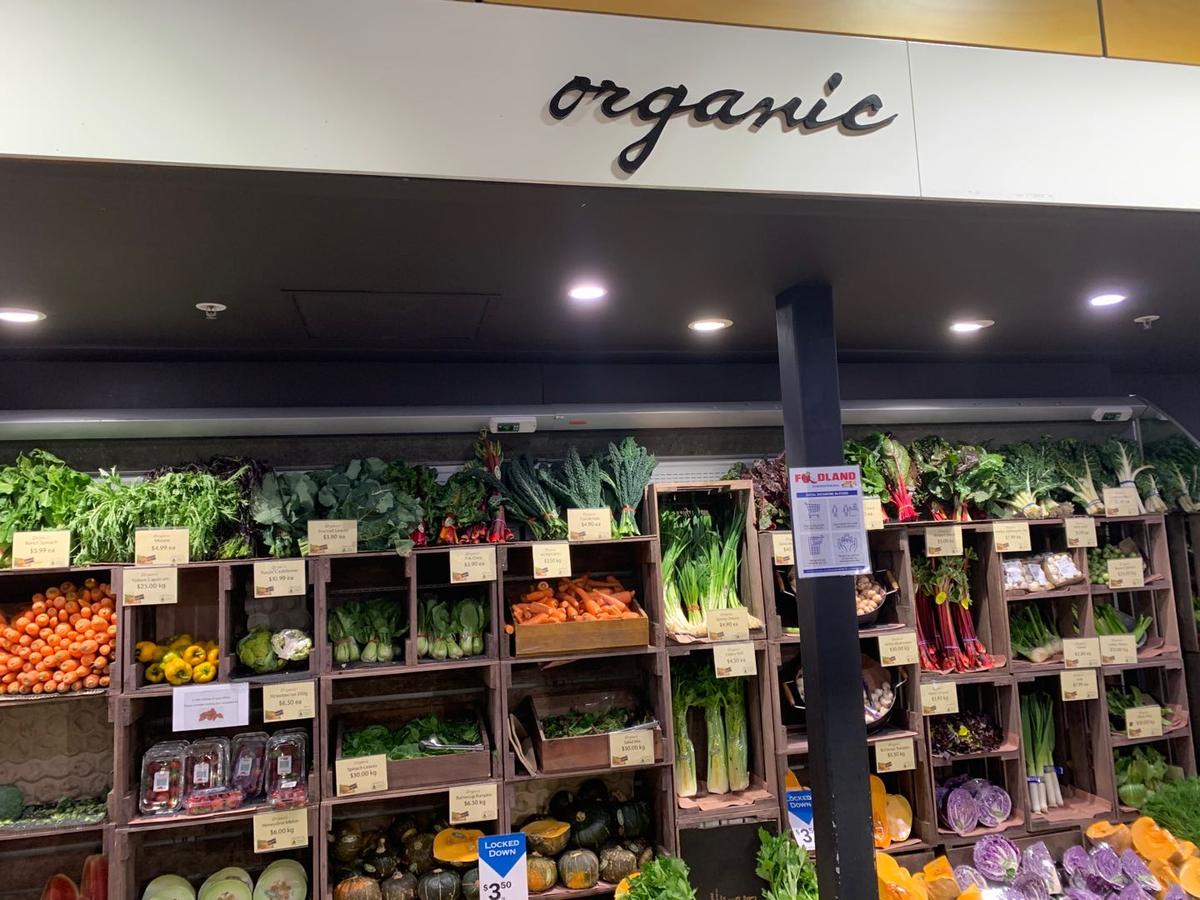

Australia Daily Travel Expenses
Your daily spend inside a city is predictable once you know the local friction points. A flat white coffee in Melbourne or Sydney costs AUD 4.50 to 5.50. A Modern Australian brunch of smashed avocado with feta and poached eggs on sourdough runs AUD 18 to 25. A chicken parmigiana at a pub costs AUD 22 to 28 and comes with salad or chips. Barramundi or Moreton Bay bugs at a mid range restaurant push dinner to AUD 35 to 45 per main.
What Costs More Than You Expect
Alcohol in licensed venues is the biggest shock. A pint of beer costs AUD 10 to 14 in a city pub due to high excise and service wages. A bottle of wine in a bottle shop costs AUD 12 to 20 for something drinkable, which is cheap relative to beer and spirits thanks to the Wine Equalisation Tax structure. Coffee and cafe breakfasts add up fast if you eat out every morning. Sunscreen and basic pharmacy items cost 30 to 50 percent more than in North America or Europe.
What Costs Less Than You Expect
Public barbecue facilities in parks and foreshores are free to use. Beach access, national park day use areas and coastal walks like the Bondi to Coogee walk cost nothing. Wine in bottle shops is a genuine bargain. The free tram zone in Melbourne and the Free Transit Zone in Perth let you see the city centre without paying a fare.
Australia Accommodation Cost Range
The accommodation tier gap in Australia is a structural cost, not a preference. A hostel dormitory bed in a backpacker hub like Sydney or Cairns costs AUD 30 to 45 per night. An unpowered campsite in a national park or caravan park costs AUD 15 to 25. A three to four star motel, hotel private room or serviced apartment costs AUD 130 to 250 per night in the same cities. The jump from dorm to private room is about AUD 100 per night and the jump from private room to anything with a kitchen or separate bedroom is another AUD 80 to 120.
This gap matters most in peak season. In December and February, a mid range motel near the beach in Sydney or Melbourne can hit AUD 300 to 400 per night. The same room costs AUD 140 to 180 in June and July. In the tropical north, the pattern reverses. A Cairns hotel costs AUD 180 to 220 in the dry season from May to October and AUD 100 to 130 in the wet season from November to April. Avoid late December to late January entirely. Prices triple and caravan parks fill with families.
Australia Domestic Flight Prices
Flying between cities is the real connective tissue of an Australia trip. Qantas, Virgin Australia and Jetstar operate a hub and spoke network that makes driving between capitals a multi day commitment. Sydney to Perth is a five hour flight. Driving Sydney to Cairns takes a minimum of three relentless weeks, not a casual week long holiday. You fly or you stay local.
A one way flight between two state capitals costs AUD 120 to 250 in low season if you book two to three months ahead. The same flight costs AUD 350 to 600 in the December to February peak or during school holiday surges around Easter, late June to mid July and late September to early October. Jetstar is the low cost carrier but its base fare excludes checked luggage, seat selection and any food. Virgin Australia and Qantas include a carry on bag and a snack. For routes to remote areas like the Kimberley or Cape York, limited regional carriers charge AUD 400 to 800 one way and schedules are thin.
Cheaper Ground Options
For budget travellers, the cheapest intercity option is a long distance coach. Greyhound Australia covers the east coast, Northern Territory and South Australia. Firefly Express runs Melbourne, Sydney and Adelaide. A Melbourne to Sydney coach costs AUD 60 to 90 and takes 12 hours. That is a full day you could have spent on the ground. For mid range travellers, flying is worth the premium because every day in Australia is expensive and a 12 hour bus ride is a lost day of sightseeing.
The Pre-Book Costs That Ambush First-Timers
Several mandatory expenses arrive before you leave home and they do not show up on a daily budget spreadsheet. An entry visa is required for almost every passport. EU, US, UK and Canadian passport holders need an Electronic Travel Authority subclass 601 obtained via the Australian ETA app. Indian, Chinese and Indonesian passport holders need a Visitor visa subclass 600 from the Department of Home Affairs. New Zealand passport holders get a Special Category Visa subclass 444 on arrival. Apply early. Visa processing can take weeks for some nationalities.
Uluru Kata Tjuta National Park requires a paid pass. Kakadu National Park requires a separate pass. Both cost roughly AUD 40 per adult for a three day entry. A Great Barrier Reef trip from Cairns or the Whitsundays costs AUD 180 to 280 for a full day outer reef experience including snorkel gear and lunch. A Sydney Harbour Bridge climb costs AUD 200 to 380 depending on time slot and requires booking weeks ahead. A whale shark swim at Ningaloo Reef costs AUD 350 to 500 and must be booked months ahead for the March to August season. The Overland Track in Tasmania requires a permit and a ballot system. These are not optional extras. They are the reason you came. Budget for them before you book flights.
.jpg)
Seasonal Price Swing Multiplier
Australia has three distinct seasonal patterns that run at the same time. The southern capitals of Sydney, Melbourne, Adelaide, Perth, Hobart and Canberra peak in summer from December to February with perfect beach weather and the highest accommodation prices. The tropical north of Darwin, Cairns and Broome peaks in the dry season from May to October with lowest humidity and highest prices. The Red Centre of Uluru and Alice Springs peaks in the cooler months from April to September when daytime heat is tolerable.
Travel in the shoulder seasons of March to May or September to November and you pay moderate prices across most regions. The exception is the tropical north in November when the build up heat and humidity are punishing and cyclone season begins. Avoid late December to late January for travel within Australia. Prices triple. Caravan parks fill with families. Major events like the Australian Open in January, Vivid Sydney in May and June, and the Adelaide Fringe Festival in February and March lock up accommodation and push rates higher. Check the event calendar for your dates before you set a budget.
Getting Around Without Wasting Money
Public transport within cities requires a local contactless transit card. Sydney uses the Opal card. Melbourne uses myki. Brisbane uses go card. Adelaide uses metroCARD. Perth uses SmartRider. Canberra uses MyWay. The single biggest trip up is assuming you can tap a foreign bank card directly on readers. Most systems still require the local card or a topped up account. Buy the card at the airport train station or a convenience store and load a small amount. Daily fare caps keep costs low if you stay within one city.
Fuel And Rental Drop Off Fees
For road trips, fuel costs more in remote and regional areas than in capital cities. Petrol prices follow a weekly cycle in major cities and are cheapest on Tuesday and Wednesday. Service stations can be 200 to 300 kilometres apart on inland routes. Running out of fuel is a genuine survival risk, not an inconvenience. Fill up whenever you pass a town with a station. One way vehicle rentals between distant cities incur large drop off fees. If you fly into Sydney and want to drive to Melbourne and fly home, the drop off fee can add AUD 200 to 400 to the rental cost.
Common Questions
What is the cheapest way to get between cities in Australia?
Long distance coaches from Greyhound Australia or Firefly Express are the cheapest option. Melbourne to Sydney costs AUD 60 to 90 and takes 12 hours. Flights from Jetstar, Virgin Australia or Qantas cost more but save a full day of transit. For budget travellers, the coach works if you have more time than money. For mid range travellers, the flight is worth the extra cost.
How much does a hostel dorm bed cost in Australia?
A hostel dormitory bed in a major city or backpacker hub costs AUD 30 to 45 per night. Unpowered campsites in national parks and caravan parks cost AUD 15 to 25 per night. Prices rise by 30 to 50 percent in peak season from December to February in the south and from May to October in the tropical north.
Do I need a visa to visit Australia?
Yes. EU, US, UK and Canadian passport holders need an Electronic Travel Authority subclass 601 obtained via the Australian ETA app. Indian, Chinese and Indonesian passport holders need a Visitor visa subclass 600 from the Department of Home Affairs. New Zealand passport holders get a Special Category Visa subclass 444 on arrival. Apply early.
Is it cheaper to travel Australia in summer or winter?
It depends on the region. The southern capitals of Sydney, Melbourne and Adelaide are cheapest in winter from June to August when temperatures are cool and wet. The tropical north of Darwin and Cairns is cheapest in the wet season from November to April when humidity and rain are high. The Red Centre is cheapest in summer from December to February when daytime heat is extreme.
What is the biggest unexpected cost for visitors to Australia?
Alcohol in licensed venues. A pint of beer costs AUD 10 to 14 in a city pub. Coffee and cafe breakfasts also add up fast. Sunscreen and basic pharmacy items cost 30 to 50 percent more than in North America or Europe. Flights between capitals are the single largest budget line item for most trips.
Read next
-
 Staying Connected Across Australia eSIM and Local SIM Options
Choose between eSIM convenience and Telstra's unmatched Outback coverage—the connectivity decision that shapes your entire Australia trip.
Staying Connected Across Australia eSIM and Local SIM Options
Choose between eSIM convenience and Telstra's unmatched Outback coverage—the connectivity decision that shapes your entire Australia trip.
-
 Best Time to Visit Australia by Region and Season Reality
Australia's south runs on a four-season calendar opposite the northern hemisphere, while the tropical north operates on wet and dry.
Best Time to Visit Australia by Region and Season Reality
Australia's south runs on a four-season calendar opposite the northern hemisphere, while the tropical north operates on wet and dry.
-
 Getting Around Australia, Why Flying Is the Real Connective Tissue
Domestic flights connect Australia's cities; driving between them eats days. Local transit cards still require a separate purchase, and inland fuel stops are
Getting Around Australia, Why Flying Is the Real Connective Tissue
Domestic flights connect Australia's cities; driving between them eats days. Local transit cards still require a separate purchase, and inland fuel stops are
-
 Australia Visa Requirements and the ETA Process Most Visitors Need
Australia has no visa-on-arrival. Every visitor needs electronic authorisation before boarding, and the ETA app is the only official channel for most passport
Australia Visa Requirements and the ETA Process Most Visitors Need
Australia has no visa-on-arrival. Every visitor needs electronic authorisation before boarding, and the ETA app is the only official channel for most passport
-
 Paying for Things in Australia, Cards, Cash and When Surcharges Appear
Australia runs on contactless cards, but public holiday surcharges of 10-15% catch visitors off guard.
Paying for Things in Australia, Cards, Cash and When Surcharges Appear
Australia runs on contactless cards, but public holiday surcharges of 10-15% catch visitors off guard.
-
 Australia Safety Advice Without the Hype, Sun, Surf and Distance Risks
The real risks in Australia are sunburn in 15 minutes, rip currents at unpatrolled beaches, and running out of fuel inland.
Australia Safety Advice Without the Hype, Sun, Surf and Distance Risks
The real risks in Australia are sunburn in 15 minutes, rip currents at unpatrolled beaches, and running out of fuel inland.
-
 A Ground-Level Logistics Guide to Independent Travel in China
First-time independent travel in China: what you need to know about visas, rail booking, eSIMs, mobile payments, and power adapters.
A Ground-Level Logistics Guide to Independent Travel in China
First-time independent travel in China: what you need to know about visas, rail booking, eSIMs, mobile payments, and power adapters.
-
 How Solo Travelers Stay Ahead of Flight Delays and Cancellations
How solo travelers can track inbound aircraft, claim rebooking rights, and adjust ground transport when flights go wrong — step by step.
How Solo Travelers Stay Ahead of Flight Delays and Cancellations
How solo travelers can track inbound aircraft, claim rebooking rights, and adjust ground transport when flights go wrong — step by step.
-
 Why Your eSIM Might Not Work Abroad and How to Check Before You Go
Buying an eSIM doesn't guarantee signal abroad. Learn why coverage fails by location and how to verify reach before you commit to a plan.
Why Your eSIM Might Not Work Abroad and How to Check Before You Go
Buying an eSIM doesn't guarantee signal abroad. Learn why coverage fails by location and how to verify reach before you commit to a plan.