Understanding Your New York State Trip Cost
Fall foliage lodging in the Adirondacks books out months ahead and spikes hard. Thruway tolls add up silently.
The Shape of a New York State Travel Budget
Most travelers planning a New York State trip try to pin it to a single dollar figure. That misses the point. A budget for New York State is not a number but a shape, one that curves sharply in August, spikes in October, and flattens on a Tuesday in March. The real pressure points are not prices you can look up once. They are the structural costs that shift with season and location: peak foliage lodging that books out months ahead, rental plate billing fees from cashless tolls, closed attractions that compress your spend into fewer days, and scarce parking that turns a modest entry fee into a 40 minute hunt. Understanding that shape matters more than any price list, because prices change and the shape stays.
Why a Dollar Figure Fails You
The state spans 54,555 square miles. The drive from Manhattan to Niagara Falls is over 400 miles each way. A per diem number that works in Rochester collapses in the Hamptons, and one that works midweek in Buffalo fails in Lake Placid on a summer Saturday. The largest cost driver varies by region: in New York City and Long Island it is lodging; in the Adirondacks and Catskills it is the rental car and its fuel; in the Catskills and Greater Niagara it is resort fees, which are often excluded from advertised room rates and added at booking. Sales tax ranges from 4% to 8.875% depending on the county, and an additional lodging tax of 3% to 6% applies on room rates, varying by municipality. Those add a layer of cost that a single number cannot capture.

Upstate New York Lodging Prices: the Shape of Season
Two Seasonal Crests
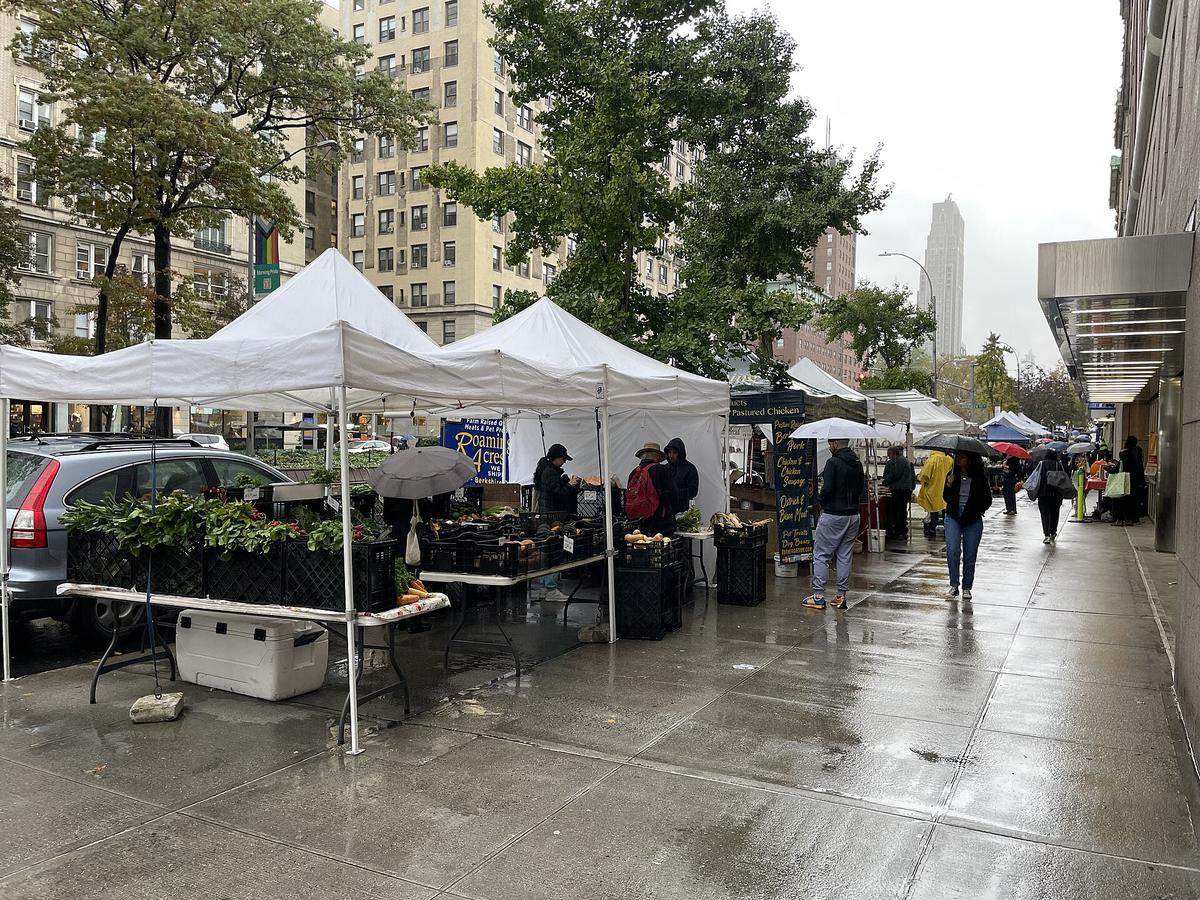
Lodging prices across the northern and western parts of the state are not a range. They are a wave, with two distinct crests. The first crest runs from late September through October, when fall foliage in the Adirondacks, Catskills, and Hudson Valley drives demand hard. In the Adirondacks and Hudson Valley, lodging books out months ahead for those October weekends, and rates climb steeply. The second crest is July and August, when lakeside towns and state parks fill. Summer weekend rates in Lake Placid and the Hamptons form their own tier, significantly higher than the same room Tuesday through Thursday.
When Rates Drop
The seasonal troughs matter more to a budget. Late winter in the Adirondacks and Catskills, outside ski holidays, drops rates substantially. Midweek year round in Greater Niagara and Chautauqua Allegheny offers the best value. Late autumn and early spring on Long Island also fall into a lower cost window. For a road tripper who can shift their timing, the difference between an October Saturday and an October Tuesday can be double the room rate for the same bed.
New York State Thruway Toll Costs: the Silent Accumulator
The New York State Thruway spans from New York City to Buffalo. It is cashless. That means no toll booth hands you a receipt and no immediate charge appears on your rental car invoice. Instead, the system photographs your license plate and bills the rental agency, which then charges your credit card plus a processing fee. Those processing fees add up fast without an E ZPass. A visitor driving Albany to Buffalo and back, with the Thruway tolls, plus Hudson River crossings south of Albany, plus MTA bridge and tunnel tolls, can face a toll bill before the rental agency adds its own administrative charge. The simplest fix is to get an E ZPass transponder at the rental counter. It saves both time and money because E ZPass rates on the Thruway are lower than plate billing rates.
Niagara Falls State Park Admission: Low Fee, High Pressure
Niagara Falls State Park admission is modest. The state charges a vehicle use fee during the fee season, which runs late spring through early autumn. The number is not the problem. The problem is parking. The park's lots fill early on summer weekends and peak fall days, and the search for a space can take 30 to 45 minutes. That search time compresses your day and pushes you toward paid lots further from the entrance, which charge more. Arrive before 9 a.m. or visit midweek. The park is in Greater Niagara, an area where midweek rates are consistently lower year round, and that applies to parking availability as much as to hotel rooms. For the Maid of the Mist boat ride, the essential experience, budget for a 20 minute wait in peak season on top of the ride itself.
Lake Placid Hotels Summer Rates: the Weekend Tier
Lake Placid hotels create a sharp weekend premium. A room that costs one figure on a Tuesday in July can cost nearly double on the following Saturday. The Olympic town fills with families escaping downstate heat and with athletes training at the Lake Placid Olympic Sites. The premium applies to the bobsled run tours, the 1980 rink tour, and the Whiteface Veterans Memorial Highway drive up the Adirondack summit. To avoid the spike, arrive Sunday and depart Thursday. Avoid the last two weeks of July entirely, when the Ironman triathlon draws thousands of athletes, sends hotel rates to their annual peak, and makes dining reservations impossible without a 60 day lead. For the High Falls Gorge day trip from Lake Placid, similarly, morning arrival beats noon in both crowd level and parking ease.
What You Actually Spend On: the Unexpected Expensives
Parking
In New York City, Long Island beach towns, and Hudson Valley villages, parking is the line item that quietly inflates. In the Hamptons, limited parking permits restrict where you can leave a car. On Fire Island, there is no bridge: access requires a ferry or a limited parking permit, and the ferry charges per passenger and per vehicle. Budget for parking as a separate cost, not an incidental.
Tolls
Beyond the Thruway, Hudson River crossings south of Albany are tolled, and MTA bridges and tunnels are cashless. A day trip from Manhattan to Storm King Art Center involves two Hudson River crossing tolls. A loop from Albany to Lake Placid and back adds Thruway tolls in both directions.
Resort Fees
Common at hotels in resort areas and casino properties, these are charged per night and often excluded from the advertised rate. They add a nightly charge on top of the room rate. Ask for the out the door price including tax plus resort fee before you book.
-L1006220.jpg)
How Monday and Tuesday Reshape Your Week
Outside peak summer, many attractions across the northern regions close entirely on Mondays and Tuesdays. This includes wineries in the Finger Lakes, smaller museums in the Hudson Valley, and some state park facilities. The result is that your meal and activity spend compresses into the remaining days. A five day trip that hits two closed days forces you to eat out more on the other three and to cover more ground on fewer activity hours. Check the individual listing for each destination on your itinerary. The Corning Museum of Glass is open daily, but FDR Presidential Library in Hyde Park requires advance booking for guided tours and closes on certain Mondays. The Chautauqua Institution, a gated lakeside community with a summer lecture series, operates on a specific session schedule. Losing a day to a closed attraction in the Catskills or Central New York can mean a 90 minute drive to the next open option. Build your itinerary around open days first, then fit in driving.
Downstate Metro Costs Versus Upstate Small Town Cash Only
The Cost Contrast
The cost contrast within New York State is extreme. Downstate, dining is highest in New York City and the Hamptons. Fuel is higher in New York City and Long Island than in the northern counties. Attractions in New York City charge admission; many museums and historic sites elsewhere in the state are donation based or free. But the northern regions have their own cost shape.
Cash, Fuel, and Signal
In small towns in the Finger Lakes and Chautauqua Allegheny, farm stands operate cash only. Gas stations vanish for long stretches in the Adirondacks and Catskills. Cell service disappears in the Adirondack High Peaks, Catskills, and rural Tug Hill Plateau. You need cash for the farm stand, a full tank for the drive, and offline maps downloaded before you enter any state park interior. The lowest dining costs in the state are in Central New York and Chautauqua Allegheny, where a plate of salt potatoes or a Garbage Plate in Rochester costs a fraction of a meal in the Hudson Valley. But that lower cost comes with the requirement to plan for stretches where there is nothing at all.
The One Thing Most Often Goes Wrong
Visitors try to see both New York City and the entire northern region in a single week. The state is 54,555 square miles. The drive from Manhattan to Niagara Falls is over 400 miles, each way. That leaves no time for the Adirondacks, the Finger Lakes, or the Hudson Valley. The minimum recommendation is 10 days, and even that forces you to choose between the Adirondacks, Finger Lakes, and Hudson Valley because the driving distances between them consume whole mornings. Pick one region outside the city. Spend your time there. Leave New York City for a separate trip, or add it as a two day bookend at the start or end. The shape of a New York State trip cost is manageable when you stay in one region and flatten your weekly pattern to midweek travel. Trying to do everything in one run is what breaks both the budget and the trip.
Common Questions
Do I need to bring cash for upstate New York?
Yes. Many farm stands in the Finger Lakes and rural Chautauqua Allegheny region operate cash only. Gas stations, too, are sparse in the Adirondacks and Catskills, and some smaller stores do not accept cards. Carry small bills for a driving day.
How early should I book lodging for October foliage season?
Book by the previous January for October weekends in the Adirondacks, Hudson Valley, and Catskills. Weekends fill first. Midweek October dates are more available but still book three to four months ahead. The best rooms in Lake Placid and Hudson Valley inns are gone by March.
Are museums and wineries open on Mondays upstate?
Many are closed on Mondays and Tuesdays outside peak summer. The Corning Museum of Glass is open daily. Winery tasting rooms in the Finger Lakes close two to three days a week outside July and August. Verify each listing before building your itinerary.
What is the cheapest time to visit the Adirondacks?
Late winter, outside the ski holiday weeks in February, is the lowest rate period. Hotel rates drop sharply after mid March through late April, but that is mud season, when hiking trails close because of saturated ground and grey weather. Midweek in May, before Memorial Day, offers a better balance of price and usability.
How do I avoid rental car plate billing fees for tolls?
Rent the car with an E ZPass installed, or buy a transponder at the rental counter. Without one, the cashless toll cameras photograph your plate, the rental agency receives the bill, and the agency charges your card plus a processing fee per transaction. E ZPass rates on the Thruway are also lower than plate billing rates.
Read next
-
 Best Time to Visit New York State What Each Season Actually Does
Late September through October delivers the foliage. July and August open the lakes. Late March through mid-April shuts the trails, and black flies own June.
Best Time to Visit New York State What Each Season Actually Does
Late September through October delivers the foliage. July and August open the lakes. Late March through mid-April shuts the trails, and black flies own June.
-
 Getting Around New York State Where a Rental Car Stops Being Optional
Metro-North and the LIRR work until Poughkeepsie and Montauk. Beyond that, New York State demands a car, an E-ZPass, and offline maps for the dead zones.
Getting Around New York State Where a Rental Car Stops Being Optional
Metro-North and the LIRR work until Poughkeepsie and Montauk. Beyond that, New York State demands a car, an E-ZPass, and offline maps for the dead zones.
-
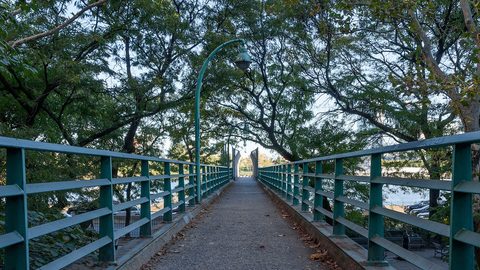 Practical Safety in New York State Without the Scaremongering
Lake-effect snow shuts interstates in minutes. Adirondack cell dead zones are vast. Black flies need head nets. This is about terrain and weather, not crime.
Practical Safety in New York State Without the Scaremongering
Lake-effect snow shuts interstates in minutes. Adirondack cell dead zones are vast. Black flies need head nets. This is about terrain and weather, not crime.
-
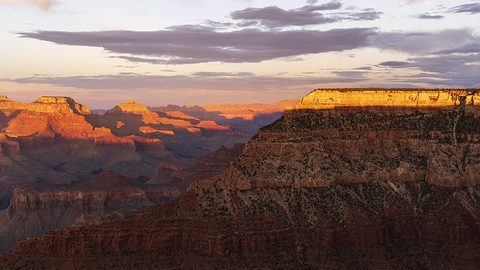 United States Travel Guide for First-Timers Who Want the Real Picture
The United States delivers extraordinary geographic and cultural variety, but its sheer scale, car dependency, and tipping economy surprise first-timers. Start here.
United States Travel Guide for First-Timers Who Want the Real Picture
The United States delivers extraordinary geographic and cultural variety, but its sheer scale, car dependency, and tipping economy surprise first-timers. Start here.
-
 Staying Connected While Traveling Through the United States
Prepaid eSIMs work well in US cities, but a physical T-Mobile or AT&T SIM bought at arrival gives better rural coverage for national parks and long highway drives.
Staying Connected While Traveling Through the United States
Prepaid eSIMs work well in US cities, but a physical T-Mobile or AT&T SIM bought at arrival gives better rural coverage for national parks and long highway drives.
-
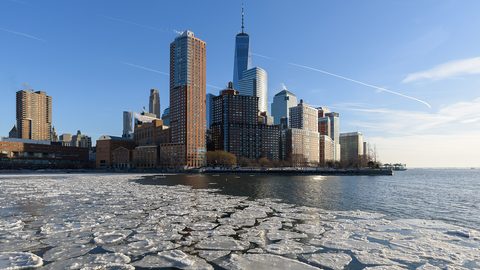 Best Time to Visit the United States by Region and Season
The United States spans so many climates that no single season works everywhere. Here is what each region delivers, and when to stay away.
Best Time to Visit the United States by Region and Season
The United States spans so many climates that no single season works everywhere. Here is what each region delivers, and when to stay away.
-
 Getting Around the United States Without Underestimating the Distances
Outside the Northeast Corridor, the United States runs on cars and domestic flights. Distances are enormous and Amtrak is scenic but slow.
Getting Around the United States Without Underestimating the Distances
Outside the Northeast Corridor, the United States runs on cars and domestic flights. Distances are enormous and Amtrak is scenic but slow.