The Best Time to Visit Upstate New York
Late September through October delivers the foliage. July and August open the lakes. Late March through mid-April shuts the trails, and black flies own June.
When to Go to New York State, Season by Season
You are standing at the Ausable Chasm in late September. The sandstone gorge is lit orange, red, and yellow from the birch and maple canopy above. The trail is empty because the summer crowds left after Labor Day and the leaf peepers have not yet found the dates. This is the best time to visit upstate New York, and the window is narrower than you think.
New York State covers 141,300 km2 (54,555 sq mi), from the Atlantic coast of Long Island to the Lake Erie shore at the Pennsylvania line. The drive from Montauk Point to Chautauqua County is roughly 640 km (400 mi). The climate zones shift from humid subtropical in the New York City coastal fringe to warm summer humid continental across most of the state. That means four distinct seasons, but they arrive on different dates depending on whether you are in the High Peaks at 1,629 m elevation or the Hudson Valley at sea level. You cannot pick one month and call it done. You pick by what you want to do, and you avoid the windows that will shut your plans down.
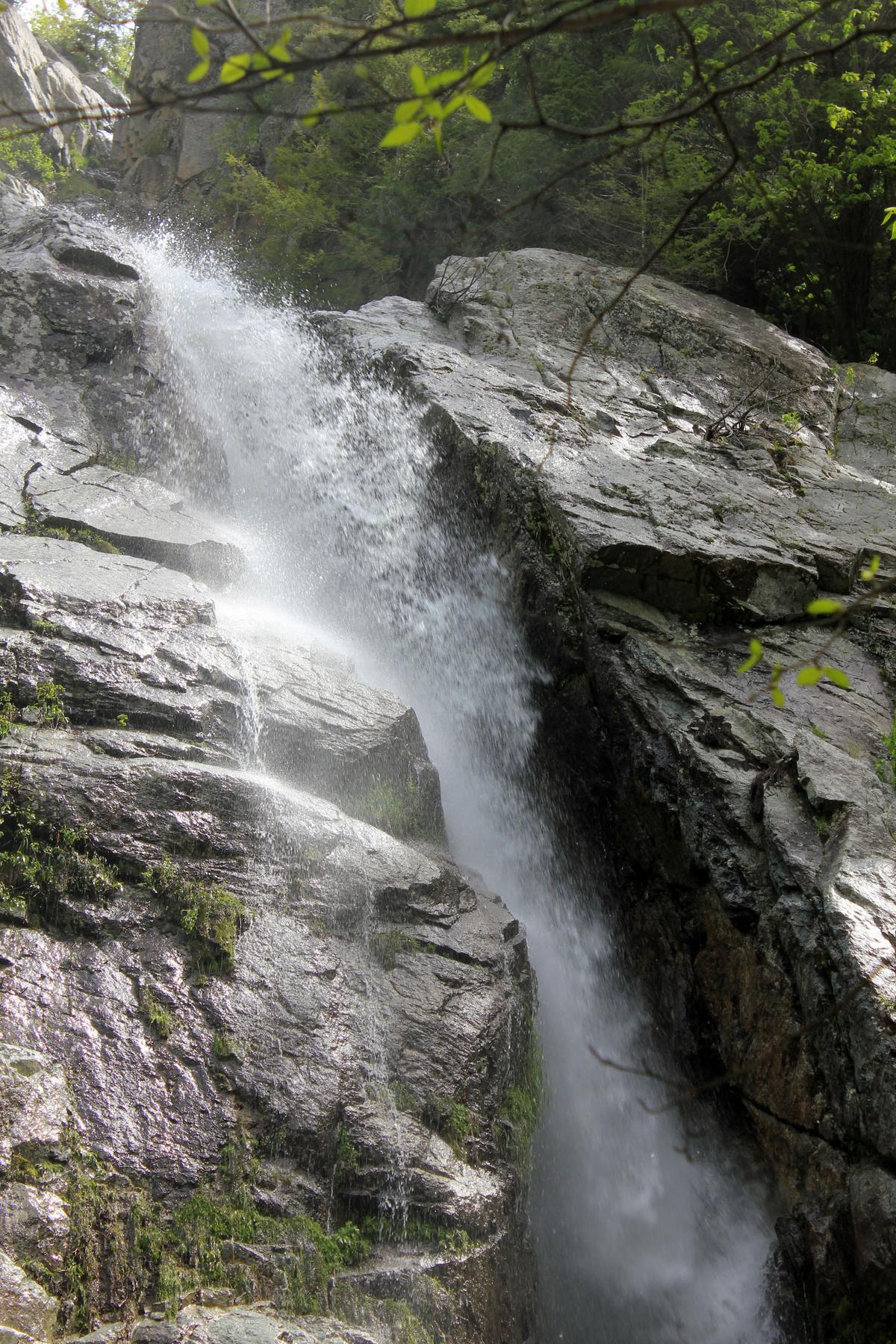

New York State Fall Foliage Peak
Late September into October is the reason people drive across the state. The foliage starts in the High Peaks around the third week of September, where elevation and latitude push the color change earlier than anywhere else. Mount Marcy at 1,629 m turns first. The peak color window per location lasts two to three weeks. By the first week of October, the Catskills are at their best. By mid October, the Hudson Valley river towns like Hyde Park and the drive up to Olana State Historic Site are lit. The Finger Lakes vineyards around Seneca Lake peak in the same window, with grape pie from Naples in season and the wine harvest running into mid autumn for late harvest varieties.
The failure case is booking the wrong week. If you aim for the High Peaks in the third week of October, you have missed it. Leaves are on the ground. Book accommodation by August. Lodging in Lake Placid and the Hudson Valley fills months ahead. The New York State Thruway I 87 and the scenic roads across the Catskills jam on weekends. Arrive on a Tuesday. Leave on a Thursday. That is how you see peak foliage without sitting in stopped traffic.
July and August for Lakeside Towns and State Parks
Summer is the season of full access. Every attraction operates. The Maid of the Mist boat at Niagara Falls State Park runs daily. Boldt Castle in the Thousand Islands is open. The Saratoga Race Course holds its annual meet from mid July to Labor Day. The Chautauqua Institution runs its nine week summer program from late June to late August. Daytime highs in the Finger Lakes and Hudson Valley hit 26°C to 31°C (78°F to 88°F). Lake Ontario and Lake Erie water temperatures are warm enough for swimming by late July.
Beat the Parking Crunch
The problem is parking. State parks like Watkins Glen State Park, Letchworth State Park, and the trailheads in the High Peaks fill by 08:00. If you arrive at 10:00 on a Saturday in August, you are circling for an hour or you are parked a mile down a two lane road. The solution is to arrive by 07:30, enter by the main gate, and hike early. After 13:00 the crowds are dense and the humidity makes the stone staircases at Watkins Glen slick and slow. Book lodging in Ithaca or Lake Placid by March for July and August dates. The three holiday weekends Memorial Day, July 4th, and Labor Day turn I 87 into a parking lot. Avoid them or travel at night.
| Season | What Is Open | What Is Closed | Crowd Level | Lodging Price |
|---|---|---|---|---|
| Fall foliage (late Sep Oct) | All state parks, wineries, historic sites, scenic drives | Some seasonal boat tours end in Oct | High in foliage zones, low elsewhere | Peak rates, book 3 months ahead |
| Summer (Jul Aug) | Every attraction, festivals, farmers markets, boat tours | Nothing major, but some small museums close Mon Tue | Highest statewide | Peak rates, book 6 months ahead for popular towns |
| Winter (Dec Feb) | Ski resorts, snowmobile trails, Lake Placid Olympic sites | Boldt Castle, Cave of the Winds, many wineries and museums | Low in non ski regions, moderate in mountain towns | Lowest rates in cities, high in ski towns |
| Spring shoulder (May Jun) | Waterfalls at peak flow, wineries, historic homes | Mud season trails in High Peaks and Catskills | Low | Moderate, book 1 month ahead |
When You Should Absolutely Not Go
The avoid windows in New York State are not negotiable. If you hit them, your trip will be defined by what you cannot do, not what you can.
Mud Season Trails: Late March to Mid April
The snowpack melts and the unpaved backcountry roads and trails in the High Peaks and Catskills become impassable. The New York State Department of Environmental Conservation issues trail closures or advisories for four to six weeks to prevent erosion. You can hike on pavement and a few low elevation trails, but the High Peaks, most of the Catskills interior, and the long distance paths are closed. The weather is grey and raw. Daytime highs stay between 14°F and 30°F. This is the lowest tourism season in the state for a reason. Skip it. Go in late May instead, after the ground drains.
Black Fly Season: Late May to June
The black fly hatch peaks during the late spring warm up. Hiking without a head net is miserable. The flies swarm exposed skin, and they are aggressive. The intensity declines by early summer, but if you are planning a backcountry trip in June, pack a head net and long sleeves treated with permethrin. The trade off is lower visitor density before the summer peak. If you can tolerate the insects, the waterfalls are at peak flow from snowmelt and the trails are empty.
Lake Placid Ironman Dates: Late July
The Ironman triathlon gridlocks Lake Placid for a full weekend. Roads close, lodging is booked months ahead at triple the normal rate, and even spectators struggle to move between venues. The exact dates shift each year. Check the Ironman website for the current schedule and avoid that weekend entirely. The alternative is the week before or the week after, when the town is quiet and the Olympic sites are accessible without queues.
Lake Effect Snow on I 90 and I 81
From November to March, lake effect snow squalls off Lake Erie and Lake Ontario can shut down I 90 and I 81 with minutes notice. The Tug Hill Plateau averages 200 to 300 inches of snow annually, the highest in the eastern US outside mountain peaks. If you are driving across the state in winter, check the New York State Thruway alerts before you depart. Carry a winter emergency kit. The squalls are localized; you can drive from Buffalo to Rochester in clear conditions and hit whiteout conditions at the Rochester line. The only safe move is to pull off at the next exit and wait it out.

Winter in the High Peaks and the Lake Effect Zones
Winter is for snow sports, not sightseeing. The High Peaks have deep snowpack by December. Lakes freeze solid. Secondary roads close and the snowmobile trail network activates. Daytime highs range from 14°F to 30°F, with nighttime lows dropping as low as minus 13°F. Whiteface Veterans Memorial Highway is weather dependent. The Lake Placid Olympic sites, including the bobsled run and the 1980 rink, operate year round.
The Finger Lakes vineyards go dormant. Most wineries close or operate reduced hours. Boldt Castle in the Thousand Islands is closed. Cave of the Winds at Niagara Falls closes due to ice buildup. Maid of the Mist suspends operations when ice conditions on the Niagara River make it unsafe. The Niagara Falls mist freezes on surfaces and park walkways may close. The advantage is the lowest lodging prices of the year and empty roads outside the ski zones. If you are not skiing or snowmobiling, stay home.
Who New York State is for and Who Should Skip it
New York State is for road trippers who want dramatic landscape shifts without crossing state lines. It is for outdoor enthusiasts who want serious hiking, skiing, or freshwater sailing. It is for culture lovers who want world class museums and music beyond Manhattan. It is for wine and farm to table food devotees who want to spend a week in the Finger Lakes or Hudson Valley. You need a minimum of ten days to cover the High Peaks, Finger Lakes, and Hudson Valley. The driving distances between them consume entire mornings. The drive from Manhattan to Niagara Falls is over 400 miles each way. You cannot see New York City and the entire upstate region in a single week.
It is not for travelers who equate New York solely with skyscrapers and nightlife and have no interest in small towns or wilderness. It is not for anyone seeking a cheap, compact destination where major sights cluster without long drives. It is not for anyone unwilling to rent a car. Public transit outside the downstate metro area is skeletal. Amtrak service between small upstate towns is infrequent, stations are often far from town centers, and delays are common. If you do not drive, you do not see upstate New York.
The single thing that most often goes wrong is underestimating the scale. First time visitors book a week and try to see the High Peaks, Finger Lakes, Hudson Valley, and Niagara Falls. They spend half their trip in the car and the other half regretting it. Pick one region. Give it the days it deserves. New York State will still be here next year.
Common Questions
Which month has the best fall foliage in the High Peaks?
The third week of September to the first week of October is the peak window at the highest elevations. The color moves downhill and south over the next two to three weeks. By mid October the leaves are past peak in the High Peaks.
When does mud season end in the Catskills?
By the first week of May, depending on snowpack depth and temperature. The New York State DEC posts trail status on their website. The ground needs four to six weeks to drain and dry after the snowmelt begins.
Can I visit Boldt Castle in winter?
No. Boldt Castle on Heart Island is open late spring to early autumn only. The St. Lawrence River freezes in channels and the seasonal businesses in the Thousand Islands are shuttered from November to April.
How bad are the black flies in the High Peaks in June?
Bad enough that hiking without a head net is a mistake. The peak hatch runs from late May to June. The intensity drops by early July. Pack a head net and permethrin treated clothing if you go in that window.
Is the Maid of the Mist running in October?
Usually yes, but the exact closing date depends on ice conditions on the Niagara River. The boat operates seasonally and suspends in November or December. Check the official Niagara Falls State Park site for the current year schedule.
Read next
-
 Getting Around New York State Where a Rental Car Stops Being Optional
Metro-North and the LIRR work until Poughkeepsie and Montauk. Beyond that, New York State demands a car, an E-ZPass, and offline maps for the dead zones.
Getting Around New York State Where a Rental Car Stops Being Optional
Metro-North and the LIRR work until Poughkeepsie and Montauk. Beyond that, New York State demands a car, an E-ZPass, and offline maps for the dead zones.
-
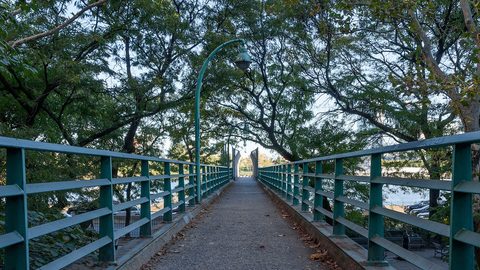 Practical Safety in New York State Without the Scaremongering
Lake-effect snow shuts interstates in minutes. Adirondack cell dead zones are vast. Black flies need head nets. This is about terrain and weather, not crime.
Practical Safety in New York State Without the Scaremongering
Lake-effect snow shuts interstates in minutes. Adirondack cell dead zones are vast. Black flies need head nets. This is about terrain and weather, not crime.
-
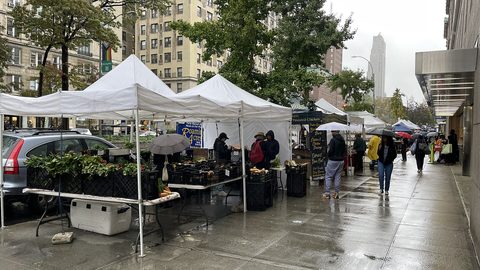 What New York State Costs in Shape Rather Than in Figures
Fall foliage lodging in the Adirondacks books out months ahead and spikes hard. Thruway tolls add up silently.
What New York State Costs in Shape Rather Than in Figures
Fall foliage lodging in the Adirondacks books out months ahead and spikes hard. Thruway tolls add up silently.
-
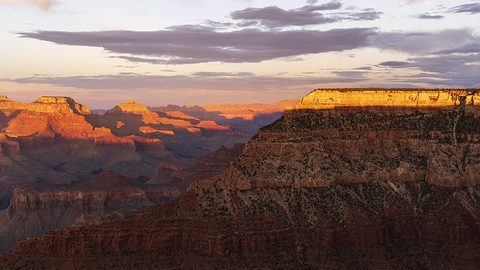 United States Travel Guide for First-Timers Who Want the Real Picture
The United States delivers extraordinary geographic and cultural variety, but its sheer scale, car dependency, and tipping economy surprise first-timers. Start here.
United States Travel Guide for First-Timers Who Want the Real Picture
The United States delivers extraordinary geographic and cultural variety, but its sheer scale, car dependency, and tipping economy surprise first-timers. Start here.
-
 Staying Connected While Traveling Through the United States
Prepaid eSIMs work well in US cities, but a physical T-Mobile or AT&T SIM bought at arrival gives better rural coverage for national parks and long highway drives.
Staying Connected While Traveling Through the United States
Prepaid eSIMs work well in US cities, but a physical T-Mobile or AT&T SIM bought at arrival gives better rural coverage for national parks and long highway drives.
-
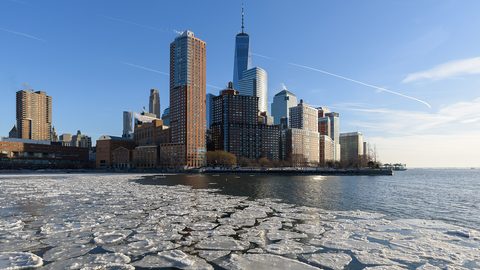 Best Time to Visit the United States by Region and Season
The United States spans so many climates that no single season works everywhere. Here is what each region delivers, and when to stay away.
Best Time to Visit the United States by Region and Season
The United States spans so many climates that no single season works everywhere. Here is what each region delivers, and when to stay away.
-
 Getting Around the United States Without Underestimating the Distances
Outside the Northeast Corridor, the United States runs on cars and domestic flights. Distances are enormous and Amtrak is scenic but slow.
Getting Around the United States Without Underestimating the Distances
Outside the Northeast Corridor, the United States runs on cars and domestic flights. Distances are enormous and Amtrak is scenic but slow.