Planning Around the Thailand Monsoon Season Guide for Each Coast
Thailand has two monsoons hitting opposite coasts at different times, plus a northern burning season. Match your beach to the right months or get rain.
When to Go to Thailand and What Each Season Does to Your Trip
Why The Two Coasts Decide Your Holiday
You step off the ferry on Ko Samui in late October and the sky opens. The rain does not fall in drops. It falls in sheets that flood the road to your hotel in ten minutes. That is the northeast monsoon hitting the Gulf of Thailand coast. Three hundred kilometres west, on Phuket, those same weeks are some of the best of the year, because the southwest monsoon has already stopped. This is the central fact this guide exists to fix: the two coasts have opposite weather calendars, and choosing the wrong one wastes your beach days.
Thailand Monsoon Season Guide: Two Coasts, Two Rain Patterns
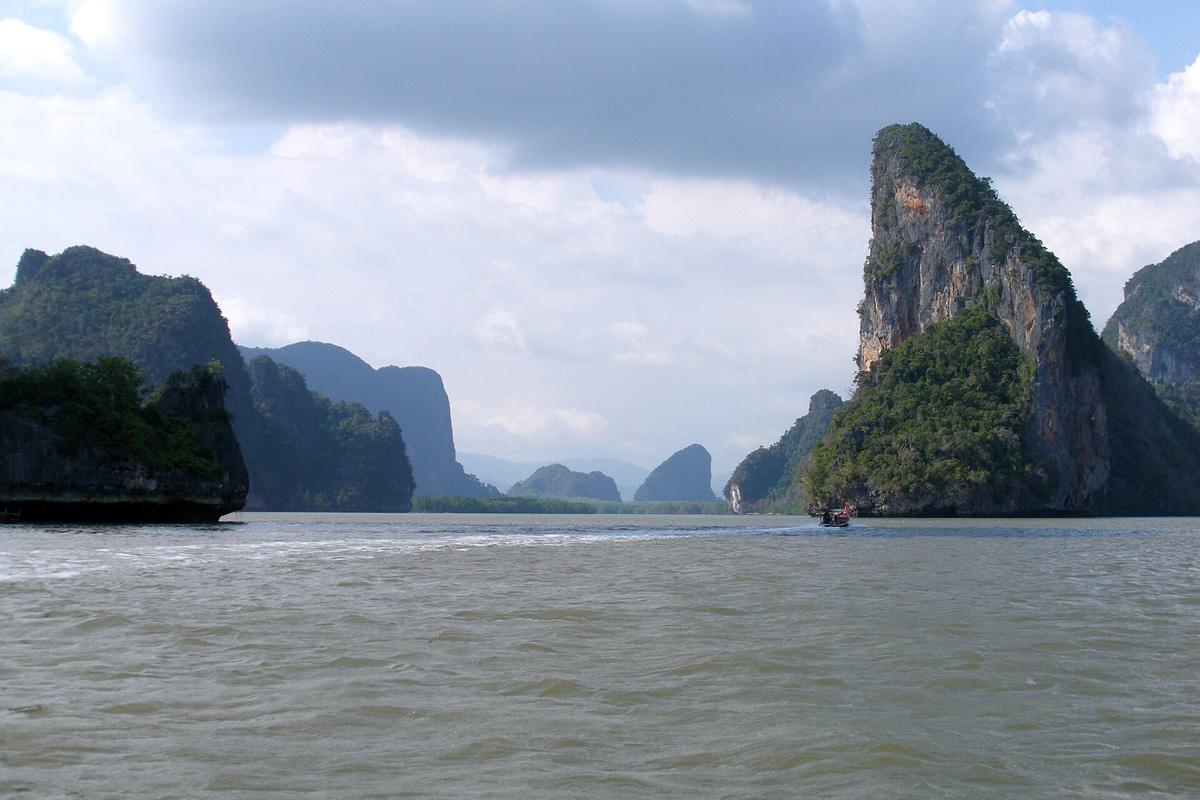
Thailand sits between two monsoon systems. The southwest monsoon hits the Andaman Sea coast from May to October. That means Phuket, Krabi, Koh Lanta, Koh Phi Phi, and the Similan Islands get heavy rain, rough seas, and frequent beach closures during those months. The northeast monsoon hits the Gulf of Thailand coast from October to December. That means Ko Samui, Ko Pha-ngan, and Koh Tao get their worst weather then, in the same months when the Andaman coast is at its best.
The result is that you can always find good weather somewhere, but you cannot visit both coasts in the same trip unless you time the shoulder windows carefully. The table below shows you the critical months for each coast.

| Region | Rainy Months | Dry Months | Peak Swell Risk |
|---|---|---|---|
| Andaman Coast (Phuket, Krabi, Koh Lanta) | May to October | November to April | June to September; strong rip currents |
| Gulf Coast (Ko Samui, Ko Pha-ngan, Koh Tao) | October to December | January to September | November; ferry cancellations common |
| Northern Thailand (Chiang Mai, Pai) | June to October | November to February | August to September; landslides on mountain roads |
| Central Thailand (Bangkok, Ayutthaya) | June to October | November to February | September to October; Chao Phraya flood risk |
Andaman Sea Monsoon
What Closes and When
If you book Phuket or Krabi between June and October, you are booking the southwest monsoon. During these months, many marine national parks close their islands for reef recovery. The Similan Islands shut entirely from mid-October to mid-May, so a June trip to the Similans is impossible. Maya Bay on Phi Phi Leh closes periodically for rehabilitation; check seasonal access before you book. Even on islands that stay open, ferry services reduce frequency. The Grab taxi app fails during heavy rain because drivers switch off surge pricing to negotiate cash fares directly.
Swimming Safety and Visibility
Swimming becomes dangerous between June and September. Strong rip currents are common and beach closures happen without warning. Swim in the Andaman Sea between November and April, when underwater visibility runs 15 to 30 metres and the seas are calm.
The April and May Shoulder
There is a shoulder period in April and May. The transition from dry to wet is gradual. Seas are still swimmable, rainfall is sporadic, and there are fewer visitors than in the peak dry months. If you can tolerate humidity and the risk of a few afternoon showers, those two months give you decent conditions without the November to February price surge.
Gulf of Thailand Rainy Season
Ferry Disruption and the Northeast Monsoon
Ko Samui and Ko Pha-ngan have their wettest months from October to December, with November as the peak. The northeast monsoon pushes rain against the east-facing shores of the Gulf of Thailand. During this window, ferry services from mainland piers at Surat Thani and Chumphon run reduced schedules. The speedboat to Ang Thong Marine Park may cancel entirely if the swell is high.
The Gulf Dry Window
The dry months on the Gulf coast are January to September, which is the opposite of the Andaman coast. The driest window on Ko Samui is February to April, the same months when northern Thailand is burning. That makes the Gulf a good option if you want beach weather in March or April, provided you are not bothered by the haze that drifts south from agricultural burning in the north.
September and October Compromise
There is a shoulder period in September and October on the Gulf coast. Rain increases but has not yet reached the November peak. If you want the lowest prices and can handle some wet afternoons, these two months offer a compromise.
Thailand Weather by Month: the Three Regimes
The Cool Dry Season
Understanding the weather means knowing there are three separate regimes, not one. The cool dry season runs November to February across most of the country. This is the peak season for a reason. Bangkok sees temperatures of 20 to 33°C with the lowest humidity of the year. Chiang Mai has cool mornings of 13 to 18°C in the valleys and warm afternoons of 28 to 32°C. The northeast monsoon brings dry, cooler air that makes outdoor exploration bearable.
The Hot Dry Season
The hot dry season runs March to May. Northern Thailand temperatures peak at 35 to 42°C. Central Thailand reaches 30 to 40°C, and the urban heat island effect in Bangkok adds 2 to 4°C on top of that. The northeast region of Isaan becomes the driest part of the country during this period, with temperatures hitting 35 to 43°C. This is also when the northern burning season starts.
The Rainy Season
The rainy season runs June to October in the north and centre. Afternoon downpours are common in central Thailand. The Chao Phraya river basin faces its highest flood risk in September and October. In the north, August and September bring peak rainfall that can trigger landslides, closing mountain roads. The vegetation is at its most lush, which is a consolation if you are willing to carry a rain jacket.

Thailand Burning Season North
The Smoke Problem
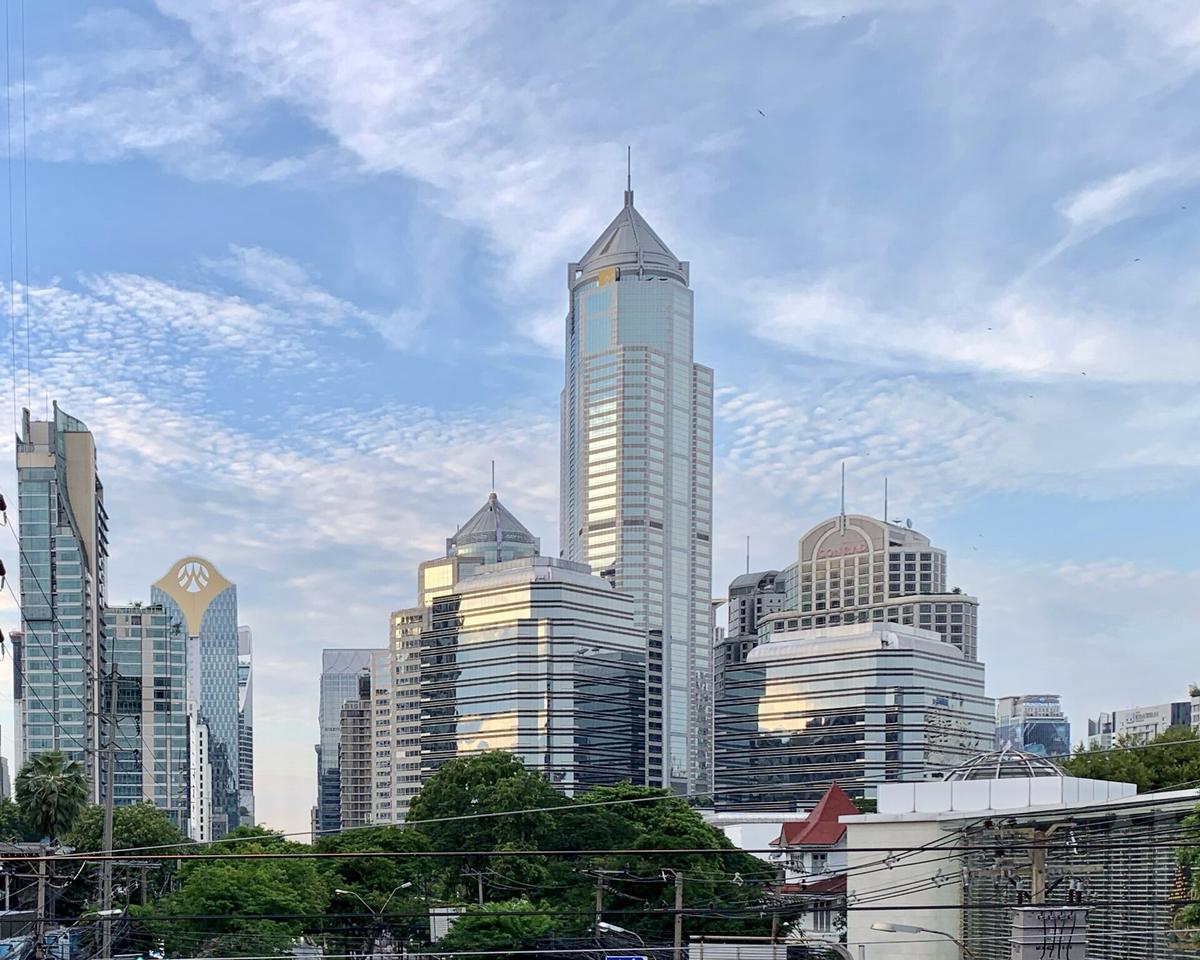
The burning season in the north runs from February to April and is a separate hazard from the monsoon. Farmers burn agricultural waste during this window, creating PM2.5 levels that make Chiang Mai one of the most polluted cities on earth. Air quality data from these months regularly ranks Chiang Mai above Beijing and Delhi. The haze reduces visibility, irritates lungs, and makes outdoor activities such as cycling through Sukhothai Historical Park or hiking Doi Inthanon unpleasant or unsafe.
Who Should Skip It
If you have asthma or any respiratory condition, skip northern Thailand entirely between February and April. The same applies if you are travelling with young children. The cool dry season in the north ends in February, so by March the combination of heat and haze makes temple hopping in 35°C humidity physically exhausting in a way that has nothing to do with the rain.
It Is Predictable, Not Hidden
The government travel advisories from the UK FCDO, US Department of State, Australian DFAT, and Global Affairs Canada all note the burning season in their advice. The haze is not a hidden problem. It is a predictable annual event that many first-time Asia backpackers do not anticipate because they look only at rainfall forecasts.
The Cool Dry Peak and the Price Surge
Why Peak Season Costs Double
The cool dry season from November to February is the sweet spot for most travellers. The northeast monsoon brings dry, cooler air across the north, centre, and the Andaman coast. The Gulf coast is wet during November and December, but the Andaman coast is at its best. The waterfalls at Erawan in Kanchanaburi are still flowing after the rainy season. The vegetation is green. The Doi Suthep pagoda above Chiang Mai has clear views.
The cost of this timing is severe. Flight and accommodation prices surge 50 to 100 percent compared to the rainy season. A hotel room that costs 1,500 baht in June will cost double or more in December. Domestic flights with AirAsia, Nok Air, and Thai Lion Air sell out weeks in advance. If you are flexible, the shoulder months of late October or early November give you decent weather at lower prices. The transition from rain to dry is not instant, but the crowds have not yet arrived.
The One Mistake That Wrecks a Trip
The single thing that most often goes wrong with timing is booking a beach holiday on the wrong coast for the month you choose. A traveller books Phuket for August because the flight is cheap, then spends a week watching rain from a hotel room. Another books Ko Samui for November because the airfare to Surat Thani is low, then cannot get a ferry to the island. The solution is not to avoid the rainy season entirely, but to match the coast to the monsoon. The Andaman coast is for November to April. The Gulf coast is for January to September. The north is for November to February. Follow those three rules and the monsoon calendar works for you, not against you.
Five Common Timing Questions
Can I visit both the Andaman coast and the Gulf coast in one trip?
You can, but only in the shoulder months of late October or early November, when the Andaman coast is emerging from its rainy season and the Gulf coast has not yet peaked. The nationwide shoulder period from late October to early November is the best compromise. Outside that window, one coast is likely to be in heavy rain while the other is dry.
When is the absolute best time to visit Thailand?
November to February is the peak season across most of the country. The northeast monsoon brings dry, cooler air. Temperatures in Bangkok stay between 20 and 33°C. Chiang Mai mornings are 13 to 18°C. The catch is that prices surge 50 to 100 percent during these months because they coincide with Western winter holidays.
What happens if I visit Phuket in August?
You will encounter the southwest monsoon at full strength. Expect heavy rain, rough seas, strong rip currents, and potential beach closures. Some marine national parks close their islands for reef recovery. Ferry services reduce frequency. The Grab app may fail during downpours. The Andaman coast is not unvisitable in August, but do not come expecting calm swimming conditions.
Is Ko Samui good in November?
No. November is the peak of the northeast monsoon on the Gulf coast. Rain is heavy and frequent. Ferries from Surat Thani and Chumphon cancel or run reduced schedules. If you want a beach holiday on Ko Samui, target February to April, which are the driest months on the Gulf coast.
Should I avoid Chiang Mai in March?
If you care about air quality, yes. The burning season runs February to April, and March is the worst month. PM2.5 levels become hazardous. Visibility drops. The heat is already high at 35 to 42°C. The combination of heat and smoke makes outdoor exploration unpleasant. If you must go, book accommodation with air conditioning and plan indoor activities.
Read next
-

 Staying Connected in Thailand With eSIM, Local SIM, or Roaming
Compare eSIM convenience against physical AIS and TrueMove tourist SIMs registered at Bangkok airports, and why Wi-Fi alone fails for Grab and translation.
Staying Connected in Thailand With eSIM, Local SIM, or Roaming
Compare eSIM convenience against physical AIS and TrueMove tourist SIMs registered at Bangkok airports, and why Wi-Fi alone fails for Grab and translation.
-
 Getting Around Thailand, VIP Buses, Budget Flights and Why the Map Lies
Thailand's transport map undersells mountain curves and island transfer times. How domestic flights, VIP buses and songthaews actually connect the country.
Getting Around Thailand, VIP Buses, Budget Flights and Why the Map Lies
Thailand's transport map undersells mountain curves and island transfer times. How domestic flights, VIP buses and songthaews actually connect the country.
-
 Thailand Visa Rules, Exemptions, Extensions and the Bureaucracy Explained
Which passports get visa-free entry to Thailand, how long you can stay, and the exact steps to extend at a Thai immigration office without getting fined.
Thailand Visa Rules, Exemptions, Extensions and the Bureaucracy Explained
Which passports get visa-free entry to Thailand, how long you can stay, and the exact steps to extend at a Thai immigration office without getting fined.
-
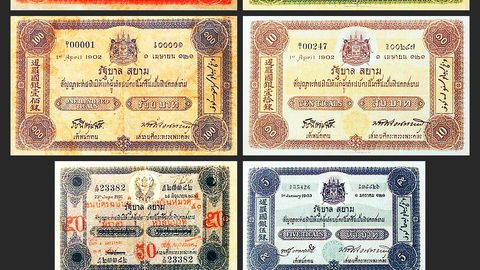 Money in Thailand, Baht, Cards and Where Cash Still Wins Every Time
Cash still rules half of Thailand. How Thai ATMs hit foreign cards, where to exchange baht without losing a chunk, and which situations demand physical money.
Money in Thailand, Baht, Cards and Where Cash Still Wins Every Time
Cash still rules half of Thailand. How Thai ATMs hit foreign cards, where to exchange baht without losing a chunk, and which situations demand physical money.
-
 Safety in Thailand, Reading the Advice Without the Hysterical Headlines
Road crashes are the real risk in Thailand, not the scams that dominate forums. How to read travel advisories and what insurance actually covers.
Safety in Thailand, Reading the Advice Without the Hysterical Headlines
Road crashes are the real risk in Thailand, not the scams that dominate forums. How to read travel advisories and what insurance actually covers.
-
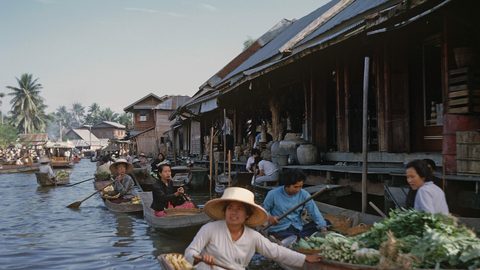 What a Thailand Trip Actually Costs and Where the Money Goes
A structural look at where money flows during a Thailand trip, from national park foreigner fees to the real cost of island-hopping by longtail boat.
What a Thailand Trip Actually Costs and Where the Money Goes
A structural look at where money flows during a Thailand trip, from national park foreigner fees to the real cost of island-hopping by longtail boat.
-
 How to Budget a Trip Based on Purchasing Power, Not Just Exchange Rates
Exchange rates tell only half the story. See how purchasing power shapes your real travel budget across Southeast Asia, Eastern Europe, and Latin America.
How to Budget a Trip Based on Purchasing Power, Not Just Exchange Rates
Exchange rates tell only half the story. See how purchasing power shapes your real travel budget across Southeast Asia, Eastern Europe, and Latin America.
-
 A Ground-Level Logistics Guide to Independent Travel in China
First-time independent travel in China: what you need to know about visas, rail booking, eSIMs, mobile payments, and power adapters.
A Ground-Level Logistics Guide to Independent Travel in China
First-time independent travel in China: what you need to know about visas, rail booking, eSIMs, mobile payments, and power adapters.
-
 How Solo Travelers Stay Ahead of Flight Delays and Cancellations
How solo travelers can track inbound aircraft, claim rebooking rights, and adjust ground transport when flights go wrong — step by step.
How Solo Travelers Stay Ahead of Flight Delays and Cancellations
How solo travelers can track inbound aircraft, claim rebooking rights, and adjust ground transport when flights go wrong — step by step.