Your Thailand Currency and Payment Guide for Every Situation
Cash still rules half of Thailand. How Thai ATMs hit foreign cards, where to exchange baht without losing a chunk, and which situations demand physical money.
How to Pay for Things Across Thailand Without Getting Caught Short
Most first time visitors assume credit cards work everywhere in Thailand. They do not. Cash is non-negotiable for at least half of what you buy every day. The question is where and at what cost.
The Thai baht (THB) circulates in banknotes of 20, 50, 100, 500 and 1,000 baht plus coins of 1, 2, 5 and 10 baht. The 25 satang and 50 satang coins still exist but you will rarely need them. Shops round to the nearest whole baht. Carry a mix of denominations. A 1,000 baht note is too large for a 60 baht bowl of noodles and many small vendors will wave it away.
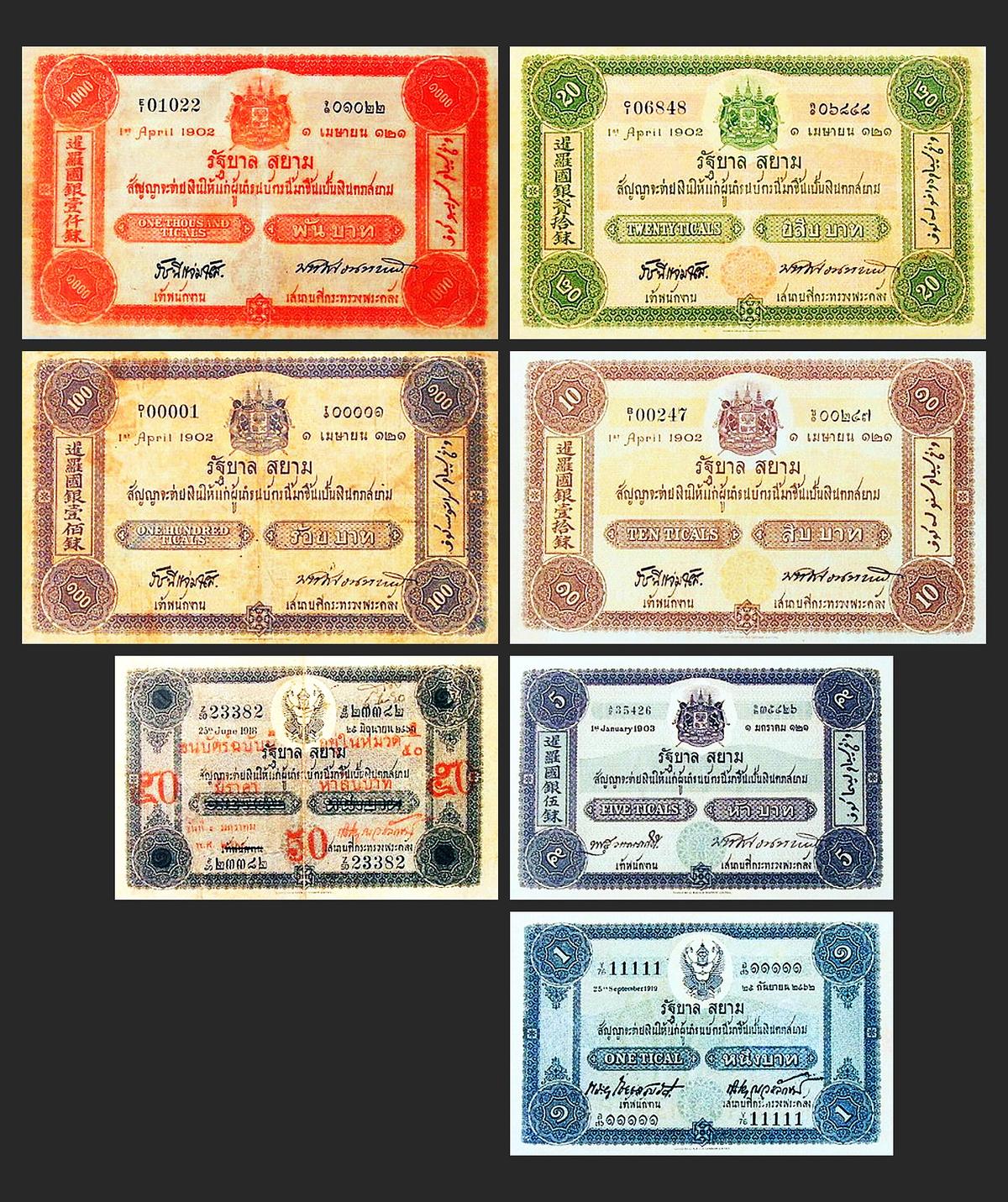

Thai Baht Cash vs Card: Where Each One Works
Where Cash Is the Only Way
Cash is the only option for songthaews, tuk tuks, street food stalls, night markets, family-run guesthouses and fresh markets in every province from Bangkok to Pai. A Chiang Mai noodle stall selling khao soi at 60 baht a bowl does not take a card. Neither does the Damnoen Saduak floating market vendor or the driver of the songthaew that takes you up Doi Suthep for 40 baht. Have enough cash on you for the whole day. Every day.
Where Cards Actually Work
Cards work at shopping malls, supermarkets like Big C and 7 Eleven, chain restaurants, hotels and most larger spas in tourist zones. 7 Eleven accepts contactless payments including Apple Pay and Google Pay. The Rabbit card works only for Bangkok's BTS Skytrain, not for buses or the MRT. PromptPay QR code payments have grown fast in cities but require a Thai bank account. You cannot scan and pay with a foreign card app. The shortcut for a tourist: cash for everything except malls and convenience stores.
ATM Fees Thailand: the Real Cost of Withdrawing Cash
Every foreign card withdrawal at a Thai ATM triggers a flat fee charged by the Thai bank. That is roughly USD 6.50 or GBP 5.00 per transaction. On top of that your home bank may charge its own foreign transaction fee of 2 to 3 percent. A single withdrawal of 30,000 baht, the maximum per transaction at most machines, costs you the same flat fee as a withdrawal of a few thousand baht. Take out the maximum each time to keep the fee percentage low.
ATMs are widespread in all provincial towns and tourist areas including Koh Pha Ngan and Pai. They dispense mostly 1,000 baht notes. The daily withdrawal limit is set by your home bank, not the Thai machine. Check that limit before you travel and request a temporary increase if needed.
When the ATM screen asks 'Continue in THB or your home currency?' always select THB. This is dynamic currency conversion. Choosing your home currency locks in a poor rate set by the local bank that adds 3 to 5 percent to the cost. Decline the conversion and let your own bank set the rate.
Money Exchange Bangkok: Where to Get the Best Rate
SuperRich and the Competition
The best cash rate in Bangkok comes from SuperRich booths. They operate multiple branches across the city including locations near Suvarnabhumi Airport, along Sukhumvit Road, and in the Chatuchak area. The orange SuperRich offers slightly better rates than the green one. Rates update daily and are posted on boards at each booth. A typical rate at SuperRich is roughly one percent off the mid-market rate. Airport kiosks in the arrivals hall at both BKK and DMK give rates two to three percent worse. Avoid them unless you need a small amount immediately to pay for the Airport Rail Link or a taxi.
What to Bring to the Counter
Bring clean, crisp foreign notes. Torn, marked, or heavily creased bills are rejected. US dollars in good condition get the best rates. British pounds, euros, Australian dollars and Japanese yen also work well. A passport is required for every transaction. The process takes less than two minutes at a SuperRich booth. Banks like Kasikorn and Bangkok Bank offer worse rates and a longer queue.
If you arrive late at night and the SuperRich booths are closed, use the ATM inside the airport to withdraw a modest amount. Pay the flat fee once rather than accepting a poor rate on a large cash exchange at the airport counter. Walk to SuperRich at the airport Skywalk connecting to Suvarnabhumi Airport Rail Link station the next morning.
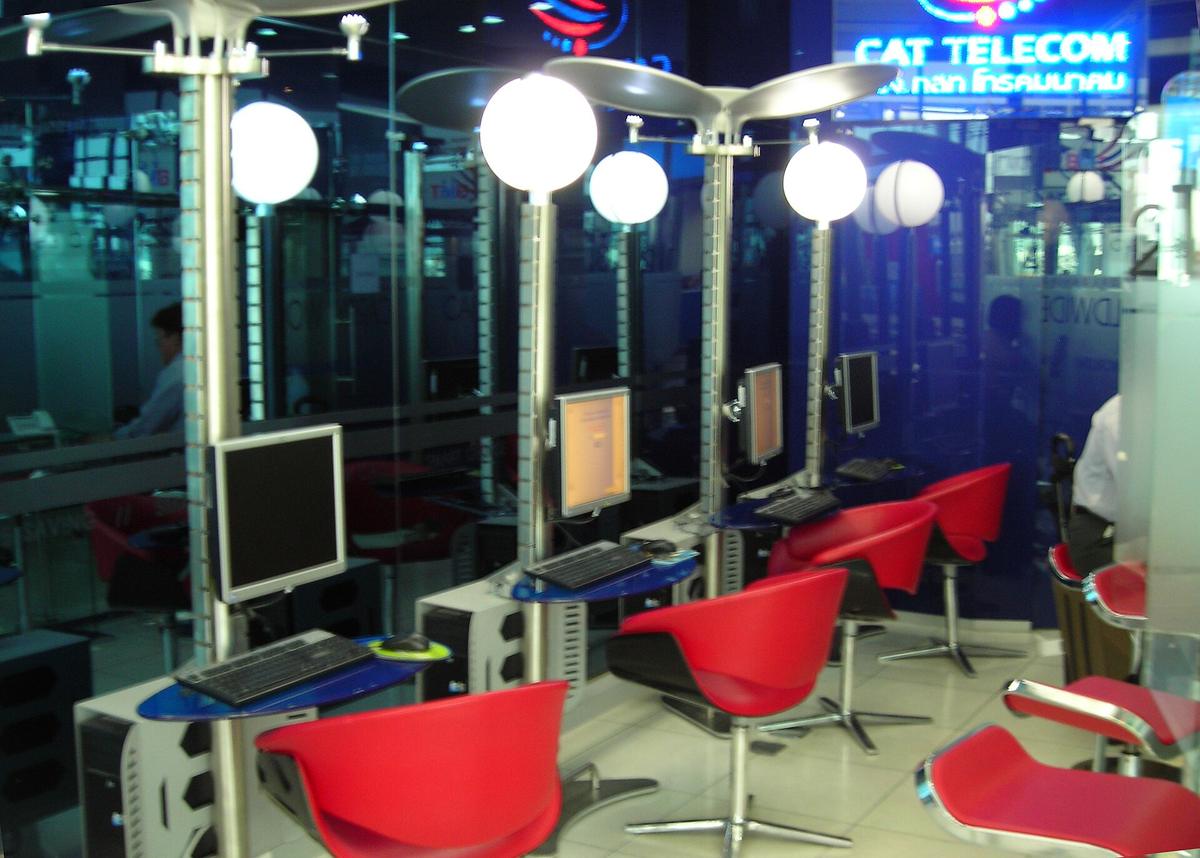

Cashless Payment Thailand: What Actually Works for Tourists
Cashless payment is growing fast in Thailand but the version that matters to tourists is narrower than at home. 7 Eleven accepts Visa, Mastercard and Amex contactless as well as Apple Pay and Google Pay. Major shopping malls including Siam Paragon and CentralWorld accept cards everywhere. So do chain restaurants, hotel restaurants and high-end massage spas. PromptPay QR codes are ubiquitous but you cannot use them with a foreign bank card. You need a Thai bank account and a Thai mobile number to register. Treat PromptPay as invisible to you.
Grab taxi payments default to cash. You can link a foreign card to the Grab app and pay that way but many drivers prefer cash. When it rains heavily drivers turn off surge pricing on the app and negotiate cash fares directly, leaving you stranded if you have no cash. Keep a buffer of 500 to 1,000 baht in small notes for this exact failure.
The Card Skimming Risk in Tourist Zones
Card skimming at ATMs and payment terminals in Thailand is a declining but real risk concentrated in tourist zones: Patong, Khao San Road, Walking Street in Chiang Mai and the main strips of Koh Samui. Use ATMs located inside a bank branch or a shopping mall rather than standalone machines on the street. Cover the keypad when entering your PIN. Any machine that looks tampered with or has a loose card slot should be avoided.
A practical step: withdraw a large amount at a bank ATM in Bangkok at the start of your trip and pay cash for most things after that. You touch the ATM fewer times and reduce your exposure. If you lose a card or it gets skimmed, contact your bank immediately. Keep a backup card stored separately from your main wallet. Leave a photocopy of your passport and both card numbers with someone at home who can send you photos.
Common Questions
Can I use my foreign credit card at 7 Eleven in Thailand?
Yes. 7 Eleven accepts Visa, Mastercard, Amex, and contactless payments including Apple Pay and Google Pay. Cash is faster for small purchases under 100 baht but the card will work.
Is it better to exchange money in Thailand or at home before I go?
Exchange in Thailand at a SuperRich booth. Rates in your home country are one to three percent worse and you pay commission twice. Bring clean foreign banknotes from home and exchange them in Bangkok.
Do I need to tip in Thailand?
Tipping is not expected in local establishments. At high-end restaurants a 10 percent service charge is included. For hotel porters and massage therapists a small gratuity is appreciated but not mandatory. Rounding up a taxi fare by 20 baht is fine.
How much cash should I carry per day in Thailand?
Budget for 1,000 to 2,000 baht per person per day if you pay cash for street food, local transport, markets, and entrance fees. That covers three meals, songthaew rides, and a few market purchases. Hotels and big meals can be charged to a card.
What happens if I run out of cash late at night?
ATMs are available 24 hours in all tourist areas and most provincial towns. The flat fee applies at any hour. 7 Eleven is open 24 hours and takes cards. If the ATM is out of order, a 7 Eleven can sell you a small purchase with a card and you can ask for cashback but this is not a guaranteed service.
Read next
-

 Staying Connected in Thailand With eSIM, Local SIM, or Roaming
Compare eSIM convenience against physical AIS and TrueMove tourist SIMs registered at Bangkok airports, and why Wi-Fi alone fails for Grab and translation.
Staying Connected in Thailand With eSIM, Local SIM, or Roaming
Compare eSIM convenience against physical AIS and TrueMove tourist SIMs registered at Bangkok airports, and why Wi-Fi alone fails for Grab and translation.
-
 Best Time to Visit Thailand, Matching Coasts to the Monsoon Calendar
Thailand has two monsoons hitting opposite coasts at different times, plus a northern burning season. Match your beach to the right months or get rain.
Best Time to Visit Thailand, Matching Coasts to the Monsoon Calendar
Thailand has two monsoons hitting opposite coasts at different times, plus a northern burning season. Match your beach to the right months or get rain.
-
 Getting Around Thailand, VIP Buses, Budget Flights and Why the Map Lies
Thailand's transport map undersells mountain curves and island transfer times. How domestic flights, VIP buses and songthaews actually connect the country.
Getting Around Thailand, VIP Buses, Budget Flights and Why the Map Lies
Thailand's transport map undersells mountain curves and island transfer times. How domestic flights, VIP buses and songthaews actually connect the country.
-
 Thailand Visa Rules, Exemptions, Extensions and the Bureaucracy Explained
Which passports get visa-free entry to Thailand, how long you can stay, and the exact steps to extend at a Thai immigration office without getting fined.
Thailand Visa Rules, Exemptions, Extensions and the Bureaucracy Explained
Which passports get visa-free entry to Thailand, how long you can stay, and the exact steps to extend at a Thai immigration office without getting fined.
-
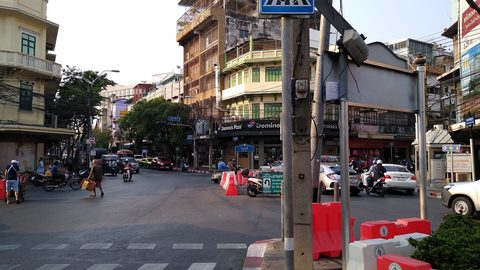 Safety in Thailand, Reading the Advice Without the Hysterical Headlines
Road crashes are the real risk in Thailand, not the scams that dominate forums. How to read travel advisories and what insurance actually covers.
Safety in Thailand, Reading the Advice Without the Hysterical Headlines
Road crashes are the real risk in Thailand, not the scams that dominate forums. How to read travel advisories and what insurance actually covers.
-
 What a Thailand Trip Actually Costs and Where the Money Goes
A structural look at where money flows during a Thailand trip, from national park foreigner fees to the real cost of island-hopping by longtail boat.
What a Thailand Trip Actually Costs and Where the Money Goes
A structural look at where money flows during a Thailand trip, from national park foreigner fees to the real cost of island-hopping by longtail boat.
-
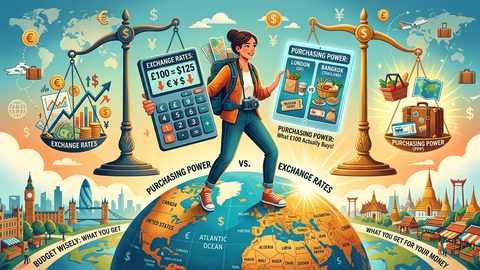 How to Budget a Trip Based on Purchasing Power, Not Just Exchange Rates
Exchange rates tell only half the story. See how purchasing power shapes your real travel budget across Southeast Asia, Eastern Europe, and Latin America.
How to Budget a Trip Based on Purchasing Power, Not Just Exchange Rates
Exchange rates tell only half the story. See how purchasing power shapes your real travel budget across Southeast Asia, Eastern Europe, and Latin America.
-
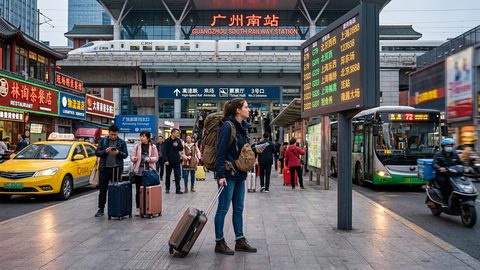 A Ground-Level Logistics Guide to Independent Travel in China
First-time independent travel in China: what you need to know about visas, rail booking, eSIMs, mobile payments, and power adapters.
A Ground-Level Logistics Guide to Independent Travel in China
First-time independent travel in China: what you need to know about visas, rail booking, eSIMs, mobile payments, and power adapters.
-
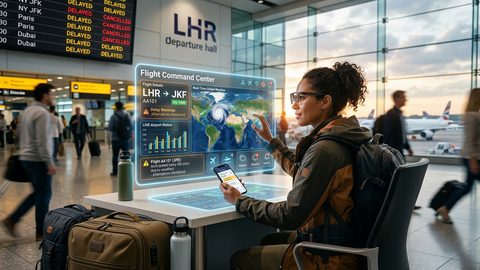 How Solo Travelers Stay Ahead of Flight Delays and Cancellations
How solo travelers can track inbound aircraft, claim rebooking rights, and adjust ground transport when flights go wrong — step by step.
How Solo Travelers Stay Ahead of Flight Delays and Cancellations
How solo travelers can track inbound aircraft, claim rebooking rights, and adjust ground transport when flights go wrong — step by step.