A Practical Hungary Currency Forint Guide for Everyday Spending
Hungary uses the forint, not the euro. Cards work in Budapest but rural museums, cellars, and public toilets often demand cash in coins.
Cash and Cards Across Hungary
Hungary is a European Union member but does not use the euro. The Hungarian forint is the only legal currency, and that fact catches travellers off guard. This guide covers exactly what you need to carry and where your card will be useless. The forint code is HUF, the symbol is Ft, and the central bank is the Magyar Nemzeti Bank. No euro adoption target date has been set.
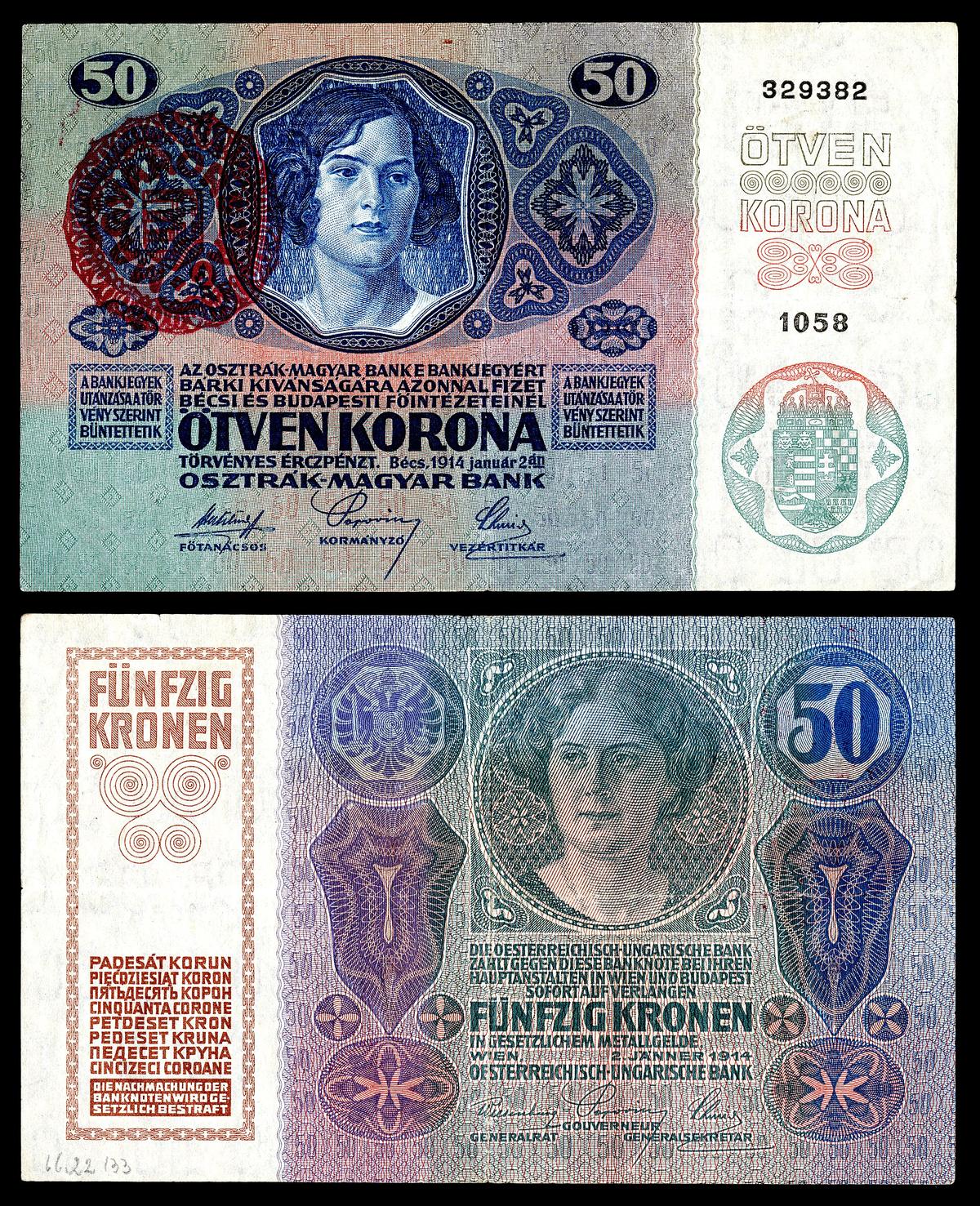
Coins in circulation are 5, 10, 20, 50, 100, and 200 forint. Banknotes come in 500, 1000, 2000, 5000, 10 000, and 20 000 forint. The fillér subunit was withdrawn years ago, so no coin smaller than 5 forint exists. If a total ends in 1, 2, 3, or 4 forint, the machine or cashier rounds down to the nearest 5 forint. Totals ending in 6, 7, 8, or 9 round up.
.jpg)
Paying in Hungary: Cash vs Card
Budapest runs on plastic. Visa and Mastercard are accepted at nearly every shop, restaurant, hotel, and petrol station inside the city limits. Contactless payment is standard on most terminals. No law sets a transaction minimum. Even street-side machines for the 100E airport bus accept cards. You can spend a week in the centre without touching cash.
Leave the inner districts and the picture flips. Small towns, rural guesthouses, market stalls, and family-run cellars operate on cash. A village wine cellar in Tokaj-Hegyalja or a folk museum in Hollókő will not have a terminal. Public toilets cost 200 to 300 forint in coins and attendants rarely give change. The coin shortage is a real problem: carry a stash of 50, 100, and 200 forint coins for toilet stops.
Some vendors in the capital still refuse cards below an informal threshold of a few hundred forint. A lángos stand at a Balaton beach, a kürtőskalács cart at a fair, and a taxi that does not take card are all common. Budget for at least 15 000 to 20 000 forint in cash per day outside the city.
Hungarian Forint Exchange Tips
The airport forex desks at Budapest Ferenc Liszt International Airport offer poor rates with commissions built into the spread. Do not exchange more than a token amount there. Change just enough for the bus or taxi into the city. The 100E bus costs 2200 forint and the official taxi fare to the centre is a fixed zone price.
Use Bank ATMs in the City
OTP Bank, Erste Bank, K&H Bank, Raiffeisen Bank, UniCredit Bank, and MKB Bank operate the major ATM networks. Use a machine attached to a bank branch, not a standalone ATM in a tourist area or a shop. Bank ATMs are less likely to be tampered with and do not charge a surtax on top of your home bank's fee. Some ATMs outside branches do charge a flat surcharge or a percentage fee. Check the screen before completing the transaction.
Never Accept Dynamic Currency Conversion
When you insert your card at an ATM or a point of sale terminal, the machine will ask whether to charge your card in your home currency or in forint. Always choose forint. Dynamic currency conversion (DCC) adds a markup of 3 to 12 percent above the wholesale interbank rate. The terminal screen makes it look like a convenience. It is a fee you cannot get back. Decline the home currency option every time.
Banknote Condition Matters
Retailers and vending machines reject torn, taped, or heavily worn banknotes. Do not accept damaged notes from an ATM. If you receive one, ask the bank teller or a shop to swap it. A note with a small tear or a fold is fine. A note held together with tape is not.
Budapest ATM Advice
Budapest has a dense ATM network. Machines sit at every metro station, major square, and shopping street. The key is choosing which machine to use.
Avoid Euronet Machines
Steer clear of Euronet ATMs and any machine with flashy signs advertising low fees. These independent operators charge high surcharges and apply DCC by default. Use ATMs belonging to the major Hungarian banks listed above. OTP Bank has the most machines. Erste and K&H are also common.
Withdraw Large Amounts
Set your withdrawal limit to the highest amount you can comfortably carry. The ATM operator sets a per transaction cap, between 100 000 and 300 000 forint. Your home bank may set a lower limit. Withdrawing 100 000 forint once costs less in fees than five withdrawals of 20 000 forint. Store the cash in a money belt or a zipped interior pocket.
Arrive late at night and the bank branch ATMs are behind a locked door? Find a machine inside a well lit metro station. Deák Ferenc tér and Keleti pályaudvar have 24 hour bank ATMs in the station concourses. Never use a standalone machine on a dark side street.

Cash-Only Places Rural Hungary
Rural Hungary is not like the capital. Card acceptance in villages and rural areas is limited. Cash is required for small shops, market stalls, and family-run guesthouses. ATMs in remote villages are scarce. Driving through the Hortobágy Puszta or the wine villages of Villány? Stock up on forint before you leave the nearest town.
Where You Will Need Coins and Notes
- Public toilets across the entire country. Carry 200 to 300 forint in coins. Attendants cannot make change.
- Small museums and rural heritage sites. The Palóc village of Hollókő, the underground wine cellars of Tokaj, and the cave baths in the Bükk region have no terminal.
- Taxis in smaller towns. Ride-hailing apps are limited outside the capital. Flag down a taxi and ask before getting in. Many drivers only take cash.
- Village cellars and wine tasting rooms. Tokaj-Hegyalja and Villány have hundreds of family cellars. They operate on trust and cash.
- Market stalls at fairs and festivals. The flower carnival in Debrecen and the Christmas markets in smaller towns are cash territory.
Plan Around Kitchen Hours
Restaurant kitchens outside the city close between 15:00 and 18:00. Arrive in a village at 16:00 and you may find no hot food available and no card machine at the one open shop. Plan meal times and carry enough forint to cover a grocery stop.
Common Questions
Can I use euros in Hungary?
Some tourist shops in central Budapest and hotels accept euro notes, but they give poor exchange rates and return change in forint. Do not rely on it. The forint is the only legal currency.
Should I exchange money before I arrive in Hungary?
No. Exchange a small amount at the airport only if you need cash for the bus or taxi. Use bank ATMs for the rest. Your home bank's rate is almost always better than a foreign exchange desk.
What is the ATM withdrawal limit in Hungary?
ATM operators set a per transaction limit, typically 100 000 to 300 000 forint. Your home bank may set a lower daily limit. Check with your bank before you travel.
Do I need to tip in cash?
Not necessarily. In restaurants, 10 to 15 percent is added voluntarily. Some establishments add a service charge called szervizdíj of 10 to 15 percent. If that charge is on the bill, no additional tip is expected. For taxi drivers, rounding up the fare by about 10 percent is customary. For hairdressers and beauty services, 10 percent is standard.
What happens if my card is declined in a rural area?
You need cash. ATMs in remote villages are sparse. If you run out, ask at the nearest post office or a larger grocery store. Some will offer cash back with a purchase. Otherwise, drive to the nearest town with a bank branch. The M0 ring road and M7 to Balaton clog badly on Friday afternoons in summer. Do not let your cash run out on a Friday.
Read next
-
 Staying Connected in Hungary With eSIM, Local SIM or Roaming
eSIM, local SIM, or roaming in Hungary: the ID registration rule, why the BudapestGO app needs data, and where rural signal drops out.
Staying Connected in Hungary With eSIM, Local SIM or Roaming
eSIM, local SIM, or roaming in Hungary: the ID registration rule, why the BudapestGO app needs data, and where rural signal drops out.
-
 Best Time to Visit Hungary by Season and What Gets in the Way
July and August pack Lake Balaton and Budapest, December draws Christmas market crowds, and January to February brings grey cold and rural closures.
Best Time to Visit Hungary by Season and What Gets in the Way
July and August pack Lake Balaton and Budapest, December draws Christmas market crowds, and January to February brings grey cold and rural closures.
-
 Getting Around Hungary by Train Bus and Car Without the Detours
Hungary's rail and bus networks radiate from Budapest, forcing cross-country trips through the capital. Validate paper tickets or face a 25,000 HUF fine.
Getting Around Hungary by Train Bus and Car Without the Detours
Hungary's rail and bus networks radiate from Budapest, forcing cross-country trips through the capital. Validate paper tickets or face a 25,000 HUF fine.
-
 Hungary Visa Rules for EU Citizens and Everyone Else
Hungary is in the Schengen zone. EU citizens enter freely, while many non-EU visitors need a Schengen visa applied for at a Hungarian consulate.
Hungary Visa Rules for EU Citizens and Everyone Else
Hungary is in the Schengen zone. EU citizens enter freely, while many non-EU visitors need a Schengen visa applied for at a Hungarian consulate.
-
 Safety in Hungary What the Warnings Leave Out
Hungary is safe with low violent crime. The real risks are pickpocketing on Budapest transport, taxi scams, and the occasional tourist-bar overcharge.
Safety in Hungary What the Warnings Leave Out
Hungary is safe with low violent crime. The real risks are pickpocketing on Budapest transport, taxi scams, and the occasional tourist-bar overcharge.
-
 What a Trip to Hungary Costs and How to Shape Your Spending
How to think about your Hungary budget: the Budapest-countryside cost split, where cash is still king, and why a daily average hides more than it reveals.
What a Trip to Hungary Costs and How to Shape Your Spending
How to think about your Hungary budget: the Budapest-countryside cost split, where cash is still king, and why a daily average hides more than it reveals.
-
 How to Budget a Trip Based on Purchasing Power, Not Just Exchange Rates
Exchange rates tell only half the story. See how purchasing power shapes your real travel budget across Southeast Asia, Eastern Europe, and Latin America.
How to Budget a Trip Based on Purchasing Power, Not Just Exchange Rates
Exchange rates tell only half the story. See how purchasing power shapes your real travel budget across Southeast Asia, Eastern Europe, and Latin America.
-
 A Ground-Level Logistics Guide to Independent Travel in China
First-time independent travel in China: what you need to know about visas, rail booking, eSIMs, mobile payments, and power adapters.
A Ground-Level Logistics Guide to Independent Travel in China
First-time independent travel in China: what you need to know about visas, rail booking, eSIMs, mobile payments, and power adapters.
-
 How Solo Travelers Stay Ahead of Flight Delays and Cancellations
How solo travelers can track inbound aircraft, claim rebooking rights, and adjust ground transport when flights go wrong — step by step.
How Solo Travelers Stay Ahead of Flight Delays and Cancellations
How solo travelers can track inbound aircraft, claim rebooking rights, and adjust ground transport when flights go wrong — step by step.