When to Go to Hungary
July and August pack Lake Balaton and Budapest, December draws Christmas market crowds, and January to February brings grey cold and rural closures.
When to Go to Hungary
You are standing on the terrace of Fisherman's Bastion in Budapest in mid August. The air is 34°C. To your right, every hotel on the Pest side is sold out. To your left, Lake Balaton beaches are shoulder to shoulder. The question of the best time to visit Hungary is really a question of what you are willing to trade.
July and August deliver every attraction running at full capacity, summer festivals, and lake water at 26°C. They also deliver crowds at every ruin bar, rates that double between June and September, and a Friday afternoon traffic jam on the M7 motorway to the lake that turns a 90 minute drive into three hours. December brings the capital's Christmas fairs in full swing and mulled wine at every corner, but also darkness by 16:00 and cold that keeps you indoors between museum stops. January and February offer empty streets and bargain hotel rates. The grey skies and bitter cold shut most rural outdoor sites entirely. There is no single correct month. There is only the trade off that matches your trip.
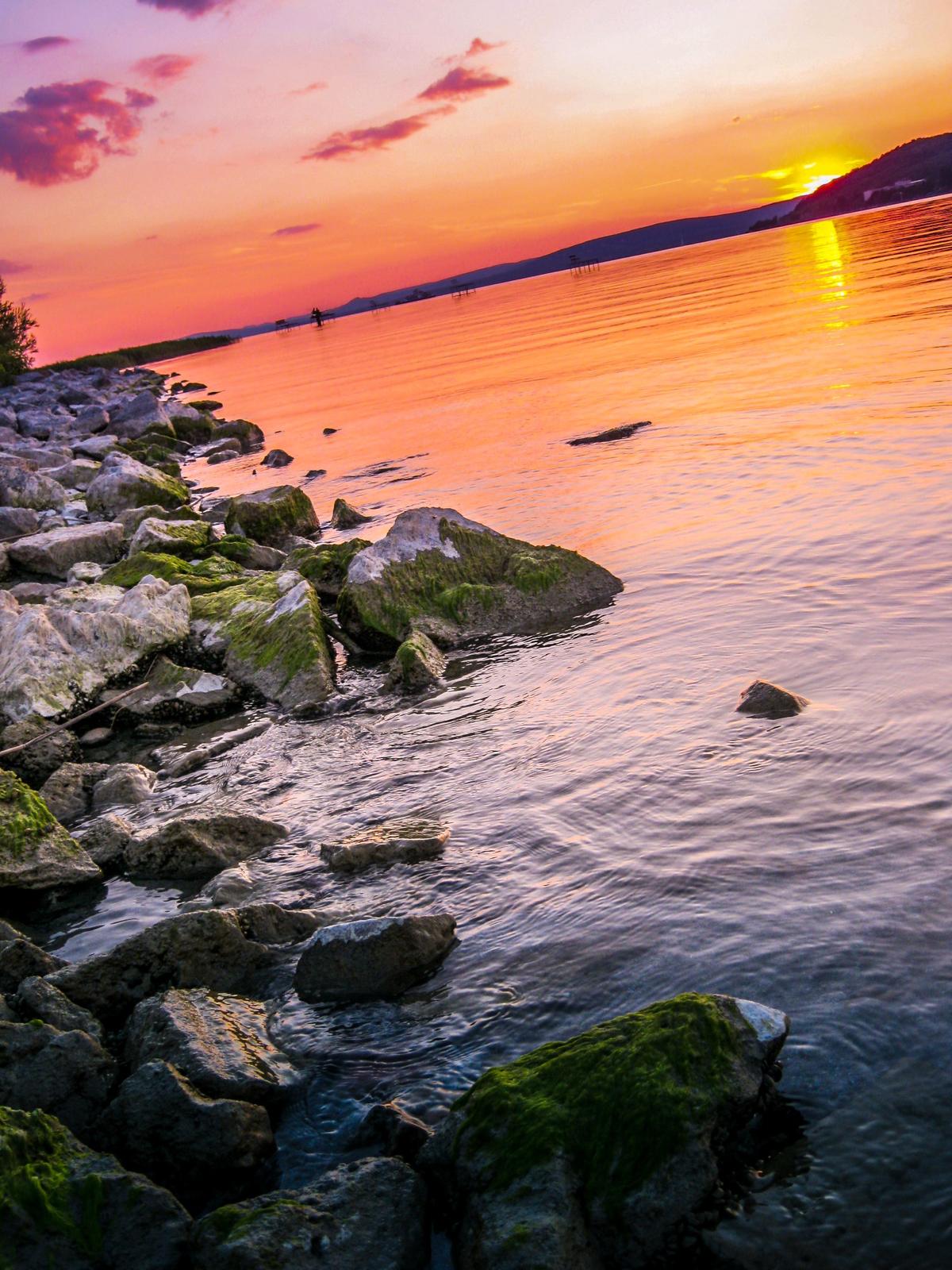

Hungary Seasons Travel Guide: What Each Season Actually Delivers
Summer: Peak Season With Everything Open
From June through August, Hungary runs at maximum capacity. Budapest's Széchenyi Thermal Bath and the Parliament building interior tours fill their online booking slots days ahead. Lake Balaton ferry routes from Szántód to Tihany and Balatonfüred to Tihany operate every route on the schedule. The water temperature at the lake reaches 26°C in July. But you pay for this availability. Budapest hotel rates hit their annual peak. The beaches at Siófok and Zamárdi pack tight. The Formula 1 Hungarian Grand Prix weekend in late July or early August creates a combined hotel bottleneck across the city, and the St Stephen's Day window from 15 to 20 August draws domestic tourists to both Budapest and the lake for the national holiday fireworks over the Danube. If your dates are flexible, skip these two windows entirely.Spring and Autumn: The Compromise
May and September give you the best weather to crowd ratio. Lake Balaton ferry services resume around mid April, but the water is not swimmable until late May. By September the lake is still warm, the ferries run until mid to late October, and the crowds have vanished. Wine harvest festivals across Tokaj, Villány, Eger, and Badacsony concentrate in September and October, which is the reason many travellers come in autumn anyway. The trade off is that some seasonal attractions outside Budapest are not open until Easter or close by late October. In March you risk mud and cold. In November you risk rain and the first frosts in lowland areas. But April and early October are reliable enough for hiking the National Blue Trail sections in the Bükk and Mátra hills without the summer heat or the winter closures.Winter: Bleak, Cheap, and Quiet
January and February in Hungary are grey. The Great Plain sees intermittent snow cover. Rural guesthouses in the Hortobágy Puszta and villages like Hollókő close entirely. Most lakeside businesses at Balaton board up. The outdoor pools at thermal baths may reduce hours. Budapest itself operates normally for indoor tourism: the museums, the ruin bars, the Széchenyi and Gellért baths. But you will leave the Christmas fairs behind in December, and by January the streets feel empty. The upside is price. Hotel rates drop to their lowest levels of the year, and you will not queue for anything. This season suits travellers who want Budapest alone, who do not need the countryside, and who tolerate cold.December: Festive Stalls and Early Darkness
The Budapest Christmas fairs at Vörösmarty Square and St Stephen's Basilica are the reason December exists as a secondary peak season. The fairs run from late November through Christmas Eve. Kürtőskalács and mulled wine are sold at every stall. But daylight ends at 16:00. The cold keeps you moving between indoor stops. Many rural attractions outside the capital close for the season. If you come for the fairs, book accommodation in districts V and VI to stay within walking distance, and assume you will spend most of your time inside after 15:30.Lake Balaton Summer Crowds: the Real Numbers
Lake Balaton in July and August is not a quiet retreat. The shoreline between Siófok and Zamárdi on the south shore fills with domestic holidaymakers during the school break. The Balaton Sound electronic music festival at Zamárdi in late June or early July draws a crushing crowd to a single stretch of beach. The Szántód to Tihany ferry queues can hit 45 minutes at midday. Accommodation prices in Tihany, Balatonfüred, and Badacsony double compared to May or September. The M7 motorway clogs on Friday afternoons from Budapest to the lake and on Sunday evenings back. If you want the lake without the crush, arrive on a Tuesday or Wednesday and book your ferry tickets online through Balatoni Hajózási Zrt. before you get to the dock.
Budapest Christmas Markets December: When to Go and What to Skip
The Christmas fair at Vörösmarty Square is the largest and most photographed. The fair at St Stephen's Basilica has the ice rink and the light show on the basilica facade. Both operate daily from late November until Christmas Eve. Arrive before 11:00 to browse stalls without the crowds. Food and drink prices at the fairs are marked up steeply over normal Budapest street food. Skip the overpriced chimney cake stands near the basilica entrance and walk two blocks to an independent bakery for kürtőskalács at half the price. The Parliament building interior tours still run in December but sell out earlier because of the shorter daylight hours. Book Parliament tickets at least two weeks ahead. Bring cash: some small souvenir stalls do not accept cards.
| Month | Crowd Level | Weather Reality | What Is Closed |
|---|---|---|---|
| January February | Low | Grey, cold, intermittent snow on Great Plain | Most rural outdoor sites; Balaton lakeside businesses; Hollókő; Hiking trails above 600m |
| March April | Low to Moderate | Variable; March cold and wet; April greening | Some seasonal attractions not open until Easter; Balaton ferries resume mid April |
| May June | Moderate | Reliably warm; Balaton swimmable late May | Mostly open; June sees rising crowds |
| July August | Peak | Hot; July August daily maxima 30 35°C on Great Plain | Nothing, but F1 weekend and St Stephen's Day create bottlenecks |
| September October | Moderate to Low | September warm and dry; October cooling; wine harvest | Balaton ferries end mid to late October; daylight shortens |
| November December | Moderate December, Low November | November grey and damp; December cold, dark by 16:00 | Rural accommodation closes November; December fairs open |
Hungary January February Weather: What You Can and Cannot Do
The research says it plainly: January and February in Hungary are bleak. Daily highs on the Great Plain hover near freezing. The North Hungarian Mountains get snow, but natural snow reliability is low and the ski areas at Mátraszentistván, Bánkút, and Eplény rely on snowmaking. Lake Balaton may freeze partially, but the ice is rarely thick enough for safe skating. Most rural museums and cellars are cash only and many close entirely for the season. The Hortobágy Puszta is empty.
What stays open: the thermal baths in cities. Széchenyi in Budapest, the aquatic complexes at Hajdúszoboszló and Gyula, and Lake Hévíz with its 23 to 25°C winter water temperature all operate year round. Indoor cultural tourism runs normally in Budapest: the Hungarian National Museum, the House of Terror, and the ruin bars on the Pest side. But the countryside is largely inaccessible. If you come in January or February, base yourself in Budapest or Szeged and accept that 90 percent of your time will be indoors.
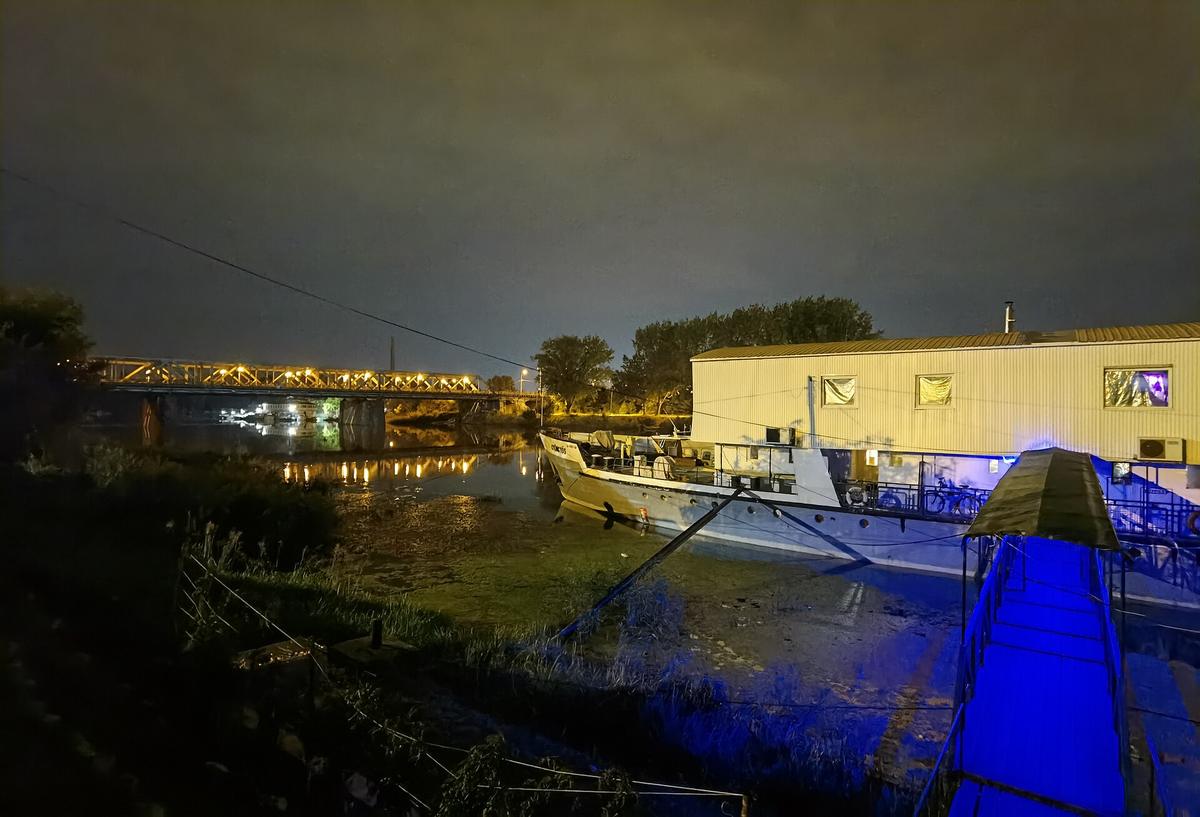

The Avoid Windows and What Gets in the Way
Three specific dates disrupt travel in Hungary. The 15 to 20 August window covers St Stephen's Day on the 20th, when national holiday fireworks fill the Danube embankment and every hotel in Budapest sells out. The Formula 1 Hungarian Grand Prix at the Hungaroring in late July or early August does the same to a smaller area near Mogyoród, but the combined effect of both events in August means you pay peak rates for a city running at absolute capacity. 1 May and Easter Monday also close rural attractions and shops entirely. Outside these windows, the main friction is the M7 motorway on Friday and Sunday afternoons from late June through August.
The Real Cost of Getting Around
Hungary's rail and bus network is radial. Almost every cross country route runs through Budapest. A direct drive from Eger to Pécs takes about 3 hours. The same trip by train via Budapest takes 5 hours because you change at the capital. If you plan to visit more than one region beyond the Danube Bend or Lake Balaton, rent a car. Buy the electronic motorway vignette online at nemzetiutdij.hu or at any fuel station. Without a car, you lose a full day of your trip to transit. Budget for that.
Who Hungary Works for and Who Should Look Elsewhere
Hungary suits spa seekers, wine route cyclists, history travellers interested in Habsburg and Ottoman layers, budget conscious backpackers who can tolerate brusque service, and birdwatchers on the Great Plain. It does not suit alpine mountain lovers: the highest peak is Kékes at 1014 metres, not a proper mountain landscape. Vegans will struggle outside Budapest's inner districts, where the menus rarely offer more than one plant based option. Travellers who need consistently warm service should adjust expectations: Hungarian customer service reads as indifferent or curt to visitors accustomed to American or Southern European hospitality. If you can trade those expectations for the country's strengths, the best time to visit Hungary is whichever season matches what you actually plan to do, not the one the postcards advertise.
Common Questions
What is the cheapest month to visit Hungary?
January and February offer the lowest hotel rates across Budapest and the countryside. November is also cheap, but many rural guesthouses close for the season by early November. You can find Budapest rooms for 40 to 60 percent less than July rates in January and February.
Can I swim in Lake Balaton outside summer?
The water reaches 22 to 26°C in July and August and remains swimmable in early September. By mid October the water temperature drops below 18°C and the ferry routes stop operating for the season. You cannot swim at Balaton outside the May to September window.
Are the Budapest Christmas markets open on Christmas Day?
No. The fairs close on Christmas Eve, around 14:00. 25 and 26 December are public holidays in Hungary. Most shops and attractions close, and public transport runs on a Sunday schedule.
Is January a bad time to visit Budapest?
Not for indoor tourism. The thermal baths, museums, ruin bars, and restaurants operate normally. But daylight ends before 17:00, the outdoor Christmas fairs are gone, and the city feels quiet. If you want countryside or hiking, January is the wrong month.
Which month has the worst crowds in Budapest?
August. The Sziget Festival and St Stephen's Day on 20 August create a combined surge of domestic tourists, festival goers, and international visitors. Hotel rates peak. The Formula 1 weekend in late July or early August also saturates the city. July is close behind.
Read next
-
 Staying Connected in Hungary With eSIM, Local SIM or Roaming
eSIM, local SIM, or roaming in Hungary: the ID registration rule, why the BudapestGO app needs data, and where rural signal drops out.
Staying Connected in Hungary With eSIM, Local SIM or Roaming
eSIM, local SIM, or roaming in Hungary: the ID registration rule, why the BudapestGO app needs data, and where rural signal drops out.
-
 Getting Around Hungary by Train Bus and Car Without the Detours
Hungary's rail and bus networks radiate from Budapest, forcing cross-country trips through the capital. Validate paper tickets or face a 25,000 HUF fine.
Getting Around Hungary by Train Bus and Car Without the Detours
Hungary's rail and bus networks radiate from Budapest, forcing cross-country trips through the capital. Validate paper tickets or face a 25,000 HUF fine.
-
 Hungary Visa Rules for EU Citizens and Everyone Else
Hungary is in the Schengen zone. EU citizens enter freely, while many non-EU visitors need a Schengen visa applied for at a Hungarian consulate.
Hungary Visa Rules for EU Citizens and Everyone Else
Hungary is in the Schengen zone. EU citizens enter freely, while many non-EU visitors need a Schengen visa applied for at a Hungarian consulate.
-
 Forint or Euro What You Actually Pay With in Hungary
Hungary uses the forint, not the euro. Cards work in Budapest but rural museums, cellars, and public toilets often demand cash in coins.
Forint or Euro What You Actually Pay With in Hungary
Hungary uses the forint, not the euro. Cards work in Budapest but rural museums, cellars, and public toilets often demand cash in coins.
-
 Safety in Hungary What the Warnings Leave Out
Hungary is safe with low violent crime. The real risks are pickpocketing on Budapest transport, taxi scams, and the occasional tourist-bar overcharge.
Safety in Hungary What the Warnings Leave Out
Hungary is safe with low violent crime. The real risks are pickpocketing on Budapest transport, taxi scams, and the occasional tourist-bar overcharge.
-
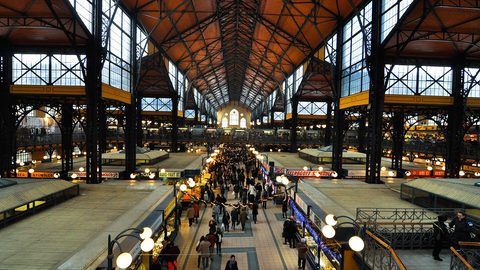 What a Trip to Hungary Costs and How to Shape Your Spending
How to think about your Hungary budget: the Budapest-countryside cost split, where cash is still king, and why a daily average hides more than it reveals.
What a Trip to Hungary Costs and How to Shape Your Spending
How to think about your Hungary budget: the Budapest-countryside cost split, where cash is still king, and why a daily average hides more than it reveals.
-
 How to Budget a Trip Based on Purchasing Power, Not Just Exchange Rates
Exchange rates tell only half the story. See how purchasing power shapes your real travel budget across Southeast Asia, Eastern Europe, and Latin America.
How to Budget a Trip Based on Purchasing Power, Not Just Exchange Rates
Exchange rates tell only half the story. See how purchasing power shapes your real travel budget across Southeast Asia, Eastern Europe, and Latin America.
-
 A Ground-Level Logistics Guide to Independent Travel in China
First-time independent travel in China: what you need to know about visas, rail booking, eSIMs, mobile payments, and power adapters.
A Ground-Level Logistics Guide to Independent Travel in China
First-time independent travel in China: what you need to know about visas, rail booking, eSIMs, mobile payments, and power adapters.
-
 How Solo Travelers Stay Ahead of Flight Delays and Cancellations
How solo travelers can track inbound aircraft, claim rebooking rights, and adjust ground transport when flights go wrong — step by step.
How Solo Travelers Stay Ahead of Flight Delays and Cancellations
How solo travelers can track inbound aircraft, claim rebooking rights, and adjust ground transport when flights go wrong — step by step.