Navigating Hungary Visa Requirements for Every Type of Passport
Hungary is in the Schengen zone. EU citizens enter freely, while many non-EU visitors need a Schengen visa applied for at a Hungarian consulate.
Who Needs a Visa to Enter Hungary
Hungary is a full Schengen Area member, so the entry rules match the Schengen framework. EU, EEA, and Swiss nationals enter with a valid national ID card or passport. No visa. Citizens of the UK, US, Canada, Australia, New Zealand, Japan, South Korea, Brazil, Ukraine, Serbia, Albania, Georgia, and Moldova also enter without a visa for short stays up to 90 days within any 180-day period. Everyone else needs a Schengen visa before arrival. Hungary does not issue visas on arrival. There is no e-visa option.
Answer one question: are you in the visa-free group or the Schengen visa group? Check your passport against the full list on the Hungarian Ministry of Foreign Affairs and Trade website, konzuliszolgalat.kormany.hu. If your country does not appear on that list, you need a Uniform Schengen Visa, Category C, before you fly.

.jpg)
Schengen Visa Hungary: Who Must Apply
Indian, Chinese, Russian, Turkish, and South African nationals all require a visa for Hungary. The same applies to citizens of most African, Asian, and Middle Eastern countries not named in the visa-free section. Your passport must have been issued within the previous 10 years and must be valid for at least 3 months beyond your intended departure date from the Schengen zone. Apply in person at a Hungarian consular post in your country of residence. No e-visas. No postal applications. No visa on arrival.
The visa permits a maximum stay of 90 days within any 180-day period. That is the same 90-day rule Hungary enforces at every border. If you have already spent time in France, Germany, or any other Schengen country in the previous 180 days, those days count toward your limit. Count them before you book anything.
Hungary Entry Rules Non EU: What to Expect at the Border
Document Checks At Passport Control
If you are a non-EU national entering Hungary, border officials check your identity, travel document validity, purpose and conditions of stay, and whether you appear in the Schengen Information System alert list. They may also ask to see proof of a return or onward ticket, a confirmed accommodation booking, and evidence of sufficient financial means for your stay. That means cash, a card with a statement, or a recent bank balance. Have these ready in a separate folder. Do not bury them in your bag.
Internal Schengen Borders
Land borders with Austria, Slovakia, Slovenia, and Croatia are normally open with no systematic checks. But Hungary has reimposed temporary border controls during migration surges and high-level EU summits. If you are driving from Vienna or taking the train from Zagreb, check the day before departure whether controls are active. When they are, expect a 20- to 40-minute delay at the crossing point while officers verify papers for all passengers.
External Borders
Ukraine, Serbia, and Romania are external Schengen borders. Romania became a full Schengen member in 2025 and land border checks have been removed. Carry your passport anyway. At the Ukraine and Serbia borders, full document checks and customs inspections are standard. Expect queues of 30 minutes to 2 hours depending on the crossing and time of day.
| Nationality | Entry Requirement | Max Stay | Validity Rule |
|---|---|---|---|
| EU / EEA / Swiss | Visa free, valid ID card or passport | Unlimited right of residence | Passport must be valid |
| UK, US, Canada, Australia, NZ, Japan, South Korea, Brazil | Visa free | 90 days in any 180 day period | 3 months beyond departure, issued within 10 years |
| Ukraine, Serbia, Albania, Georgia, Moldova (biometric passport) | Visa free | 90 days in any 180 day period | 3 months beyond departure, issued within 10 years |
| India, China, Russia, Turkey, South Africa | Schengen visa required | 90 days in any 180 day period | 3 months beyond departure, issued within 10 years |
| All other non visa waiver countries | Schengen visa required | 90 days in any 180 day period | 3 months beyond departure, issued within 10 years |
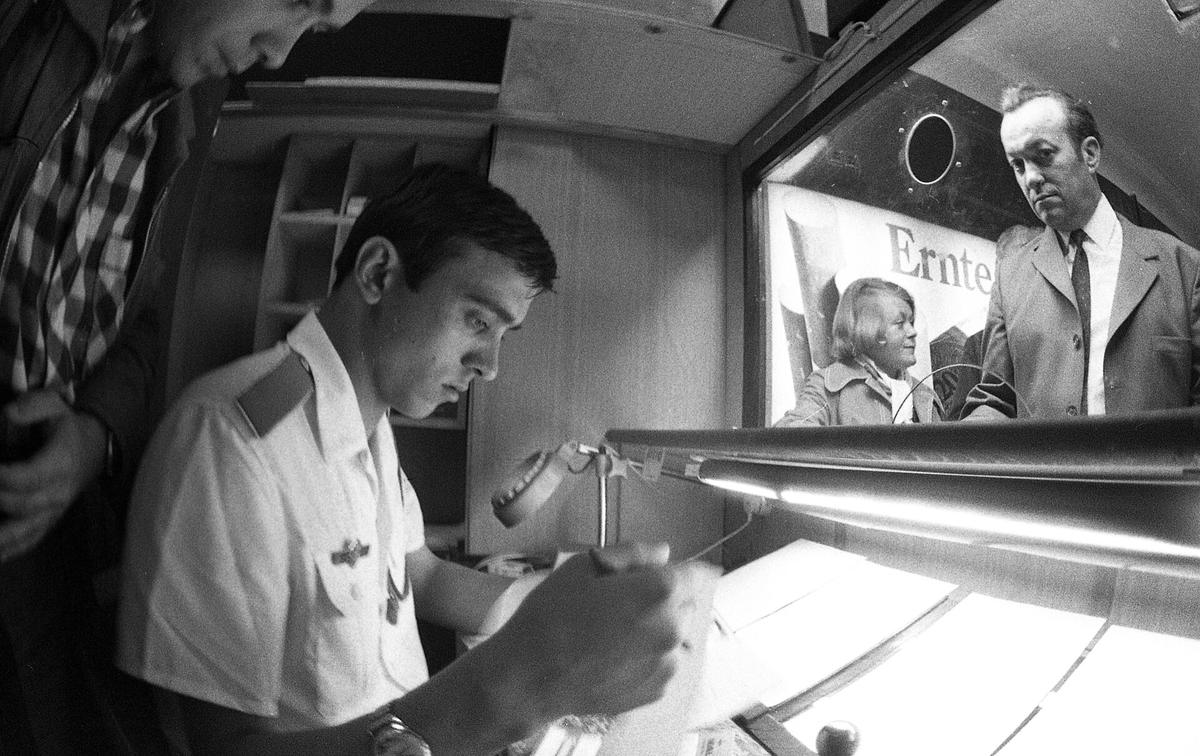

Hungary Visa Application Process
Booking The Appointment
If you need a visa, the process is not quick. Apply at the Hungarian consulate or embassy in your home country. In many cities, Hungary outsources the first step to a visa application centre such as TLScontact or VFS Global. Book an appointment on that centre's website. The next available slot can be two to six weeks out in peak season. For Hungary, peak season is July, August, and December. During the St. Stephen's Day period around 15 to 20 August and the late-July Formula 1 weekend, consulate appointments tighten further. Book the slot as soon as you know your travel dates.
Documents And Fees
The standard application requires a completed form, two recent passport photos, your passport with two blank pages, round-trip flight reservations, proof of accommodation for every night, travel medical insurance, proof of employment or student status, and bank statements from the last three months. The fee is roughly EUR 80 for adults and EUR 40 for children aged 6 to 12. Pay in local currency at the consulate's published rate. Processing takes 15 calendar days in normal cases. It takes longer if the consulate needs to consult other member states.
On The Day
The practical friction is the appointment itself. Hungarian consulates in large countries such as India, China, and Russia process high volumes. You may wait three hours past your appointment time. Some consulates require you to queue outside before opening. Bring water, a charged phone, and printed copies of everything. No digital files are accepted at the counter. Pay in cash if the centre charges an extra fee for card payment. Many do.
If you are refused, the refusal notice lists the reason and your right to appeal. The most common ground is insufficient proof of funds or missing travel insurance. The second most common is a passport with less than 3 months validity remaining beyond your planned departure. Check both before you apply.
Stays Longer Than 90 Days
If you plan to work, study, or live in Hungary for longer than 90 days, you need a Hungarian national visa, not a Schengen visa. This is a separate application processed only by Hungarian consulates. Outsourced visa centres cannot handle it. Apply for a residence permit after arrival if you are a visa-free national. Apply for a D visa before travel if you are a visa-required national. The waiting time for a national visa appointment can be two to three months. Start the process at least four months before your intended departure.
Common Questions
Do I need a visa if I have a connecting flight through Budapest airport?
If you stay airside in the international transit area and do not pass through passport control, you do not need a visa. If your layover requires you to collect baggage or change airports, you need a visa unless you are visa-free for Hungary.
Can I extend my 90 day stay in Hungary?
No. The Uniform Schengen Visa and the visa-free 90-day allowance cannot be extended for tourism. Overstaying by even one day can result in a ban from the entire Schengen area for up to three years. If you need to stay longer, apply for a national visa or residence permit from your home country before you travel.
My passport is valid for less than three months after my trip ends. Can I still enter?
No. The three-month passport validity rule applies to all visa-free third-country nationals. Border officials will deny entry. Renew your passport before you travel.
What happens if I lose my passport inside Hungary?
Report the loss to the nearest Hungarian police station within 24 hours. You then need a replacement travel document from your home country's embassy in Budapest. Wait times vary by embassy. Carry a photocopy of your passport page and your visa separately.
Does Hungary count my day of departure toward the 90 day limit?
Yes. All Schengen countries count the day you enter and the day you leave as full days within the 180-day window. If you fly out on day 91, you have overstayed.
Do children need their own visa or can they be added to a parent's visa?
Each traveller, including infants, needs their own visa or must qualify under the visa-free rules. A child with a passport from a visa-required country must have a separate application. The parent's visa does not cover the child.
I hold a biometric residence permit from another EU country. Do I need a Schengen visa for Hungary?
No. A valid residence permit from any EU or Schengen state allows you to enter Hungary visa-free for up to 90 days within any 180-day period. Carry both your residence permit and your passport when you travel.
Read next
-

 Staying Connected in Hungary With eSIM, Local SIM or Roaming
eSIM, local SIM, or roaming in Hungary: the ID registration rule, why the BudapestGO app needs data, and where rural signal drops out.
Staying Connected in Hungary With eSIM, Local SIM or Roaming
eSIM, local SIM, or roaming in Hungary: the ID registration rule, why the BudapestGO app needs data, and where rural signal drops out.
-
 Best Time to Visit Hungary by Season and What Gets in the Way
July and August pack Lake Balaton and Budapest, December draws Christmas market crowds, and January to February brings grey cold and rural closures.
Best Time to Visit Hungary by Season and What Gets in the Way
July and August pack Lake Balaton and Budapest, December draws Christmas market crowds, and January to February brings grey cold and rural closures.
-
 Getting Around Hungary by Train Bus and Car Without the Detours
Hungary's rail and bus networks radiate from Budapest, forcing cross-country trips through the capital. Validate paper tickets or face a 25,000 HUF fine.
Getting Around Hungary by Train Bus and Car Without the Detours
Hungary's rail and bus networks radiate from Budapest, forcing cross-country trips through the capital. Validate paper tickets or face a 25,000 HUF fine.
-
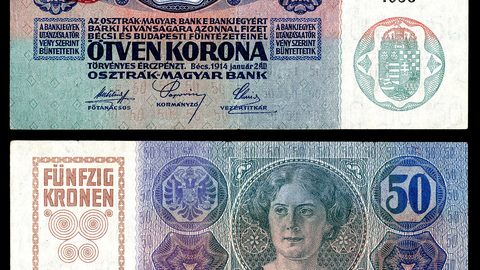 Forint or Euro What You Actually Pay With in Hungary
Hungary uses the forint, not the euro. Cards work in Budapest but rural museums, cellars, and public toilets often demand cash in coins.
Forint or Euro What You Actually Pay With in Hungary
Hungary uses the forint, not the euro. Cards work in Budapest but rural museums, cellars, and public toilets often demand cash in coins.
-
 Safety in Hungary What the Warnings Leave Out
Hungary is safe with low violent crime. The real risks are pickpocketing on Budapest transport, taxi scams, and the occasional tourist-bar overcharge.
Safety in Hungary What the Warnings Leave Out
Hungary is safe with low violent crime. The real risks are pickpocketing on Budapest transport, taxi scams, and the occasional tourist-bar overcharge.
-
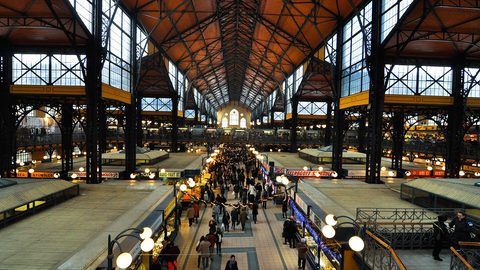 What a Trip to Hungary Costs and How to Shape Your Spending
How to think about your Hungary budget: the Budapest-countryside cost split, where cash is still king, and why a daily average hides more than it reveals.
What a Trip to Hungary Costs and How to Shape Your Spending
How to think about your Hungary budget: the Budapest-countryside cost split, where cash is still king, and why a daily average hides more than it reveals.
-
 How to Budget a Trip Based on Purchasing Power, Not Just Exchange Rates
Exchange rates tell only half the story. See how purchasing power shapes your real travel budget across Southeast Asia, Eastern Europe, and Latin America.
How to Budget a Trip Based on Purchasing Power, Not Just Exchange Rates
Exchange rates tell only half the story. See how purchasing power shapes your real travel budget across Southeast Asia, Eastern Europe, and Latin America.
-
 A Ground-Level Logistics Guide to Independent Travel in China
First-time independent travel in China: what you need to know about visas, rail booking, eSIMs, mobile payments, and power adapters.
A Ground-Level Logistics Guide to Independent Travel in China
First-time independent travel in China: what you need to know about visas, rail booking, eSIMs, mobile payments, and power adapters.
-
 How Solo Travelers Stay Ahead of Flight Delays and Cancellations
How solo travelers can track inbound aircraft, claim rebooking rights, and adjust ground transport when flights go wrong — step by step.
How Solo Travelers Stay Ahead of Flight Delays and Cancellations
How solo travelers can track inbound aircraft, claim rebooking rights, and adjust ground transport when flights go wrong — step by step.