Planning Around the Australia Public Holidays Calendar
Australian public holidays vary by state, trigger automatic 10-15% surcharges at cafes, and some move to create long weekends.
The Days Australia Shuts Down
You have booked a trip to Australia and your itinerary hits a day when everything is closed, your brunch costs 15% more, or the hotel you reserved does not exist because the room was locked into a minimum two night stay for a public holiday you did not know existed. The fix is having an Australia public holidays calendar in hand before you book anything. Seven fixed date national holidays and one variable date holiday shut government offices, banks and post offices nationwide. Another set of regional holidays catch travellers by state, and a 10 to 15% surcharge lands on cafe and restaurant bills without warning. Know which days do what, where the closures hit hardest, and how to budget for the extra cost.
The Five National Holidays That Close Everything
Five dates on the national calendar lock down most of the country. Christmas Day (25 December) and Good Friday (the Friday before Easter Sunday) are the strictest. Retail trading is prohibited in most states on both days. Only petrol stations, pharmacies and airports stay open. Boxing Day (26 December) also shuts banks and government services, but major retail chains reopen for the post Christmas sales, so you can shop. Australia Day (26 January) and Anzac Day (25 April) have partial trading restrictions. On Anzac Day morning, retail trading is banned until 13:00 in most states. Shops open after that. Australia Day has no trade ban, but government services close and some cafes add the surcharge.
Easter Weekend Rules
Easter Saturday and Easter Sunday are variable date holidays. Easter Saturday is observed in every state except Tasmania and Western Australia. Easter Sunday is observed in the Australian Capital Territory, New South Wales, Queensland, Victoria and Western Australia; South Australia and the Northern Territory do not observe it. If you are driving between states over Easter weekend, check the exact dates each year because the holiday moves.

The Holidays That Move: State Specific Traps
Public holidays in Australia are not uniform across states. The King's Birthday falls on the second Monday in June for every state except Queensland and Western Australia. Queensland celebrates it on the first Monday in October. Western Australia sets the date by proclamation, typically late September or early October each year. That mismatch means a Monday in June is a holiday in Sydney but not in Brisbane, and a Monday in October is a holiday in Brisbane but not in Melbourne.
Labour Day Fragmentation
Labour Day is the most fragmented. Western Australia takes the first Monday in March. Victoria and Tasmania take the second Monday in March. Queensland and the Northern Territory take the first Monday in May. South Australia, New South Wales and the Australian Capital Territory take the first Monday in October. If you are on a road trip from Melbourne to Sydney in early March, you hit a public holiday in Victoria that does not exist in New South Wales, and you pay the surcharge at every cafe in between.
| State or Territory | Date |
|---|---|
| Western Australia | First Monday in March |
| Victoria and Tasmania | Second Monday in March |
| Queensland and Northern Territory | First Monday in May |
| South Australia, New South Wales, Australian Capital Territory | First Monday in October |
Regional Holidays That Lock Up Rooms: Melbourne Cup Day and Others
Victoria has Melbourne Cup Day on the first Tuesday in November. It is a public holiday in greater Melbourne and across the state. Accommodation in the city books out months ahead. Restaurants add a compulsory 15% surcharge. If you are in Melbourne that Tuesday, plan for a minimum two night stay at most hotels or pay a premium for a single night. The Melbourne Cup Day public holiday is the single biggest event driven accommodation blackout in Australia outside of Sydney New Year's Eve.
Show Days And Other City Closures
Two other trap dates: Royal Queensland Show Day in Brisbane (a Wednesday in August during the RNA Show period) and the Royal Adelaide Show Day in South Australia (typically a Friday in early September, varying each year). These are single day closures in the host city only. Shops in Brisbane suburbs stay open, but the city centre retail shuts and transport runs on a Sunday timetable.
Regional Holidays In Tasmania And The ACT
Tasmania has five regional holidays: Hobart Regatta Day (second Monday in February), Launceston Cup Day (last Wednesday in February), Eight Hours Day (second Monday in March), Recreation Day (first Monday in November), and Picnic Day in the Northern Territory (first Monday in August). The Australian Capital Territory adds Canberra Day (second Monday in March) and Reconciliation Day (the Monday on or after 27 May). None of these are national, so a visitor arriving in Hobart on the second Monday in February finds a closed city while the rest of the country works normally.
What the Australia Public Holiday Surcharge Costs You
The Australia public holiday surcharge is 10 to 15% added to cafe and restaurant bills on any public holiday, including Easter Sunday, Labour Day and the King's Birthday. It appears as a line item on your bill, not as a service charge. Tipping is not customary in Australia, so this surcharge is not a tip; it is the business passing on penalty wage rates for staff. Budget an extra 15% on food for every public holiday that falls in your travel dates.
Cash, Cards And Transit On A Shutdown Day
Banks are closed, so if you need cash, use an ATM before the holiday. Post offices are shut. Major retail chains in some states restrict trading. Smaller shops, cafes and restaurants often open but add the surcharge. Petrol stations, pharmacies and airports remain open. Public transport runs on a reduced Sunday timetable in most cities, which means less frequent trains and buses. The single biggest trip up is assuming you can tap a foreign bank card directly on a reader; most city transit systems require a local contactless card (Opal in Sydney, Myki in Melbourne, Go Card in Brisbane) or a topped up account. On a public holiday, the local transit office is closed, so you cannot buy a card if you run out of credit. Buy it the day before.

School Holidays Make Everything Harder
Australia's school year has four terms. Summer holidays run from mid December to late January, creating the peak domestic travel period. Accommodation prices triple. Caravan parks fill with families. The tropical north experiences wet season from November to April, with monsoonal rain and cyclone risk from January to March, so a December summer holiday in Cairns means high humidity and possible road closures on unsealed routes. Autumn holidays last about two weeks around Easter. Winter holidays are two weeks from late June to mid July, which pushes the snowfields in New South Wales and Victoria to peak occupancy. Spring holidays run two weeks from late September to early October, and the Red Centre (Uluru, Alice Springs) reaches peak occupancy during that period because of cooler weather coinciding with southern state school breaks.
Book Ahead For Peak Periods
Sydney's New Year's Eve locks up accommodation a year ahead. Melbourne Cup week in early November does the same. If you travel during any of these periods, book accommodation and domestic flights at least six months in advance.
The Single Biggest Mistake Travellers Make with Australian Public Holidays
The most common failure is treating Australia like a single road trip loop and underestimating domestic flight times. Sydney to Perth is a five hour flight. Driving Sydney to Cairns takes a minimum of three relentless weeks, not a casual week long holiday. If you land on a public holiday and assume you can drive 600 kilometres to the next city the same day, you are wrong: public holidays mean reduced train services and no post offices for cash, but airports stay open, so domestic flying is still the reliable option. The second mistake is assuming every public holiday is a national shutdown. Most are not. Having the Australia public holidays calendar for the specific state you are in, checked before you book, is the difference between a silent afternoon ordering a flat white at a cafe with an unexpected surcharge and a Monday standing outside a locked bank with no cash for the next leg of the trip.
Check The Annual Dates Before You Book
The biggest caveat: check the annual published dates for each state and territory before booking anything. The research here is accurate for the 2024 calendar, but the National Employment Standards and state gazettes update the variable dates each year. The single thing that most often goes wrong is arriving on a regional holiday you did not know existed and finding the city centre closed.
Common Questions
Which Australian public holidays close everything?
Christmas Day, Good Friday, Boxing Day, Anzac Day morning until 13:00, and New Year's Day. Government offices, banks, post offices and most retail shut on Christmas Day and Good Friday. Petrol stations, pharmacies and airports stay open.
Do I need to pay a surcharge on public holidays?
Yes. Most cafes and restaurants add a 10 to 15% surcharge on any public holiday. It covers penalty wage rates and is listed as a separate line on the bill. Tipping is not mandatory, and this surcharge replaces the need for one.
What is Melbourne Cup Day and does it affect travellers?
Melbourne Cup Day is the first Tuesday in November and is a public holiday in Victoria. Hotels in Melbourne book out weeks ahead, restaurants add a surcharge, and the city operates on a Sunday timetable. If you are in Victoria, treat it as a shutdown day.
Does Australia Day close shops?
Australia Day (26 January) does not shut retail. Government services close and some cafes add the surcharge. Major shops and supermarkets generally open. Trading restrictions apply only on Anzac Day morning, Good Friday and Christmas Day.
Why do Labour Day dates differ between states?
Each state sets its own Labour Day date. Western Australia uses the first Monday in March. Victoria and Tasmania use the second Monday in March. Queensland and the Northern Territory use the first Monday in May. The remaining states use the first Monday in October.
Will public transport run on public holidays?
Yes, but on a reduced Sunday timetable in most cities. Trains, buses and ferries run less frequently. Buy your local transit card (Opal, Myki, or Go Card) the day before, as ticket offices are closed on the holiday.
How do I find the exact dates for Australian public holidays?
The dates for ANZAC Day, Australia Day, Christmas Day, Boxing Day, and New Year's Day are fixed. Good Friday, Easter Monday, Easter Saturday, Easter Sunday, the King's Birthday, and Labour Day change each year. Check the published annual dates from each state government's website before booking travel.
Read next
-
 Staying Connected Across Australia eSIM and Local SIM Options
Choose between eSIM convenience and Telstra's unmatched Outback coverage—the connectivity decision that shapes your entire Australia trip.
Staying Connected Across Australia eSIM and Local SIM Options
Choose between eSIM convenience and Telstra's unmatched Outback coverage—the connectivity decision that shapes your entire Australia trip.
-
 Best Time to Visit Australia by Region and Season Reality
Australia's south runs on a four-season calendar opposite the northern hemisphere, while the tropical north operates on wet and dry.
Best Time to Visit Australia by Region and Season Reality
Australia's south runs on a four-season calendar opposite the northern hemisphere, while the tropical north operates on wet and dry.
-
 Getting Around Australia, Why Flying Is the Real Connective Tissue
Domestic flights connect Australia's cities; driving between them eats days. Local transit cards still require a separate purchase, and inland fuel stops are
Getting Around Australia, Why Flying Is the Real Connective Tissue
Domestic flights connect Australia's cities; driving between them eats days. Local transit cards still require a separate purchase, and inland fuel stops are
-
 Australia Visa Requirements and the ETA Process Most Visitors Need
Australia has no visa-on-arrival. Every visitor needs electronic authorisation before boarding, and the ETA app is the only official channel for most passport
Australia Visa Requirements and the ETA Process Most Visitors Need
Australia has no visa-on-arrival. Every visitor needs electronic authorisation before boarding, and the ETA app is the only official channel for most passport
-
 Paying for Things in Australia, Cards, Cash and When Surcharges Appear
Australia runs on contactless cards, but public holiday surcharges of 10-15% catch visitors off guard.
Paying for Things in Australia, Cards, Cash and When Surcharges Appear
Australia runs on contactless cards, but public holiday surcharges of 10-15% catch visitors off guard.
-
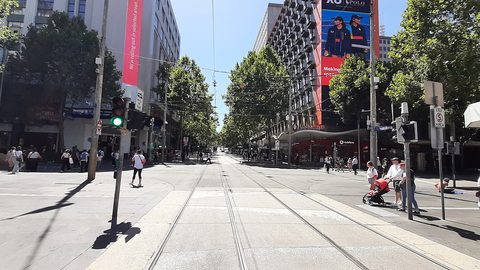 Australia Safety Advice Without the Hype, Sun, Surf and Distance Risks
The real risks in Australia are sunburn in 15 minutes, rip currents at unpatrolled beaches, and running out of fuel inland.
Australia Safety Advice Without the Hype, Sun, Surf and Distance Risks
The real risks in Australia are sunburn in 15 minutes, rip currents at unpatrolled beaches, and running out of fuel inland.
-
 A Ground-Level Logistics Guide to Independent Travel in China
First-time independent travel in China: what you need to know about visas, rail booking, eSIMs, mobile payments, and power adapters.
A Ground-Level Logistics Guide to Independent Travel in China
First-time independent travel in China: what you need to know about visas, rail booking, eSIMs, mobile payments, and power adapters.
-
 How Solo Travelers Stay Ahead of Flight Delays and Cancellations
How solo travelers can track inbound aircraft, claim rebooking rights, and adjust ground transport when flights go wrong — step by step.
How Solo Travelers Stay Ahead of Flight Delays and Cancellations
How solo travelers can track inbound aircraft, claim rebooking rights, and adjust ground transport when flights go wrong — step by step.
-
 Why Your eSIM Might Not Work Abroad and How to Check Before You Go
Buying an eSIM doesn't guarantee signal abroad. Learn why coverage fails by location and how to verify reach before you commit to a plan.
Why Your eSIM Might Not Work Abroad and How to Check Before You Go
Buying an eSIM doesn't guarantee signal abroad. Learn why coverage fails by location and how to verify reach before you commit to a plan.