Day Trips from Cairo and How Long Each One Really Takes
Day trips from Cairo look close on a map but traffic and desert roads change everything. Here is how long each one really takes.
Day Trips from Cairo and How Long Each One Really Takes
You check the time on your phone at the Giza Plateau, note the 46-minute Google Maps estimate to Saqqara, and assume a relaxed afternoon. Ninety minutes later, your Uber is still crawling through the same intersection in Haram. That is the gap between what maps tell you and what Cairo’s traffic delivers. Below are the day trips from Cairo that actually work, timed door to door from a central Cairo hotel, with the vehicle you need, the realistic minimum duration, and the honest assessment of whether they are worth the journey on a short visit.
The Real Cost of Leaving Cairo
Cairo is a magnificent, chaotic pressure cooker of 20 million people. Every move you make involves traffic. The single biggest tripwire visitors hit is underestimating travel time between districts. A 5 km trip can take 50 minutes. Google Maps walking or driving estimates will tell you a half-day plan is possible, and Cairo will prove it is not. Before you decide which day trip to attempt, accept two truths. First, you will not beat the traffic; you can only schedule around it. Second, any trip that requires you to leave the Greater Cairo area is a full-day commitment, not a half-day errand. Plan your departure for 07:00. Plan your return for after 17:00. Anything in between is the drive itself.

Saqqara and Dahshur Day Trip
Drive Times and What You Can Actually Cover
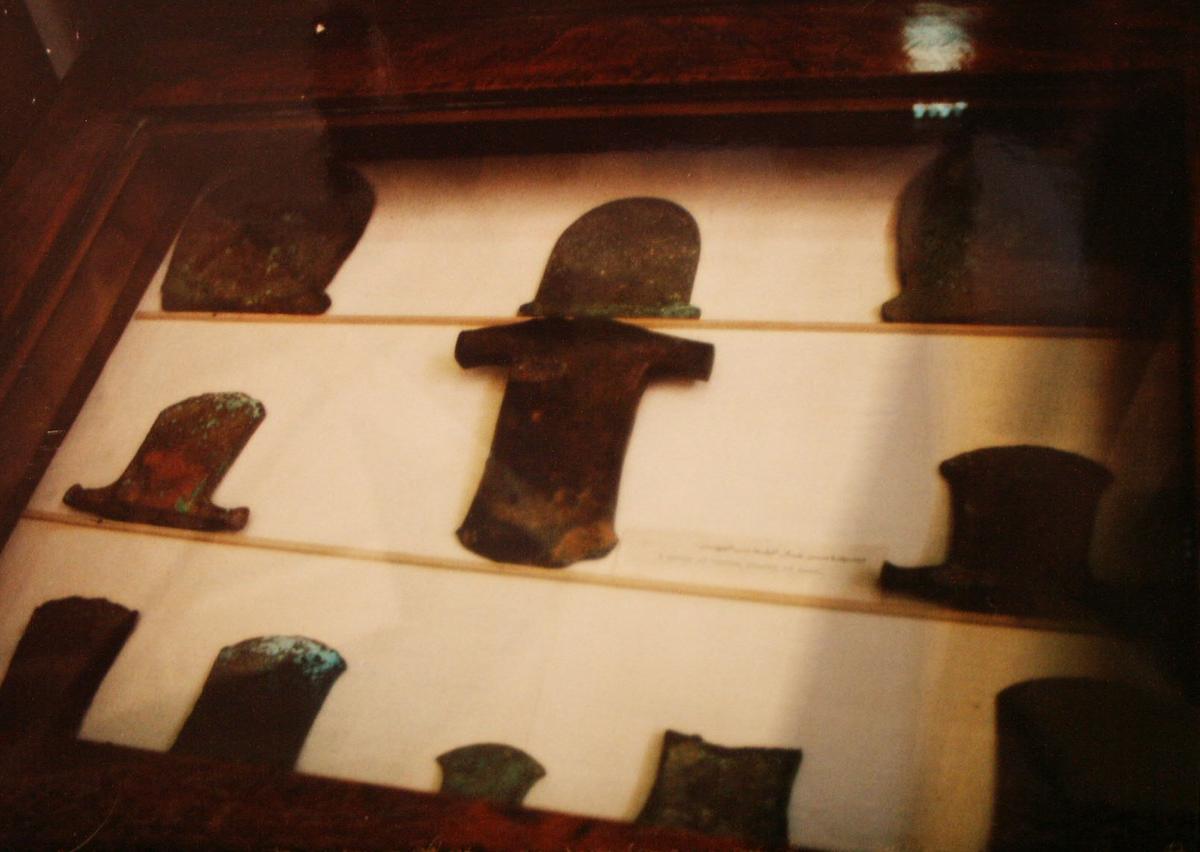
Saqqara is roughly 27-30 km south of central Cairo, and the one-way drive time runs 60-90 minutes. Dahshur sits another 8-10 km further south, about 35-40 km from central Cairo, with a one-way drive of 75-105 minutes. A combined trip that includes Saqqara, Dahshur, and the Memphis open-air museum (23-25 km south of central Cairo, 60-90 minutes one-way) covers roughly 80-100 km round trip. That sounds manageable. It is not a half-day plan.
Departure at 07:30 from a Downtown or Zamalek hotel puts you at Saqqara around 09:00. The Step Pyramid of Djoser deserves two hours minimum, especially if you walk the necropolis beyond the main structure. Drive time to Memphis is short, roughly 15 minutes south, but the open-air museum is small, 45 minutes covers the colossal limestone statue of Ramesses II and the surrounding fragments. From Memphis, drive to Dahshur, another 15-20 minutes south. The Red Pyramid and the Bent Pyramid are the main structures. You can enter the Red Pyramid interior, which takes about 30 minutes including the climb down and back up. The Bent Pyramid you view from outside unless you have a special permit. By 13:30 you are heading north into Cairo traffic. Expect 90-120 minutes back to central Cairo. The total: a long three-quarter-day trip, 07:30 to 15:30, minimum.
Giza Combo or Separate Day
This trip combines sensibly with Giza only if you start at Giza at 07:00, finish by 10:00, then drive south. Doing all four sites, Giza, Saqqara, Memphis, Dahshur, in one day requires a driver who knows the back roads and a willingness to skip lunch and the Red Pyramid interior. Most visitors find that pace exhausting and the value of each site diminishes. A better plan: give Giza its own morning, then take a separate day for the southern trio. The drive times and the scale of the sites justify two half-dedicated days, not one rushed one.
Vehicle and Logistics
What kind of vehicle you need: a private car with a driver hired for the full day. Uber works for individual legs but getting a driver to wait at the southern site for an hour and then take you back is unreliable. Pre-book a driver through your hotel or a reputable tour operator. Expect to pay for the driver’s waiting time. The desert road between Memphis and the Red Pyramid site is in reasonable condition, but a standard sedan is fine, no 4x4 needed.
Short Visit Verdict
Is it worth it on a short visit? Yes, if you are a history obsessive who wants to stand inside 4,500-year-old tombs. The Red Pyramid interior is quieter, less crowded, and more atmospheric than the Great Pyramid. The Step Pyramid is older than Giza and the site is vast enough that you lose the crowds. If you have only three full days in Cairo, skip the southern pyramids and do Saqqara and Memphis as a half-day, returning by 13:00 for an afternoon in Islamic Cairo. Save the Bent Pyramid site for a second visit.
Wadi Al-Hitan Fayoum Trip
The Journey and What You Need
Wadi al-Hitan, the Valley of the Whales, is a UNESCO fossil site in the Fayoum region, roughly 150 km southwest of Cairo. The one-way drive is 2.5 hours by 4x4. You need a 4x4 for the last 15 km of desert track; a standard sedan will not make it past the checkpoint. This is a full-day trip, no negotiation. Departure at 06:30, arrival at the site around 09:00. You spend two to three hours walking the fossil trails, viewing the excavated whale skeletons that document the evolution of marine mammals. Then a 2.5-hour drive back, plus the Fayoum, Cairo road traffic that builds from midday. You are back in central Cairo no earlier than 16:00, and often closer to 17:30.
The site has minimal shade, no café, and a single restroom at the entrance. You carry your own water, lunch, and sun protection. The journey time and the 4x4 requirement mean this trip costs more than the others, expect to pay for the vehicle, the driver, and a guide if you want context on the fossils. Combined sensibly with other sights: no. You cannot add Fayoum’s Lake Qarun or the water wheels on the same day. The drive is long, the site is remote, and the desert road is slow.
Who Goes and Who Skips
Who should do it: palaeontology enthusiasts, geology travellers, and anyone who has already seen the pyramids and wants something completely different. Who should skip it: anyone on a 3-day Cairo itinerary. The journey time eats a full day that is better spent on Saqqara, the Egyptian Museum in Tahrir, and Islamic Cairo. If you have five or more days in Cairo, Wadi al-Hitan is a memorable detour. If you have three, leave it for a return trip.
Wadi Natrun Monasteries Visit
Getting There and Timing
The monasteries of Wadi Natrun sit about 1.5 hours by car on the desert road northwest of Cairo. The drive is straightforward, you take the Cairo, Alexandria desert road, exit at the Wadi Natrun sign, and follow the road to the monastery compounds. No 4x4 needed. A standard sedan or an Uber works, though hiring a driver for the day is more reliable because cell service is patchy beyond the main road and you may struggle to call a return Uber.
There are four active Coptic monasteries: Deir Anba Bishoi, Deir el-Suryan, Deir Abu Makar, and Deir el-Baramus. Visiting two or three of them takes about three hours on site. The drive each way is 90 minutes, putting total journey time at roughly six hours door to door. That is a half-day plus, not a full-day commitment. Depart at 08:00, return by 14:00. You can add an afternoon in central Cairo, a late lunch at Abou Tarek for koshary, then a walk through Khan el-Khalili.
What to Expect
The monasteries are stark and quiet, set in the Western Desert. Coptic history is the draw: these are among the oldest Christian monastic communities in the world, with original iconography and church architecture from the 4th to 6th centuries. Photography is restricted inside the churches. Dress code is strict, shoulders and knees covered, shoes removed at church entrances. The site is not crowded. Weekday mornings are best.
Combine sensibly with Giza? No. The desert road runs west, not south. Combining Wadi Natrun with anything on the Giza Plateau adds unnecessary backtracking. Give it its own morning. Worth it on a short visit: yes, if Coptic history interests you. The journey time is lower than any other day trip listed here, and the contrast with Cairo’s noise is bracing. Not for anyone who finds desert landscapes monotonous or who has limited tolerance for religious site rules.

Suez Canal Ismailia Day Trip
Logistics and the Drive
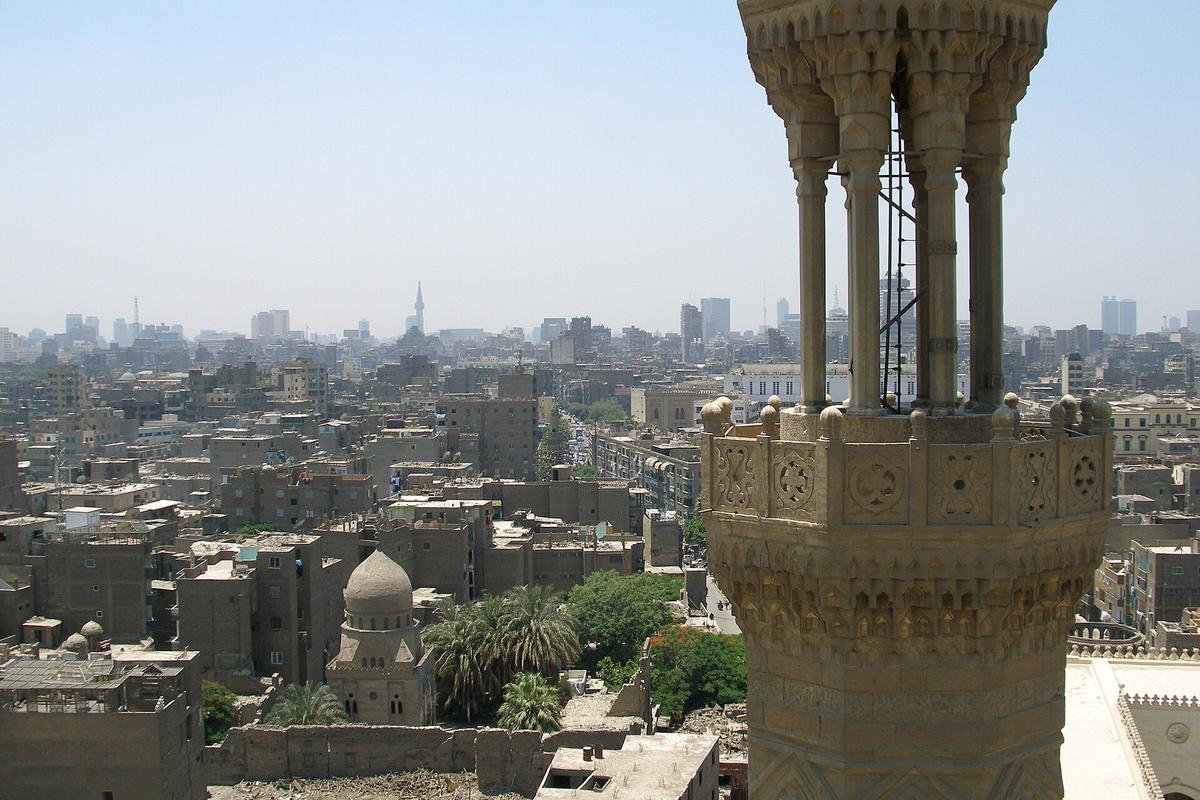
Ismailia is a quiet colonial-era town on the Suez Canal, roughly 130 km northeast of Cairo. The drive is 1.5 hours on the Cairo, Ismailia desert road. A standard sedan is fine. No 4x4. No checkpoint issues beyond a routine ID check at the canal zone entrance, carry your passport.
The main attraction is the Suez Canal viewpoint at the waterfront promenade, where you can watch container ships transit the waterway. The Ismailia Museum holds a small collection of canal-era artefacts and Ismaili history. The town itself is green, laid-back, and notably cleaner than Cairo. You can walk the waterfront, have lunch at a fish restaurant, and be back in Cairo by 15:00. Total door-to-door time: about seven hours, including two hours on site. That is a half-day plus, not a full day.
Should You Go
Combine sensibly with other sights: no. There is nothing en route worth stopping for. The Port Said option is further north and adds 45 minutes each way. Stick to Ismailia. Worth it on a short visit: only if you have a specific interest in the Suez Canal, modern Egyptian infrastructure, or want a day of quiet. The drive is easy, the town is pleasant, but the payoff is modest compared to spending that same time in Islamic Cairo or the Grand Egyptian Museum. If you have four or more days in Cairo, Ismailia makes a good break from the city’s intensity. If you have three, skip it.
Which Traveller These Trips Suit
Day trips from Cairo suit the history obsessive who wants to stand inside 4,500-year-old tombs, not just photograph them. They suit the urban explorer who can handle the sensory overload of a 90-minute drive through Cairo traffic and still find joy in a desert monastery or a fossil trail. They do not suit the traveller who needs clean air, quiet, walkable streets, or personal space. Anyone on a strictly relaxing holiday will find each of these trips actively depleting. First-time solo female travellers should note that the persistent, exhausting harassment common in Cairo does not stop at the city limits, it follows you to the desert road checkpoints and the monastery courtyards. A hired driver for the full day mitigates some of that friction. Budget for it.
Frequently Asked Questions
Can you combine Saqqara and Giza in one day?
Yes, but only if you start at Giza at 07:00, finish by 10:00, and drive directly south to Saqqara. You will cover three sites, Giza, Saqqara, and Memphis, but you will skip Dahshur and the Red Pyramid interior. The total driving distance is about 100 km round trip, and you will return to central Cairo around 16:00. It is a long day, not a relaxed one.
Do you need a guide for Wadi al-Hitan?
Not strictly required, but recommended. The fossil trail has interpretive signs, but a guide provides context on the whale evolution sequence and the geology of the Fayoum depression. If you book through a tour operator, the guide and 4x4 are usually included in the price. Going independently means arranging your own 4x4 and driver, which costs roughly the same and adds logistics.
Are the Wadi Natrun monasteries open every day?
Yes, but hours vary by monastery and by season. Most open from 08:00 to 16:00. Friday and Sunday mornings see more visitors due to local Coptic services. Weekday mornings are quietest. Check with your hotel or driver before departing, as feast days and Lenten observances may close parts of the compounds.
Is the Suez Canal day trip safe?
Yes. The canal zone is a secure military area, not a conflict zone. You will pass through one checkpoint on the approach to Ismailia, where your passport is checked. The waterfront promenade and museum are safe and calm. Standard Cairo precautions apply, keep valuables out of reach, do not wander into restricted areas near the canal banks.
Which day trip is best for a first-time visitor with three days in Cairo?
The Saqqara and Memphis combination, without Dahshur. It occupies a half-day to three-quarter-day, leaves your afternoon free for Islamic Cairo or the Egyptian Museum, and gives you the Step Pyramid and the Ramesses II colossus without the full-day commitment of the southern route. Save Wadi al-Hitan and Ismailia for a longer stay.
Read next
-
 Cairo Hotels, What the Price Bands Actually Get You
Cairo hotel price bands buy very different things: location, quiet, pyramid views, and reliable Uber pickups. Here is what each band really gets you.
-
 Where to Stay in Cairo, District Trade-offs and What Each Costs You
Where to stay in Cairo depends on how much noise, traffic, and travel time you can trade for calm or proximity to the pyramids.
-
 Things to Do in Cairo Ordered by Whether They Are Worth the Time
Which Cairo sights are worth the time, and in what order should you tackle them given the traffic and booking rules? This page ranks them.
-
 Best Time to Visit Cairo and What Each Season Does to It
The best time to visit Cairo is the cooler peak season, but each season changes the heat, air quality, crowds, and sight availability.
-
 Getting Around Cairo Without Wasting Half the Trip
Getting around Cairo means budgeting extra time for traffic and Uber cancellations. Here is how to move without wasting half the trip.
-
 Cairo Itinerary, How to Spend Two or Three Days in Cairo
How to structure two or three full days in Cairo, grouping sights by district and accounting for the city's traffic and scale.
-
 Downtown Cairo
What Downtown Cairo is like to stay in and walk around, from Belle Époque bones to street noise, and who it suits.
-
 Egypt Travel Guide, Planning a Trip Along the Nile and Red Sea
A practical Egypt travel guide focused on the Nile corridor, covering trip structure, domestic transit realities, and how tickets and guides work at major sites.
-
 Staying Connected in Egypt With eSIM, Local SIM or Hotel Wi-Fi
Egypt's mobile network works well but carries two traps: a 90-day IMEI tax that blocks foreign phones and a WhatsApp calling ban on mobile data.