Best Time to Visit Cairo and What Each Season Does to It
The best time to visit Cairo is the cooler peak season, but each season changes the heat, air quality, crowds, and sight availability.
The common assumption about the best time to visit Cairo is that winter is the only tolerable window. That is half right. November to February delivers daytime temperatures of 18 to 24°C, which makes walking through the Giza plateau or the alleys of Islamic Cairo physically possible. But the answer to when you should go depends on what you are willing to trade. Peak season brings high hotel rates, packed sights, and a city operating at full tourist capacity. Summer drops flight prices and thins the crowds, but the trade is a daytime heat range of 34 to 38°C that makes midday sightseeing unsafe. The real decision is not about weather alone. It is about how much heat, dust, and disruption you can absorb for the reward of empty tombs and cheaper rooms.
Cairo Weather by Season
Cairo sits in a hot desert climate with negligible rainfall year round. Monthly averages stay under 10 mm. The seasonal shifts hit temperature and air quality, not precipitation.
Winter, November To February
This is the primary tourist season for a reason. Winter daytime highs run 18 to 21°C, and nighttime lows drop to 8 to 11°C. You need a jacket after dark. Air quality is at its best from December to February, and the UV index is low. The trade is peak season prices: December to February sees the highest hotel rates and flight costs of the year. Crowds at the Giza Pyramids, the Egyptian Museum in Tahrir, and the Khan el-Khalili souk are thick. Book everything online in advance.
Spring, March To May
Spring warms fast. Daytime temperatures climb into the high 20s and low 30s by May. The main problem is the khamsin dust storms that roll through March to May, dropping visibility and aggravating respiratory issues. April to May is the low point for humidity, which helps, but the dust makes outdoor sightseeing inconsistent. This is a secondary tourist season with moderate crowds and moderate prices.
Summer, June To August
This is the low tourist season. Daytime highs hit 34 to 38°C, and the humidity peaks from July to September. Nighttime lows stay at 21 to 24°C, offering no real relief. The failure case here is midday exposure: you cannot safely walk on the Giza plateau or the Saqqara necropolis between 11:00 and 16:00. Plan morning starts before 08:00 and evening returns after 17:00. Hotel rates drop significantly, and you will share the major sites with far fewer people.
Autumn, September To October
Autumn cools from the summer peak and is stable, but October brings a specific problem. The black cloud of rice straw burning blankets the city, making air quality worse than at any other time of year. If you have asthma or a respiratory condition, avoid October. The Cairo International Book Fair usually falls in late January or early February, not autumn, but the autumn calendar includes the Cairo Jazz Festival. Confirm dates through the Ministry of Tourism and Antiquities for site hours and the Egyptian Cabinet for public holiday announcements, as dates shift annually.

Cairo Peak Season Months
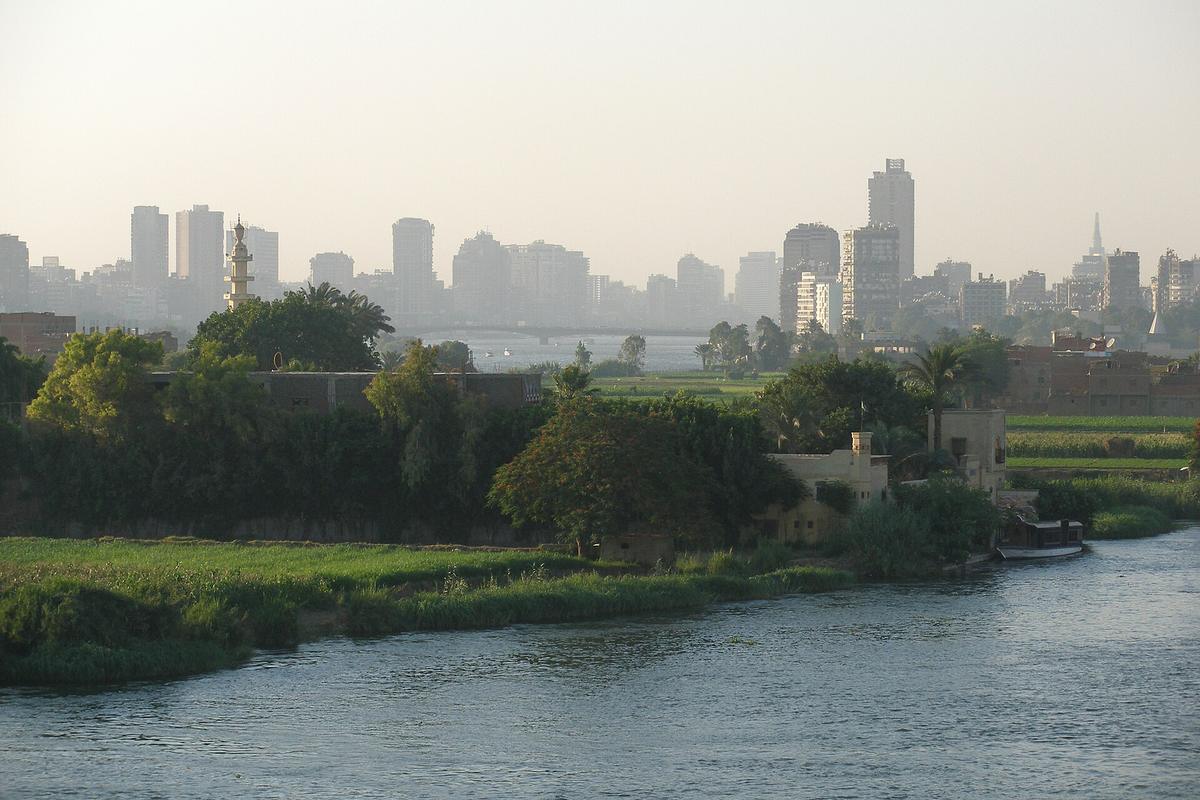
The peak season runs December to February. This is the window when winter temperatures make the city most navigable, and it is also when the rest of the world shows up. Hotel rates hit their annual high, and flights cost more. The secondary tourist season covers October to November and March to April, which offer a compromise: moderate weather with fewer people than peak season and lower prices. The low season is June to August, when the heat drives tourism down and prices follow.
Beyond the calendar, specific events spike crowds and closures. Late December to early January is the worst for crowds at major sites. Coptic Christmas on 7 January causes limited closures in the Coptic Cairo area but minimal citywide disruption. Sham el Nessim, the Monday after Coptic Easter, fills public parks and the Nile corniche with local families. Revolution Day on 23 July, Armed Forces Day on 6 October, Sinai Liberation Day on 25 April, and Labour Day on 1 May all close government offices and some businesses but do not usually affect tourist sights.
| Season | Months | Daytime High | Crowds | Air Quality |
|---|---|---|---|---|
| Peak | December-February | 18-21°C | Heavy | Best |
| Secondary | October-November, March-April | 18-34°C | Moderate | Moderate to Poor (October black cloud) |
| Low | June-August | 34-38°C | Light | Moderate |
Cairo Summer Heat Advice
If you travel in the low season from June to August, the single rule is: do not be outside at midday. Start your day at 07:00 when the temperature is still under 30°C. Finish outdoor sightseeing by 11:00. Rest indoors during the 34 to 38°C peak. Resume at 16:00 or later. The UV index peaks from May to August, so bring a hat, sunscreen, and a water bottle you refill constantly. Nighttime lows of 21 to 24°C mean even evenings are warm. Choose a hotel with working air conditioning and confirm it before you book. The humidity peaks from July to September, which makes the heat feel heavier than the thermometer suggests. Budget for Uber rides between all sights; walking between districts is not an option in summer. A five kilometre trip takes 50 minutes in traffic, so factor that into your schedule.

Cairo Ramadan Travel
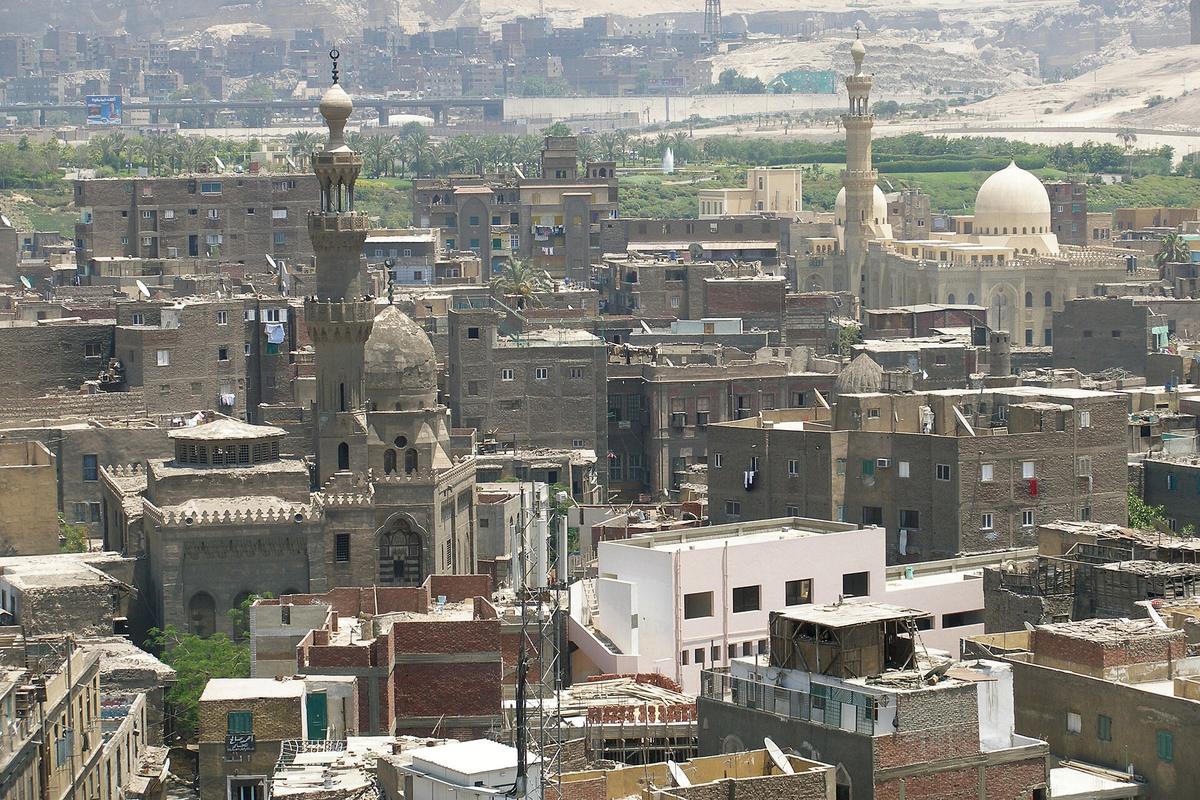
Ramadan shifts earlier by about 10 to 11 days each Gregorian year. For 2026, it falls approximately from 18 February to 19 March, and for 2027, from 8 February to 9 March. The Dar al Ifta al Misriyyah publishes the official dates. Travelling during Ramadan is a distinct experience, not a problem if you plan around the altered rhythms. During daylight hours, many cafes and some shops close or operate reduced hours. Alcohol service is suspended or restricted in most licensed venues. Sites like the Citadel of Saladin and the Egyptian Museum still open, but check the Ministry of Tourism and Antiquities for daily schedule changes.
The city comes alive after sunset. Streets crowd after iftar, and evening activity runs late. Restaurants that close during the day fill up at night. The failure case is arriving at lunchtime and finding nowhere to eat. Stock snacks in your hotel room. Eid al Fitr, which ends Ramadan, triggers a domestic travel surge. Heavy traffic hits the city, and many Cairenes leave for the holiday. The first day of Eid al Fitr shuts most sights early or entirely. The same applies to Eid al Adha, which also reduces business hours and fills transport hubs. Avoid the first days of both Eids for sightseeing.
The Book Fair and the Black Cloud
Two annual disruptions catch visitors off guard. The Cairo International Book Fair runs in late January or early February at the fairgrounds in Nasr City. If you stay near Nasr City, the event adds severe local traffic that turns a 15 minute drive into an hour. The fair itself is a cultural event worth seeing if you are already in Cairo, but do not book accommodation in the area during that week.
The black cloud appears in October and November when farmers burn rice straw outside the city. The smoke drifts into Cairo, dropping air quality to its worst levels of the year. December to February offers the cleanest air. If you have asthma, plan your trip for those months. The spring khamsin dust storms from March to May also degrade air quality, but they are intermittent rather than sustained for weeks.
Common Questions
What is the absolute best month to visit Cairo?
November. It sits in the secondary tourist season with moderate crowds, daytime highs around 24°C, and the black cloud has not fully settled yet. Book flights and hotels four to six weeks ahead.
Can I visit Cairo in July?
Yes, if you accept the 34 to 38°C heat and plan around it. Start sightseeing at 07:00, stop by 11:00, resume at 16:00. Hotel rates are at their lowest. Carry water and a sun hat.
What closes during Ramadan in Cairo?
Many cafes and small shops close during daylight. Alcohol service stops at most licensed venues. Major sights like the Giza Pyramids and the Egyptian Museum remain open with adjusted hours. Confirm online through the Ministry of Tourism and Antiquities.
When does the black cloud affect Cairo?
October and November. Rice straw burning outside the city creates a visible haze that can trigger respiratory issues. Travellers with asthma should choose December to February instead.
Read next
-
 Cairo Hotels, What the Price Bands Actually Get You
Cairo hotel price bands buy very different things: location, quiet, pyramid views, and reliable Uber pickups. Here is what each band really gets you.
-
 Where to Stay in Cairo, District Trade-offs and What Each Costs You
Where to stay in Cairo depends on how much noise, traffic, and travel time you can trade for calm or proximity to the pyramids.
-
 Things to Do in Cairo Ordered by Whether They Are Worth the Time
Which Cairo sights are worth the time, and in what order should you tackle them given the traffic and booking rules? This page ranks them.
-
 Getting Around Cairo Without Wasting Half the Trip
Getting around Cairo means budgeting extra time for traffic and Uber cancellations. Here is how to move without wasting half the trip.
-
 Cairo Itinerary, How to Spend Two or Three Days in Cairo
How to structure two or three full days in Cairo, grouping sights by district and accounting for the city's traffic and scale.
-
 Day Trips from Cairo and How Long Each One Really Takes
Day trips from Cairo look close on a map but traffic and desert roads change everything. Here is how long each one really takes.
-
 Downtown Cairo
What Downtown Cairo is like to stay in and walk around, from Belle Époque bones to street noise, and who it suits.
-
 Egypt Travel Guide, Planning a Trip Along the Nile and Red Sea
A practical Egypt travel guide focused on the Nile corridor, covering trip structure, domestic transit realities, and how tickets and guides work at major sites.
-
 Staying Connected in Egypt With eSIM, Local SIM or Hotel Wi-Fi
Egypt's mobile network works well but carries two traps: a 90-day IMEI tax that blocks foreign phones and a WhatsApp calling ban on mobile data.