A Realistic Look at Whether Is Mexico Safe for Travel Right Now
Mexico's safety headlines rarely describe the risks travellers actually face. Here is how to read the advice, avoid police shakedowns, and navigate taxi conflicts.
Safety in Mexico
A taxi driver in Cancún tells you the fare to Playa del Carmen is $60 USD. The kiosk inside the arrivals hall printed a ticket for $45. You already know which to choose. This one decision, made before you leave the terminal, is the difference between a smooth arrival and the start of a vacation that feels like a negotiation. The question is Mexico safe for travel depends entirely on which risks you actually face, and most of them have nothing to do with the headlines.
What the Headlines Miss
Mexico is a vast country of 1.96 million km² where cartel-related violence is concentrated in specific regions, including parts of Colima, Baja California, Chihuahua, Guanajuato, Guerrero, Michoacán, and Zacatecas, and almost never involves tourists. The homicide rates published by the United States Department of State reflect territorial conflict, not crime against visitors. What actually affects travellers is a different, smaller set of problems: police shakedowns on the Tulum, Bacalar route, taxi syndicate aggression at Cancún airport, ATM skimming, and petty theft in crowded markets. Distinguish between those two realities, and you can move through the country with the same awareness you would use in any busy city.

Is Mexico Safe for Travel: the Real Question
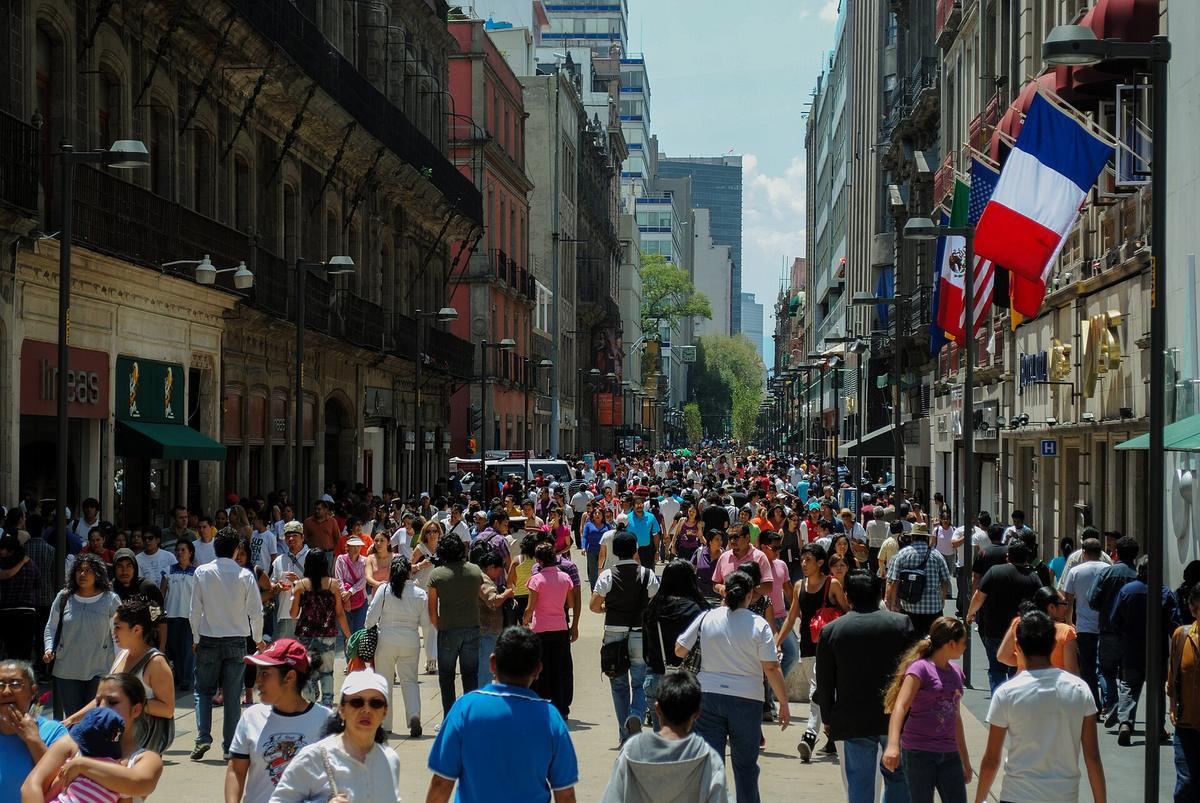
A better framing is: safe for whom, doing what, where? A solo backpacker sleeping on second-class buses through remote Chiapas faces different risks than a couple in a Cancún all-inclusive. A food traveller buying esquites from a street cart in Mexico City Centro Histórico needs to watch for pickpockets, not cartels. The high-homicide states listed in every government travel advisory, the Australian Department of Foreign Affairs and Trade and the Government of Canada publish updated versions each year, are places most tourists never visit. If you stick to the well-travelled circuit of Mexico City, Oaxaca Centro, the Yucatán, and San Cristóbal de las Casas, the most dangerous thing you will do is cross a Mexico City street during peak traffic.
- Relevant Government Advisories: United States Department of State, UK Foreign, Commonwealth and Development Office, Government of Canada, Australian Department of Foreign Affairs and Trade, New Zealand Ministry of Foreign Affairs and Trade
- Emergency Number: 911 nationwide (police, ambulance, fire)
- Tourist Highway Assistance: Ángeles Verdes (Green Angels) on federal highways, free mechanical help and tourism info
- Blood Alcohol Limit: 0.08% federal standard; some states lower. Random breath-testing checkpoints increase on holidays and weekends
- Tap Water: Not potable anywhere. Bottled or purified water for drinking and tooth-brushing
| Risk Type | Where It Happens | Who Is Targeted | Mitigation |
|---|---|---|---|
| Cartel violence | Colima, Michoacán, Zacatecas, Guerrero, Tamaulipas, northern border states (military checkpoints present) | Rival cartel members, local populations, journalists | Avoid these regions entirely for tourism. No circuit requires them. |
| Police shakedowns | Route Tulum to Bacalar, rural highways with state police checkpoints | Drivers of rental cars with foreign plates | Stay calm. Have licence, passport copy, and rental papers ready. If asked for cash, request a written citation. Do not argue. |
| Taxi syndicate aggression | Cancún airport, Los Cabos airport, ferry terminals in Quintana Roo | Tourists walking out of terminals to meet Uber drivers | Use official airport taxi kiosks inside arrivals. Do not meet Uber on airport grounds. In Cancún, a kiosk taxi to the Zona Hotelera runs roughly MXN 500–700, set by the airport authority. Check the current rate card at the counter. |
| ATM skimming and fraud | Street-side ATMs, non-bank machines in tourist zones | Anyone withdrawing cash | Use ATMs inside banks during business hours. Decline the machine's conversion offer, you lose 4–7% on the spread. Withdraw pesos, not USD. |
| Petty theft | Crowded markets in Mexico City Centro Histórico, public transport, Zócalo | Distracted tourists with visible valuables | Leave passport in hotel safe. Carry only the cash you need for the day. Keep phone in front pocket or closed bag. |
Mexico Travel Safety Advice That Actually Works
Most Mexico travel safety advice falls into two useless categories: endless warnings about kidnapping that make the country sound unvisitable, or breezy dismissal that leaves travellers unprepared for real friction. The practical version looks like this.
Police Shakedowns Tulum to Bacalar: What to Do
This is the single most common interaction tourists have with Mexican law enforcement. On the highway from Tulum to Bacalar, police and Guardia Nacional checkpoints target rental cars with foreign plates. The stop is routine: they ask for your licence, passport copy, and rental agreement. What happens next depends on how you handle it.
If an officer suggests a small cash payment, a mordida, will resolve a minor infraction you did not commit, stay calm. Do not argue. Do not raise your voice. Ask for a written citation; municipal police are required to issue one if they intend to fine you. The officer will wave you through rather than write the paperwork. Keep your hands visible. Have your documents in an accessible pocket, not buried in a bag. If you are asked to pay, paying a small amount on the spot is safer than escalating a dispute on a rural highway, especially if you are alone or driving after dark. The failure case: arguing with an officer at 8pm on an unlit stretch of road between Felipe Carrillo Puerto and Bacalar, where the next town is 45 minutes away.
Mexico City Safety for Tourists
Mexico City is safe for tourists in the same way Paris or New York is safe: you can be fine for years, or you can make one mistake and lose your phone. The risks are concentrated and predictable.
Street Crime and Pickpockets
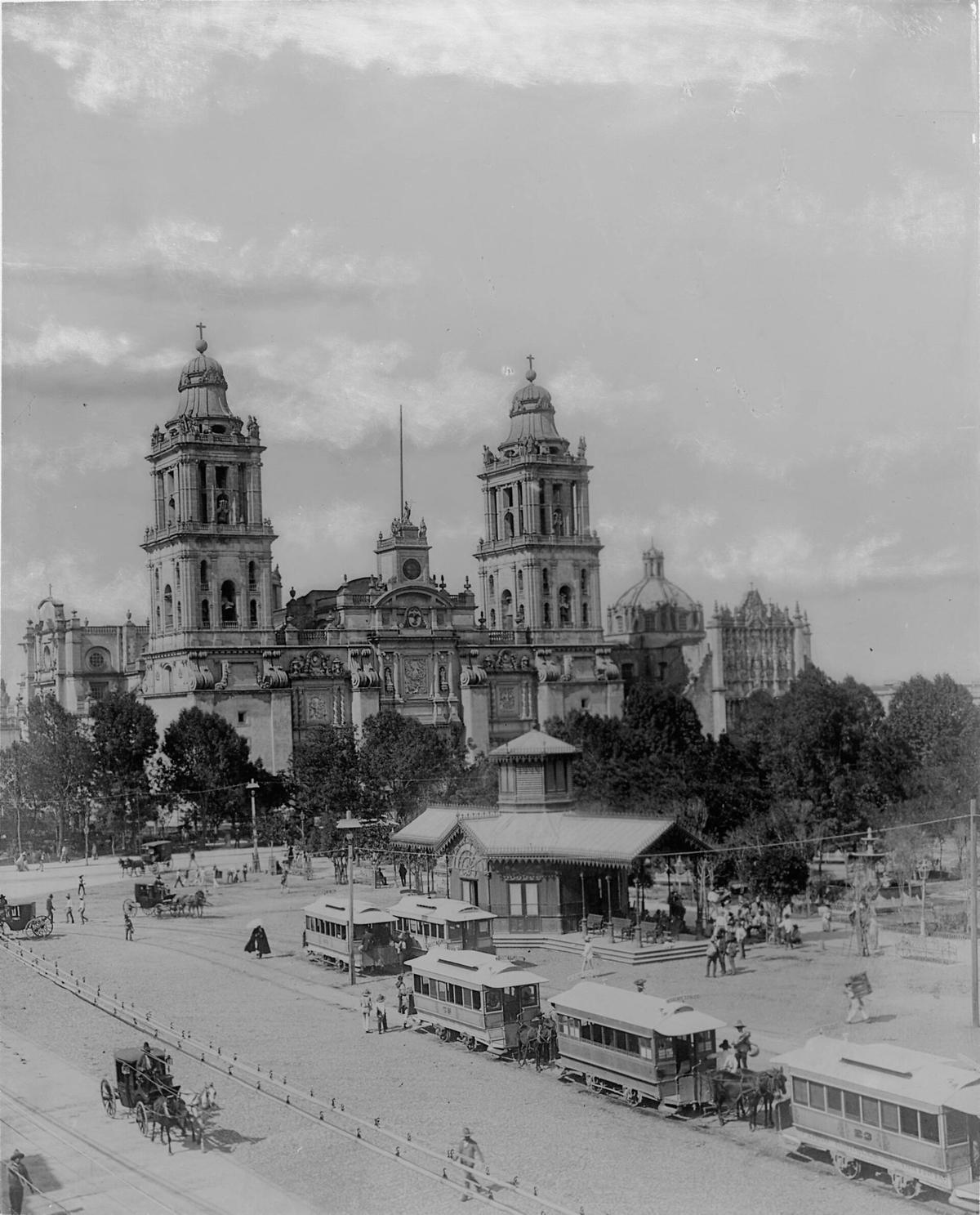
In Roma Norte and Condesa, the leafy, walkable districts where most visitors stay, street crime is low. Theft happens on the Metro during rush hour, in the Centro Histórico around the Zócalo, and in markets like La Merced and Sonora. Pickpockets work in teams: one distracts, another lifts your phone from your back pocket. Leave your passport in the hotel safe. Carry a dummy wallet with an expired card and a small amount of pesos for the off chance you are mugged.
Taxi Safety and Express Kidnapping
Street-hailed taxis carry a genuine risk of express kidnapping, short-term abduction forcing you to withdraw cash from ATMs. Use only app-based services (Uber, Didi, Cabify) or sitio taxi ranks. From Mexico City International Airport (AICM), take the official taxi from the kiosk inside the arrivals hall. Metrobús Line 4 to the centre costs roughly MXN 30 but is slow with luggage. Never accept a ride from a man approaching you in the terminal.
Air Quality and Altitude
Ozone and particulate matter frequently exceed WHO guidelines, especially during the dry-season thermal inversions in November and May. If you have severe respiratory issues, carry an inhaler and plan indoor activities on high-pollution days. The failure case: trying to walk through the Zócalo at 2pm in a pollution alert without water or protection from the altitude. Mexico City sits at 2,250 metres, and the UV index is frequently extreme, 11+, between 10:00 and 16:00.
.jpg)
Taxi Safety Cancún Airport: One Rule
The rule is: buy your taxi inside the terminal before you see a driver. At Cancún International Airport (CUN), every arrivals hall has a kiosk with a printed rate card. Tell the agent your destination, Puerto Morelos, Playa del Carmen, Tulum, Cancún centro, and pay at the counter. The driver assigned to you is registered, regulated, and not a syndicate freelancer.
What goes wrong: travellers exit the terminal hoping to find a cheaper Uber or colectivo. In Cancún, taxi syndicates have a history of aggressive, sometimes physically violent, opposition to ride-hailing services. You can take Uber from Cancún if you walk off airport property, past the main road, about 10 minutes on foot, but you risk a confrontation between the Uber driver and the taxi union. It is not worth the saving. Pay for the official taxi. The failure case: a driver who is not from the official kiosk quotes an inflated USD fare for a ride to Tulum, then demands cash upfront and stops at a gas station to pick up a friend.
The Everyday Risks That Actually Matter
ATM Skimming and Currency Conversion
Card skimming is reported at ATMs in tourist zones, particularly standalone machines in corner stores and on the street. Use ATMs inside bank branches during business hours. When the machine asks if you want to convert the amount to your home currency, decline. The machine's conversion rate is 4-7% worse than your bank's. Withdraw pesos, not USD, even if you are headed to a beach town that accepts dollars. The exchange rate offered at the ATM for dollar withdrawals is the worst on the property.
Petty Theft in Markets and Public Transport
Crowded markets in Mexico City Centro Histórico, the Zócalo, and public transport are where phones disappear. Pickpockets work in teams near Metro entrances during rush hour and around market stalls during food rushes. Carry only the cash and one card you need for the day. Keep your phone in a front pocket or a bag that stays zipped and in front of your body. The failure case: pulling out your phone to check Google Maps while standing still at the edge of a crowd. That is the one moment a thief needs.
Health Risks: Altitude, Food, and Sun
Mexico City sits at 2,250 metres. Altitude sickness is possible, especially on arrival from sea level. Symptoms include headache, nausea, and shortness of breath. Plan a light first day: hydrate, avoid alcohol, eat small meals. Foodborne illness from travellers' diarrhoea is the most common health problem. Buy street food from vendors with high turnover, food cooked to order, and proper hot-holding. Unpeeled raw fruits and vegetables washed in tap water carry risk. Sun intensity is extreme: the UV index is frequently 11+ between 10:00 and 16:00 at elevation. Use sunscreen and a hat even on overcast days. Dengue is endemic across all states, with peak transmission during and after the rainy season, June through October. Use insect repellent containing DEET in coastal and lowland areas.
How to Actually Prepare
Download offline Google Maps and a Spanish translation pack before you leave Wi-Fi. Buy a Telcel Amigo SIM card at any OXXO convenience store; it has the broadest 4G coverage in rural areas, including Chiapas and the Copper Canyon. eSIMs from providers like uPhone work but cost more. Public Wi-Fi in city plazas is fine for messaging, useless for anything else.
Carry a copy of your passport, not the original. Leave the original in your hotel safe. Carry a dummy wallet with an expired card and a small amount of pesos in small bills. If you are mugged in a Mexico City market, handing over the dummy wallet ends the interaction without losing your real cards.
Book the official airport taxi before you leave the arrivals hall. Do not meet an Uber on airport grounds in Cancún or Los Cabos. On the Tulum to Bacalar route, drive during daylight, keep documents accessible, and stay calm at checkpoints. Do not drive after dark anywhere outside a major city.
Frequently Asked Questions About Safety in Mexico
Is it safe to drive in Mexico at night?
No. Night driving on rural highways carries risks from livestock on roads, unlit vehicles, unmarked topes (speed bumps), and security concerns in certain areas. The Ángeles Verdes (Green Angels) patrol federal highways during daylight hours only. Plan all long drives to arrive before sunset, by 17:00-18:00 depending on season.
Can I trust the police in Mexico?
It depends on the state and the type of officer. Municipal police on the Tulum to Bacalar route are the most likely to solicit bribes. Federal police and Guardia Nacional at military checkpoints, present near state borders and in regions with organised-crime activity, are professional. In any interaction, keep your hands visible, produce documents calmly, and request a written citation if you disagree with an alleged infraction.
What should I do if a police officer asks for a bribe?
Stay calm. Do not accuse the officer. Ask for a written citation instead of paying cash. If the officer insists on payment and you are alone on a rural road, paying a small amount is safer than escalating. After the stop, note the officer's badge number and vehicle plate, then report the incident to your embassy or consulate.
Is the tap water safe to drink anywhere in Mexico?
No. Tap water is not potable in any region, including Mexico City, Cancún, and Tulum. Locals drink from garrafones (large purified water jugs). Ice made from commercially produced purified water is safe in reputable bars and restaurants. Street-vended ice carries risk. For tooth-brushing, use bottled or purified water.
How common is express kidnapping in Mexico?
Express kidnapping occurs but is concentrated in urban areas and almost always targets passengers of street-hailed taxis. In Mexico City, the victims are tourists who accept a ride from an unregistered driver outside the airport or bus station. Using app-based services (Uber, Didi) or official sitio taxi ranks eliminates the risk entirely.
Should I carry cash or cards in Mexico?
Both, but cash is required for small purchases, markets, colectivos, and many rural businesses. ATM availability is widespread in cities and tourist zones but limited in remote areas. Card skimming risk exists at standalone street ATMs; use machines inside bank branches during business hours. Decline the machine's currency conversion offer to avoid a 4-7% loss on the exchange rate.
What is the biggest safety mistake tourists make in Mexico?
Trying to cover too much ground in too little time. A common itinerary, Mexico City, Oaxaca, and the Yucatán in two weeks, requires three transit days that eat into your buffer for delays. The exhaustion and rushed decision-making that follow increase every other risk: taking a bad taxi at night, withdrawing cash at a street ATM because you ran out, or driving the Tulum to Bacalar route after dark to make up time.
Read next
-
 Staying Connected in Mexico, eSIM, Telcel SIM, or Roaming
Compare eSIM providers against a physical Telcel SIM for a Mexico trip. Coverage in remote areas like the Copper Canyon and Chiapas decides the winner.
Staying Connected in Mexico, eSIM, Telcel SIM, or Roaming
Compare eSIM providers against a physical Telcel SIM for a Mexico trip. Coverage in remote areas like the Copper Canyon and Chiapas decides the winner.
-
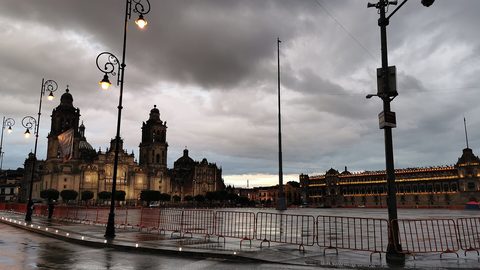 When to Go to Mexico Without Melting, Getting Rained Out, or Paying Double
Mexico's dry season runs December to March with perfect weather and peak prices. Hurricane season hits the coasts from August to October.
When to Go to Mexico Without Melting, Getting Rained Out, or Paying Double
Mexico's dry season runs December to March with perfect weather and peak prices. Hurricane season hits the coasts from August to October.
-
 Getting Around Mexico When the Map Makes Distances Look Shorter Than They Are
Mexico is 1.96 million square kilometres. ADO buses are the backbone, colectivos rule the Yucatán, and Uber works until it doesn't.
Getting Around Mexico When the Map Makes Distances Look Shorter Than They Are
Mexico is 1.96 million square kilometres. ADO buses are the backbone, colectivos rule the Yucatán, and Uber works until it doesn't.
-
 Mexico Visa Rules and the FMM Tourist Card Explained Without the Guesswork
Most visitors to Mexico do not need a visa, but everyone needs an FMM tourist card. Here is who qualifies, how to get it, and what it costs.
Mexico Visa Rules and the FMM Tourist Card Explained Without the Guesswork
Most visitors to Mexico do not need a visa, but everyone needs an FMM tourist card. Here is who qualifies, how to get it, and what it costs.
-
 Cash or Card in Mexico and Why the ATM Keeps Asking You a Weird Question
Mexico runs on pesos and cash still rules markets, colectivos, and street food. Here is how to avoid the ATM conversion trap and when to use a card.
Cash or Card in Mexico and Why the ATM Keeps Asking You a Weird Question
Mexico runs on pesos and cash still rules markets, colectivos, and street food. Here is how to avoid the ATM conversion trap and when to use a card.
-
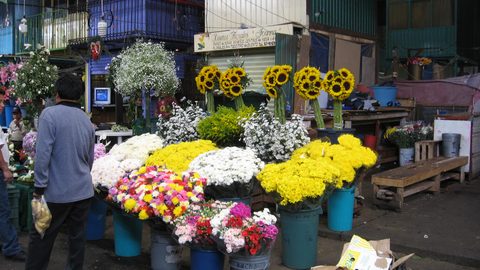 What a Trip to Mexico Costs, from Street Taco to Boutique Hotel
Mexico trip costs vary wildly by region and travel style. Here's what a day actually costs, from street stalls in Oaxaca to beach clubs in Tulum.
What a Trip to Mexico Costs, from Street Taco to Boutique Hotel
Mexico trip costs vary wildly by region and travel style. Here's what a day actually costs, from street stalls in Oaxaca to beach clubs in Tulum.
-
 How to Budget a Trip Based on Purchasing Power, Not Just Exchange Rates
Exchange rates tell only half the story. See how purchasing power shapes your real travel budget across Southeast Asia, Eastern Europe, and Latin America.
How to Budget a Trip Based on Purchasing Power, Not Just Exchange Rates
Exchange rates tell only half the story. See how purchasing power shapes your real travel budget across Southeast Asia, Eastern Europe, and Latin America.
-
 A Ground-Level Logistics Guide to Independent Travel in China
First-time independent travel in China: what you need to know about visas, rail booking, eSIMs, mobile payments, and power adapters.
A Ground-Level Logistics Guide to Independent Travel in China
First-time independent travel in China: what you need to know about visas, rail booking, eSIMs, mobile payments, and power adapters.
-
 How Solo Travelers Stay Ahead of Flight Delays and Cancellations
How solo travelers can track inbound aircraft, claim rebooking rights, and adjust ground transport when flights go wrong — step by step.
How Solo Travelers Stay Ahead of Flight Delays and Cancellations
How solo travelers can track inbound aircraft, claim rebooking rights, and adjust ground transport when flights go wrong — step by step.