Mapping Your Mexico Trip Cost Breakdown by Travel Style
Mexico trip costs vary wildly by region and travel style. Here's what a day actually costs, from street stalls in Oaxaca to beach clubs in Tulum.
The Real Cost of Travel in Mexico, Mapped by Experience
Most first time visitors plan a Mexico trip cost breakdown by counting hotel stars, then wonder why the total feels nothing like the guidebook said. The real lever is geography, not comfort. A week on the Yucatán beach strip costs a third of a Mexico City Oaxaca highlands circuit in transport alone. The gap widens further when you price the tourist tax in Tulum versus a market meal in San Cristóbal. The single biggest error is treating Mexico as one price zone. It is not. What follows maps what a day costs across three travel styles and shows exactly where that money goes in each.
Mexico Trip Cost Breakdown: the Three Style Framework
The numbers assume a 10 day trip, the minimum time the country's geography demands. Two regions connected by ADO bus, not by ambition.
Mexico Daily Budget Backpacker: Your MXN Floor
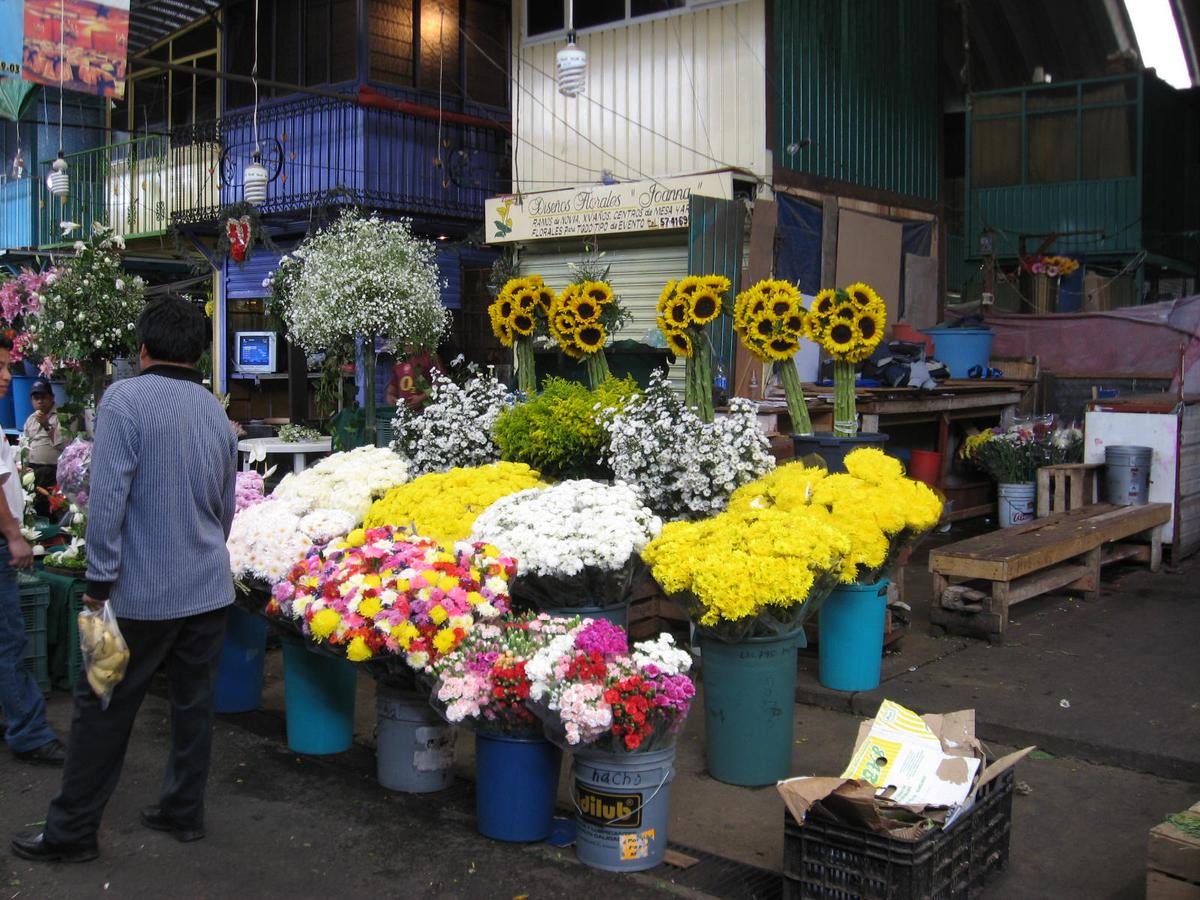
A backpacker day on the peninsula costs MXN 750 to MXN 1,000 per person if you sleep in a dorm and eat street food. That number lands near MXN 600 in Oaxaca City or San Cristóbal de las Casas, where markets and market fondas are cheaper and drinks cost less.
Where the Money Goes
Dorm bed in a hostel in Roma Norte or a posada in Mérida, MXN 250 to MXN 400. A room at the budget end often lacks air conditioning; on the coast that means a warm night. Street food covers three meals for MXN 150 to MXN 250. Three tacos al pastor with salsa and a coke runs MXN 60. A comida corrida at a market fonda in Oaxaca Centro, soup, main, and agua fresca, MXN 80. Colectivos and ADO buses for local transit, MXN 30 to MXN 80 per ride. One entry to a federal archaeological site, MXN 100. One beer from a convenience store, MXN 25.
The Failure Case
You arrive at a hostel in Tulum Beach Zone after dark and find the cheapest dorm is MXN 800 because a wedding party booked the other ten beds. Walk back to the highway, take a colectivo to Tulum town centro, and knock on posadas. You will find a private room for MXN 500 with a fan. Always arrive in daylight.
Mexico Mid-Range Travel Cost: MXN 2,500 to MXN 4,000 Per Day
The mid range traveller sleeps in a private room with air conditioning, eats at casual restaurants, and takes ADO luxury buses between cities. The daily cost sits at MXN 2,500 in the highlands and MXN 4,000 on the coast, with transport stopping any illusion of a single number.
Where the Money Goes
A mid range hotel in Condesa or a boutique in Bacalar, MXN 1,200 to MXN 2,000 per night. Breakfast included in about half of them. Lunch and dinner at a taquería or a comedor, MXN 150 to MXN 300 per meal. One ETN luxury bus ticket between Mexico City and Oaxaca, MXN 800. One internal flight on Volaris from Cancún to Mexico City booked two weeks ahead, MXN 1,200. One guided day trip to Teotihuacán from Mexico City, MXN 600 including entry. One cocktail in a Roma Norte bar, MXN 150.
The Friction You Miss
Paying in pesos versus dollars changes the math sharply at this tier. A hotel in the Zona Hotelera of Cancún lists its room in USD, MXN 3,000, and the machine offers to convert at 16.5 when the market rate is 18.2. Click that and you lose MXN 200 on a single transaction. Decline the conversion and withdraw pesos from a bank ATM instead. The ATM at the Cancún airport dispenses USD at a terrible rate; walk to the ADO bus station and use that machine.
Mexico Peso Prices 2025: What Specific Items Cost Right Now
These are cash prices you will encounter, in Mexican Pesos. They assume you pay in pesos, not dollars, and that you decline all conversion offers at ATMs and payment terminals.
- One taco al pastor from a street cart in Mexico City: MXN 18 to MXN 25
- Cochinita pibil taco in Mérida market: MXN 25 to MXN 35
- Tlayuda from a Oaxaca market stall: MXN 45 to MXN 70
- Marquesita from a cart in Playa del Carmen: MXN 30
- Café de olla in a San Cristóbal cafe: MXN 30 to MXN 50
- Comida corrida at a market fonda inland: MXN 80 to MXN 120
- Bottle of Victoria beer in OXXO: MXN 22 to MXN 28
- Entry to Chichén Itzá including state tax: MXN 614 (2024 rate; federal INAM sets figures annually)
- Entry to Teotihuacán: MXN 100
- Entry to Museo Nacional de Antropología: MXN 100; free on Sundays
- Cenote Dos Ojos entry: MXN 300 to MXN 400
- ADO bus Cancún to Playa del Carmen: MXN 120
- Colectivo Playa del Carmen to Tulum: MXN 80
- Ferry Cancún to Isla Mujeres: MXN 260 round trip
- Hotel room in Roma Norte, mid range: MXN 1,500 to MXN 2,200
- Dorm bed in Mérida hostel: MXN 300 to MXN 450
- Bottle of mezcal in Oaxaca market, local producer: MXN 200 to MXN 400
- SIM card at Telcel OXXO, Amigo kit: MXN 200 including 4GB
How Much Cash for Mexico Trip: the Right Amount to Carry
Cash is essential for street food, market purchases, colectivos, and every transaction in small towns. Cards work in cities, chain stores, and mid range plus hotels. The rule: carry enough pesos for two full days of spending, and rely on ATMs for the rest. That means MXN 2,000 for a backpacker in the highlands, MXN 5,000 for a mid range traveller on the coast.
Which ATMs To Use
Bank ATMs in city centres give the best exchange rate and the lowest per transaction fee, MXN 30 to MXN 50. Airport ATMs and the machines at resort strip OXXO stores charge MXN 80 to MXN 120 per withdrawal. Decline the machine's conversion offer every time; it is a 3% to 6% penalty on the day's rate. Withdraw larger amounts to keep fee percentage low. MXN 6,000 is a sensible maximum to carry, split between your front pocket and a hidden pouch.
The Backup
If you arrive late and every ATM in a small town like Bacalar is empty, every OXXO sells bottled water and snacks and accepts card. Your hotel host can break a MXN 1,000 note for smaller cash. Do not exchange at the hotel front desk; the spread is wide.


Regional Costs: Yucatán Beach Week vs Mexico City Oaxaca Circuit
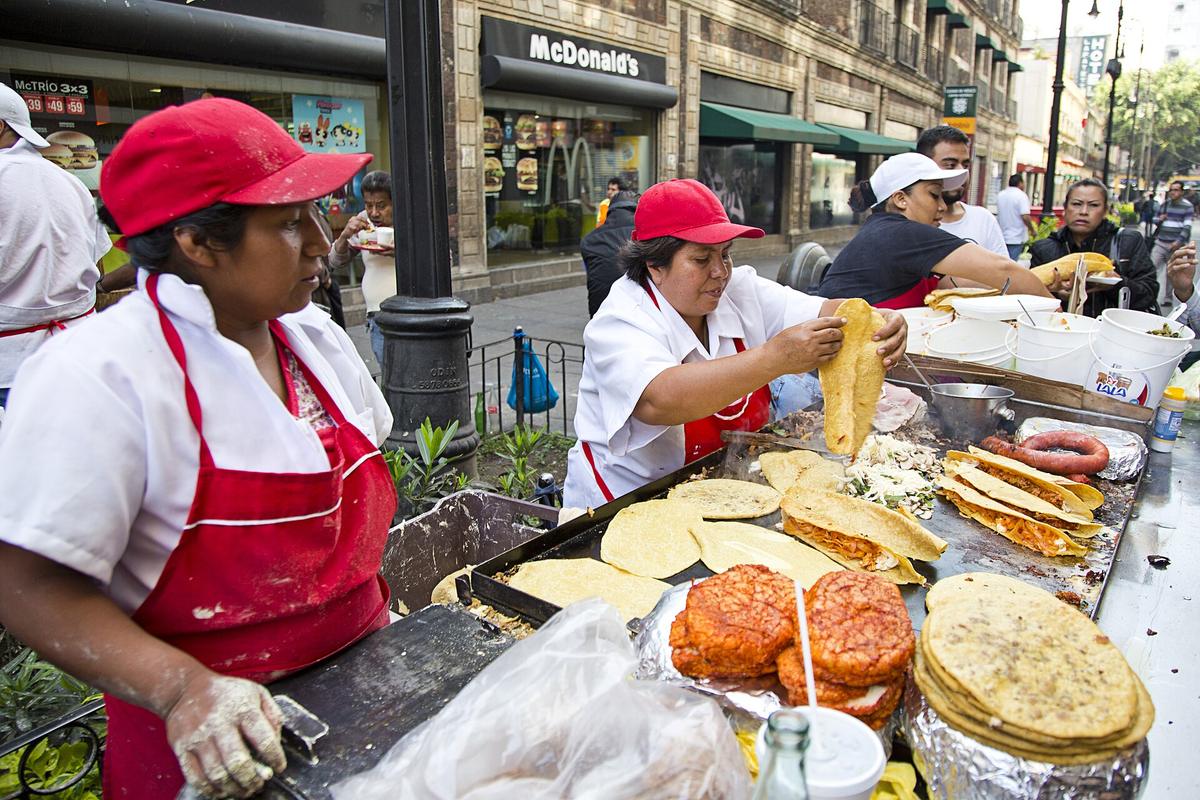
These two vertical slices dominate visitor itineraries. They cost differently, not because one is more luxurious but because geography dictates the spend.
Yucatán Beach Week
A 10 day tour based in Tulum and Mérida, with one day at Chichén Itzá and one in Bacalar. Accommodation in the Tulum Beach Zone costs MXN 2,500 per night for a room with air conditioning and generator power; the hum is constant. Mérida is cheaper, MXN 1,200 for a courtyard room. Transport is cheap and short: colectivos between towns for MXN 80, ADO buses between Mérida and Cancún for MXN 350. The major cost is water based activity: entry to Cenote Dos Ojos, MXN 350; a snorkel trip to Cabo Pulmo, MXN 1,200. Food on the beach strip costs double what you would pay in a Mérida market taco stand. Total per day: MXN 3,500 to MXN 5,000 per person.
Mexico City Oaxaca Highlands Circuit
Start in Mexico City, 4 nights in Roma Norte or Condesa. ADO bus to Oaxaca City, 7 hours, MXN 800 in executive class. 4 nights in Oaxaca Centro. Day trip to Hierve el Agua, MXN 400 for the colectivo and entry. Meal costs are lower than the coast: street food at MXN 80 for a full market meal, a tlayuda and mezcal for MXN 150. The altitude at 2,250m in Mexico City matters: drink water, pace yourself. Total per day: MXN 2,000 to MXN 2,800 per person.
What Swings The Total
Transport friction, not hotel stars. One internal flight from Cancún to Mexico City or Oaxaca costs MXN 1,200 to MXN 2,500, comparable to a mid range hotel night but invisible in the budget until you book. The beach circuit runs on cheap colectivo trips; the highlands circuit burns one long bus day. Choosing between them is choosing a cost profile.
Paying in Pesos Versus Dollars: the Real Math
When a hotel in the Zona Hotelera or a tour operator in Tulum quotes you in USD, they are not doing you a favour. The spread on that quote includes a markup of 3 to 8 percent over the interbank rate. Decline the dollar price and ask for the peso price. If the machine at the ATM asks if you want it to convert, say no. If a restaurant credit card terminal offers to charge in your home currency, hit decline. Every time you accept dynamic currency conversion, you lose MXN 50 to MXN 200 on a typical transaction.
The Single Most Practical Thing to Do Next
Pick one vertical slice of Mexico and book it. That decision, not the hotel star rating, determines what your day costs and where the money goes. Choose the beach circuit if you want low transport friction and high water activity costs. Choose the highlands circuit if you want lower meal prices, higher altitude, and one long bus day. Once you decide, withdraw MXN 6,000 from a bank ATM in the city centre on arrival, decline every conversion offer you see, and never try to do both regions in one trip. That is what most often goes wrong: the itinerary that moves too fast, burns cash on internal flights, and leaves no time to absorb Chichén Itzá or a Oaxaca market at a single beer per hour pace.
Common Questions
Do I need to tip at street stalls and markets?
Tipping is not customary at informal street stalls or market vendors. Tipping is expected in restaurants, 10 to 15 percent, and for bar service and personal services like hotel staff or tour guides. In all inclusive resorts, tipping is still expected despite the label; it is a structural cost first time visitors underestimate.
How do I avoid the tourist price in Mexico?
Menus without prices appear in beach zone restaurants, especially in Tulum and Cancún. Ask for the price before ordering. Buy from market fondas and street carts where prices are posted or known. Negotiate in markets but not in fixed price shops, supermarkets, or chain stores. Speaking basic Spanish helps; relying on English signals you are a target.
Is it cheaper to pay in dollars or pesos?
Pesos, always. ATMs at airports and resort strips dispense dollars at terrible rates. Decline the machine's conversion every time. Pay with cash in pesos for street food, markets, and colectivos. Cards work for mid range hotels and chain restaurants. The Mexican Peso floats and its exchange rate shifts with US monetary policy, but paying in the local currency saves you 3 to 6 percent on every transaction.
How much cash should I carry for a day in a small town like Bacalar or San Cristóbal?
Carry MXN 1,500 to MXN 2,000 in small denominations. Colectivos, market meals, and entrance fees to archaeological sites require cash. ATMs exist but may be empty in the evening. Split your cash between a front pocket and a hidden pouch. Larger towns and cities accept card at most mid range and above establishments.
What is the biggest hidden cost in a Mexico trip?
Internal transport, especially flights. The country is 1.96 million square km, and connecting two distinct regions like Mexico City and the Yucatán requires a full day of ADO bus travel or an internal flight costing MXN 1,200 to MXN 2,500. Most budgets account for the hotel and the street food but forget the bus ticket or the flight. The single biggest error is trying to visit Mexico City, Oaxaca, and the Yucatán in 14 days, which burns three full days in transit.
Read next
-
 Staying Connected in Mexico, eSIM, Telcel SIM, or Roaming
Compare eSIM providers against a physical Telcel SIM for a Mexico trip. Coverage in remote areas like the Copper Canyon and Chiapas decides the winner.
Staying Connected in Mexico, eSIM, Telcel SIM, or Roaming
Compare eSIM providers against a physical Telcel SIM for a Mexico trip. Coverage in remote areas like the Copper Canyon and Chiapas decides the winner.
-
 When to Go to Mexico Without Melting, Getting Rained Out, or Paying Double
Mexico's dry season runs December to March with perfect weather and peak prices. Hurricane season hits the coasts from August to October.
When to Go to Mexico Without Melting, Getting Rained Out, or Paying Double
Mexico's dry season runs December to March with perfect weather and peak prices. Hurricane season hits the coasts from August to October.
-
 Getting Around Mexico When the Map Makes Distances Look Shorter Than They Are
Mexico is 1.96 million square kilometres. ADO buses are the backbone, colectivos rule the Yucatán, and Uber works until it doesn't.
Getting Around Mexico When the Map Makes Distances Look Shorter Than They Are
Mexico is 1.96 million square kilometres. ADO buses are the backbone, colectivos rule the Yucatán, and Uber works until it doesn't.
-
 Mexico Visa Rules and the FMM Tourist Card Explained Without the Guesswork
Most visitors to Mexico do not need a visa, but everyone needs an FMM tourist card. Here is who qualifies, how to get it, and what it costs.
Mexico Visa Rules and the FMM Tourist Card Explained Without the Guesswork
Most visitors to Mexico do not need a visa, but everyone needs an FMM tourist card. Here is who qualifies, how to get it, and what it costs.
-
 Cash or Card in Mexico and Why the ATM Keeps Asking You a Weird Question
Mexico runs on pesos and cash still rules markets, colectivos, and street food. Here is how to avoid the ATM conversion trap and when to use a card.
Cash or Card in Mexico and Why the ATM Keeps Asking You a Weird Question
Mexico runs on pesos and cash still rules markets, colectivos, and street food. Here is how to avoid the ATM conversion trap and when to use a card.
-
 Mexico Safety Advice That Does Not Come From a Clickbait Headline
Mexico's safety headlines rarely describe the risks travellers actually face. Here is how to read the advice, avoid police shakedowns, and navigate taxi conflicts.
Mexico Safety Advice That Does Not Come From a Clickbait Headline
Mexico's safety headlines rarely describe the risks travellers actually face. Here is how to read the advice, avoid police shakedowns, and navigate taxi conflicts.
-
 How to Budget a Trip Based on Purchasing Power, Not Just Exchange Rates
Exchange rates tell only half the story. See how purchasing power shapes your real travel budget across Southeast Asia, Eastern Europe, and Latin America.
How to Budget a Trip Based on Purchasing Power, Not Just Exchange Rates
Exchange rates tell only half the story. See how purchasing power shapes your real travel budget across Southeast Asia, Eastern Europe, and Latin America.
-
 A Ground-Level Logistics Guide to Independent Travel in China
First-time independent travel in China: what you need to know about visas, rail booking, eSIMs, mobile payments, and power adapters.
A Ground-Level Logistics Guide to Independent Travel in China
First-time independent travel in China: what you need to know about visas, rail booking, eSIMs, mobile payments, and power adapters.
-
 How Solo Travelers Stay Ahead of Flight Delays and Cancellations
How solo travelers can track inbound aircraft, claim rebooking rights, and adjust ground transport when flights go wrong — step by step.
How Solo Travelers Stay Ahead of Flight Delays and Cancellations
How solo travelers can track inbound aircraft, claim rebooking rights, and adjust ground transport when flights go wrong — step by step.