Finding the Best Time to Travel to Mexico for Ideal Weather
Mexico's dry season runs December to March with perfect weather and peak prices. Hurricane season hits the coasts from August to October.
Best Time to Visit Mexico
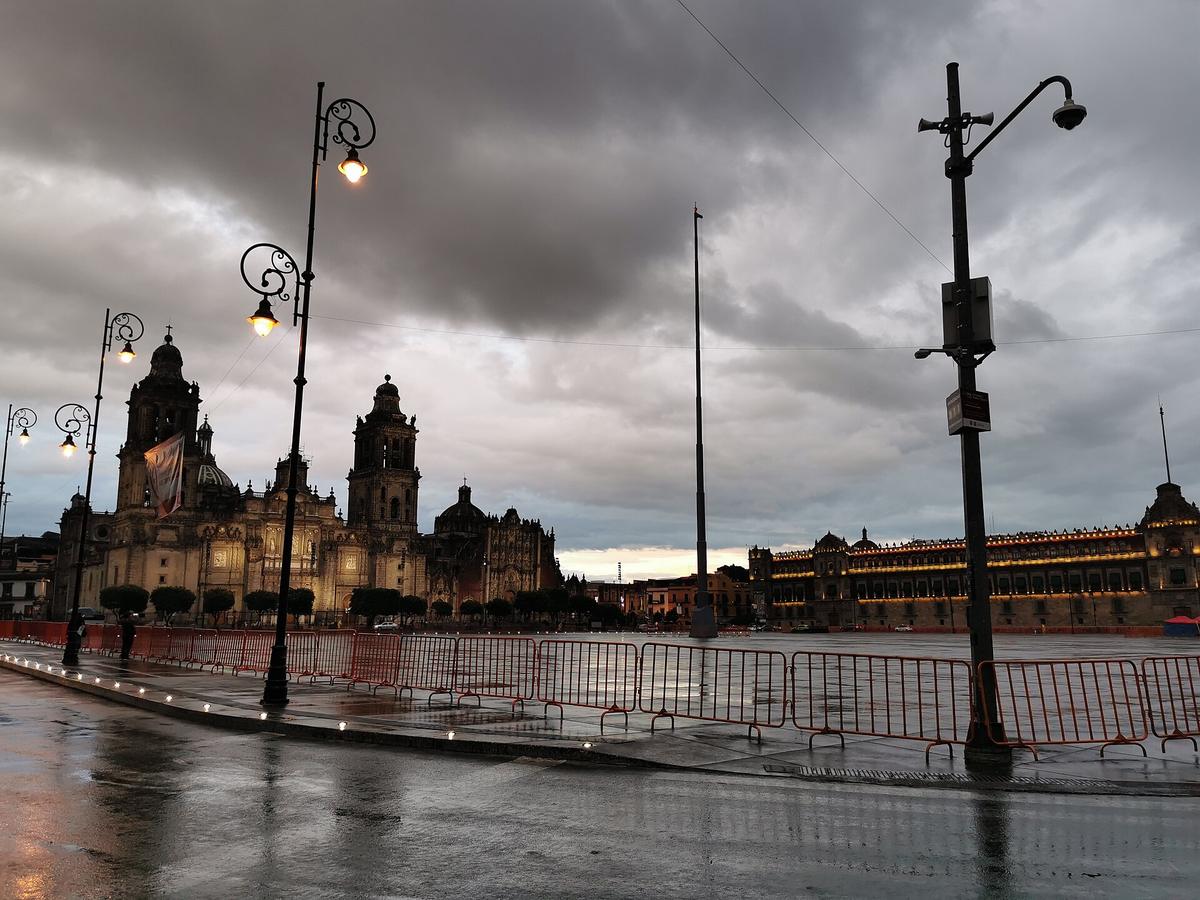
At 7am in Oaxaca City, the air is cool and the zócalo is almost empty. By 11am, the sun is burning across the colonial arcades, and by 3pm, the afternoon downpour will hit if you are visiting between May and October. That daily rhythm, dry mornings, wet afternoons, is one of a dozen regional patterns that make the best time to travel to Mexico a question with no single answer. What matters is which region you choose and what you are willing to trade.
Mexico is 1,964,375 km², runs from the Pacific to the Caribbean, and spans eight climate zones from Mediterranean Baja to tropical Chiapas highlands. December to March is peak season across most of the country: dry, sunny, and crowded. Flight and coastal accommodation prices double. The rainy season, roughly May to October, brings afternoon downpours in the highlands, hurricane risk on both coasts, and significantly lower rates. The trade-off is genuine in both directions.
_tras_un_d%C3%ADa_lluvioso.jpg)
Mexico Dry Season Months: December to April
Where and When the Dry Season Hits
The dry season is the most reliable window for clear skies and low humidity. In the Yucatán Peninsula, that runs November to May. In the central highlands, Mexico City, San Miguel de Allende, Guanajuato, the dry season runs November to April. In the northern deserts and Baja Peninsula, it also runs November to April.
This is the window that enables everything outdoor. Hiking the Avenue of the Dead at Teotihuacán. Cycling the Mexico City bike share programme on Sundays. Whale watching on the Pacific coast from December to March. Visiting the Monarch butterfly reserves in Michoacán, where the butterflies are present from November to March with peak colony size in January and February. The catch is demand. December 20 to January 6 is the Christmas-New Year surge. North American spring break fills Cancún, Playa del Carmen, and Puerto Vallarta. Book accommodation four to six months ahead for December and January. For February and March, book two to three months ahead.
Cold Nights at Altitude
Dry-season nights in the tierra fría, above roughly 2,000 metres, are genuinely cold. Mexico City sits at altitude. San Cristóbal de las Casas is high. Pack a jacket that works for 5°C evenings and 24°C afternoons.
Mexico Hurricane Season Travel: June to November
The Real Risk and the Secondary Effects
Hurricane season on the Pacific coast runs May to November, peaking August to October. On the Caribbean coast it runs June to November, also peaking August to October. The risk is real but narrow: a direct hit is unlikely at any given resort in any given year. What is predictable is the secondary effects.
From August to October, expect high humidity, intense heat, afternoon storms, and reduced underwater visibility on the Caribbean side. Sargassum seaweed accumulation on Caribbean beaches peaks May to October. The Pacific coast sees dangerous surf conditions, flooding on coastal roads, and occasional port closures that interrupt ferry services to Isla Mujeres, Cozumel, or Baja California crossings. The counter-argument is price. September to early November is the deepest low season on the coasts. Hotels in Zona Hotelera and Tulum Beach Zone drop to 40 to 60 per cent of peak rates. Book a room overlooking turquoise water at half the January price. You accept the weather gamble in exchange for the rate.
How to Travel the Hurricane Window
If you travel during this window, buy trip cancellation insurance that covers weather-related disruption. Monitor the CONAGUA weather service and the US National Hurricane Center. Have a contingency day planned inland. Mérida, Valladolid, and the cenotes around Bacalar are safe inland alternatives that stay accessible when the coast gets rough.
| Season | Highlands (Mexico City, Oaxaca, San Cristóbal) | Caribbean Coast (Cancún, Tulum, Bacalar) | Pacific Coast (PV, Acapulco, Los Cabos) |
|---|---|---|---|
| Dry season (Dec–Apr) | Clear skies, cool nights, peak crowds, double prices | Reliable sun, calm seas, highest rates of the year | Whale watching (Dec–Mar), peak demand, book months ahead |
| Shoulder (late Apr–early Jun) | Warm days, low rain, fewer visitors, good value | Rising humidity, rain still infrequent, good water visibility | Lower occupancy, daytime heat rising, still good diving |
| Rainy season (Jun–Oct) | Afternoon downpours, green landscapes, few tourists | High humidity, hurricane risk, sargassum, lowest prices | Hurricane risk, lush vegetation, turtle nesting (Jul–Dec) |
| Hurricane peak (Aug–Oct) | Possible air-quality issues from agricultural burning, still visitable | Highest storm risk, port closures, seaweed, cheap rooms | Storm-related disruption, dangerous surf, cheapest rates |
Semana Santa Mexico Crowds: Easter Week Nationwide
Semana Santa, Easter week, is Mexico's single biggest domestic travel event. The entire country moves: families pack beach towns, colonial cities, and archaeological sites. Accommodation in Puerto Vallarta's Romantic Zone, Tulum, and Guanajuato City sells out weeks in advance. Highways between Mexico City and the coast clog. Hotel rates in beach destinations spike to near Christmas levels.
The dates shift with the liturgical calendar every year. For 2026, Semana Santa falls in late March. Book six months ahead if you plan to travel during this window. If you are not tied to the Easter holiday dates, avoid travel entirely during the week before Easter Sunday through the Sunday after. The crowds in Zona Hotelera, Playa del Carmen, and the Yucatán ruins are not worth it. The exception is Mexico City, which empties out as residents leave for the coast. You get quieter streets, easier museum access at the Museo Nacional de Antropología, and normal hotel rates.
.jpg)
Día De Muertos Oaxaca Dates: a Specific Window
Book Oaxaca Early or Choose an Alternative
Día de Muertos is not a season. It is a concentrated period from October 31 to November 2, with events and vigils starting the evening of October 31 and running through November 2. Oaxaca Centro is the most famous place to experience it, but also the most crowded. Hotels in Oaxaca Centro book out by July. Streets around the zócalo and the Andador de Macedonio Alcalá fill with visitors three deep.
Book Oaxaca accommodation by August at the latest. Budget for rates at least double the low-season price. If you want the experience without the crush, consider San Cristóbal de las Casas in Chiapas or the smaller towns around Lake Pátzcuaro in Michoacán, where the tradition is equally deep and the foreign visitor numbers are lower. Día de Muertos in Oaxaca is the best-known version, but the best version for a given traveller may be the one with room to breathe.
Who Mexico Suits and Who it Does Not
Who Should Go
Mexico is best for culture and archaeology enthusiasts willing to move beyond the beach, food-focused travellers who plan entire days around markets and street stalls, backpackers and overlanders with flexible schedules, divers and marine life lovers seeking reefs and cenotes, and couples wanting high-design boutique hotels at lower prices than equivalent Caribbean islands.
Who Should Think Twice
Mexico is not for travellers seeking a quiet, orderly, or sanitised experience. The tourist price is a daily reality. Menus without prices in beach zones yield shocking bills. Tap water is not potable anywhere; even locals use garrafones. Toilet paper goes in the bin beside the toilet, not the bowl, due to narrow plumbing. ATMs at airport and resort strips dispense USD at terrible rates. Always decline the machine's conversion offer and withdraw pesos. The single thing that most often goes wrong: trying to do Mexico in two weeks by hitting Mexico City, Oaxaca, and the Yucatán. That burns three full days in transit and leaves no time to absorb any single region.
Common Questions
What is the cheapest month to fly to Mexico?
September, October, and November, excluding the Thanksgiving weekend, have the lowest international airfares. That window is also hurricane season on both coasts and the rainy season in the highlands. You trade weather risk for price. May and early June offer a better compromise: lower rates than peak season, less rain than summer, and still good diving visibility on the Caribbean side.
Is Mexico City safe to visit during the rainy season?
Yes. Mexico City gets afternoon showers from May to October, lasting one to two hours. The bigger concern is air quality. Agricultural burning season in central and southern Mexico runs March to May, and that worsens pollution in the valley. If you have respiratory issues, travel between November and February for cleaner air. Pack a rain jacket. Plan outdoor mornings, indoor afternoons.
When is whale watching season in Baja California?
Gray whales arrive in the lagoons of Baja California Sur from December to April. Peak months are January to March. The lagoons at San Ignacio, Magdalena Bay, and Guerrero Negro are the primary viewing spots. Humpback whales are visible on the Pacific coast from Puerto Vallarta to Oaxaca from December to March. Book trips at least two months ahead for January and February.
Can you visit the Yucatán during hurricane season?
Yes. Direct hurricane strikes on Cancún or Tulum are rare in any given year. What you will face from August to October is high humidity, afternoon storms, sargassum seaweed accumulation on Caribbean beaches, and reduced underwater visibility for diving. The upside is rates in Zona Hotelera and Tulum Beach Zone drop to their lowest of the year. Keep a flexible itinerary and inland alternatives like Mérida or Valladolid ready.
How far ahead should I book for Semana Santa?
Six months minimum for beach destinations. For Puerto Vallarta, Cancún, and Tulum, book by October for the following Easter. For colonial highland cities like Guanajuato and San Miguel de Allende, book four months ahead. Mexico City is the exception. It empties out during Semana Santa. Book standard rooms two weeks ahead at normal rates.
Read next
-
 Staying Connected in Mexico, eSIM, Telcel SIM, or Roaming
Compare eSIM providers against a physical Telcel SIM for a Mexico trip. Coverage in remote areas like the Copper Canyon and Chiapas decides the winner.
Staying Connected in Mexico, eSIM, Telcel SIM, or Roaming
Compare eSIM providers against a physical Telcel SIM for a Mexico trip. Coverage in remote areas like the Copper Canyon and Chiapas decides the winner.
-
 Getting Around Mexico When the Map Makes Distances Look Shorter Than They Are
Mexico is 1.96 million square kilometres. ADO buses are the backbone, colectivos rule the Yucatán, and Uber works until it doesn't.
Getting Around Mexico When the Map Makes Distances Look Shorter Than They Are
Mexico is 1.96 million square kilometres. ADO buses are the backbone, colectivos rule the Yucatán, and Uber works until it doesn't.
-
 Mexico Visa Rules and the FMM Tourist Card Explained Without the Guesswork
Most visitors to Mexico do not need a visa, but everyone needs an FMM tourist card. Here is who qualifies, how to get it, and what it costs.
Mexico Visa Rules and the FMM Tourist Card Explained Without the Guesswork
Most visitors to Mexico do not need a visa, but everyone needs an FMM tourist card. Here is who qualifies, how to get it, and what it costs.
-
 Cash or Card in Mexico and Why the ATM Keeps Asking You a Weird Question
Mexico runs on pesos and cash still rules markets, colectivos, and street food. Here is how to avoid the ATM conversion trap and when to use a card.
Cash or Card in Mexico and Why the ATM Keeps Asking You a Weird Question
Mexico runs on pesos and cash still rules markets, colectivos, and street food. Here is how to avoid the ATM conversion trap and when to use a card.
-
 Mexico Safety Advice That Does Not Come From a Clickbait Headline
Mexico's safety headlines rarely describe the risks travellers actually face. Here is how to read the advice, avoid police shakedowns, and navigate taxi conflicts.
Mexico Safety Advice That Does Not Come From a Clickbait Headline
Mexico's safety headlines rarely describe the risks travellers actually face. Here is how to read the advice, avoid police shakedowns, and navigate taxi conflicts.
-
 What a Trip to Mexico Costs, from Street Taco to Boutique Hotel
Mexico trip costs vary wildly by region and travel style. Here's what a day actually costs, from street stalls in Oaxaca to beach clubs in Tulum.
What a Trip to Mexico Costs, from Street Taco to Boutique Hotel
Mexico trip costs vary wildly by region and travel style. Here's what a day actually costs, from street stalls in Oaxaca to beach clubs in Tulum.
-
 How to Budget a Trip Based on Purchasing Power, Not Just Exchange Rates
Exchange rates tell only half the story. See how purchasing power shapes your real travel budget across Southeast Asia, Eastern Europe, and Latin America.
How to Budget a Trip Based on Purchasing Power, Not Just Exchange Rates
Exchange rates tell only half the story. See how purchasing power shapes your real travel budget across Southeast Asia, Eastern Europe, and Latin America.
-
 A Ground-Level Logistics Guide to Independent Travel in China
First-time independent travel in China: what you need to know about visas, rail booking, eSIMs, mobile payments, and power adapters.
A Ground-Level Logistics Guide to Independent Travel in China
First-time independent travel in China: what you need to know about visas, rail booking, eSIMs, mobile payments, and power adapters.
-
 How Solo Travelers Stay Ahead of Flight Delays and Cancellations
How solo travelers can track inbound aircraft, claim rebooking rights, and adjust ground transport when flights go wrong — step by step.
How Solo Travelers Stay Ahead of Flight Delays and Cancellations
How solo travelers can track inbound aircraft, claim rebooking rights, and adjust ground transport when flights go wrong — step by step.