Bangkok Hotels and What Each Price Band Actually Gets You
Bangkok hotels span from bare-bones dorms to riverside suites. This page explains what each price band actually delivers in room quality, location, and quiet.
Bangkok Hotels: What Each Price Band Actually Gets You
The problem with booking Bangkok hotels is not finding a room. It is knowing what your money buys you once the air conditioning kicks in. A budget hotel near Khaosan Road puts you in a different city from a Silom stay at the same nightly rate during peak season. The gap between a backpacker dorm and a suite by the Chao Phraya is measured in square metres, yes, but also in hours of sleep, in whether you can walk to the Skytrain, in whether breakfast is part of the deal, and in whether the noise outside your window stops before midnight. This guide maps those gaps. It is structured by price band, not by star rating or neighbourhood, because the star system here is self assessed under Department of Tourism guidelines and the same budget buys vastly different things depending on location and the month you walk in.
Budget Hotel Bangkok: What Under 1,500 Baht Gets You
What The Room Actually Delivers
At the bottom of the band, roughly under 1,500 baht per night, you are in backpacker dorm territory or a basic guesthouse room with a fan and a shared bathroom. The bed is narrow. The mattress is thin. The walls are party walls. You will hear the guest next door showering, and if that guest is in Khaosan, you will hear the bass from the bar across the street until 2:00 a.m. Soundproofing at this price point is absent. The saving grace is location: a budget stay in Banglamphu puts you walking distance to the Grand Palace and Wat Pho, and your 500 baht entry fee for Wat Phra Kaew leaves you enough cash for a dinner of boat noodles at Victory Monument.
The Transit Trade Off
The downside is transit. Budget neighbourhoods like Khaosan and Rattanakosin have poor BTS and MRT links. You will take taxis or songthaews, and during weekday rush hour a metered fare into Sukhumvit can take 45 minutes. The booking window for budget rooms is shorter. You need 30 to 60 days ahead during peak season, but last minute discounting appears 0 to 7 days ahead in business neighbourhoods during low occupancy periods. Stay in a budget room if your Bangkok itinerary is built around temples and street food in the old city and you plan to leave your bag at reception all day. Skip it if you value sleep, private bathrooms, or the ability to move across town without a Grab ride.

Bangkok Hotel Price Bands: the Midrange Jump
What The Upgrade Includes Beyond Square Footage
Move up to the 1,500 to 4,000 baht band and the change is not just in room size. This band includes 3 star hotels and serviced apartments with air conditioning, a private bathroom, and daily housekeeping. Breakfast is usually part of the rate, a buffet with acceptable coffee and a noodle station. You gain soundproofing: not total silence, but enough that the motorbikes on Sukhumvit Soi 11 become a background hum rather than an alarm clock. The real upgrade is location within reach of the Skytrain. A stay in Silom or near an Asok BTS station puts you on the backbone of the transit system. You can reach Chatuchak Weekend Market in 20 minutes, Siam in 10, and the river in a single MRT transfer.
The Catch And The Best Use Case
The catch is that comfort in a leisure neighbourhood by the river costs more than the equivalent in a business neighbourhood. A courtyard room near Patpong night market that runs 2,000 baht in low season may cost 3,500 baht in the November to February cool season. The service charge of 10 percent plus VAT of 7 percent on top of the room rate will add roughly 300 to 500 baht at checkout. Factor that into the advertised rate. This band is best for travellers who want a strong hotel experience without the full luxury add on. Skip it if you need a rooftop pool or a river view; those belong to the next band.
The midrange stay gives you a place to store bags safely while you explore Talat Noi street art or visit the Bangkok Art and Culture Centre. It also gives you a booking window that rewards advance purchase. Non refundable rates 10 to 30 percent below flexible rack rates are common for 60 to 90 day bookings during peak demand. You trade cancellation flexibility for a lower nightly rate. That is a fair swap if your dates are fixed. Avoid the flexible rate if your itinerary includes Songkran in mid April or the September to October monsoon spike, where a sudden downpour can flood a Soi and strand you in traffic anyway.
Luxury Hotel Bangkok: the Riverside Suite Reality
What The Top Band Delivers
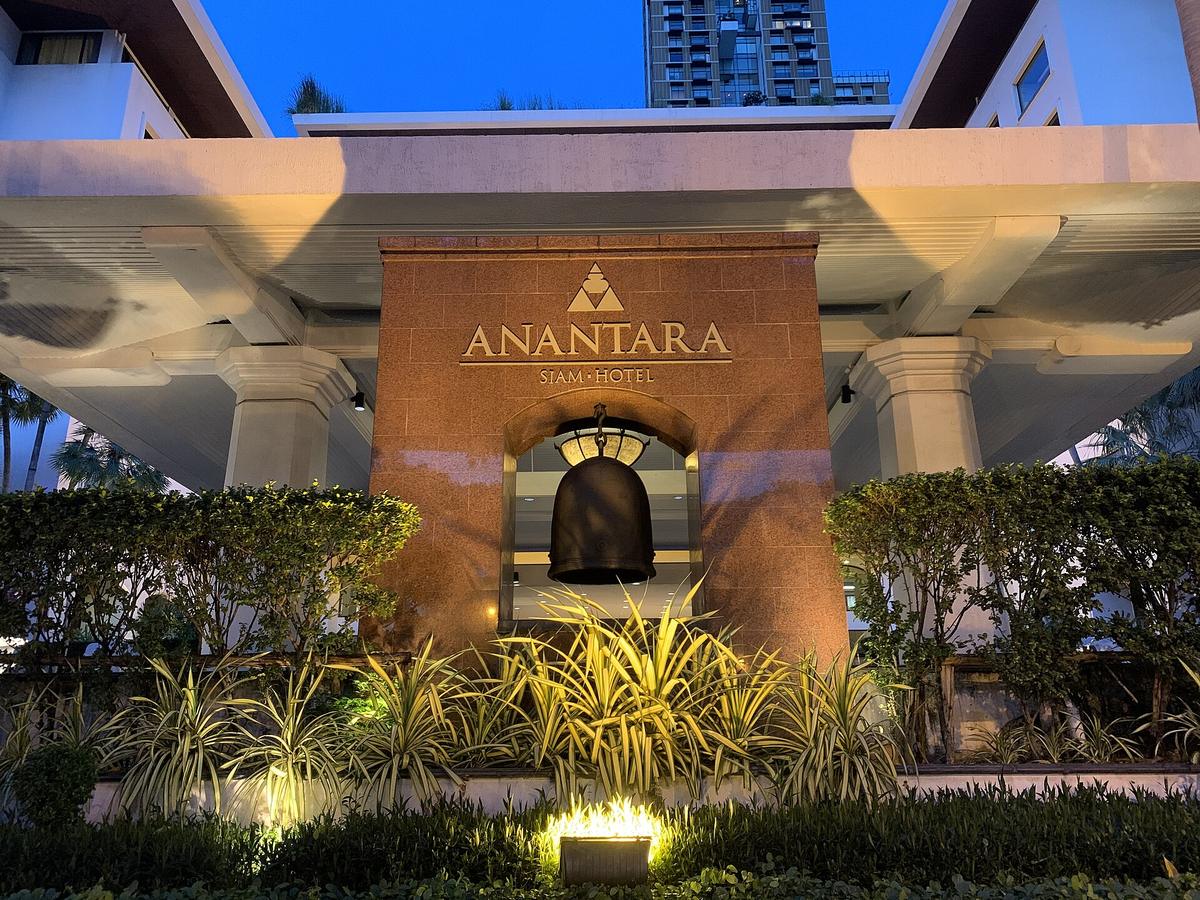
At 4,000 baht and above, you enter the luxury category. This is where international chains and boutique stays compete for the same traveller with rooftop pools, river front locations, and views that justify the premium. A luxury stay in the Charoen Krung area delivers what no other band can: a room where the Chao Phraya river replaces the traffic noise. The concierge can book a table at Jay Fai without you fighting for an email slot. The minibar holds cold Singha, and the 24 hour reception handles late checkout requests for a 50 to 100 percent surcharge if you oversleep.
The View Premium And The Deposit
The question is whether the extra cost buys something you cannot get in the band below. For some travellers, the answer is the view. A river view suite on the 20th floor of a high rise with floor to ceiling windows costs roughly double a courtyard room in the same hotel. The upgrade includes a bathtub facing the river, a private balcony, and access to a club lounge with evening cocktails. What it does not include is a better night of sleep. The bed in a midrange stay is comparable. The difference is the experience of waking up to the water instead of a construction site. Budget for a deposit at check in of 500 to 2,000 baht in cash or a credit card pre authorisation, plus an incidental hold of 1,000 to 5,000 baht. These are returned after your minibar audit.
Season Swings And The Booking Window
Peak season surcharges hit this band hardest, with rates in the cool dry season climbing by a factor of 2.0 to 3.0 above low season. If you book a luxury suite for Christmas or Chinese New Year at 9,000 baht per night, the same room in May may run 4,000 baht. The booking window is critical: 60 to 90 days ahead for peak season dates in river front and luxury segments. Last minute discounting is rare here except in business neighbourhoods during low occupancy periods.
Bangkok Hotel Value Guide: When Location Trumps Star Rating
Why The Neighbourhood Decides Everything
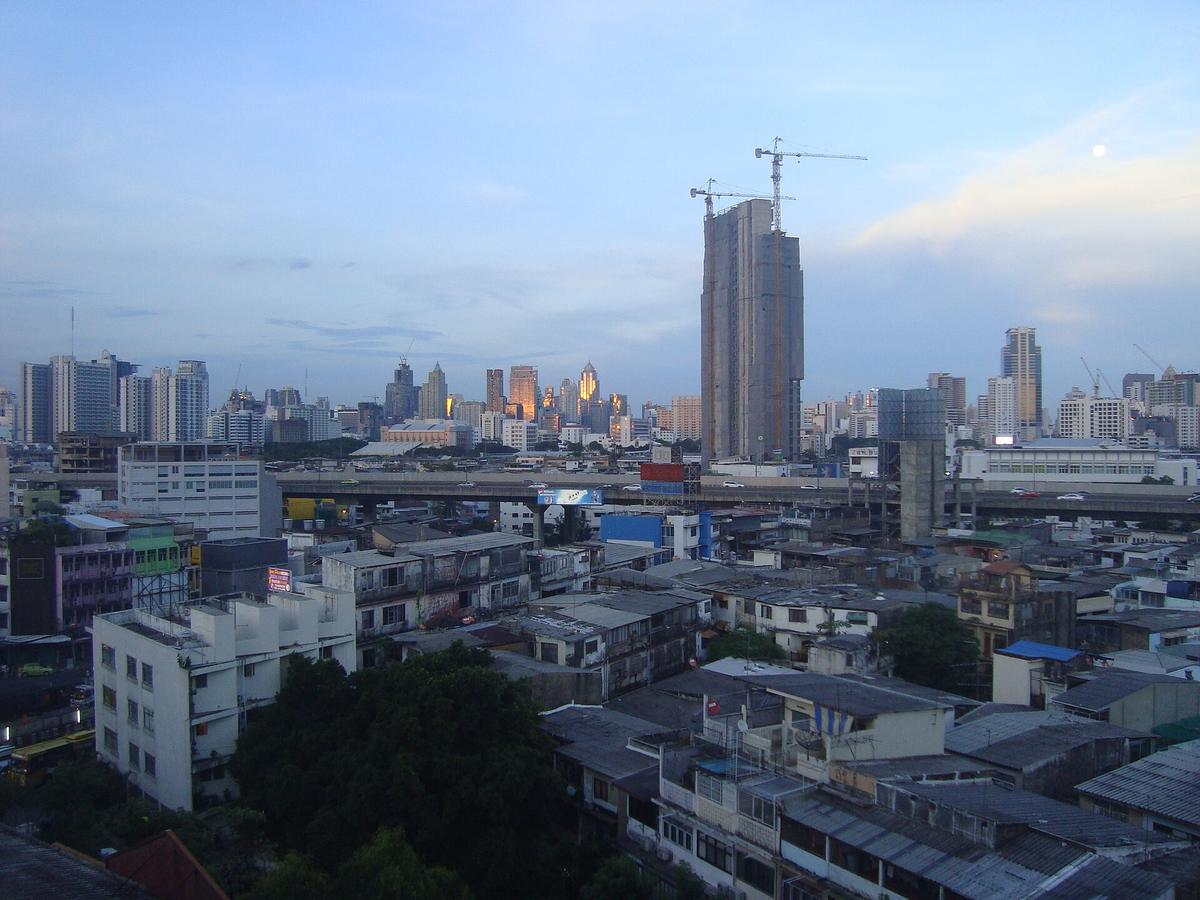
The common mistake this value guide aims to correct is staying only near Khaosan Road and assuming that is Bangkok. It is not. Khaosan is a backpacker bubble poorly connected to the BTS and MRT, leaving visitors stuck in taxis and missing the best food and neighbourhoods. A midrange stay in Sukhumvit near Asok puts you within walking distance of the Erawan Shrine, CentralWorld, and the nightlife of Sukhumvit Soi 38 night stalls. The same spend near Khaosan buys a larger room in a quieter lane but adds 30 minutes of transit to every destination south of the old city. The value equation shifts based on your priorities. For a street food obsessive, a hotel in Yaowarat at any price band puts you within a five minute walk of the city's best oyster omelettes and grilled river prawns, but you pay for that access with noise and cramped conditions. For a temple and culture enthusiast, a stay in Rattanakosin near Wat Pho and the Grand Palace saves you the morning taxi queue but leaves you stranded after 18:00 when the canal boats stop running. The value of a hotel in Bangkok depends more on the neighbourhood than on the star rating. Pay 500 baht more per night for a room with BTS access at the door in Silom or Sukhumvit, even if the room itself is slightly smaller.
The Season Factor In Your Value Calculation
Peak season runs from November to February. Hotel prices during this period exceed low season rates by a factor of 1.5 to 3.0 depending on property class and location. A budget stay near Khaosan that runs 800 baht in May can cost 2,400 baht for a weekend in January. The opposite pattern applies in business neighbourhoods like Silom where weekday rates are lower and weekend rates climb. Shoulder months from March to May offer cheaper rooms and fewer crowds, but the heat and humidity make walking between Wat Phra Kaew and Wat Saket a sweat drenched ordeal. The rainy season from June to October brings localised flooding and disrupted canal boats, but luxury hotels discount aggressively. The best value in Bangkok is a midrange stay in Sukhumvit booked 45 days ahead for a shoulder month, with a non refundable rate that locks the price before the peak season surcharge kicks in.

Bangkok Hotel Booking Strategy: the Single Action That Matters Most
Book your Bangkok hotel by neighbourhood first and by price band second. Decide whether you need Skytrain access at the door or whether you are willing to take taxis. That decision eliminates half the inventory instantly. Book 45 to 60 days ahead if your travel falls in the cool dry season from November to February. Check what the property charges for a non refundable advance purchase rate versus a flexible rate and do the math including the 10 percent service charge and 7 percent VAT. Do not book a last minute deal unless you are travelling in May or September and staying in a business neighbourhood. The hotel that looks cheap in a screenshot may cost you two hours a day in transit. The hotel that looks expensive for a river front suite may be the only place in Bangkok where you actually sleep through the night. The decision is not about the price tag. It is about what the price tag lets you do with your day.
Frequently Asked Questions About Bangkok Hotel Price Bands
What does a budget hotel in Bangkok actually include?
A budget tier room, typically under 1,500 baht per night, gives you a bed in a dormitory or a basic guesthouse with a fan and shared bathroom. You will not get soundproofing, breakfast, or reliable air conditioning. The main advantage is location in the old city near Khaosan or Banglamphu, but you trade transit convenience for low price. Expect a cash only policy at some properties and a deposit of 500 to 1,000 baht at check in.
How much is the service charge and VAT on Bangkok hotels?
Most midrange and luxury properties add a 10 percent service charge plus 7 percent VAT on top of the advertised room rate. This applies to the total including the service charge. The VAT rate is published by the Revenue Department of Thailand and is subject to annual revision. Budget properties often quote rates that include these charges but may add them separately at checkout.
Is a midrange hotel in Silom better than one in Sukhumvit?
Both neighbourhoods offer strong Skytrain access, but Silom is a business area with lower weekend rates and better access to Lumpini Park and Patpong night market. Sukhumvit near Asok or Phrom Phong has more expat amenities, rooftop bars, and upscale malls. The choice depends on your itinerary. For street food and nightlife, Sukhumvit wins. For business and green space, Silom wins.
What is the best booking window for Bangkok hotel deals?
For peak season dates from November to February, book 60 to 90 days ahead for luxury and river front properties, and 30 to 60 days ahead for midrange and budget. Non refundable advance purchase rates are 10 to 30 percent below flexible rack rates. Last minute discounting occurs 0 to 7 days ahead in business neighbourhoods during low occupancy months like May and September.
Does a higher star rating guarantee a better experience in Bangkok?
No. The Thai star rating system is self assessed by the property under guidelines from the Department of Tourism and is not independently audited. A4 star hotel in a poorly connected neighbourhood can deliver a worse experience than a3 star stay with BTS access. Focus on location and recent guest reviews rather than the star count.
What should I skip to save money on a Bangkok hotel?
Skip the river view if you are in a midrange property. A courtyard room on the far side from the lift costs 30 to 50 percent less than a room with a river view and offers a quieter night. Skip the breakfast included if you plan to eat street food. Skip the flexible rate if your dates are fixed. The non refundable advance purchase rate saves you 10 to 30 percent for a small loss of flexibility.
How do weekdays versus weekends affect Bangkok hotel prices?
Weekday rates are lower than weekend rates in business neighbourhoods like Silom and Sathorn where business travellers dominate the week. The inverse pattern applies in leisure focused areas like the river front and Khaosan where weekend domestic tourism drives demand higher. Check both patterns before committing to a neighbourhood for your stay.
Read next
-
 Where to Stay in Bangkok by District and What Each Costs You
Where to stay in Bangkok depends on which district matches your tolerance for noise, transit friction, and nightly spend. This page compares the trade-offs.
-
 Bangkok Flights Which Airport and How to Get Into the City
Which Bangkok airport to fly into—Suvarnabhumi or Don Mueang—and exactly how to get from each into the city by train, taxi, or ride-hail.
-
 Bangkok Things to Do Ordered by Whether It Is Worth the Time
Bangkok things to do ranked by whether they earn the time and crowds they demand, from the Grand Palace to the weekend-only Chatuchak market.
-
 Best Time to Visit Bangkok and What Each Season Does to It
The best time to visit Bangkok depends on how you handle heat, humidity, and crowds. Cool months are pleasant but peak-priced; monsoon is wet but quieter.
-
 Getting Around Bangkok Without Wasting Half the Trip
Getting around Bangkok means mastering two separate rail systems, knowing when boats stop, and using Grab when taxis refuse. This guide prevents wasted hours.
-
 Bangkok Itinerary How to Spend 2 or 3 Days Without the Rush
A realistic Bangkok itinerary for 2 or 3 days that groups temples, markets, and food by geography so you spend less time in transit and more time eating.
-
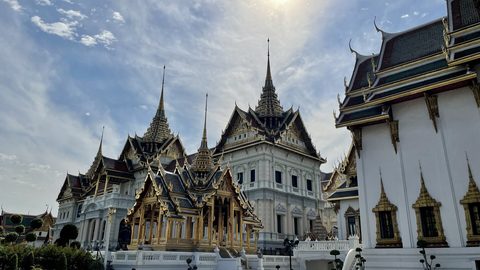 Grand Palace
The Grand Palace is Bangkok's most famous royal temple complex and home to the Emerald Buddha, but crowds, heat, and persistent touts make the visit a calculation.
-
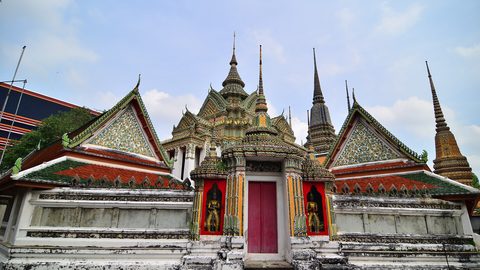 Wat Pho
 houses Bangkok's enormous reclining Buddha and the original school of Thai massage, offering a less frenetic temple experience than the Grand Palace nearby.
-
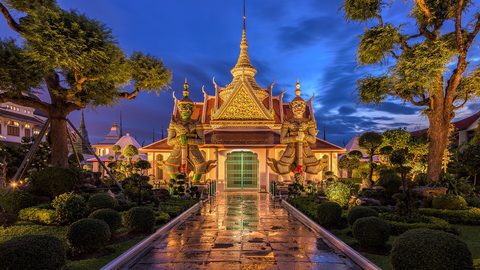 Wat Arun
The ferry shoves off from Tha Tien pier and the crossing takes under five minutes.