Your Singapore Currency Payment Guide for Dollars Cards and Cash Spots
Singapore runs on contactless payments and the Singapore dollar, but some hawker stalls and wet markets still expect cash, so carry a mix of both.
Paying in Singapore is Easier Than You Think, Except Where it Still is Not
Most first time visitors assume Singapore is a cash only market like other parts of Southeast Asia. The opposite is closer to the truth. Singapore is one of the most cashless places on earth for retail, transport, and dining. But a handful of old school vendors still only take notes. This singapore currency payment guide walks you through what works where, what fails, and what to carry as a backup.
The Singapore Dollar: Notes, Coins, and the Exchange Rate Reality
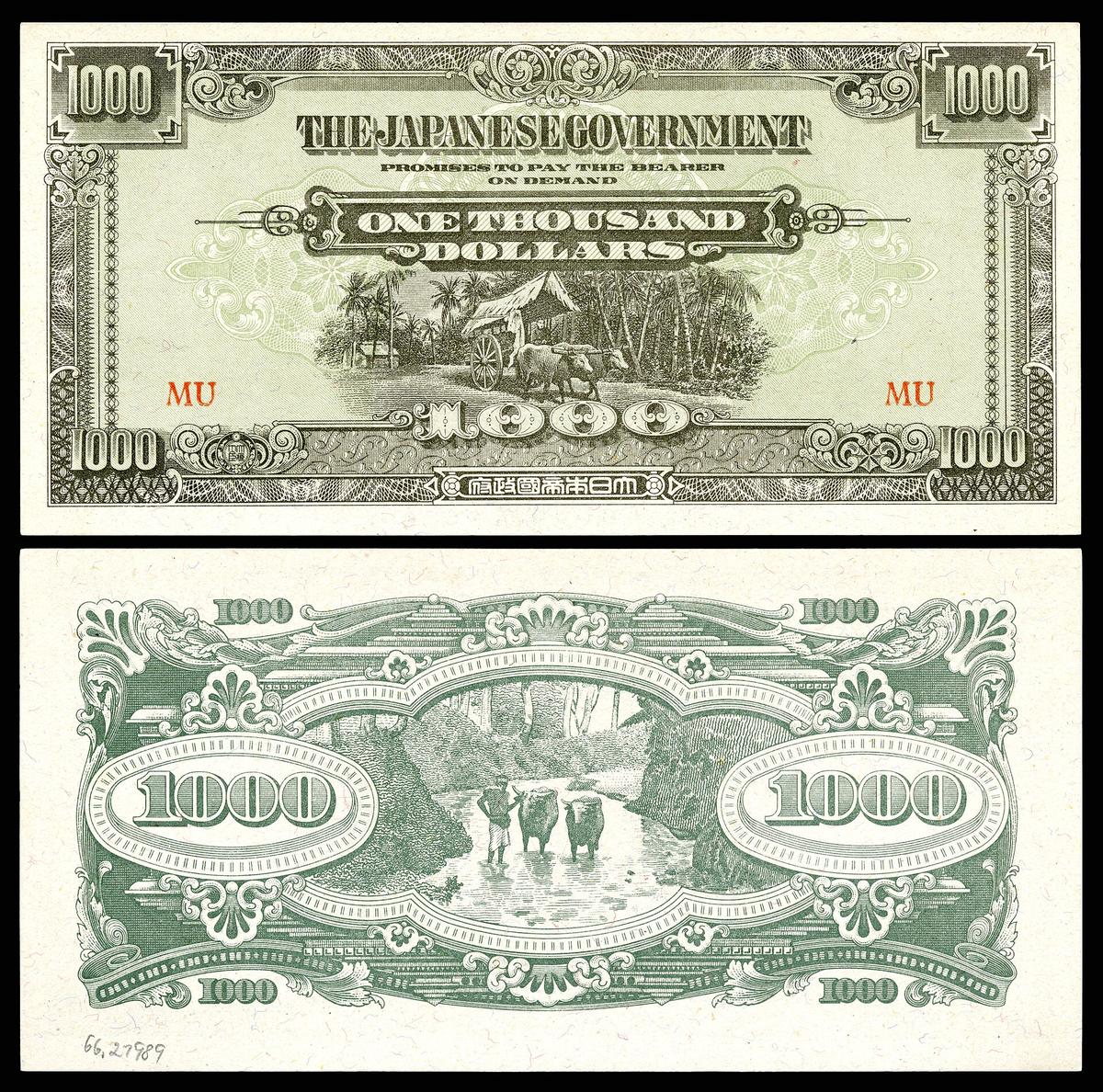
The Singapore dollar (SGD, symbol S$ or just $) is divided into 100 cents. Banknotes come in denominations of $2, $5, $10, $50, $100, $1,000, and $10,000. Coins in circulation are 5 cents, 10 cents, 20 cents, 50 cents, and $1. The Monetary Authority of Singapore manages the currency through a managed float against an undisclosed trade weighted basket. The singapore dollar exchange rate moves daily but within a relatively narrow band compared to regional peers.
You will not need the $1,000 or $10,000 note as a tourist. Most merchants refuse large denomination notes for small purchases. Stick to $2, $5, $10, and $50 notes for daily spending. ATMs dispense $10 and $50 notes at the standard machines, and $100 notes at some branches. If you arrive from Changi Airport, the MRT train to the city centre costs around SGD 2. Have a $5 note or a contactless card ready.
Where to Exchange Cash
Exchange counters at Changi Airport offer competitive rates. The best rates in town are at The Arcade on Raffles Place and Mustafa Centre in Little India. Avoid hotel desks and airport arrivals hall counters after passing customs. The rate difference can be 2% to 4% on a sizeable exchange. If you use an ATM, your bank applies its own rate plus any overseas card fee. Local bank ATMs (DBS/POSB, OCBC, UOB) charge no operator fee to your card. Your issuing bank may add a flat fee of SGD 5 to SGD 8 per withdrawal.
Dynamic Currency Conversion: Always Refuse It
At merchant terminals and ATMs, you will be offered dynamic currency conversion (DCC). It shows the amount in your home currency rather than SGD. Decline it every time. The rate DCC applies is 3% to 6% worse than the Visa, Mastercard, or Amex network rate. Choose to be charged in SGD instead. On an ATM, the screen asks explicitly: press the option that says SGD or local currency, not your home currency. On a merchant terminal, tell the cashier you want to pay in Singapore dollars.
.jpg)
Cashless Payment Singapore: Cards and Mobile Wallets Rule
For almost everything you will do as a visitor, cashless payment singapore is the norm. Visa, Mastercard, and American Express are accepted at all major retailers, hotels, shopping malls along Orchard Road, dining at Dempsey Hill, fast food chains, taxis, and ride hailing apps like Grab. Tap your physical card or your phone at the terminal and walk out. No signature. No minimum spend.
The public transport system operates on the SimplyGo system. Tap any contactless bank card (Visa or Mastercard) directly at the MRT fare gates and bus readers. The system calculates the fare based on distance and caps the daily charge at about SGD 12 for unlimited train and bus travel. Do not buy a stored value EZ Link card unless you prefer to preload cash. The contactless bank card method is simpler: you tap on and tap off, and the charge posts to your card statement within a few days. If your card is issued outside Singapore, your bank may apply an overseas card fee of 1% to 3% on each fare.
Mobile Wallets and QR Codes
Apple Pay, Google Pay, and Samsung Pay work anywhere contactless cards are accepted. That includes MRT gates, buses, taxis, and all retail terminals. For local QR payments, the unified SGQR system appears at many hawker stalls, coffeeshops, and small merchants. SGQR is linked to local bank accounts and local payment schemes like NETs QR and PayNow. As a visitor, you cannot easily use SGQR unless you have a Singapore bank account or a multi currency digital wallet that supports it. Do not rely on it. Stick to your contactless card.
Best Card for Singapore Travel: What to Bring
The best card for singapore travel is a Visa or Mastercard contactless credit or debit card with no overseas card fee. A card that charges 0% saves you 2% to 3% on every purchase compared to a standard card. If you do not have a zero fee card, bring the card with the lowest overseas card fee you have. American Express is accepted in most malls and hotels but not at smaller eateries or hawker stalls. Do not bring Amex expecting to use it everywhere.
A backup card from a different network is smart. If your primary Visa card has an issue, your Mastercard works. Rely solely on a single card and it gets blocked for fraud or the chip fails, you are stuck. Two cards from two networks in your wallet covers almost every terminal in Singapore.
Should You Bring Cash or a Prepaid Travel Card?
A prepaid travel card loaded with SGD before your trip is an option, but not necessary. If you have a no overseas card fee debit card, you can withdraw SGD from any local bank ATM for free. Your bank may still charge a fee; check before you leave. The Wise multi currency card works at ATMs and contactless terminals. The rate is the mid market rate plus a small fee. Avoid prepaid cards that charge an ATM fee per withdrawal plus a currency conversion markup. Read the terms before you buy.
Singapore Hawker Centre Cash: Why You Still Need Notes
Here is the friction point. The stallholders who make Singapore a world food city are not all on the cashless train. Singapore hawker centre cash remains essential for a meaningful portion of the country's best meals. At Maxwell Food Centre, where Tian Tian Hainanese Chicken Rice sells out by early afternoon, you pay in cash. At 328 Katong Laksa in Joo Chiat, you pay in cash. At Song Fa Bak Kut Teh in Clarke Quay, cash is sometimes accepted but card is increasingly common. The rule of thumb: older stalls, stalls run by one person, and stalls that have been at the same location for 30 years are cash only. Newer stalls and those in food centres renovated in the last five years often accept NETs QR or a contactless card terminal. There is no single rule. Ask before you order.
Carry at least SGD 50 in small notes when you visit a hawker centre. $2, $5, and $10 notes are best. Vendors often cannot change a $50 note for a $3 plate of chicken rice, especially during the lunch rush. Break larger notes at a nearby convenience store. Or buy a drink first and pay with the $50 note to get smaller change.
The Wet Market Exception
Wet markets, such as the Tiong Bahru Market and Chinatown Complex Market, are almost entirely cash only. Fresh produce, meat, and fish vendors rarely have a card terminal. If you plan to buy fruit, dried goods, or spices from these markets, bring SGD 40 to SGD 60 in small denominations.
Tipping: Do Not Do it
Singapore does not practise tipping. A 10% service charge is added to the bill at most restaurants and hotels automatically. That charge is not a tip for the server; it is a service fee that the establishment distributes internally. Do not leave extra cash on the table. At hawker centres and coffee shops where there is no service charge, tipping is not expected. Taxi and ride hail drivers do not expect tips either. Rounding up the fare is occasionally done by locals but it is not required. No one will react badly if you do not do it.
What Happens When You Run Out of Cash at 11 PM
Public transport stops around midnight. Trains and most bus services end between 00:00 and 00:30. After that, taxis and ride hail are your only option. Taxis accept contactless cards universally. If your card fails or is lost, you need cash for the fare. Late night surcharges on taxis can double the metered fare. A ride from Clarke Quay to Sentosa that costs SGD 18 during the day can reach SGD 38 after midnight. Have at least SGD 50 in cash in your room or in your wallet for this scenario.
ATMs are dense across the city. Most MRT stations and 24 hour convenience stores (7 Eleven, Cheers) have a machine. If you lose your card, the emergency number for your bank is your only way to get money. Do not rely on Western Union or money transfer services in the middle of the night; most are closed.

The SimplyGo Transport Payment System: How it Works
The SimplyGo system powers fare payment on the MRT subway and public bus network. Tap any Visa or Mastercard contactless bank card directly at the fare gate or bus reader. The system records your entry and exit and calculates the distance based fare. For tourists, this is simpler than buying a Singapore Tourist Pass or a stored value EZ Link card.
One catch: if your card is from a non Singapore bank, the fare may take 2 to 5 days to post to your card statement. The charge will appear as a single lump sum for all your trips on the day, not as individual fares. Do not be alarmed if you do not see the charge immediately. The cap for adult travel on SimplyGo is about SGD 12 per day for unlimited train and bus travel on the same day. If your total fares exceed that, the system stops charging you.
If your card has an overseas card fee per purchase, taking ten MRT trips in a day will cost you ten separate fees on some issuing banks. Check your card terms. If your bank charges a flat fee per overseas purchase, consider buying a stored value EZ Link card from a 7 Eleven or MRT station instead. The EZ Link card costs SGD 5 non refundable retail fee plus the stored value you load. You can refund the remaining balance at a TransitLink ticket office at some MRT stations. The refund fee is SGD 1.
The GST Tourist Refund: Only Worth it for Big Purchases
Singapore applies a Goods and Services Tax of the prevailing rate on most goods and services. The rate is set by the Inland Revenue Authority of Singapore and is subject to change. As a tourist, you can claim a refund on GST for purchases above a minimum spend at participating retailers. The refund is processed at Changi Airport at a self service kiosk before you check in your luggage. Present the goods, the original receipts, and your passport. The refund is 5% to 6% of the purchase price after the service fee is deducted.
Do not plan your budget around the refund. It applies only to goods you take out of Singapore, not to meals, hotel stays, or services. For a purchase of a few hundred dollars, the refund is roughly SGD 10. For a SGD 2,000 watch, the refund is around SGD 100. The process adds 15 minutes at the airport. If your purchase is under SGD 100, the refund is negligible after the administrative fee.
The One Thing That Trips Up Visitors Every Time
You walk into a hawker centre with a full wallet of cash. You eat, you pay, you leave. Then you try to pay for a drink at a newer stall that has a card terminal. You tap your phone. It does not work because the terminal only accepts SGQR from local bank accounts. You have cash in your pocket, but the stall is cashless. You are forced to find an ATM, withdraw SGD 50, and the stall cannot change a $50 note. The failure state is having only cash when you need card, or only card when you need cash. Carry both. SGD 80 in small notes plus one contactless Visa and one Mastercard. That setup covers every purchase in Singapore from a Marina Bay Sands cocktail to a $2 bowl of noodles at a stall that opened in 1975.
Common Questions
Do I need to carry cash at all in Singapore?
Yes. You need cash for older hawker stalls, wet markets, some independent coffee shops in Tiong Bahru and Joo Chiat, and for late night taxi rides if your card fails. Carry SGD 100 in small notes as a baseline.
Can I use my Australian debit card in Singapore ATMs?
You can use any Visa or Mastercard debit card at ATMs operated by DBS/POSB, OCBC, and UOB. The ATM operator charges no fee, but your Australian bank may apply an overseas withdrawal fee of SGD 5 to SGD 8 per withdrawal. Check with your bank before leaving.
Will my American Express card work at hawker centres?
Almost never. Amex acceptance in Singapore is limited to malls, hotels, and chain restaurants. At hawker centres, cash or local QR codes are the standard. Do not rely on Amex for food centres.
Is it true I can tap my credit card on the MRT?
Yes. Any Visa or Mastercard contactless bank card works on MRT fare gates and bus readers through the SimplyGo system. Tap on at entry and tap off at exit. American Express is not accepted for MRT or bus fares.
What is the best way to get Singapore dollars before my trip?
The best way is to withdraw SGD from an ATM after you arrive at Changi Airport. The ATM rate is the card network rate, which beats most exchange counters. If you prefer cash in hand before you land, order SGD at your local currency exchange shop 48 hours in advance. Avoid airport exchange desks in your home country; they offer the worst rates.
Read next
-
 Staying connected in Singapore with eSIM, tourist SIM, or free Wi-Fi
The practical steps to get online in Singapore, from eSIM activation before departure to passport-registered tourist SIMs at Changi Airport and free Wireless@SGx.
Staying connected in Singapore with eSIM, tourist SIM, or free Wi-Fi
The practical steps to get online in Singapore, from eSIM activation before departure to passport-registered tourist SIMs at Changi Airport and free Wireless@SGx.
-
 Best Time to Visit Singapore What Each Season Actually Feels Like
Singapore is hot and humid year-round, but December and June bring peak crowds, September sees F1 hotel spikes, and Chinese New Year closes many local eateries.
Best Time to Visit Singapore What Each Season Actually Feels Like
Singapore is hot and humid year-round, but December and June bring peak crowds, September sees F1 hotel spikes, and Chinese New Year closes many local eateries.
-
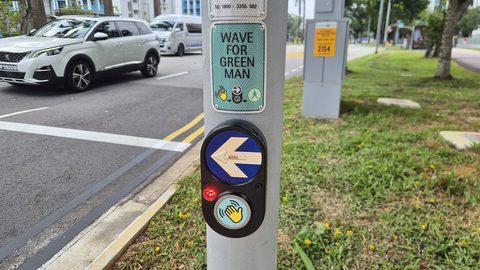 Getting Around Singapore MRT Buses Ride Hailing and the Rules That Trip People Up
Singapore's MRT and bus network is excellent, but ride-hailing cars cannot pick up from taxi stands in the CBD during peak hours and trains stop around midnight.
Getting Around Singapore MRT Buses Ride Hailing and the Rules That Trip People Up
Singapore's MRT and bus network is excellent, but ride-hailing cars cannot pick up from taxi stands in the CBD during peak hours and trains stop around midnight.
-
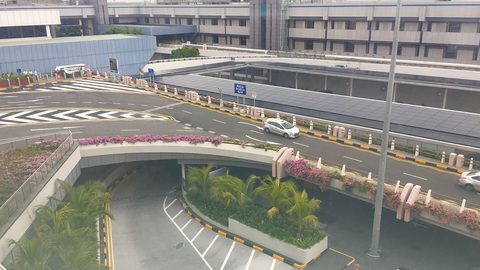 Singapore Visa Rules Who Needs One and How the Application Works
Singapore visa rules depend on your passport, but every traveller must complete the SG Arrival Card online before landing at Changi Airport.
Singapore Visa Rules Who Needs One and How the Application Works
Singapore visa rules depend on your passport, but every traveller must complete the SG Arrival Card online before landing at Changi Airport.
-
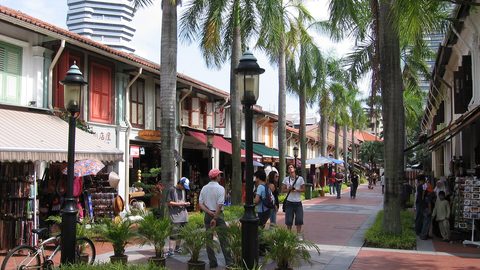 Is Singapore Safe Reading Safety Advice Without Being Misled by It
Singapore is exceptionally safe for violent crime, but its strict laws on littering, jaywalking and chewing gum sales can catch unwary visitors off guard with
Is Singapore Safe Reading Safety Advice Without Being Misled by It
Singapore is exceptionally safe for violent crime, but its strict laws on littering, jaywalking and chewing gum sales can catch unwary visitors off guard with
-
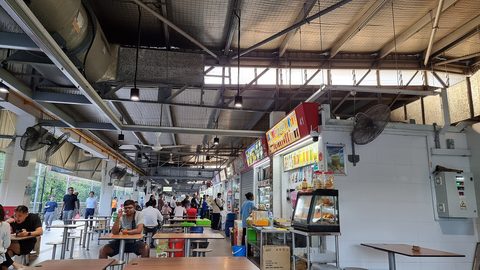 What a trip to Singapore actually costs and where the money goes
How a Singapore trip budget breaks down across hawker meals, MRT rides, attraction tickets, and the three costs that catch visitors off guard.
What a trip to Singapore actually costs and where the money goes
How a Singapore trip budget breaks down across hawker meals, MRT rides, attraction tickets, and the three costs that catch visitors off guard.
-
 How to Budget a Trip Based on Purchasing Power, Not Just Exchange Rates
Exchange rates tell only half the story. See how purchasing power shapes your real travel budget across Southeast Asia, Eastern Europe, and Latin America.
How to Budget a Trip Based on Purchasing Power, Not Just Exchange Rates
Exchange rates tell only half the story. See how purchasing power shapes your real travel budget across Southeast Asia, Eastern Europe, and Latin America.
-
 A Ground-Level Logistics Guide to Independent Travel in China
First-time independent travel in China: what you need to know about visas, rail booking, eSIMs, mobile payments, and power adapters.
A Ground-Level Logistics Guide to Independent Travel in China
First-time independent travel in China: what you need to know about visas, rail booking, eSIMs, mobile payments, and power adapters.
-
 How Solo Travelers Stay Ahead of Flight Delays and Cancellations
How solo travelers can track inbound aircraft, claim rebooking rights, and adjust ground transport when flights go wrong — step by step.
How Solo Travelers Stay Ahead of Flight Delays and Cancellations
How solo travelers can track inbound aircraft, claim rebooking rights, and adjust ground transport when flights go wrong — step by step.