Answering Is Singapore Safe for Tourists With Practical Local Advice
Singapore is exceptionally safe for violent crime, but its strict laws on littering, jaywalking and chewing gum sales can catch unwary visitors off guard with
Reading Safety Advice About Singapore Without Being Misled by the Headlines
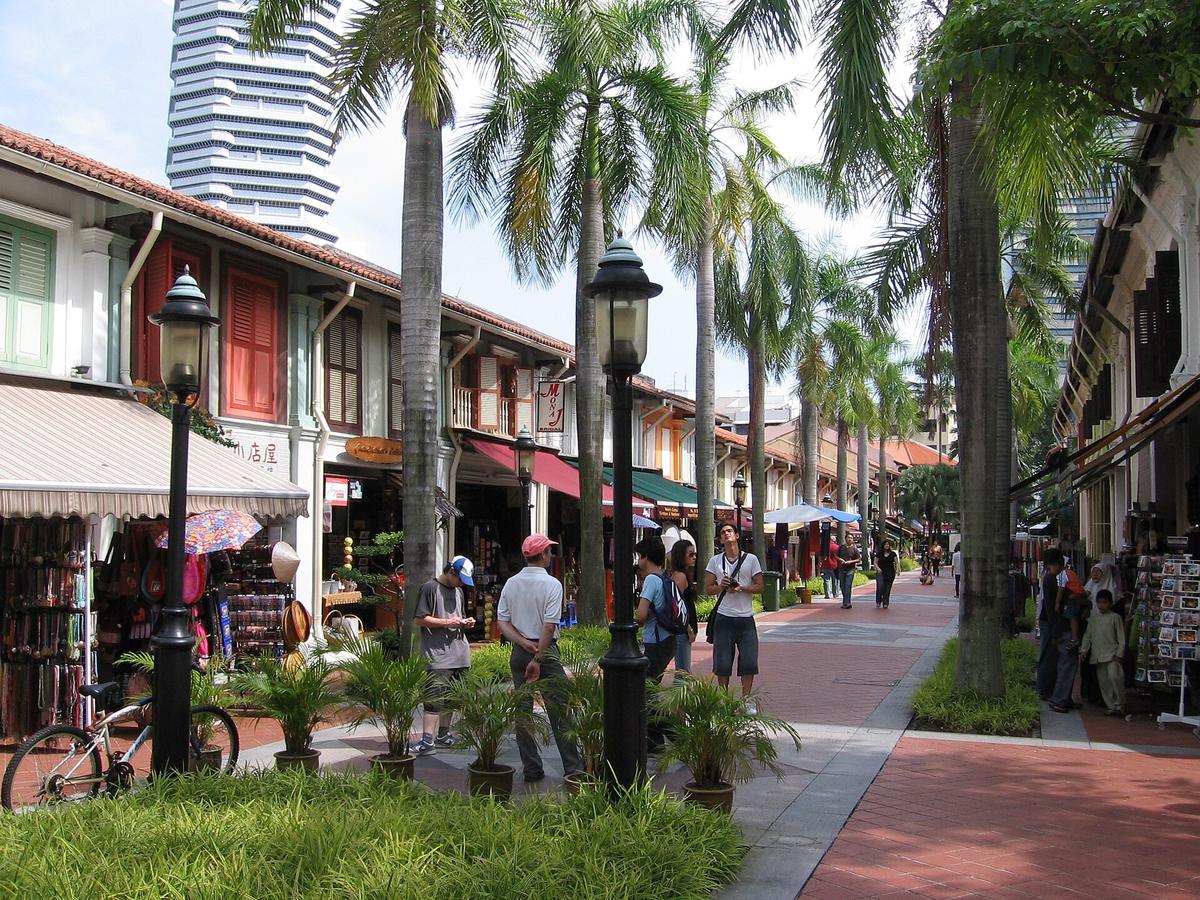
11 pm on Orchard Road. A woman walks alone past a shopping mall, handbag unzipped. Nothing happens. No one approaches. The street is bright. A security guard stands at the entrance. Another pedestrian passes with a nod. That scene repeats thousands of times a night. The question is singapore safe for tourists gets a simpler answer than most travellers expect: yes, for violent crime, it is one of the safest urban environments on earth. The things that actually trip visitors up are not mugging or assault. They are fines, forgotten laws, and scams that look like normal transactions until the money is gone.
Singapore Crime Rate Tourists: What the Numbers Actually Say
The Singapore Police Force publishes annual crime statistics, and the pattern is consistent. Street robbery, snatch theft, and assault against tourists are statistically rare. The US Department of State classifies the crime level as very low. Petty theft in crowded areas does happen. Watch your phone and wallet on Orchard Road, in MRT stations, and at major tourist attractions. Credit card fraud is the most common financial crime against visitors, not pickpocketing. Lock your contactless payment method from your banking app. Carry only what you need for the day. Do not leave your bag hanging off the back of a chair at a hawker centre while you queue for food.
The tissue-packet reservation system, where locals mark a table with a packet while they order, is strictly observed. If you see a table with a tissue packet on it, that table is taken. Do not sit there and then argue when someone returns to eat.
Singapore Strict Laws Fines: What Will Actually Cost You
The safety reputation is earned, but the legal strictness catches people off guard. The chewing gum ban is real: import and sale are prohibited. Bringing a personal supply for your own use is not prosecuted, but if you get caught importing a carton, you face a fine. Littering incurs a penalty up to SGD 2,000 for a first conviction. The National Environment Agency sets the actual fine, and it is enforced. Jaywalking carries an on-the-spot fine up to SGD 50, or up to SGD 1,000 if the case goes to court. E-cigarettes and vaping are banned entirely. Possession, use, or import is illegal, and the fine reaches SGD 2,000.
Where You Cannot Smoke
Smoking is banned in most indoor public places, hawker centres, bus stops, parks, and the entire Orchard Road precinct. Only designated smoking areas are legal.
Alcohol Rules After Dark
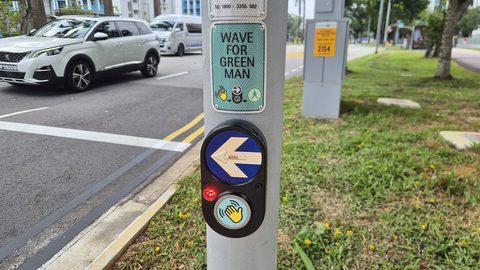
Alcohol has its own restrictions: no retail sale between 22:30 and 07:00, and no public drinking during those same hours under the Liquor Control Act. The simplest rule: do not drop anything on the ground, do not cross a road except at a pedestrian crossing with a green man signal, and do not assume a public space allows smoking just because you are outdoors.
| Offence | Penalty | Source |
|---|---|---|
| Littering (first conviction) | Up to SGD 2,000 | National Environment Agency |
| Jaywalking (on-the-spot) | Up to SGD 50 | Singapore Police Force |
| Jaywalking (prosecuted) | Up to SGD 1,000 | Singapore Police Force |
| Vaping / e-cigarettes | Fine up to SGD 2,000 | Health Sciences Authority |
| Importing chewing gum | Fine; gum confiscated | Singapore Customs |
| Drink-driving (BAC 0.08% limit) | Random breath testing; penalties include imprisonment and fine | Traffic Police |
Singapore Safety for Solo Women: Night, Transport, and Real Risk
What to Do After Midnight
If the MRT is closed, use a ride-hailing app. Do not wait on a street corner expecting to hail a cab. Taxis in Singapore operate from stands or via booking. The flag-down fare varies by taxi type, and the metered fare includes surcharges for the airport, CBD, and late hours. A taxi from Changi Airport to the city centre takes 20 to 30 minutes. The MRT takes 35 to 45 minutes. The trade-off is time versus money. For a solo woman arriving late at night, book the taxi.
Singapore Scams to Avoid: the Ones That Actually Work
Lost Passport and Consular Access
If you lose your passport, report it to the police immediately on 999 or the non-emergency line 1800-255-0000. Then contact your embassy or high commission for a replacement. Carry a photocopy or a digital copy of your passport and entry stamp separately from the original. Foreign nationals who are arrested are entitled to consular access, and the police must inform the consulate. That situation is rare, but knowing the process reduces the panic if it happens.


Drug Laws, Prescription Medication, and the Absolute Red Line
Drug laws in Singapore are the strictest in the world. The penalty for trafficking certain quantities is mandatory death penalty. For heroin, the threshold is 15 grams. For cannabis, it is 500 grams. There is no tolerance for personal use. Possession can lead to up to 10 years imprisonment or a fine of SGD 20,000, or both. Do not bring any controlled substance into the country.
Prescription Drugs That Need Approval
Some prescription medications that are legal in other countries require prior approval from the Health Sciences Authority. Codeine, certain sedatives, and some painkillers fall into this category. Check the HSA website before you pack. If you arrive with a medication that requires approval and do not have it, the medication can be confiscated and you can face a fine or prosecution. The rule is simple: if it is a prescription drug, check before you travel.
Health Realities: Dengue, Heat, and Haze
Haze and Air Quality
Periodic haze from regional forest fires can affect air quality from June to October. The NEA publishes a 24-hour PSI and a 1-hour PM2.5 reading. When the PSI exceeds 100, it is unhealthy for sensitive groups. Above 200, it is unhealthy for everyone. Above 300, it is hazardous. If you arrive during haze season, check the NEA website daily. Carry an N95 mask if the PSI is above 100.
Emergency Numbers and What to Do When Something Goes Wrong
The emergency number for police is 999. For an ambulance or fire, call 995. The non-emergency ambulance number is 1777. The Singapore Police Force non-emergency line is 1800-255-0000. If you need consular assistance, the Ministry of Foreign Affairs website maintains a list of embassies and high commissions.
Public Alerts and Preparedness
The SGSecure app provides emergency alerts and guidance from the Ministry of Home Affairs. Public warning system sirens are tested yearly on 15 February. If you hear the Important Message signal, tune to local radio or television for instructions. The country has a low risk of earthquake and tsunami, sheltered by the Indonesian archipelago and the Malay Peninsula. Civil unrest is rare.
Medical Emergencies
The main emergency you will face is a medical one. Medical costs are high for non-residents. Buy travel health insurance. AED defibrillators are widely available in public places and registered under the Singapore Heart Foundation AED registry. The heat and humidity are the most common reasons for medical attention. If you feel dizzy, nauseous, or have a headache during outdoor activity, stop moving, find air conditioning, and drink water.
Common Questions
Is Singapore safe for tourists at night?
Yes. Violent crime is very low. Public areas are well lit and covered by extensive CCTV. Women travelling alone at night report feeling safe on main roads and in the MRT. The main risk after midnight is the lack of public transport, not personal safety.
Can I bring chewing gum into Singapore?
The import and sale of chewing gum is banned, except therapeutic gum with a prescription. Bringing a small personal supply is not prosecuted, but importing a large quantity can result in a fine. Do not litter the gum. The fine for littering can reach SGD 2,000.
What is the fine for jaywalking in Singapore?
The on-the-spot fine is up to SGD 50. If the case is prosecuted, the fine can reach SGD 1,000. Always cross at a pedestrian crossing with a green man signal.
Are there scams targeting tourists in Singapore?
Yes. The most common are timeshare and vacation club scams near Marina Bay Sands, taxi overcharging, and fake goods sales. Do not accept invitations to free meals or tours from strangers who approach you on the street.
Is the tap water safe to drink in Singapore?
Yes. Tap water is potable and meets WHO guidelines. It comes from imported water from Malaysia, local catchment, NEWater, and desalination. Bottled water is also widely available.
Do I need a visa to enter Singapore?
It depends on your nationality. Many nationalities can enter visa-free for 30 to 90 days. Check the Immigration and Checkpoints Authority website before you travel. You must submit an SG Arrival Card within three days before arrival.
What happens if I overstay my visa in Singapore?
Overstaying is illegal. Penalties include fines, imprisonment, and caning for overstaying beyond 90 days. The immigration authorities enforce this strictly.
Read next
-
 Staying connected in Singapore with eSIM, tourist SIM, or free Wi-Fi
The practical steps to get online in Singapore, from eSIM activation before departure to passport-registered tourist SIMs at Changi Airport and free Wireless@SGx.
Staying connected in Singapore with eSIM, tourist SIM, or free Wi-Fi
The practical steps to get online in Singapore, from eSIM activation before departure to passport-registered tourist SIMs at Changi Airport and free Wireless@SGx.
-
 Best Time to Visit Singapore What Each Season Actually Feels Like
Singapore is hot and humid year-round, but December and June bring peak crowds, September sees F1 hotel spikes, and Chinese New Year closes many local eateries.
Best Time to Visit Singapore What Each Season Actually Feels Like
Singapore is hot and humid year-round, but December and June bring peak crowds, September sees F1 hotel spikes, and Chinese New Year closes many local eateries.
-
 Getting Around Singapore MRT Buses Ride Hailing and the Rules That Trip People Up
Singapore's MRT and bus network is excellent, but ride-hailing cars cannot pick up from taxi stands in the CBD during peak hours and trains stop around midnight.
Getting Around Singapore MRT Buses Ride Hailing and the Rules That Trip People Up
Singapore's MRT and bus network is excellent, but ride-hailing cars cannot pick up from taxi stands in the CBD during peak hours and trains stop around midnight.
-
 Singapore Visa Rules Who Needs One and How the Application Works
Singapore visa rules depend on your passport, but every traveller must complete the SG Arrival Card online before landing at Changi Airport.
Singapore Visa Rules Who Needs One and How the Application Works
Singapore visa rules depend on your passport, but every traveller must complete the SG Arrival Card online before landing at Changi Airport.
-
 Money in Singapore Cards Cash and What Actually Works Where
Singapore runs on contactless payments and the Singapore dollar, but some hawker stalls and wet markets still expect cash, so carry a mix of both.
Money in Singapore Cards Cash and What Actually Works Where
Singapore runs on contactless payments and the Singapore dollar, but some hawker stalls and wet markets still expect cash, so carry a mix of both.
-
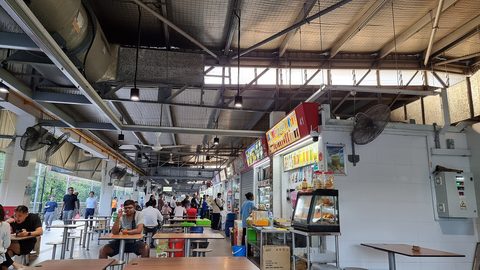 What a trip to Singapore actually costs and where the money goes
How a Singapore trip budget breaks down across hawker meals, MRT rides, attraction tickets, and the three costs that catch visitors off guard.
What a trip to Singapore actually costs and where the money goes
How a Singapore trip budget breaks down across hawker meals, MRT rides, attraction tickets, and the three costs that catch visitors off guard.
-
 How to Budget a Trip Based on Purchasing Power, Not Just Exchange Rates
Exchange rates tell only half the story. See how purchasing power shapes your real travel budget across Southeast Asia, Eastern Europe, and Latin America.
How to Budget a Trip Based on Purchasing Power, Not Just Exchange Rates
Exchange rates tell only half the story. See how purchasing power shapes your real travel budget across Southeast Asia, Eastern Europe, and Latin America.
-
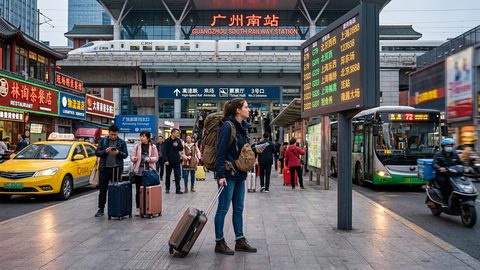 A Ground-Level Logistics Guide to Independent Travel in China
First-time independent travel in China: what you need to know about visas, rail booking, eSIMs, mobile payments, and power adapters.
A Ground-Level Logistics Guide to Independent Travel in China
First-time independent travel in China: what you need to know about visas, rail booking, eSIMs, mobile payments, and power adapters.
-
 How Solo Travelers Stay Ahead of Flight Delays and Cancellations
How solo travelers can track inbound aircraft, claim rebooking rights, and adjust ground transport when flights go wrong — step by step.
How Solo Travelers Stay Ahead of Flight Delays and Cancellations
How solo travelers can track inbound aircraft, claim rebooking rights, and adjust ground transport when flights go wrong — step by step.