When to Go to Singapore and What Each Month Does to Your Trip
Singapore is hot and humid year-round, but December and June bring peak crowds, September sees F1 hotel spikes, and Chinese New Year closes many local eateries.
You step out of Changi Airport into a wall of 30 °C air at 11 pm, the humidity already plastering your shirt to your back before you reach the taxi queue. That is Singapore every single day of the year. The question is not whether it will be hot but what else the calendar will throw at your trip. The best time to visit Singapore depends on whether you value empty sidewalks over fireworks, cheap hotel rates over festive lights, or breathable air over a full itinerary.
Singapore Weather by Month: What Each Window Actually Means
Singapore sits one degree north of the equator, so the temperature range is a flat 24 °C to 33 °C every single day. The real variation is rainfall, crowd density, and price. The northeast monsoon runs from December to early March, bringing heavier and more prolonged rainfall, especially in the afternoon and evening. The southwest monsoon runs from June through late September, with short intense showers in the early morning and occasional Sumatra squalls before dawn. The inter monsoon periods from late March to May and October to November deliver afternoon and evening thunderstorms with frequent lightning, the highest lightning activity of the year.
You cannot pick a month without rain. Singapore has no true dry season. What you can choose is the kind of rain. December through February: long drenching afternoons that flood low lying paths with little warning. June through August: sharp bursts that clear by 10 am. The late-year stretch from the ninth month through November: dramatic lightning shows that may shut outdoor attractions for an hour then vanish.
,_Gardens_By_The_Bay_--_2019_--_4725.jpg)
Singapore Peak Season Crowds: December to January and June to July
December to January: Year-End Festivities
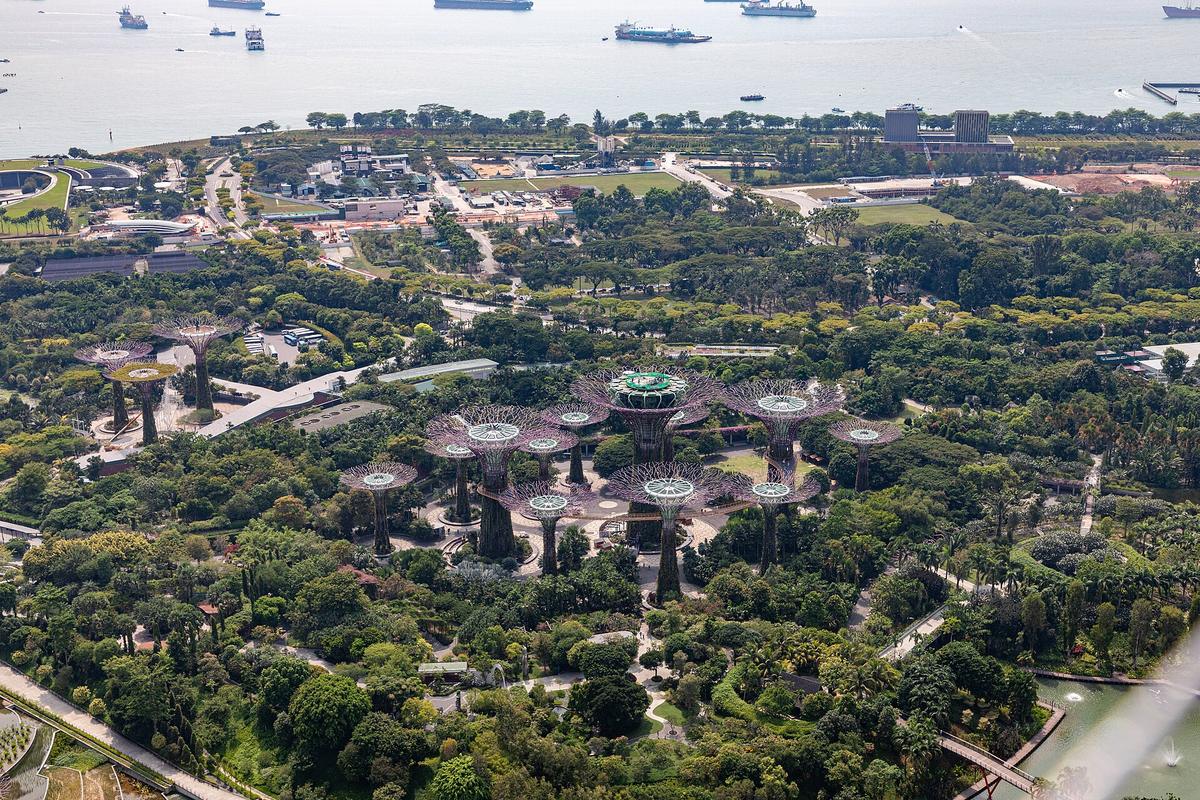
December to January brings the year end festive season: Christmas light ups along Orchard Road, New Year countdown at Marina Bay, and school holidays across Southeast Asia. Hotel rates hit their annual ceiling. Gardens by the Bay, the Night Safari, and Universal Studios Singapore run near capacity every day. Book accommodation six to eight weeks ahead if you want a room under SGD 300 near the Central Area.
June to July: Sales and School Holidays
June to July overlaps with the Great Singapore Sale and school holidays in neighbouring countries. Orchard Road malls run promotions, but the real crowd is families. Sentosa, the Singapore Zoo, and the Bird Paradise at Mandai fill with local and regional families from late morning. The MRT during peak hours around 8 am and 6 pm feels like a Tokyo car. Book timed entry tickets for the Cloud Forest and Supertree Grove in advance. Eat your lunches at 11 am before hawker centre queues triple.
What Every Month Costs and Delivers
Prices and conditions shift month by month, and the table below shows the trade off for each window.
| Period | Crowd Level | Hotel Price Index | Key Risk |
|---|---|---|---|
| December to January | Peak | Highest of year | Prolonged northeast monsoon rain; holiday closures |
| February | High to moderate | Falling after New Year | Chinese New Year closures; heavy traffic at Woodlands Checkpoint |
| Late March to May | Low to moderate | Low to medium | Afternoon thunderstorms with lightning; extreme UV index 11+ between 11 am and 3 pm |
| June to July | Peak | High | Great Singapore Sale crowds; school holiday density; haze risk from June |
| August | Moderate | Medium | Southwest monsoon short showers; haze potential continues |
| September | Moderate to high | Spiked by F1 week | Formula 1 Grand Prix road closures and hotel price surge; haze from regional fires |
| October to mid November | Low | Low to medium | Highest lightning frequency; sudden heavy showers; transitional calm |
| Mid November to early December | Low to moderate | Medium | Northeast monsoon onset; heavier afternoon rain returns |
Singapore Haze Season: the Real Risk Nobody Warns You About
June through October carries the risk of haze from regional biomass burning in Sumatra and Kalimantan. The National Environment Agency publishes a 24 hour Pollutant Standards Index. When the PSI crosses 100, outdoor activities become unpleasant. Above 200, the government advises reducing prolonged outdoor exertion, and the sky turns a flat grey that kills every photo.
The worst haze in the past decade hit in June and September. If your trip falls in those months, check the NEA website daily before you book outdoor tickets. The Cloud Forest and the National Gallery Singapore are indoor escapes that work regardless of air quality. Do not cancel a trip over haze, but build flexibility into your itinerary. Book refundable tickets for the Singapore Zoo and the Night Safari. Have a backup plan for indoor eating in Tiong Bahru or Dempsey Hill.
Singapore Rainy Season: Every Month, but Here is How it Works
Northeast Monsoon: December to Early March
Prolonged rain, often starting in the afternoon and continuing into the evening. Carry a compact umbrella and waterproof footwear. The MRT runs fine, but low lying paths in Kampong Glam and Little India can flood ankle deep within 15 minutes.
Southwest Monsoon and Inter Monsoon Periods
The southwest monsoon, from June through late September, brings short intense showers in the early morning, often clearing by 9 am. The inter monsoon periods from late March to May and October to November produce afternoon and evening thunderstorms with the highest lightning activity of the year. Visit outdoor attractions like the Supertree Grove and the Singapore Botanic Gardens before 11 am or after 4 pm during these months.
The failure case is the sudden tropical downpour that floods the walkway from the MRT station to your hotel. Keep a spare pair of socks in your daypack and use the covered walkways that connect most MRT stations to nearby buildings. Orchard Road has a continuous covered walkway on both sides of the street for about 2 kilometres.

Chinese New Year Closures: When Local Eateries Shut for Days
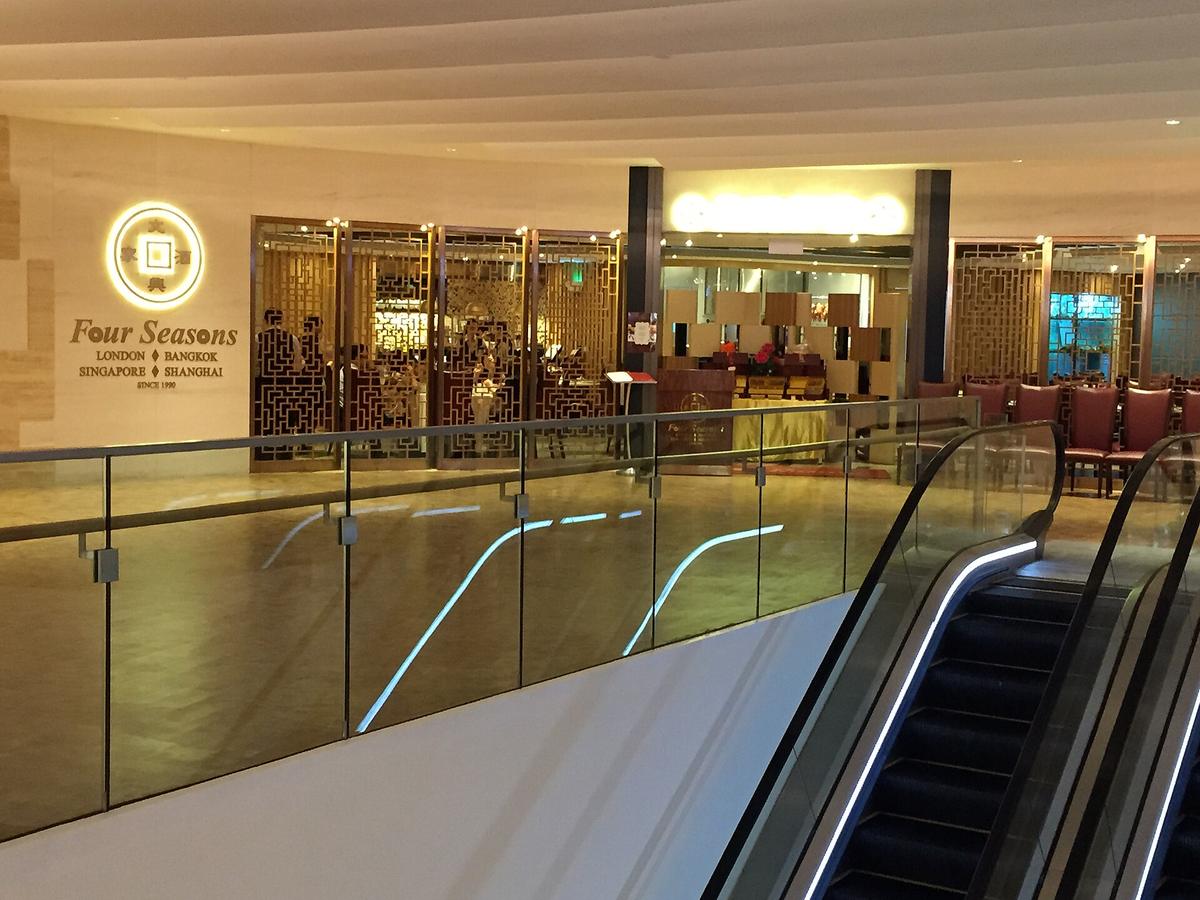
Chinese New Year falls in January or February, and the dates shift each year. For two days, many local businesses and eateries close completely, including most hawker stalls in Maxwell Food Centre and Chinatown. Some shops stay shut for up to five days. Your food options shrink to hotel restaurants, international chains, and a handful of Malay or Indian stalls that observe different holidays. The Mustafa Centre in Little India stays open 24 hours, including its food court. Do not plan your trip around Hainanese chicken rice at Tian Tian if the date falls during the holiday.
Heavy traffic builds at the Woodlands Checkpoint and Tuas Checkpoint as Singaporeans cross into Malaysia. The causeway queues can add two hours to any trip to Johor Bahru. Book your accommodation in the Central Area or Marina Bay, where hotel restaurants remain open. Stock up on snacks from a supermarket the day before the holiday begins.
The September F1 Price Spike and Road Closures
The Formula 1 Singapore Grand Prix runs for one week in September. Road closures hit the Marina Centre and City Hall areas for approximately seven days, and the circuit layout blocks access to parts of the Civic District. Hotel rates in the Marina Bay and Central Area double or triple during race week. A room that costs a moderate sum in August can jump to a punishing rate during the race. If you are not attending, avoid that week entirely. If you must be in Singapore for other reasons, stay outside the downtown core: Tiong Bahru, Joo Chiat, or Kampong Glam, where prices rise less sharply and street access remains normal.
Shoulder Periods: Late March to May and October to Mid November
Late March to May
Lower visitor density at outdoor attractions and moderate hotel rates. The trade off: hot afternoons with high humidity and frequent thunderstorms. The UV index hits extreme levels above 11 between 11 am and 3 pm. Plan outdoor visits for early morning or late afternoon.
October to Mid November
This window brings the highest lightning frequency of the year and sudden heavy showers. It also sits in a transitional calm between the two monsoons. Crowds are low. Prices are medium. The Singapore Botanic Gardens and the National Orchid Garden are nearly empty on weekday mornings. These two shoulder periods are when a visitor who hates queuing gets the most out of the city.
Common Questions
When is the cheapest month to fly to Singapore?
February after Chinese New Year, late March to May, and October to mid November have the lowest airfares and hotel rates. September spikes because of the Formula 1 Grand Prix. December and June are peak season and cost the most.
Can you visit Singapore in June without haze ruining your trip?
Monitor the National Environment Agency PSI readings daily. Haze is not guaranteed, and many June weeks have clean air. Book outdoor attractions with refundable tickets so you can shift to indoor options like the Cloud Forest, Asian Civilisations Museum, or the shopping malls along Orchard Road.
Does it rain all day during the northeast monsoon?
No. The rain is prolonged but not continuous. Afternoon and evening showers dominate, and mornings are often clear. Carry a compact umbrella and waterproof shoes. The MRT runs without interruption, and most attractions are under cover.
Is Singapore worth visiting during Chinese New Year?
Only if you plan for closures. Many local eateries shut for two to five days. Hotel rates drop after the holiday ends, and the festive decorations in Chinatown and along Orchard Road are impressive. Stock up on food before the holiday and book a hotel with a restaurant.
How far ahead should I book hotels for peak season?
Six to eight weeks for December to January and June to July. For the Formula 1 week in September, book as soon as the race dates are announced, usually ten to twelve months ahead. Last minute bookings during peak season routinely cost double the standard rate.
Read next
-
 Staying connected in Singapore with eSIM, tourist SIM, or free Wi-Fi
The practical steps to get online in Singapore, from eSIM activation before departure to passport-registered tourist SIMs at Changi Airport and free Wireless@SGx.
Staying connected in Singapore with eSIM, tourist SIM, or free Wi-Fi
The practical steps to get online in Singapore, from eSIM activation before departure to passport-registered tourist SIMs at Changi Airport and free Wireless@SGx.
-
 Getting Around Singapore MRT Buses Ride Hailing and the Rules That Trip People Up
Singapore's MRT and bus network is excellent, but ride-hailing cars cannot pick up from taxi stands in the CBD during peak hours and trains stop around midnight.
Getting Around Singapore MRT Buses Ride Hailing and the Rules That Trip People Up
Singapore's MRT and bus network is excellent, but ride-hailing cars cannot pick up from taxi stands in the CBD during peak hours and trains stop around midnight.
-
 Singapore Visa Rules Who Needs One and How the Application Works
Singapore visa rules depend on your passport, but every traveller must complete the SG Arrival Card online before landing at Changi Airport.
Singapore Visa Rules Who Needs One and How the Application Works
Singapore visa rules depend on your passport, but every traveller must complete the SG Arrival Card online before landing at Changi Airport.
-
 Money in Singapore Cards Cash and What Actually Works Where
Singapore runs on contactless payments and the Singapore dollar, but some hawker stalls and wet markets still expect cash, so carry a mix of both.
Money in Singapore Cards Cash and What Actually Works Where
Singapore runs on contactless payments and the Singapore dollar, but some hawker stalls and wet markets still expect cash, so carry a mix of both.
-
 Is Singapore Safe Reading Safety Advice Without Being Misled by It
Singapore is exceptionally safe for violent crime, but its strict laws on littering, jaywalking and chewing gum sales can catch unwary visitors off guard with
Is Singapore Safe Reading Safety Advice Without Being Misled by It
Singapore is exceptionally safe for violent crime, but its strict laws on littering, jaywalking and chewing gum sales can catch unwary visitors off guard with
-
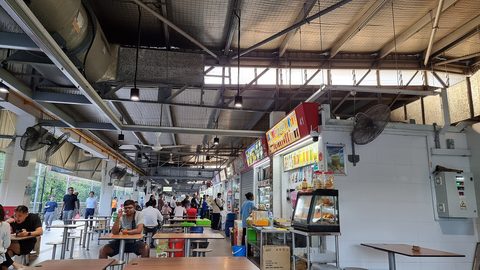 What a trip to Singapore actually costs and where the money goes
How a Singapore trip budget breaks down across hawker meals, MRT rides, attraction tickets, and the three costs that catch visitors off guard.
What a trip to Singapore actually costs and where the money goes
How a Singapore trip budget breaks down across hawker meals, MRT rides, attraction tickets, and the three costs that catch visitors off guard.
-
 How to Budget a Trip Based on Purchasing Power, Not Just Exchange Rates
Exchange rates tell only half the story. See how purchasing power shapes your real travel budget across Southeast Asia, Eastern Europe, and Latin America.
How to Budget a Trip Based on Purchasing Power, Not Just Exchange Rates
Exchange rates tell only half the story. See how purchasing power shapes your real travel budget across Southeast Asia, Eastern Europe, and Latin America.
-
 A Ground-Level Logistics Guide to Independent Travel in China
First-time independent travel in China: what you need to know about visas, rail booking, eSIMs, mobile payments, and power adapters.
A Ground-Level Logistics Guide to Independent Travel in China
First-time independent travel in China: what you need to know about visas, rail booking, eSIMs, mobile payments, and power adapters.
-
 How Solo Travelers Stay Ahead of Flight Delays and Cancellations
How solo travelers can track inbound aircraft, claim rebooking rights, and adjust ground transport when flights go wrong — step by step.
How Solo Travelers Stay Ahead of Flight Delays and Cancellations
How solo travelers can track inbound aircraft, claim rebooking rights, and adjust ground transport when flights go wrong — step by step.