A Realistic Poland Trip Cost Breakdown
How money works in Poland: where it vanishes fast, where it stretches, and why a single daily budget figure misleads more than it helps.
The Shape of a Poland Travel Budget, Not the Numbers
Every cost here is in Polish złoty (PLN), the currency you hold. Contactless card and BLIK dominate in Warsaw and Kraków. Cash is still the only option in small market stalls, rural bars, and some milk bars. The gradient from Warsaw to the Bieszczady mountains is real: the capital runs on plastic, the eastern wild edge runs on notes. Carry złoty notes in both places.
How Much to Budget for Poland: the Three Tier Model
Luxury tier. You stay in 5-star chains in Warsaw or Kraków, eat fine dining with imported wine, hire private guides for the heritage sites, and pay the premium fare for first-class EIP seats. The luxury tier does not avoid crowds in August. No price point clears a queue at Morskie Oko. The real value in this tier is booking the boutique hotel in a historic building in Gdańsk or Wrocław, not the international chain. Poland's architecture does the work a marble lobby cannot.
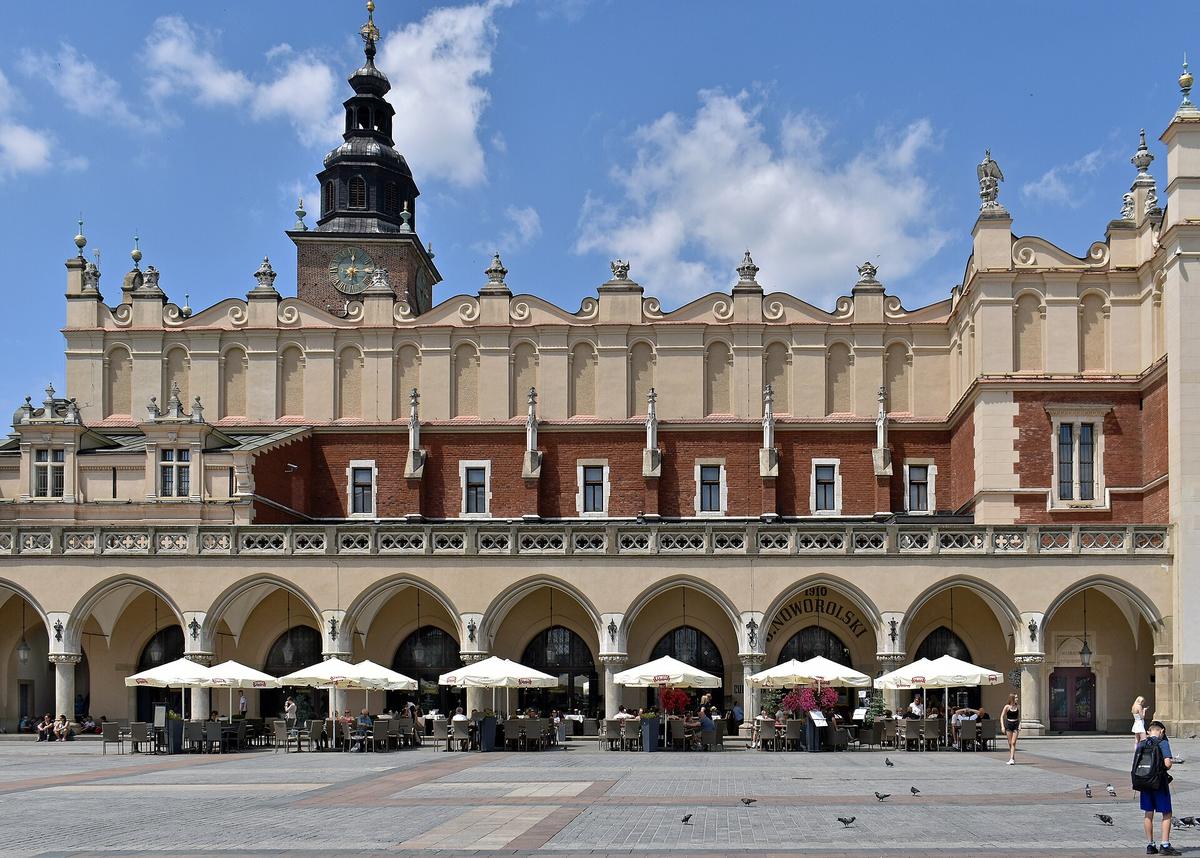

Poland Daily Expenses: Where Your Money Goes
Museums and Attractions
State museums often have one free day per week, usually Wednesday or Sunday. Check each site. Royal castles and national parks are unexpectedly cheap. Wieliczka Salt Mine and Auschwitz-Birkenau guided tours are unexpectedly expensive relative to their duration. Private museums in Kraków Old Town charge more than most state institutions.
Cheap Eats Poland: the Milk Bar Strategy
The failure case: arriving in a small town at 14:00 and finding the milk bar closed. Many close by 16:00 or earlier on weekends. Keep a supermarket ready-to-eat option in your bag. A zapiekanka from a gas station or a cold pierogi pack works. The language barrier matters here. Google Translate camera mode is essential for menu boards that have no English, and in rural bars the cashier may not speak any.
Poland Mid-Range Travel Cost: What 200 PLN Per Day Gets You
For the mid-range traveller, the two most expensive single purchases are likely to be the Wieliczka guided tour and the Auschwitz-Birkenau timed entry. The latter is free to reserve, but the mandatory guided tour in English adds a fee. Budget for those as separate line items, not as part of your daily allowance. The city cards (KrakówCard, Warsaw Pass) offer value only if you plan to hit four or more paid museums in 48 hours. Otherwise the per-attraction entry is cheaper bought individually.
The Cash to Card Gradient: Warsaw to the Bieszczady
Rural Cash Rules
The failure case: a rural bar in Podlasie where the card reader is broken and you have no cash. You walk 15 minutes to the nearest ATM and find it out of service. Carry small notes, 10s and 20s, outside major cities at all times.
Where Costs Spike and Where Value Hides
University Dorms in Summer
One value find worth naming: university dormitories open their rooms to travellers during July and August. They cluster in Kraków, Wrocław, and Gdańsk and cost roughly 60 to 80 PLN per night for a private room. The shared bathroom is the tradeoff. The location is usually walking distance to the old town. Bookable through local platforms like Noclegi.pl.
Transport Rules That Change Your Budget
City Passes and Ticket Checks
For city transport, buy a time-based ticket or a multi-day pass. In Warsaw, a 72-hour pass covers all trams, buses, and the metro for roughly the cost of three single-ride tickets. In Kraków, the same logic applies. Stamp paper tickets in the onboard validator immediately upon boarding. Failure is a fine from plain-clothes inspectors who patrol the trams. The fine is roughly 200 PLN for a 4 PLN fare.
The Single Most Practical Thing to Do Next
Price Your Train Route First
Open the KOLEO app and price out the train connections for your tentative route: Warsaw to Kraków on EIP versus Polregio, Gdańsk to Malbork on a regional train, Wrocław to the Sudetes foothills. That five-minute exercise shows you the exact shape of your transport budget. It is the variable that changes most between itineraries. Accommodation and food costs are relatively stable within a region. The train choice on a single leg can save or waste serious money. Build your route around the train price first, then layer accommodation and meals on top. That sequence turns a Poland trip cost breakdown into a budget that actually holds.
Frequently Asked Questions
What is the cheapest region in Poland for a week-long trip?
Podlasie, the eastern wild edge of Poland, and the Upper Silesian conurbation around Katowice are the cheapest regions. Accommodation in Podlasie runs 30 to 40 percent below the national average. Food costs the same as anywhere else, but the smaller towns and rural pensions keep your daily spend lower than in Kraków or the Tatra region.
How much cash should I carry for a day in rural Poland?
Carry small notes, 10s and 20s, for a day outside major cities. Rural bars, small market stalls, and some milk bars remain cash only. ATMs exist but can be out of service. In Warsaw and Kraków, card and BLIK cover almost everything.
Is it cheaper to eat at milk bars or cook your own food in Poland?
Milk bars are cheaper than cooking if you value your time. A full meal (soup, main, compote) costs 25 to 35 PLN. Cooking from supermarket ingredients costs about the same when you factor in buying oil, salt, and fuel for a single meal. The real saving from supermarkets is breakfast items and snacks, not main meals.
When are hotel prices highest in Poland?
July and August see peak pricing, especially in Kraków Old Town, Gdańsk, and Zakopane. Christmas and New Year also drive rates up. The cheapest months are November and late January through February. Shoulder season (May, June, September, October) offers moderate prices with better weather than the low season.
Should I buy a Poland city card or pay per attraction?
A city card pays off only if you plan to visit four or more paid museums in 48 hours. For a typical itinerary of two paid attractions per day plus free walking and public squares, paying per entry is cheaper. The KrakówCard and Warsaw Pass both have 48-hour and 72-hour options, but check the included museums against your actual plans before buying.
Read next
-
 Staying Connected in Poland, from eSIM to a Paper Map Backup
Poland's connectivity splits sharply between city squares with free Wi-Fi and rural dead zones. Here's how to choose between eSIM, local SIM, or neither.
Staying Connected in Poland, from eSIM to a Paper Map Backup
Poland's connectivity splits sharply between city squares with free Wi-Fi and rural dead zones. Here's how to choose between eSIM, local SIM, or neither.
-
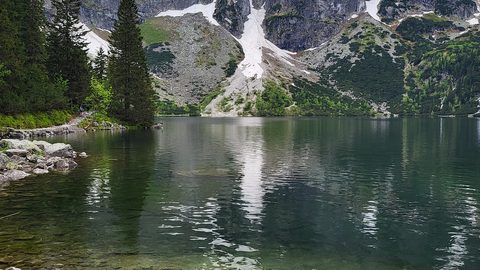 Best Time to Visit Poland, What Each Season Actually Does
Summer brings long days and festivals but peak crowds in Kraków and Zakopane. November is grey and wet. Here is what each season actually delivers.
Best Time to Visit Poland, What Each Season Actually Does
Summer brings long days and festivals but peak crowds in Kraków and Zakopane. November is grey and wet. Here is what each season actually delivers.
-
 Getting Around Poland, Trains, Tickets, and What the Map Oversells
Polish trains connect the country well, but operator-specific tickets and mandatory seat reservations on EIP services trip up the unprepared.
Getting Around Poland, Trains, Tickets, and What the Map Oversells
Polish trains connect the country well, but operator-specific tickets and mandatory seat reservations on EIP services trip up the unprepared.
-
 Poland Visa Rules, Who Needs One and How the Schengen Process Works
Poland is part of the Schengen zone. Most Western passport holders get 90 days visa-free, but the rules change for others — here is exactly who needs what.
Poland Visa Rules, Who Needs One and How the Schengen Process Works
Poland is part of the Schengen zone. Most Western passport holders get 90 days visa-free, but the rules change for others — here is exactly who needs what.
-
 Money in Poland, Złoty, Cards, and Where Cash Still Wins
Poland runs on the złoty, not the euro. Cards work in cities, but milk bars, rural shops, and Sunday closures mean cash still matters.
Money in Poland, Złoty, Cards, and Where Cash Still Wins
Poland runs on the złoty, not the euro. Cards work in cities, but milk bars, rural shops, and Sunday closures mean cash still matters.
-
 Is Poland Safe, Reading the Advice Without Being Misled by It
Poland is broadly safe with low violent crime. The real risks are plain-clothes ticket inspectors, jaywalking fines, and the language barrier in rural emergencies.
Is Poland Safe, Reading the Advice Without Being Misled by It
Poland is broadly safe with low violent crime. The real risks are plain-clothes ticket inspectors, jaywalking fines, and the language barrier in rural emergencies.
-
 A Ground-Level Logistics Guide to Independent Travel in China
First-time independent travel in China: what you need to know about visas, rail booking, eSIMs, mobile payments, and power adapters.
A Ground-Level Logistics Guide to Independent Travel in China
First-time independent travel in China: what you need to know about visas, rail booking, eSIMs, mobile payments, and power adapters.
-
 How Solo Travelers Stay Ahead of Flight Delays and Cancellations
How solo travelers can track inbound aircraft, claim rebooking rights, and adjust ground transport when flights go wrong — step by step.
How Solo Travelers Stay Ahead of Flight Delays and Cancellations
How solo travelers can track inbound aircraft, claim rebooking rights, and adjust ground transport when flights go wrong — step by step.
-
 Why Your eSIM Might Not Work Abroad and How to Check Before You Go
Buying an eSIM doesn't guarantee signal abroad. Learn why coverage fails by location and how to verify reach before you commit to a plan.
Why Your eSIM Might Not Work Abroad and How to Check Before You Go
Buying an eSIM doesn't guarantee signal abroad. Learn why coverage fails by location and how to verify reach before you commit to a plan.